
The Martyrdom of Saint Peter — History & Facts
When Théodore Géricault submitted The Martyrdom of Saint Peter to the Paris Salon of 1814, he was just 23 years old and still a student, yet the painting marked his first public foray into the grand tradition of religious history painting. This ambitious canvas was created as his entry for the Prix de Rome, the prestigious competition that launched many French artists' careers. Although the prize ultimately went to another, Géricault’s dramatic approach and bold brushwork caused a stir among critics, foreshadowing the revolutionary energy he would soon bring to Romanticism.
The work stands as a testament to a young artist eager to challenge conventions and make his mark. The painting captures the harrowing moment when Saint Peter, condemned by Emperor Nero, is crucified upside down at his own request—a gesture of humility, as he felt unworthy to die in the same manner as Christ. Géricault freezes the scene at the instant the executioners strain to raise the cross, Peter’s aged body twisted, his face turned heavenward in defiant faith. The play of light falls harshly on the saint’s pale flesh, casting the executioners in shadow and emphasizing the isolation of martyrdom.
Chains bite into Peter’s wrists, a visual echo of his spiritual bondage and release. Unlike Caravaggio’s version, with its chiaroscuro drama and psychological tension, Géricault’s treatment is more physical, focusing on the brute force and suffering of the act. The exact fate of The Martyrdom of Saint Peter after its Salon debut is uncertain; the painting is rarely exhibited and its current location is not widely known, though it remains an important early work in Géricault’s short but influential career. Created before his breakthrough with The Raft of the Medusa, this canvas demonstrates his early fascination with the human body under extreme duress—a theme he would return to throughout his life.
While it did not win the Prix de Rome, the painting helped establish Géricault as a daring new voice in French art, bridging the academic tradition and the emerging spirit of Romanticism. Today, it offers a glimpse into the restless ambition of a young artist on the brink of greatness.
More Artworks by Théodore Géricault
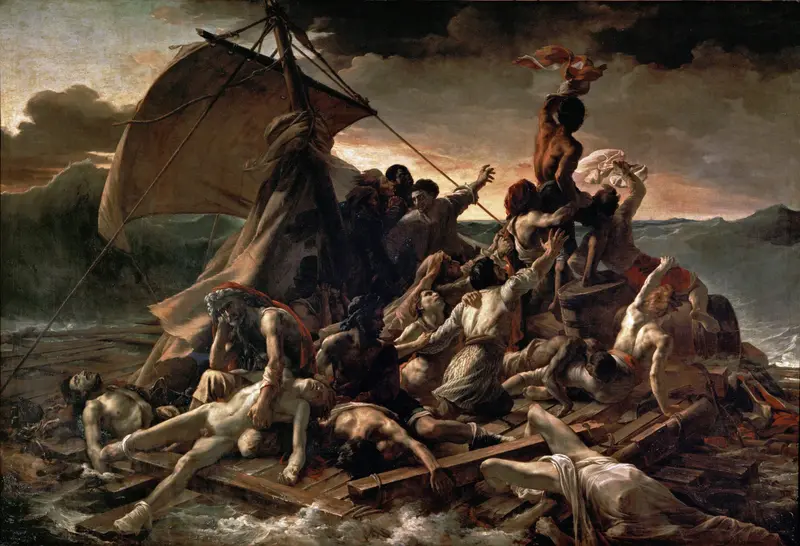
The Raft of the Medusa
Théodore Géricault

Géricault - Le naufrage du radeau de la Méduse, MBA 790
Théodore Géricault
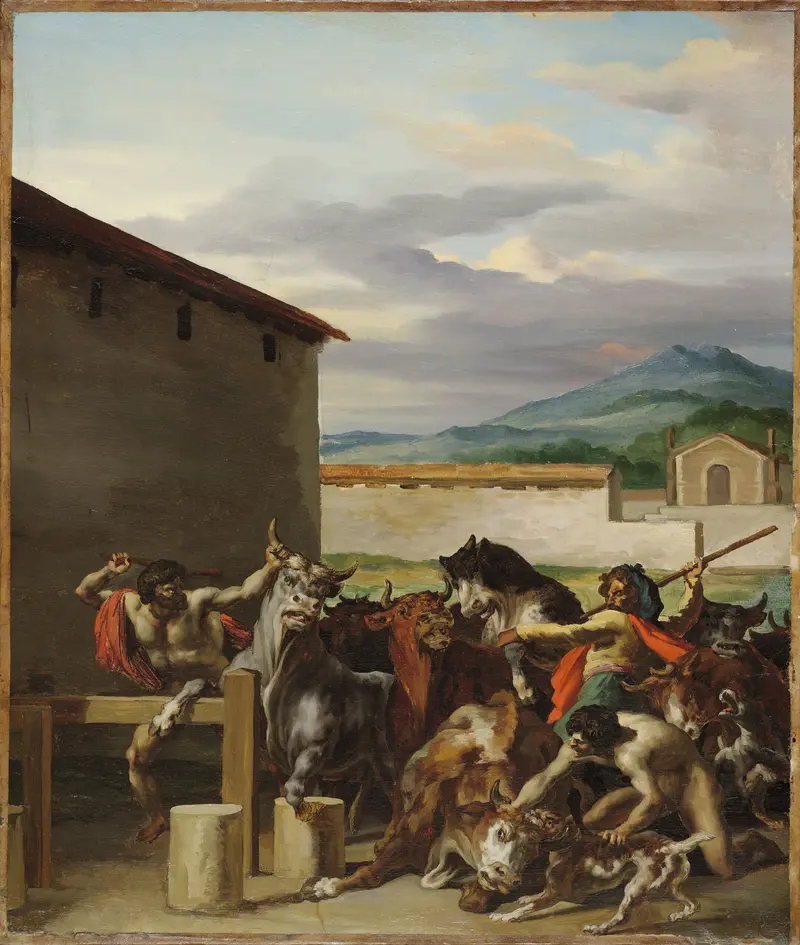
Cattle Market
Théodore Géricault
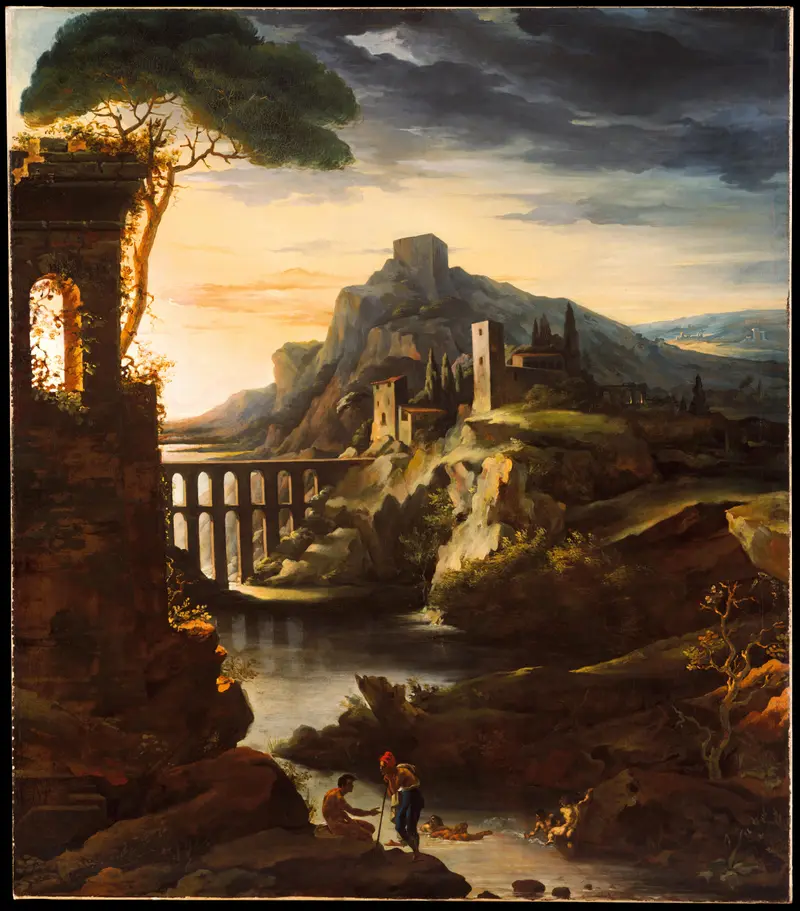
Evening; Landscape with an Aqueduct
Théodore Géricault
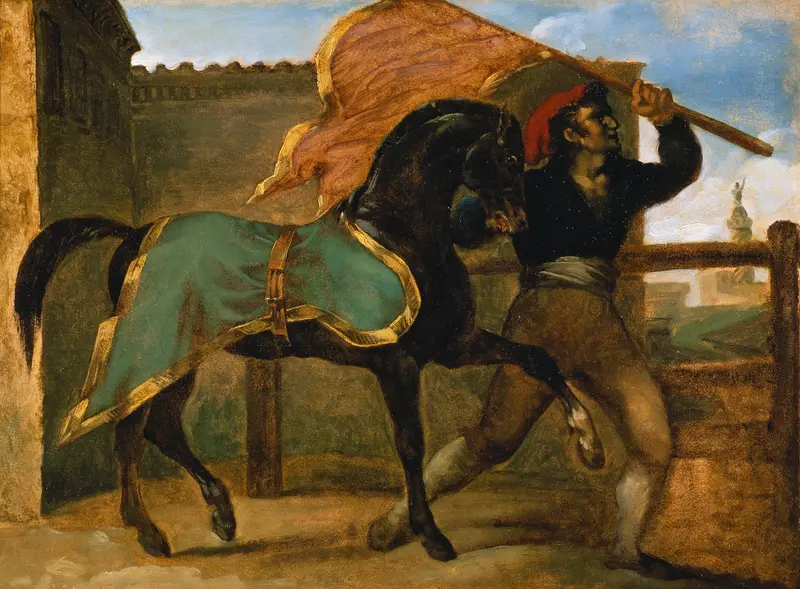
Horse Race
Théodore Géricault

Horses Standing in a Mews
Théodore Géricault
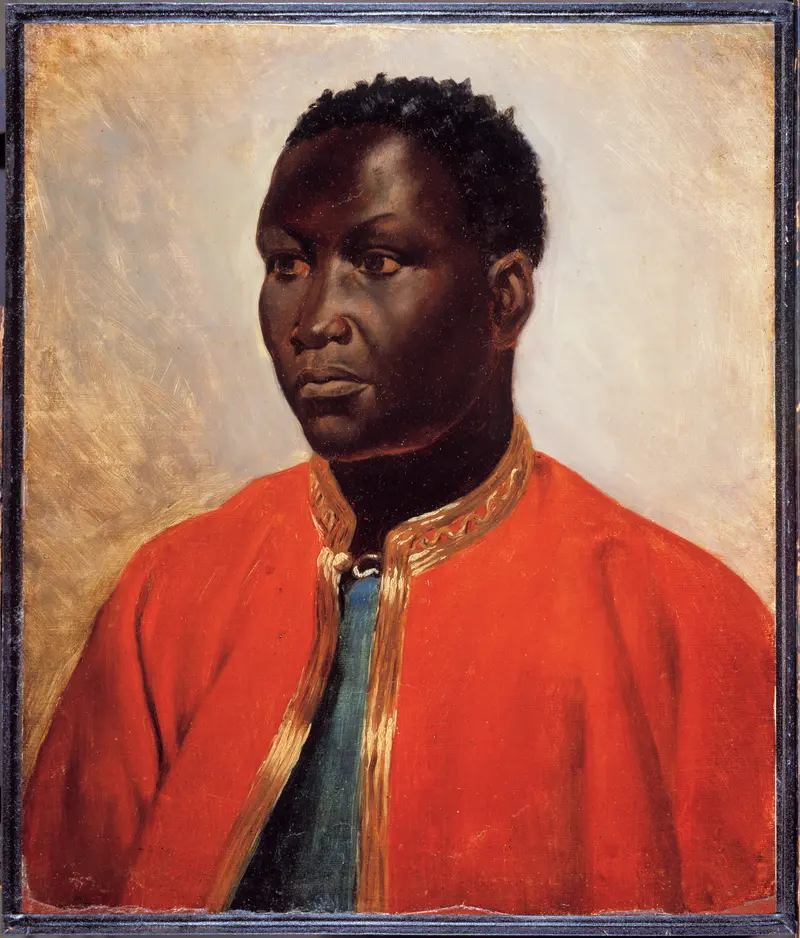
Portrait of a Negro
Théodore Géricault
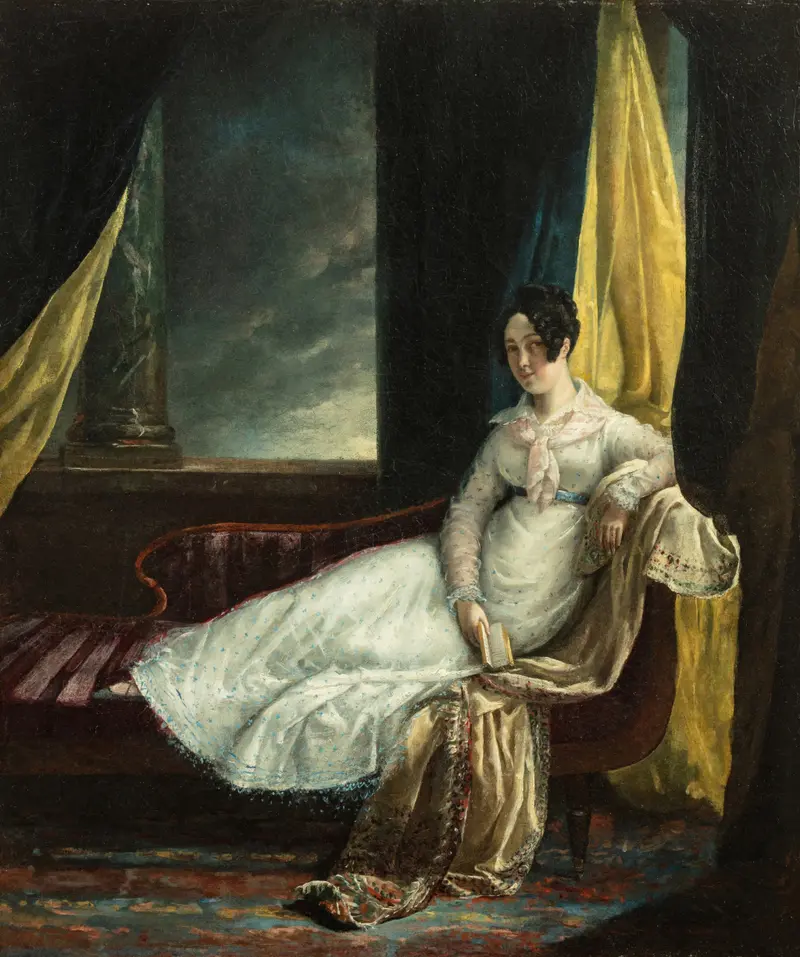
Portrait of Zoë Elmore
Théodore Géricault
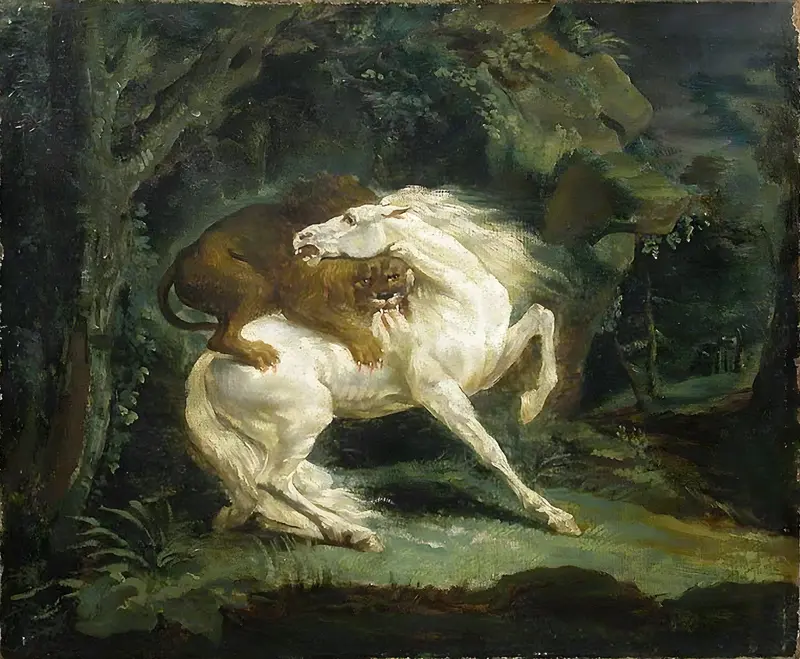
Cheval attaqué par un lion
Théodore Géricault
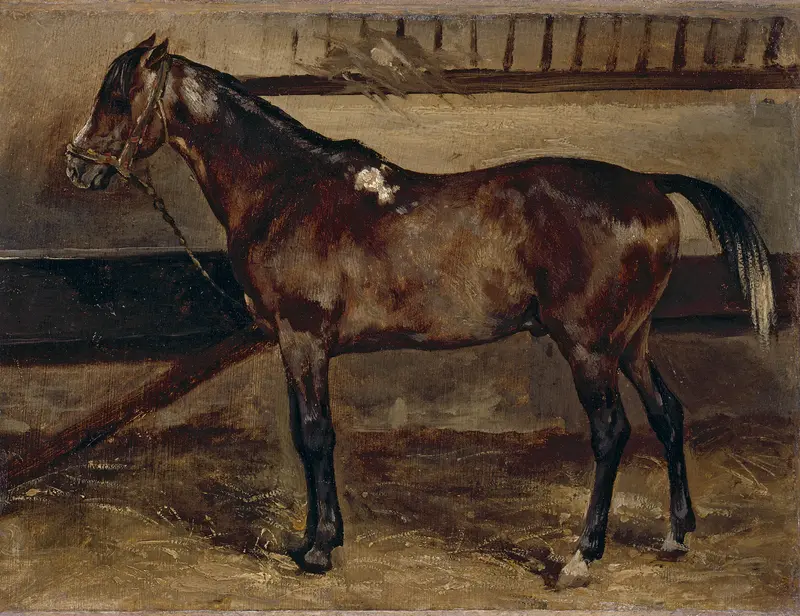
Cheval brun à l'écurie
Théodore Géricault





