
The Model's First Sitting — History & Facts
When Jean-Honoré Fragonard unveiled The Model's First Sitting in 1769, it was whispered among Parisian circles as a sly nod to the secret world of the artist's studio. Rather than a myth or grand history, Fragonard chose to spotlight the charged, often ambiguous relationship between artist and sitter, a theme rarely explored so openly in the 18th century. The painting’s playful intimacy and candid subject matter sparked both amusement and mild scandal, with some contemporaries reading it as a veiled commentary on the freedoms—and risks—of the Rococo age.
Its lighthearted approach to a potentially risqué subject set it apart from the more formal academic works of the time. At the heart of the scene, a young model hesitates at the threshold of her first sitting, caught between curiosity and apprehension. Fragonard captures the precise moment before the pose begins: the model’s hand hovers uncertainly over her shawl, her gaze flickers toward the artist, while the painter’s tools lie ready but untouched. The soft, golden light spills across the studio, illuminating scattered sketches and fabrics, drawing the viewer into the intimacy of the encounter.
Every detail—the playful dog at her feet, the discarded glove—adds to the sense of narrative: a story of innocence, anticipation, and the unspoken tension of creation. Unlike the moralizing tone of Chardin’s studio scenes, Fragonard’s approach is lighter, more mischievous, inviting us to share in the secret. The precise early history of The Model's First Sitting remains uncertain, as records of its original patron or first exhibition have not survived. What is clear is that the painting reflects a turning point in Fragonard’s career, as he moved away from grand mythologies toward the more intimate, personal subjects that would define his later work.
Over the centuries, the painting passed through several private collections before entering the public eye in the 20th century. Today, it stands as a testament to the playful spirit of the Rococo movement, and to Fragonard’s gift for capturing the fleeting moments that reveal the complexities of human connection.
More Artworks by Jean-Honoré Fragonard
The Swing
Jean-Honoré Fragonard

The Swing
Jean-Honoré Fragonard
A Young Girl Reading
Jean-Honoré Fragonard
The Lock
Jean-Honoré Fragonard
The Triumph of Venus
Jean-Honoré Fragonard
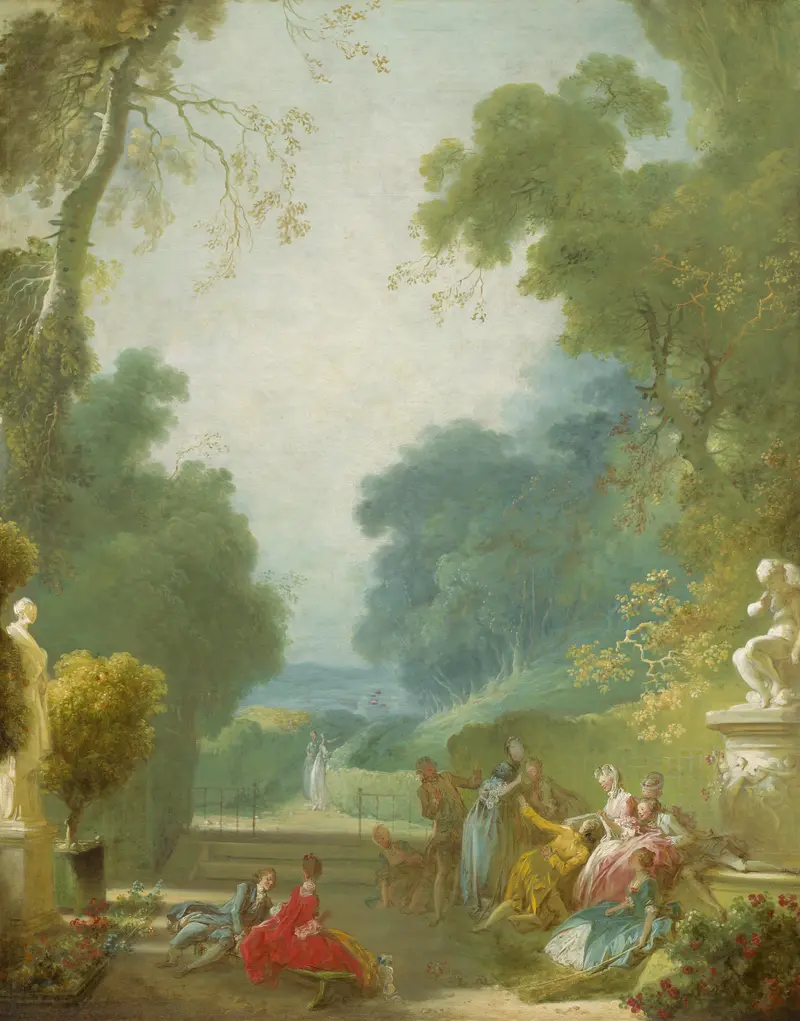
A Game of Hot Cockles
Jean-Honoré Fragonard
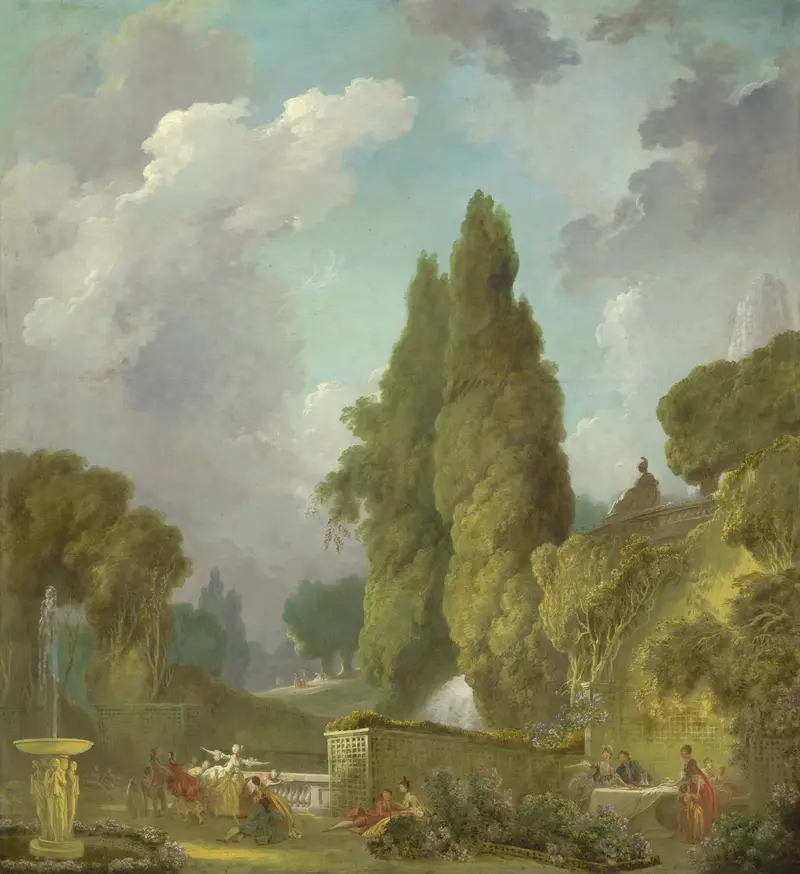
Blindman’s Buff
Jean-Honoré Fragonard
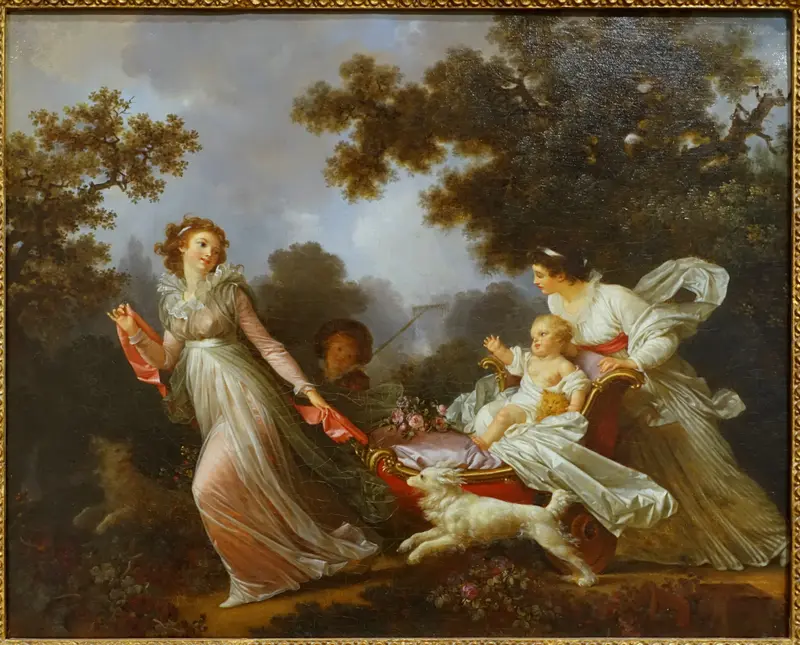
The Beloved Child
Jean-Honoré Fragonard
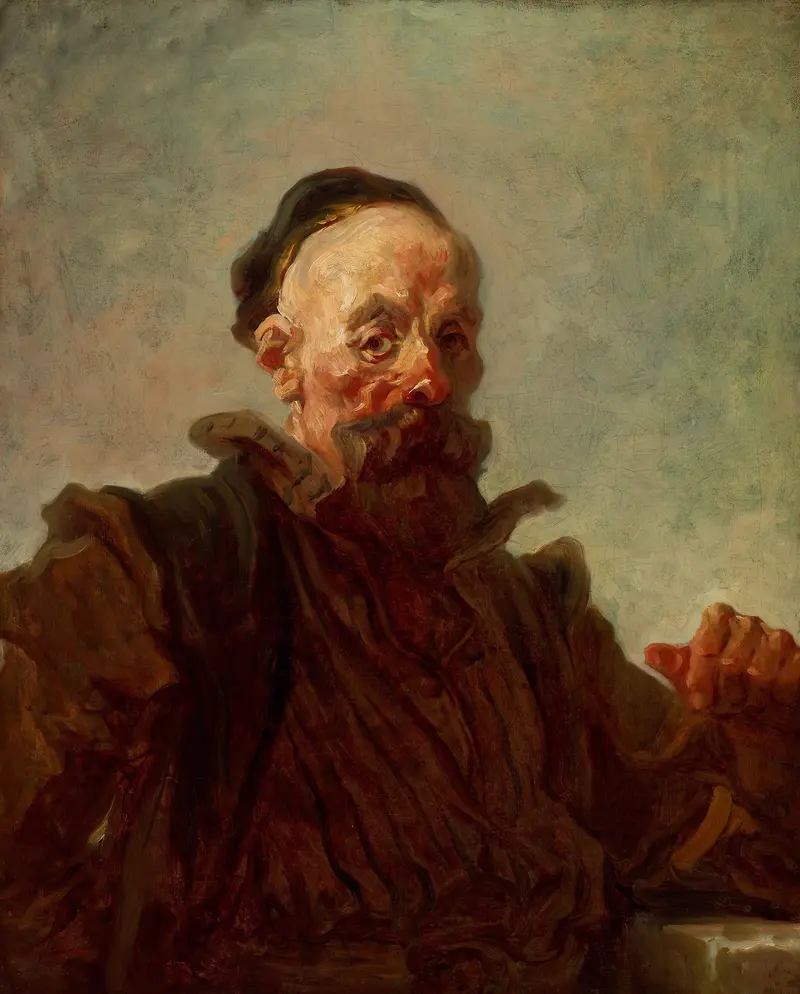
Portrait of a Man in Costume
Jean-Honoré Fragonard
The First Steps
Jean-Honoré Fragonard
More Genre Scene Art

Banquet of the Officers of the St George Civic Guard
Frans Hals

Rembrandt and Saskia in the Scene of the Prodigal Son
Rembrandt van Rijn

Bal du moulin de la Galette
Pierre-Auguste Renoir

Quadrille at the Moulin Rouge
Henri de Toulouse-Lautrec

A Burial at Ornans
Gustave Courbet

When Will You Marry?
Paul Gauguin