
The Music Lesson — History & Facts
What draws the eye first in The Music Lesson is the charged silence between teacher and pupil, as if the next note is suspended in the air. The woman’s gaze, half expectant and half amused, meets the man’s gentle concentration as he guides the bow across the strings of a viol. Light spills across her pale dress and the open music book, making the written notes almost audible, while the man’s brilliant red coat sets him apart as both performer and instructor.
The composition pulls the viewer into this private world: the sweep of the woman’s arm, her finger pausing on the page, invites us to listen in, while the grand architectural setting—arched window, marble floor—reminds us that this is a lesson for the privileged few. The mood is intimate but formal, the palette cool and elegant, with careful attention to the play of textures: silk, lace, and polished wood. Painted in 1710, this work belongs to a period when music-making was a marker of refinement among Europe’s elite, and scenes like this were prized for their ability to capture both social ritual and personal connection. Artists of the early eighteenth century, particularly in France, delighted in depicting such genteel interiors, where lessons in art, music, or dance were as much about manners and courtship as about skill.
While history has kept few traces of this specific painting’s journey, its presence in a modern collection (as documented by a 2023 photograph) is a reminder of how these quiet moments of instruction once signaled status and taste. The viewer is left to wonder what melody is being rehearsed—and what words might be exchanged in the pauses between notes.
More Artworks by Jean-Marc Nattier

Madame Crozat de Thiers and Her Daughter
Jean-Marc Nattier
Princess Marie Adélaïde of France - The Air
Jean-Marc Nattier
Portrait de Mathilde de Canisy, marquise d'Antin
Jean-Marc Nattier
Bemberg Fondation Toulouse - Portrait de Louis Jean Marie de Bourbon, Duc de Penthièvre - Jean Marc Nattier inv.1158 82x65.4
Jean-Marc Nattier
Princess Louise-Élisabeth of France - The Earth
Jean-Marc Nattier
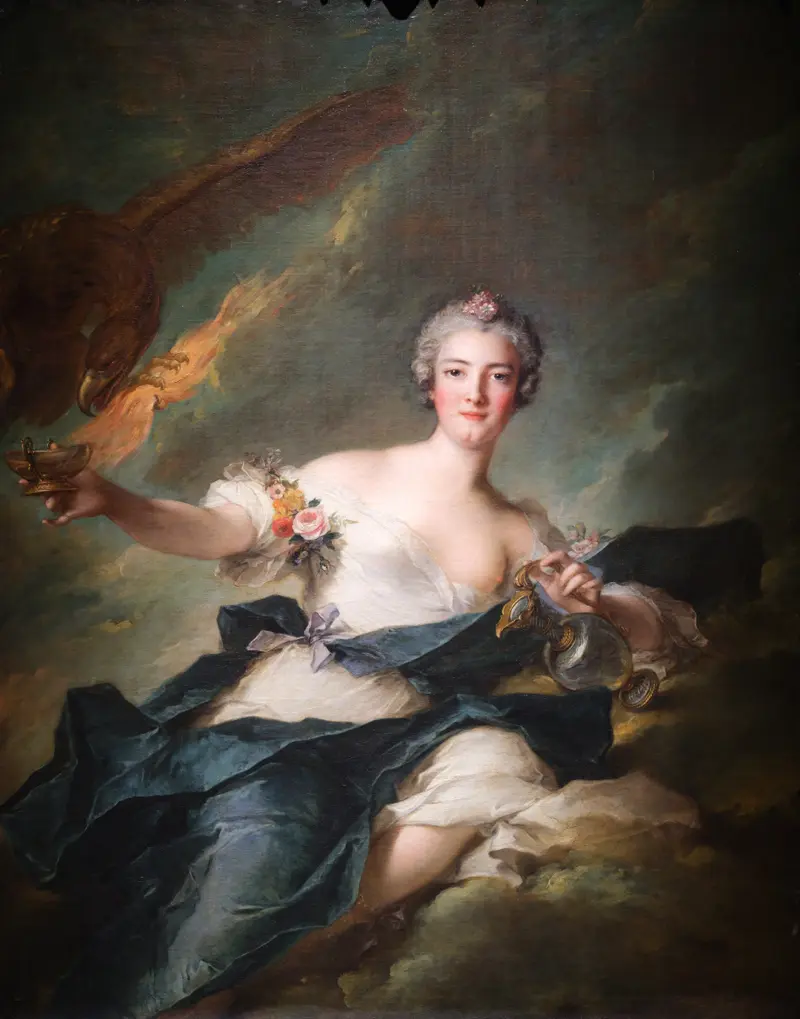
The Duchess of Chaulnes Represented as Hebe
Jean-Marc Nattier
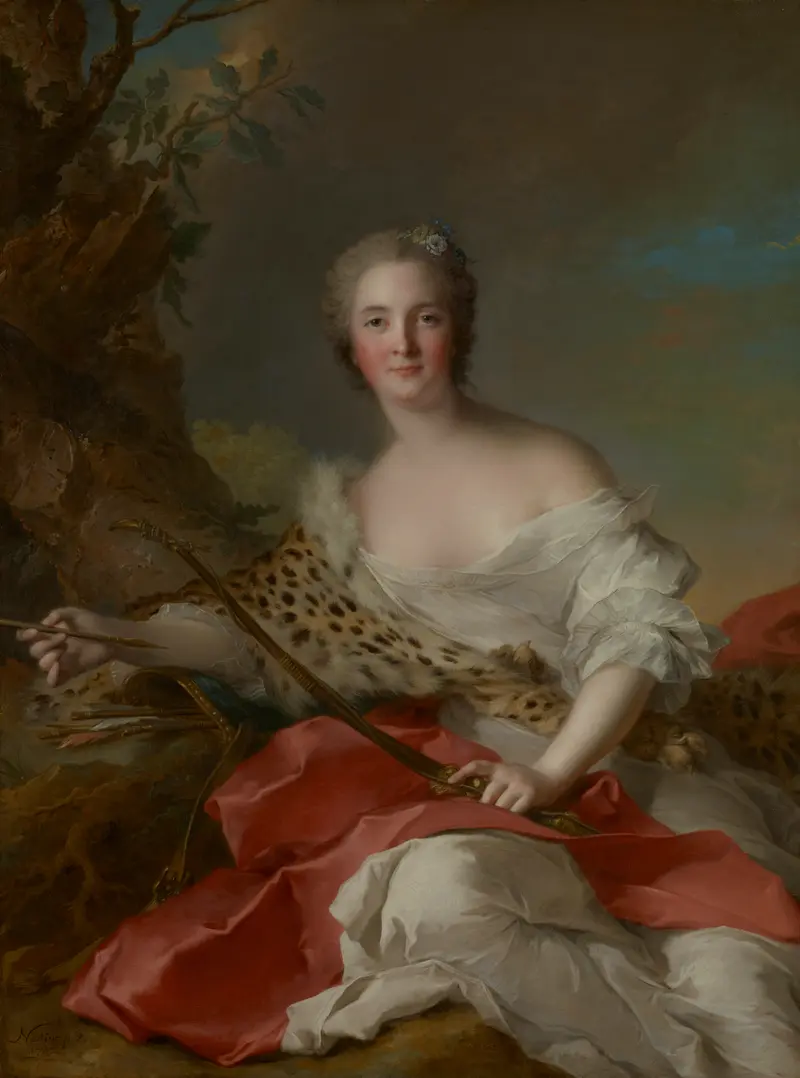
Portrait of Madame Bonnier de la Mosson as Diana (Constance-Gabrielle-Magdeleine du Monciel de Lauraille
Jean-Marc Nattier
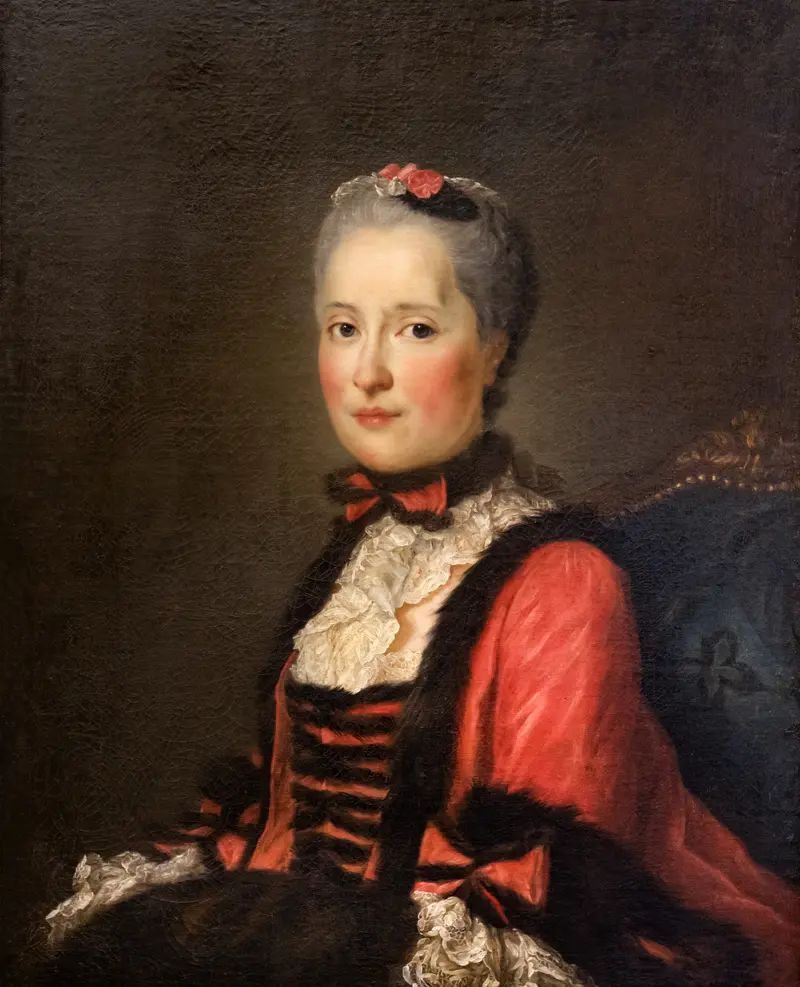
Portrait of Marie-Josephe of Saxony, Dauphine of France
Jean-Marc Nattier
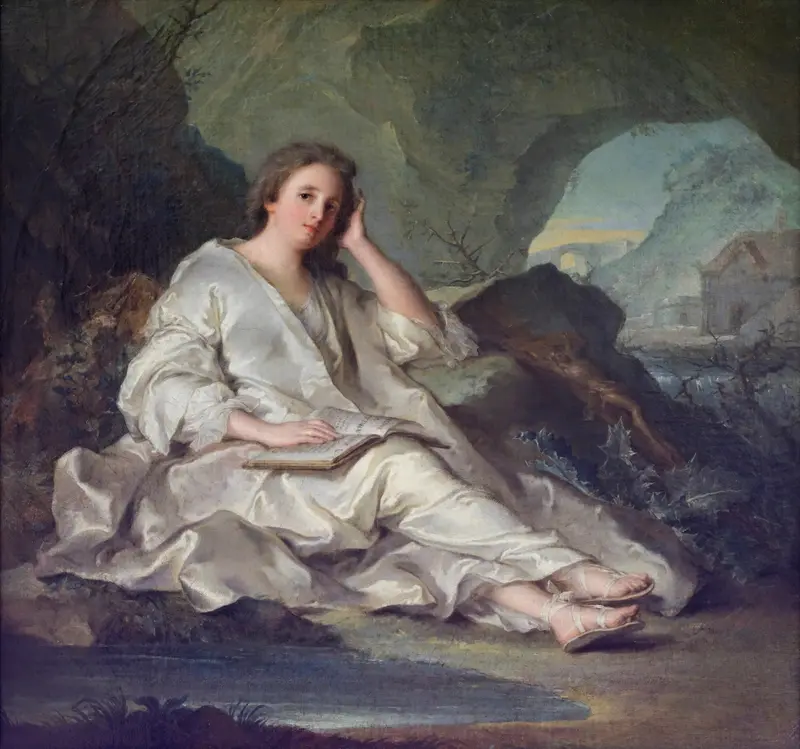
La Madeleine, ou Une Pénitente dans le désert Musée du Louvre Peintures INV 6880 ; MR
Jean-Marc Nattier
Princess Anne-Henriette of France - The Fire
Jean-Marc Nattier
More Genre Scene Art

Banquet of the Officers of the St George Civic Guard
Frans Hals

Rembrandt and Saskia in the Scene of the Prodigal Son
Rembrandt van Rijn

Bal du moulin de la Galette
Pierre-Auguste Renoir

Quadrille at the Moulin Rouge
Henri de Toulouse-Lautrec

A Burial at Ornans
Gustave Courbet

When Will You Marry?
Paul Gauguin