
The Musical Contest — History & Facts
In 1754, Jean-Honoré Fragonard won the prestigious Prix de Rome with The Musical Contest, a victory that launched his career and secured his place among the leading artists of his generation. The painting was submitted to the Académie Royale de Peinture et de Sculpture as his morceau de concours, the required competition piece for the prize. This early success granted Fragonard the opportunity to study in Italy, a formative experience that would shape his later Rococo style.
The work itself, however, is rarely seen today, as its current whereabouts and medium remain uncertain, adding an air of mystery to its legacy. At the heart of The Musical Contest is a lively scene of youthful rivalry and charm: two elegantly dressed young women, each poised with a musical instrument, vie for the attention of a small, attentive audience. Fragonard captures the moment just as one performer finishes her song, her rival preparing to respond, while onlookers lean forward in anticipation. The delicate gestures—the tilt of a head, the fluttering hands—speak of both competition and camaraderie.
Sunlight spills across the figures, highlighting silk dresses and gilded instruments, drawing the viewer into the drama. Unlike the moralizing tone of Jean-Baptiste Greuze’s domestic scenes, Fragonard’s approach is light and playful, celebrating the pleasures of music and sociability. Although the painting’s precise history after the competition is unclear, its significance in Fragonard’s early career is well established. Winning the Prix de Rome allowed him to join the French Academy in Rome, where he absorbed the lessons of the Italian masters and developed the lively brushwork that would define his later works, such as The Swing.
Today, The Musical Contest is known primarily through descriptions and engravings, a testament to its impact despite its uncertain fate. It stands as a rare glimpse into the youthful ambitions and refined tastes of mid-eighteenth-century France, and into the beginnings of one of Rococo’s most spirited painters.
More Artworks by Jean-Honoré Fragonard
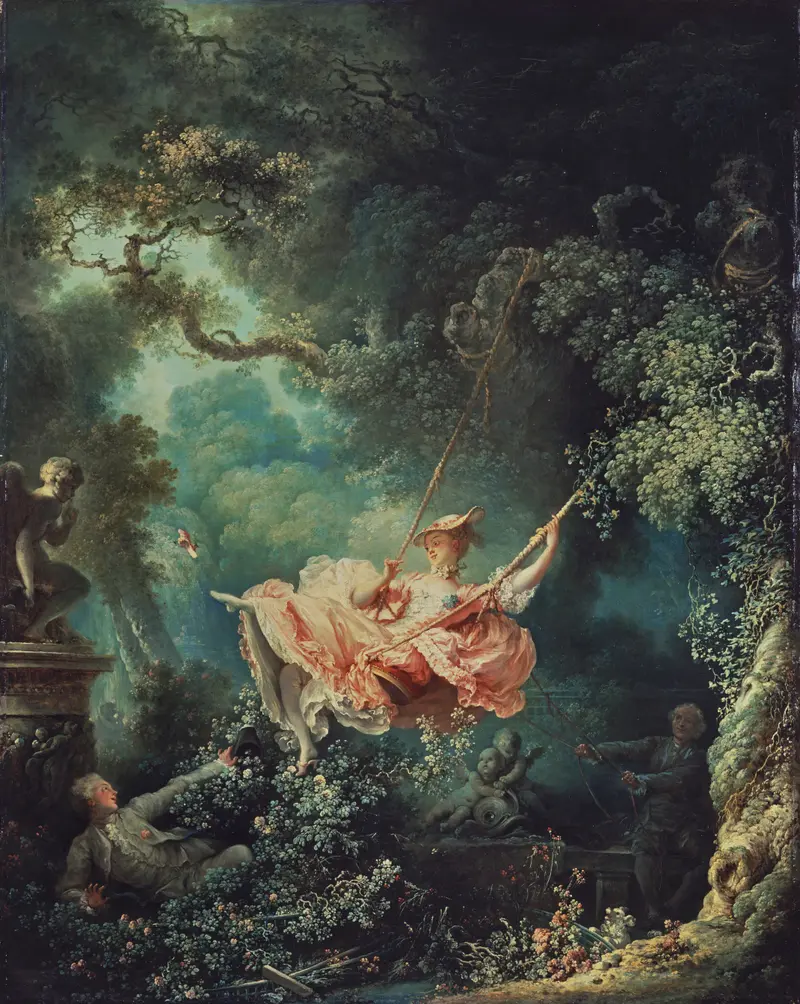
The Swing
Jean-Honoré Fragonard

The Swing
Jean-Honoré Fragonard
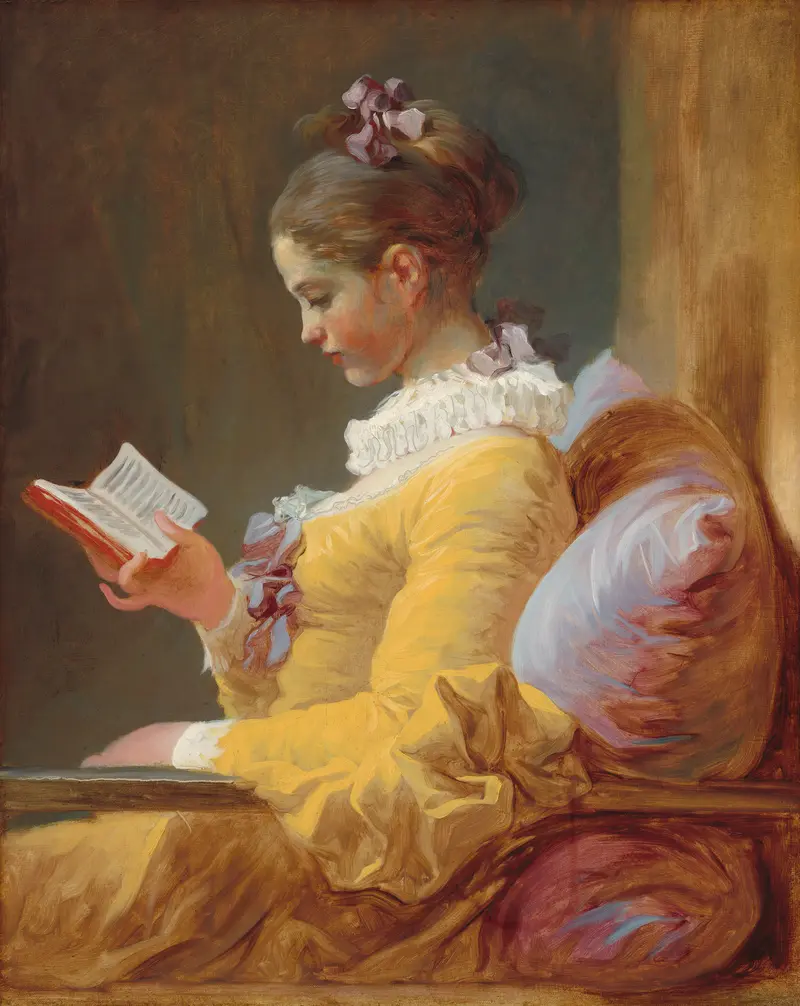
A Young Girl Reading
Jean-Honoré Fragonard
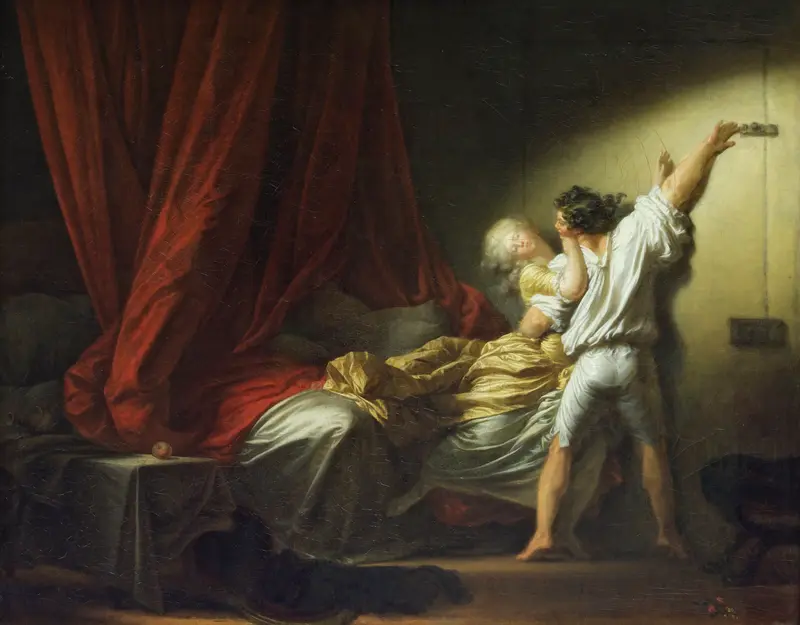
The Lock
Jean-Honoré Fragonard
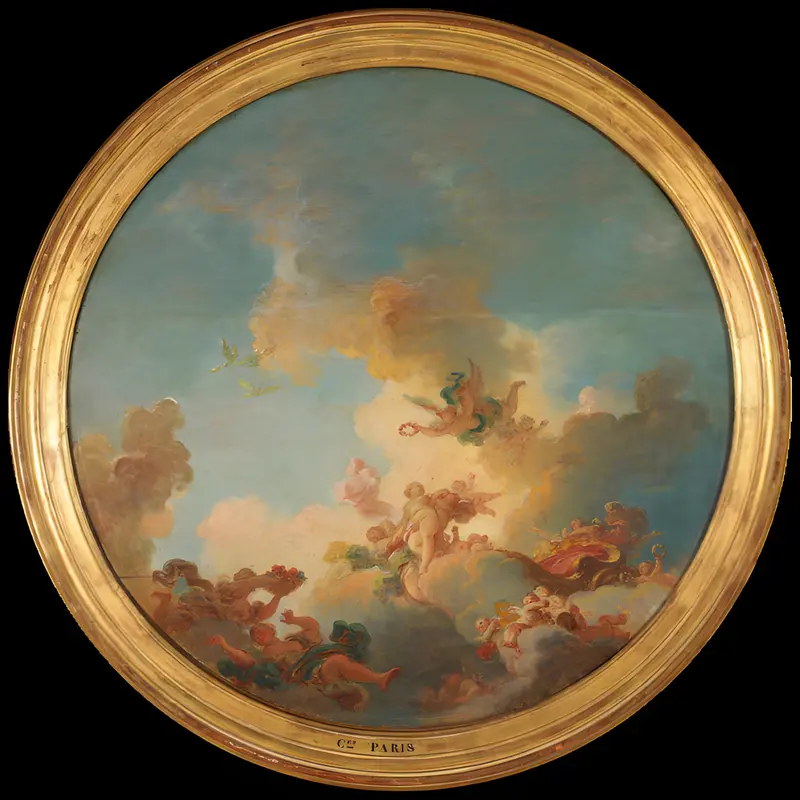
The Triumph of Venus
Jean-Honoré Fragonard
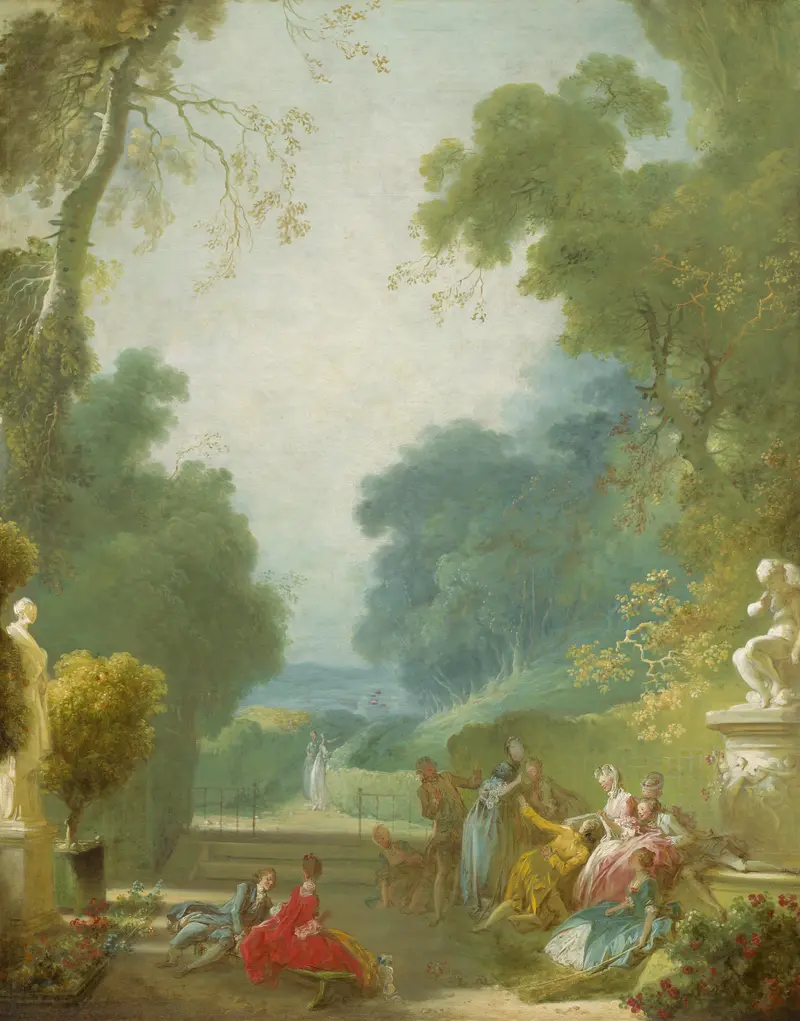
A Game of Hot Cockles
Jean-Honoré Fragonard
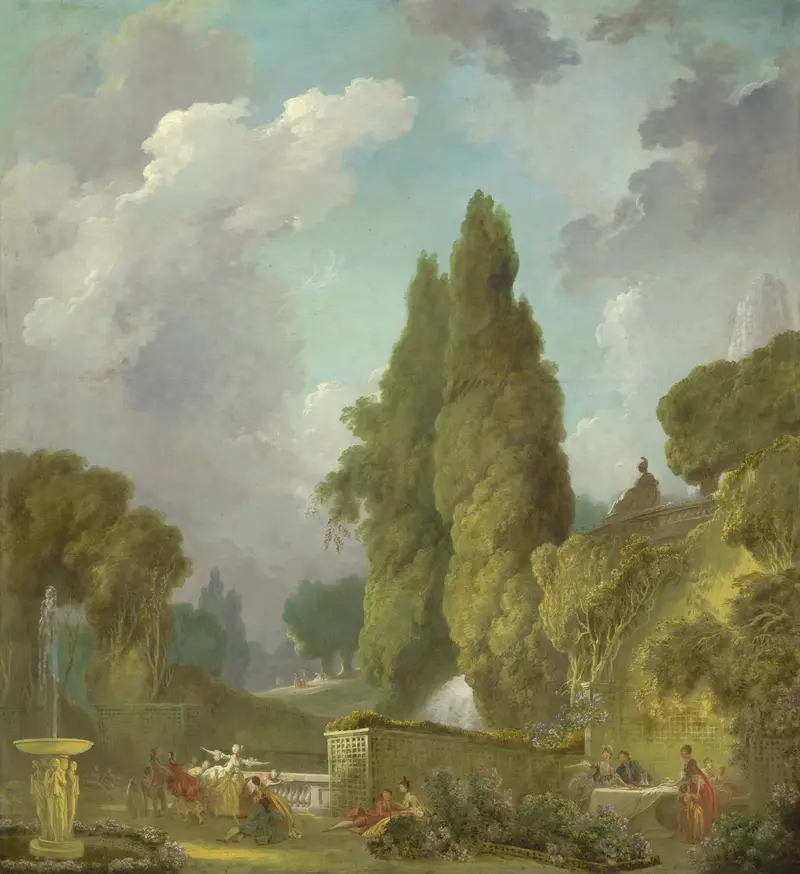
Blindman’s Buff
Jean-Honoré Fragonard
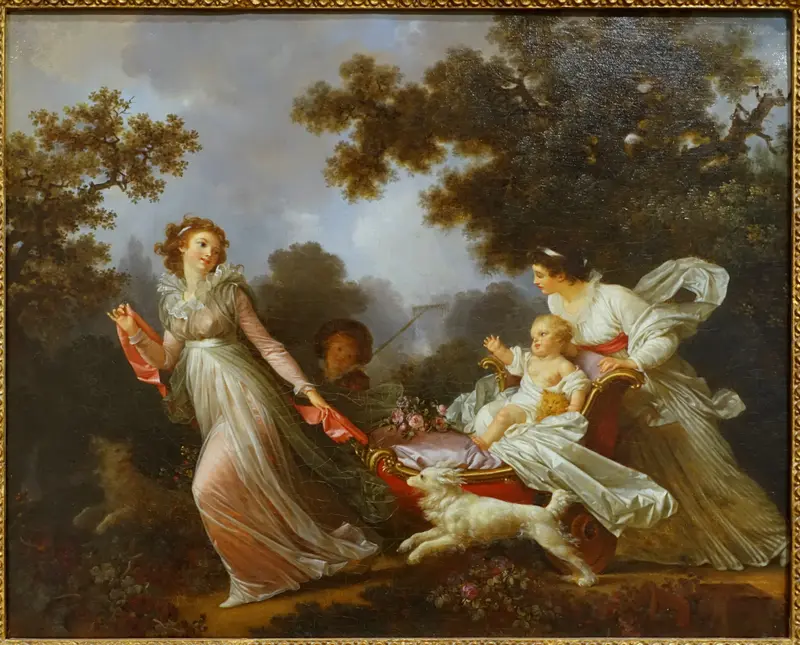
The Beloved Child
Jean-Honoré Fragonard
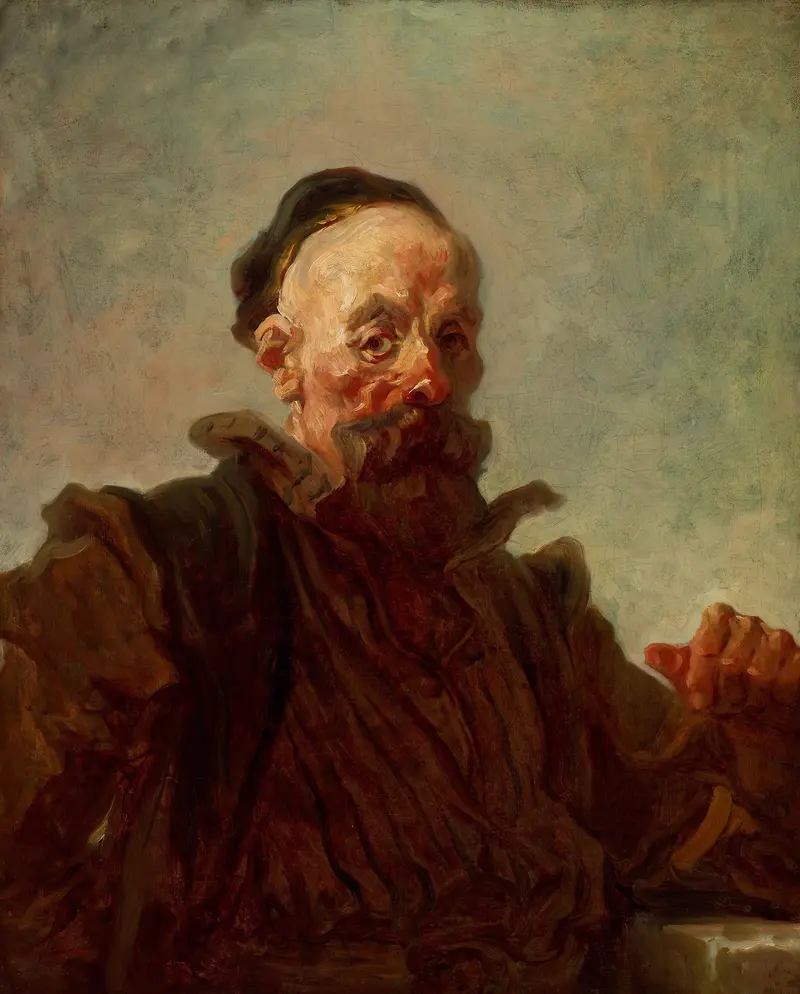
Portrait of a Man in Costume
Jean-Honoré Fragonard
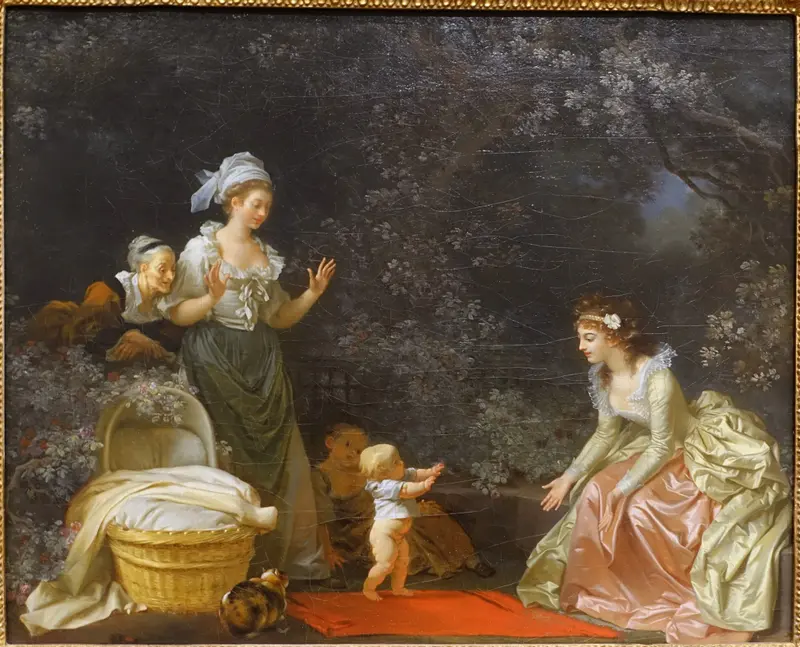
The First Steps
Jean-Honoré Fragonard
More Genre Scene Art

Banquet of the Officers of the St George Civic Guard
Frans Hals

Rembrandt and Saskia in the Scene of the Prodigal Son
Rembrandt van Rijn

Bal du moulin de la Galette
Pierre-Auguste Renoir

Quadrille at the Moulin Rouge
Henri de Toulouse-Lautrec

A Burial at Ornans
Gustave Courbet

When Will You Marry?
Paul Gauguin