
The Mystic Marriage of Saint Catherine — History & Facts
A hush of intimacy draws the viewer in: at the heart of the scene, a golden-haired young woman bows her head as the Christ Child, perched on his mother’s lap, delicately slips a ring onto her finger. The gentle convergence of hands and glances forms a quiet circle of attention, while the glow of orange and green garments sets the figures aglow against the cool, receding landscape. The palm frond in the young woman’s grasp marks her as Saint Catherine, and the ring—so small, so precisely rendered—signals her mystical union with Christ.
Around them, a cluster of elders and saints lean forward, their gestures guiding the eye toward the central exchange, their faces alive with a mixture of wonder and solemnity. Painted in 1512, this Mystic Marriage of Saint Catherine belongs to a moment when scenes of visionary devotion flourished in northern Italy. Such images were often commissioned for private chapels or convents, intended to inspire meditation on the mysteries of faith and the saints’ spiritual bonds. While little is recorded of this particular painting’s early history, its presence today in the Detroit Institute of Arts places it within a lineage of Renaissance works that blend the sacred and the everyday.
The artist’s careful orchestration of light, gesture, and color invites viewers to linger, tracing the threads of story and devotion that still bind the figures together.
More Artworks by Antonio da Correggio

Virgin and Child with the Young Saint John the Baptist
Antonio da Correggio
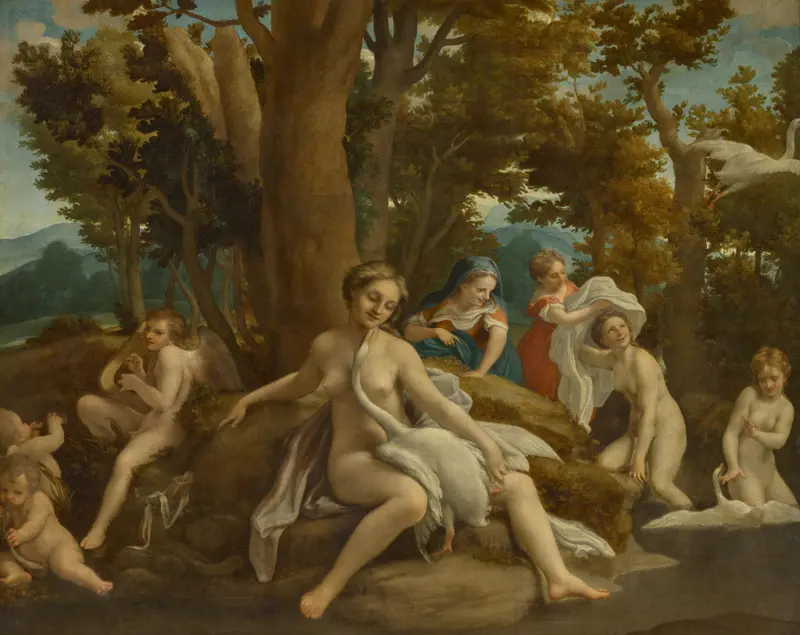
Leda and the Swan
Antonio da Correggio
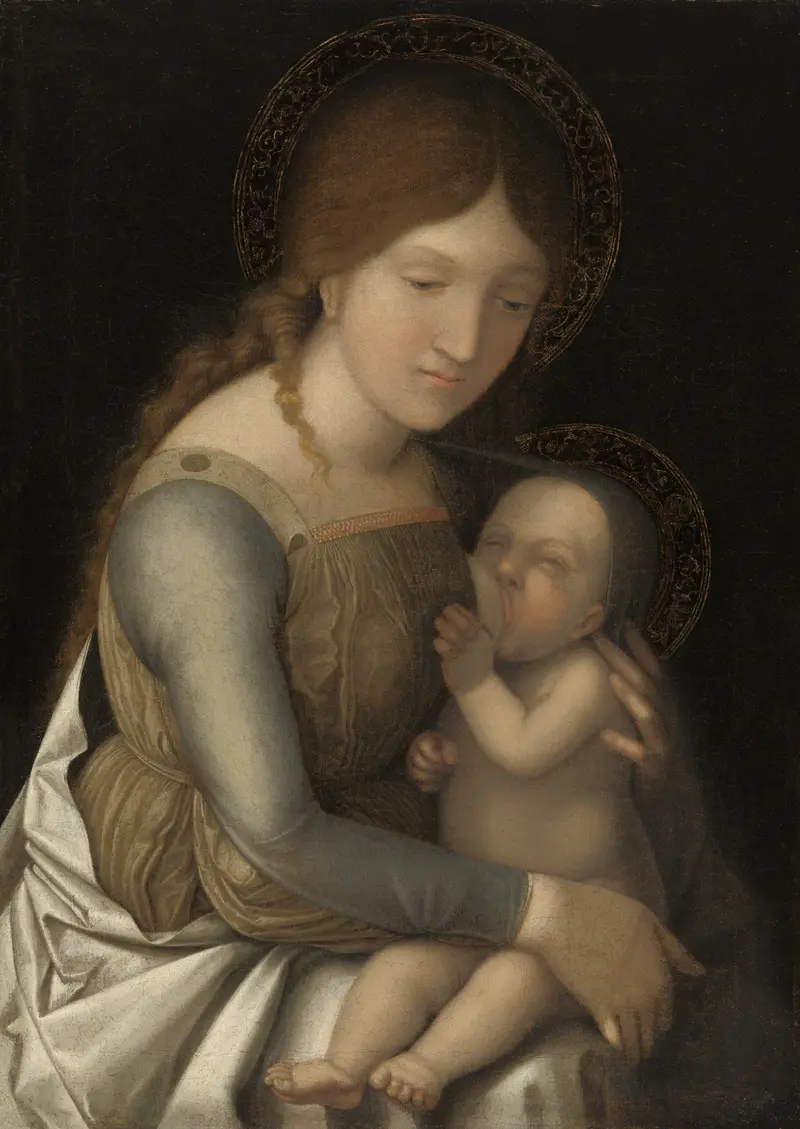
Madonna and Child
Antonio da Correggio
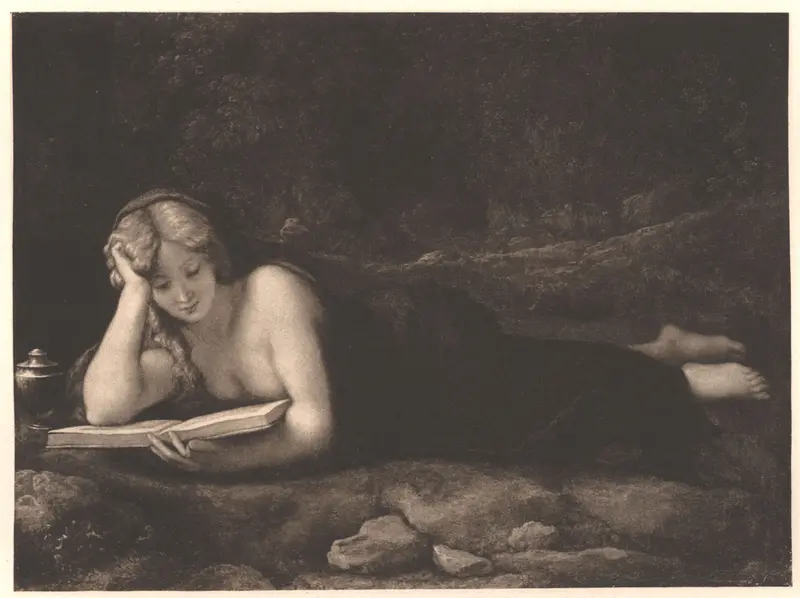
Penitent Magdalene
Antonio da Correggio
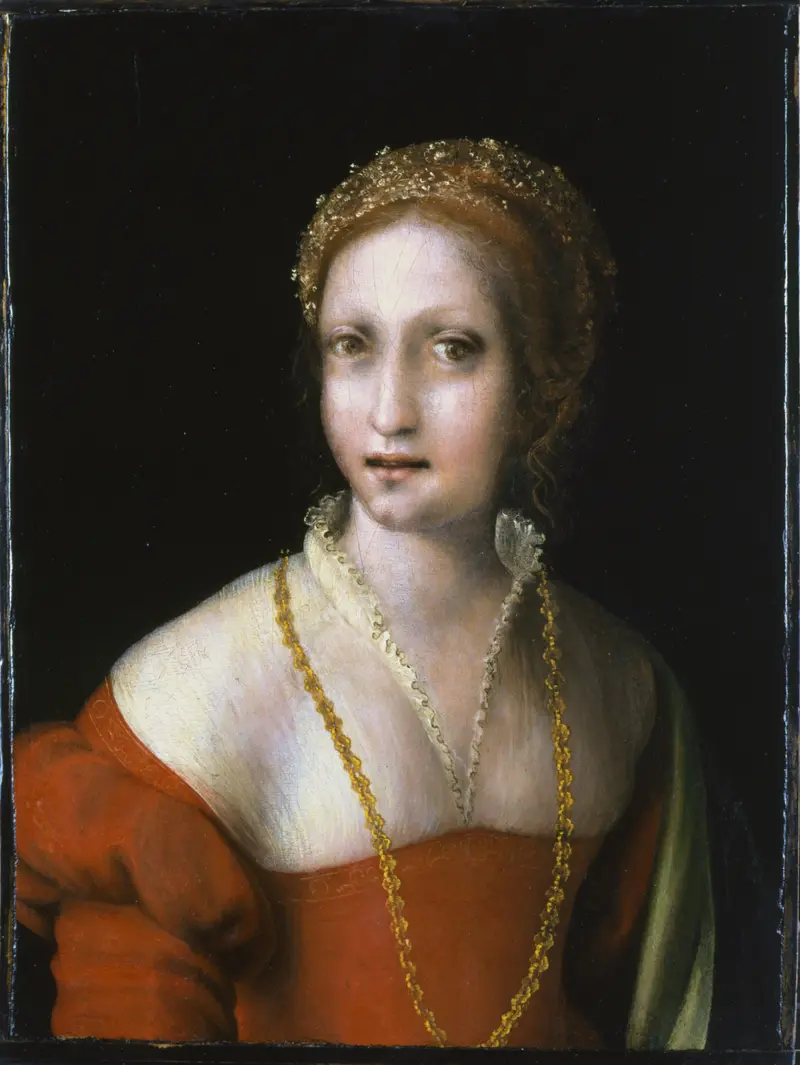
Portrait of a Young Girl
Antonio da Correggio
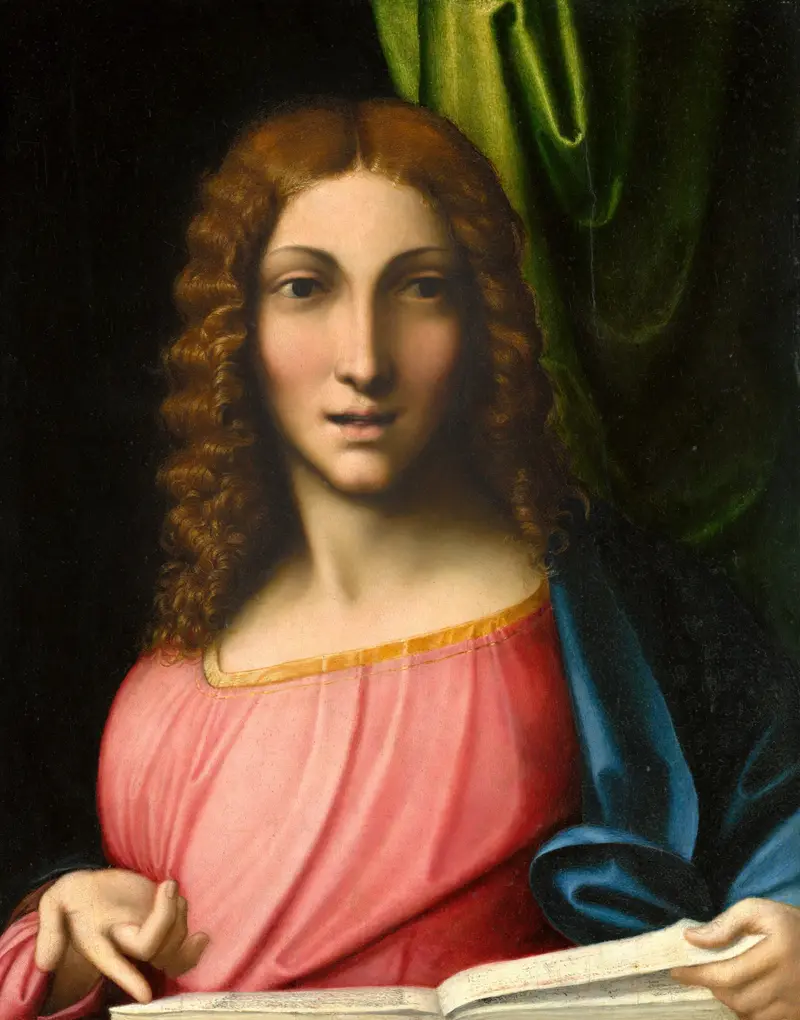
Christ in the Temple
Antonio da Correggio

Nativity
Antonio da Correggio
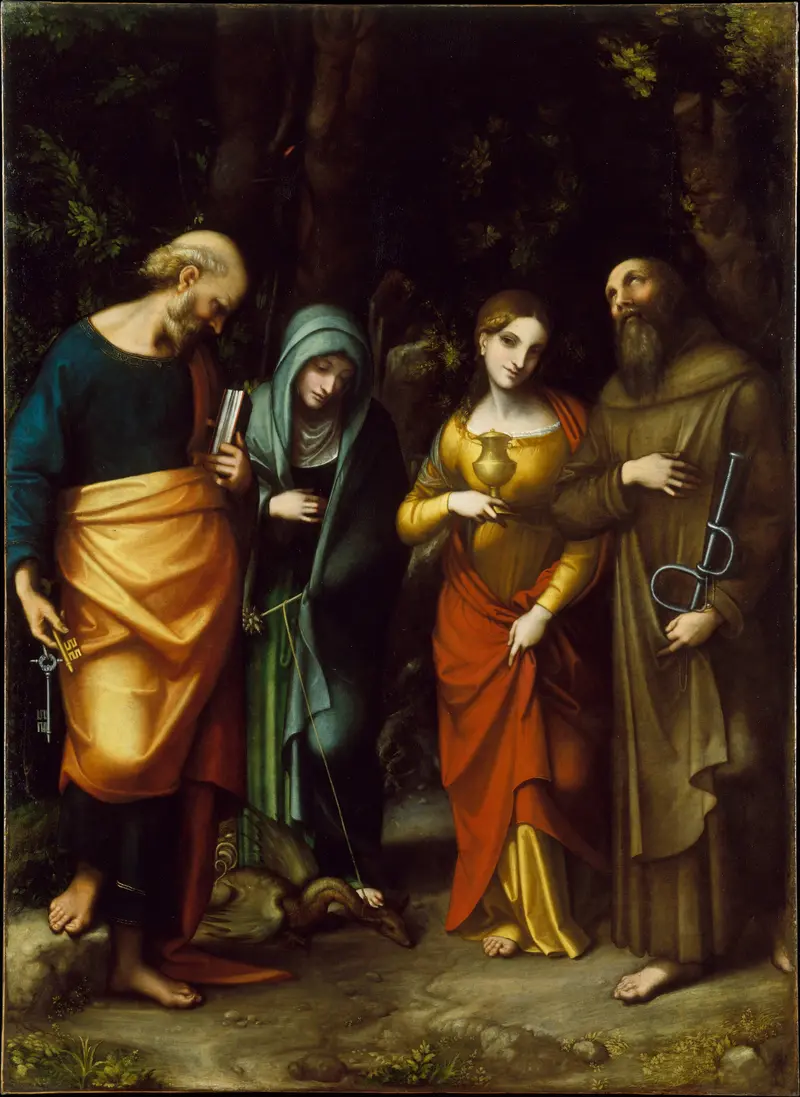
Saints Peter, Martha, Mary Magdalen, and Leonard
Antonio da Correggio
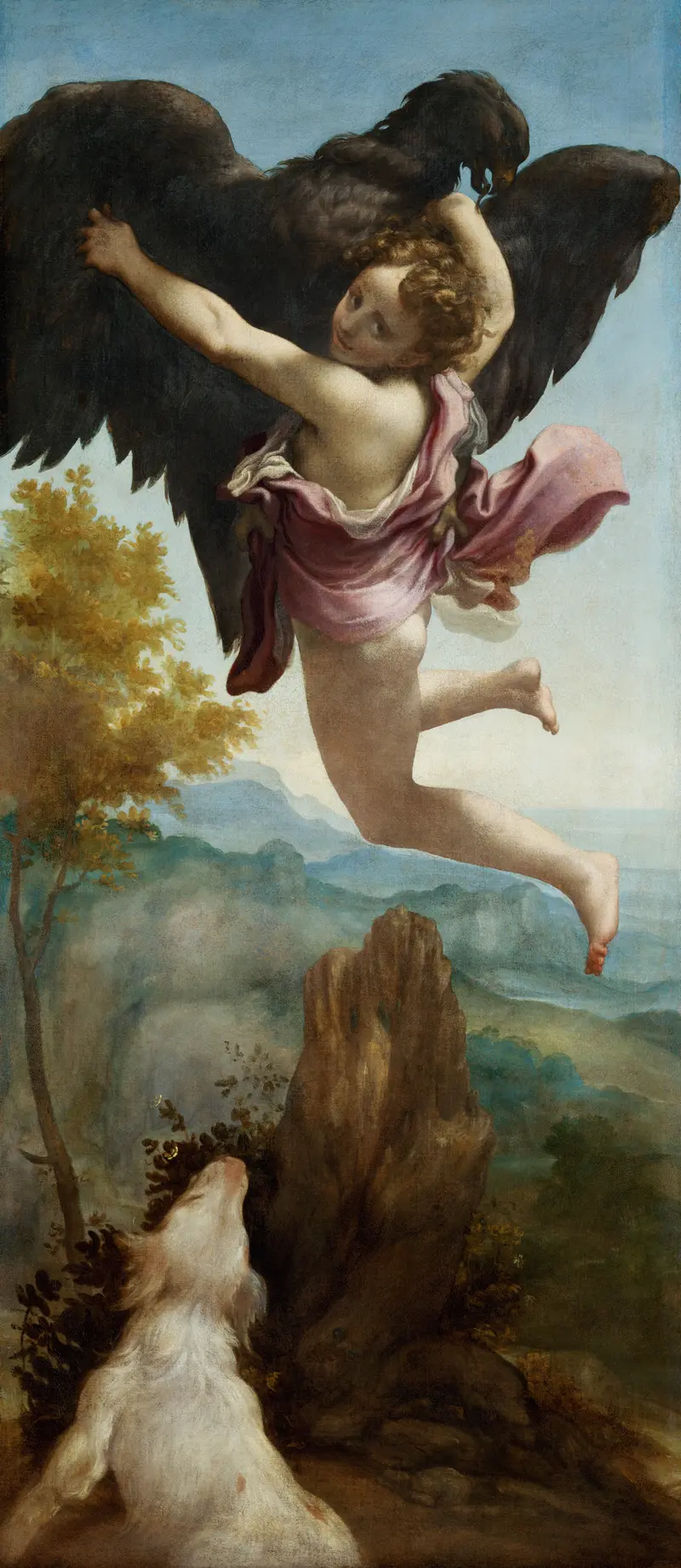
The Loves of Jupiter
Antonio da Correggio

Study for the "Madonna della Scodella" [recto]
Antonio da Correggio





