
The Night Patrol — History & Facts
Can beauty exist without sorrow? In Félix Hilaire Buhot's The Night Patrol, the answer unfolds like twilight over the serene yet haunting landscape. Focus on the soft blue-gray hues that dominate the canvas, drawing you towards the haunting figure of the patrolling officer. The brushwork is delicate, creating a sense of movement beneath the stillness of the night sky, where fleeting clouds whisper secrets to the moon. Notice how the shimmering light reflects off the cobblestones, illuminating the contours of a world caught between dream and reality, urging your eyes to dance with the shadows that linger just beyond the reach of the lantern's glow. Yet, upon closer inspection, the scene reveals layered emotions.
The solitary officer, cloaked in the night, embodies both vigilance and isolation, a guardian who stands sentinel over a city that sleeps unaware. The juxtaposition of the calm, quiet evening and the watchful presence hints at an underlying tension; peace is intertwined with the potential for conflict. This interplay invites contemplation on the nature of duty and the sacrifices made in silence, where each brushstroke carries the weight of both beauty and melancholy. In 1878, Buhot was immersed in a transitional period of art, grappling with Impressionism's influence while remaining anchored in the traditions of printmaking.
Created in France, this work emerged amidst a turbulent era marked by social change and artistic experimentation. Buhot's exploration of light and shadow reflects not just the external world, but also his own internal landscape, capturing fleeting moments that resonate with the passage of time and human experience.
More Artworks by Félix Hilaire Buhot
Browse all →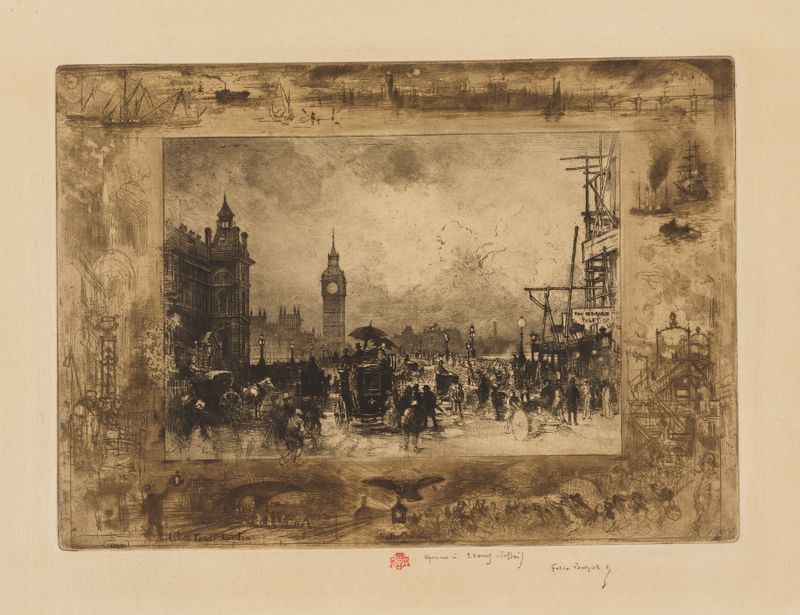
Westminster Bridge, or Westminster Clock Tower
Félix Hilaire Buhot
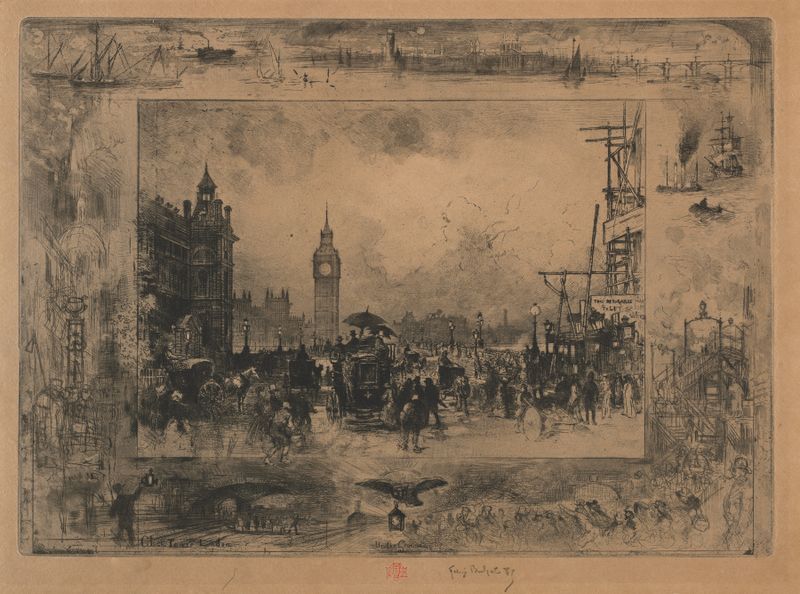
Westminster Bridge, or Westminster Tower
Félix Hilaire Buhot
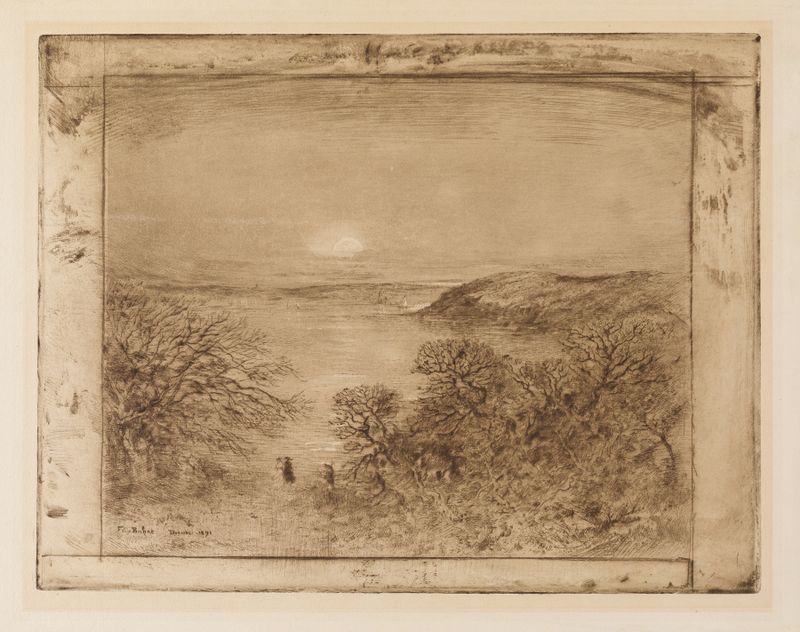
Moonrise at Dinard
Félix Hilaire Buhot
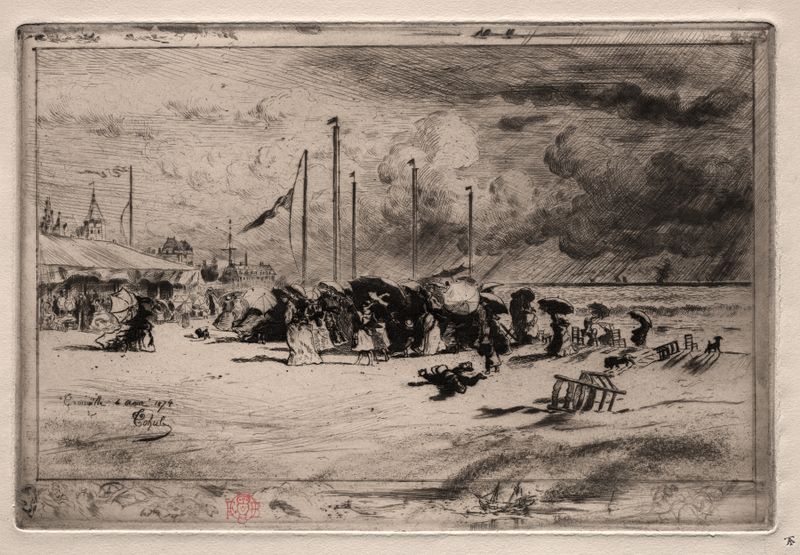
A Squall at Trouville
Félix Hilaire Buhot
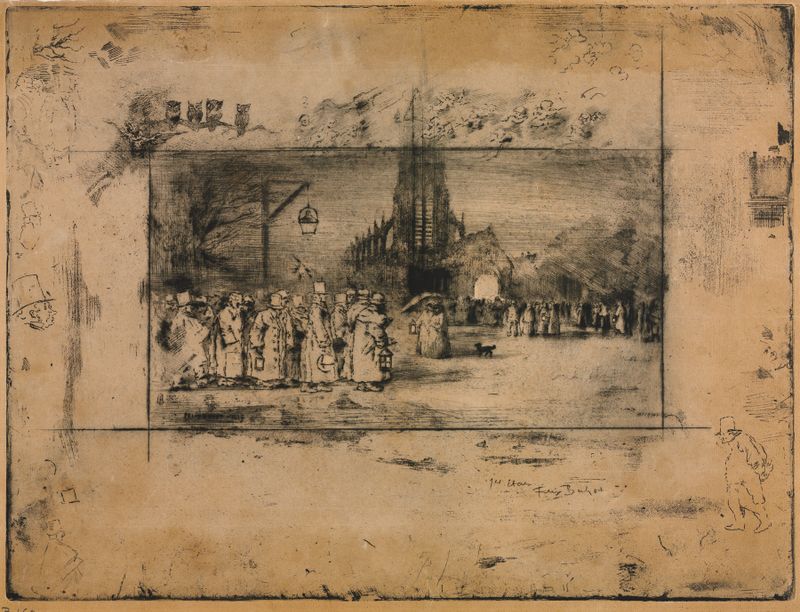
The Midnight Mass
Félix Hilaire Buhot
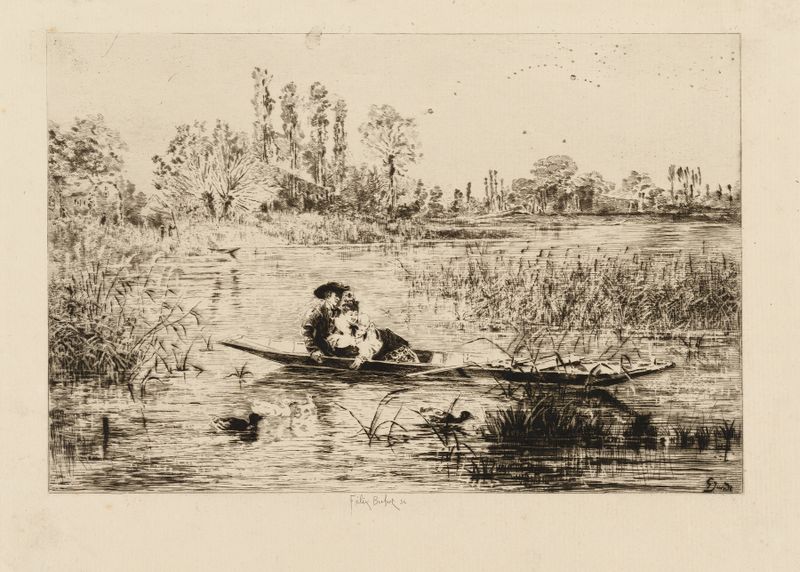
On the Thread of the Water
Félix Hilaire Buhot
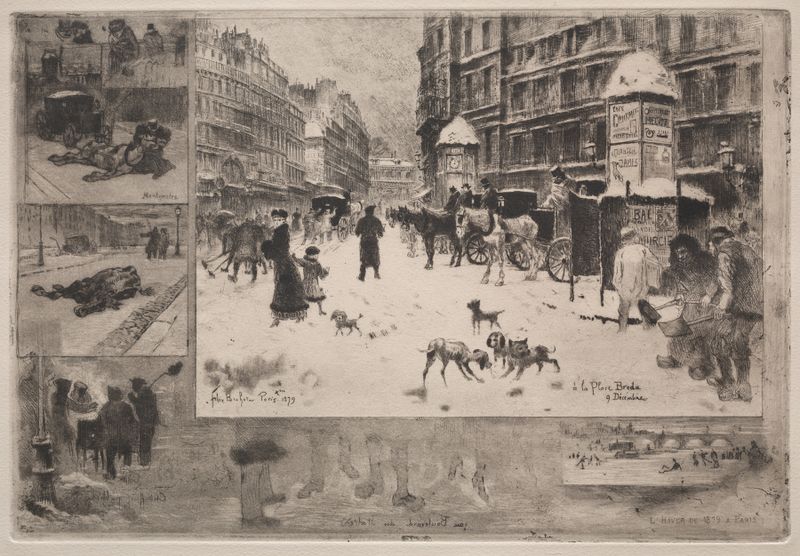
Winter in Paris
Félix Hilaire Buhot
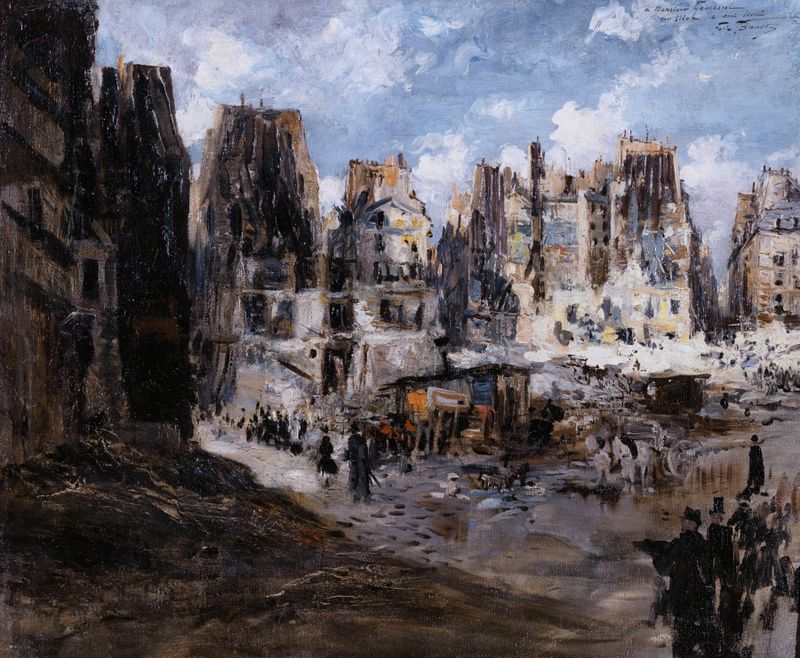
Le percement de l’avenue de l’Opéra.
Félix Hilaire Buhot
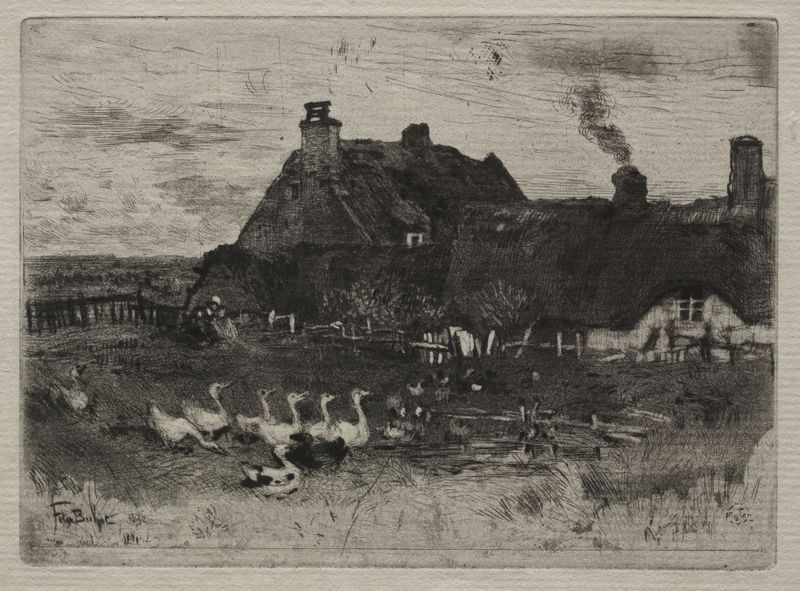
Thatched Cottages
Félix Hilaire Buhot
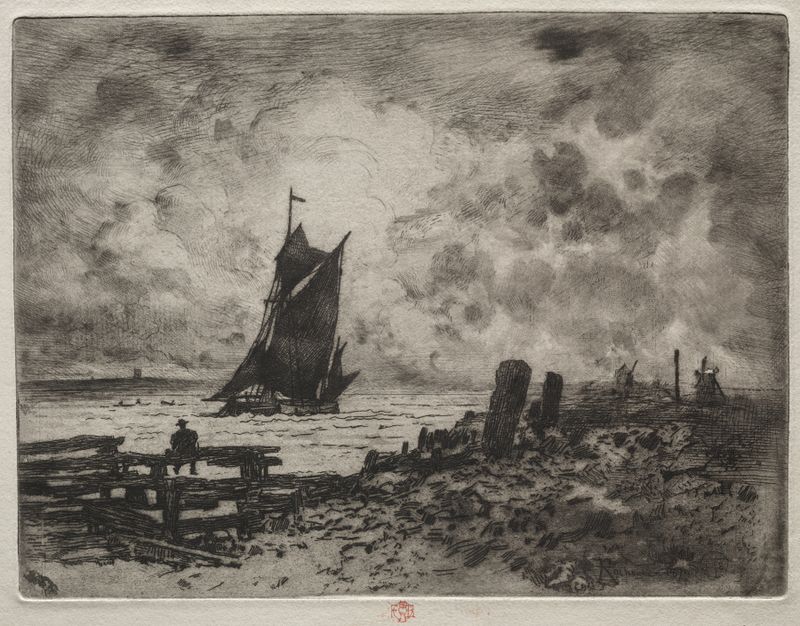
The Little Marine; Souvenir of Medway
Félix Hilaire Buhot





