
The Nymph at the Fountain — History & Facts
What first draws the eye in The Nymph at the Fountain is not the mythic figure herself, but the sense of stillness that radiates from her slumber. The nymph lies in the foreground, her body curving gently across the grass, one arm tucked behind her head, the other draped languidly at her side. The painter, Lucas Cranach the Elder, uses the cool, even light to caress her skin, setting off the delicate flush of her cheeks and the subtle shadows that describe her form.
A crimson drapery beneath her head acts as both pillow and accent, its color echoed in the quiver and bow that hang from a nearby tree. The inscription above, rendered in crisp, classical capitals, cautions the viewer not to disturb her sacred rest—an invitation to look, but not to touch. The world behind her is a carefully constructed stage. A spring bubbles from the rocks, feeding a pond that mirrors the sky and leads the eye into the deep green woods beyond, where deer graze quietly.
Two birds peck at the grass near her feet, their presence a reminder of the nymph’s connection to the natural world. The composition balances the nymph’s exposed vulnerability with emblems of her power: the bow and arrows, set aside, hint at her identity as both guardian and quarry. Cranach’s treatment of the nude is distinct from his Italian contemporaries—where a Titian Venus might luxuriate in sensuality, Cranach’s figures often seem alert, even in repose, their modesty signaled by a direct gaze or, as here, by the protective text above. Works like this, created around 1530, reflect the tastes of the courts and collectors of the German Renaissance, who prized mythological subjects as vehicles for both moral reflection and private delight.
The Nymph at the Fountain now resides in the Museo Thyssen-Bornemisza in Madrid, a testament to the enduring fascination with Cranach’s blend of Northern precision and classical fantasy. Though the details of its early history remain obscure, its presence in a major collection ensures that the nymph’s quiet vigil continues—her sleep undisturbed, her story waiting for each new visitor to discover.
More Artworks by Lucas Cranach the Elder

Martin Luther
Lucas Cranach the Elder
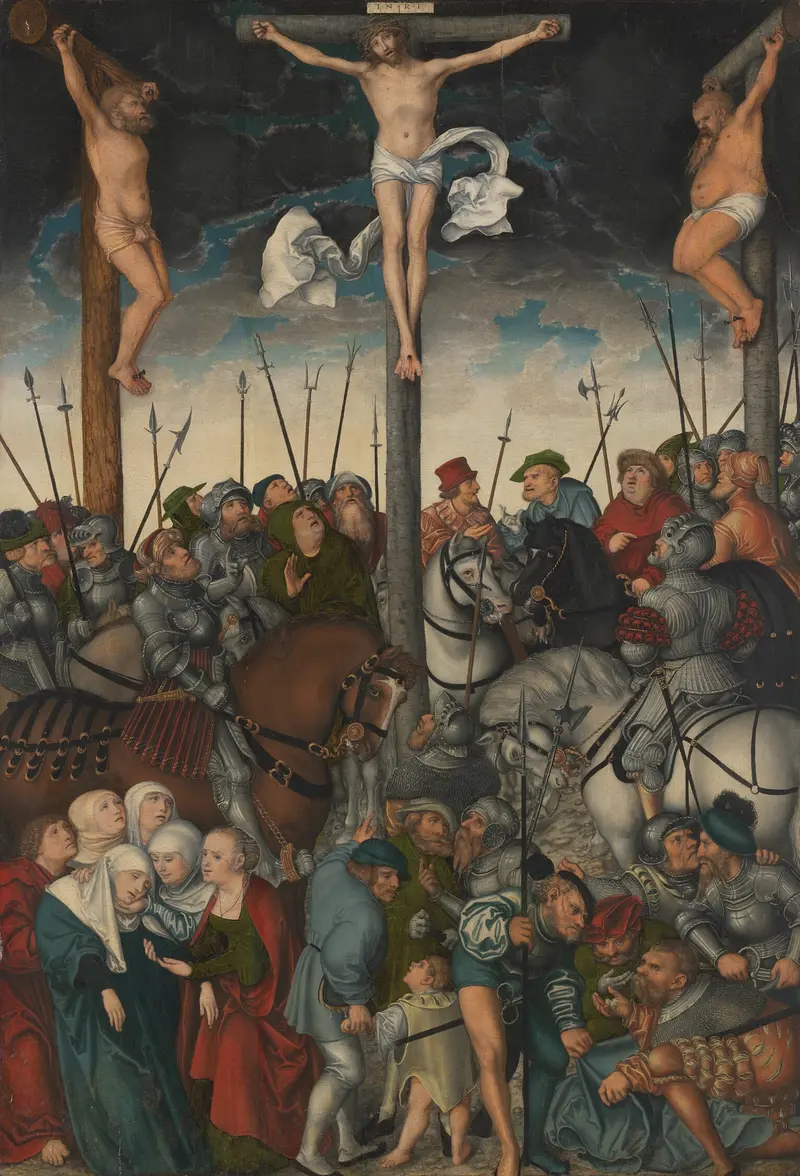
The Crucifixion
Lucas Cranach the Elder
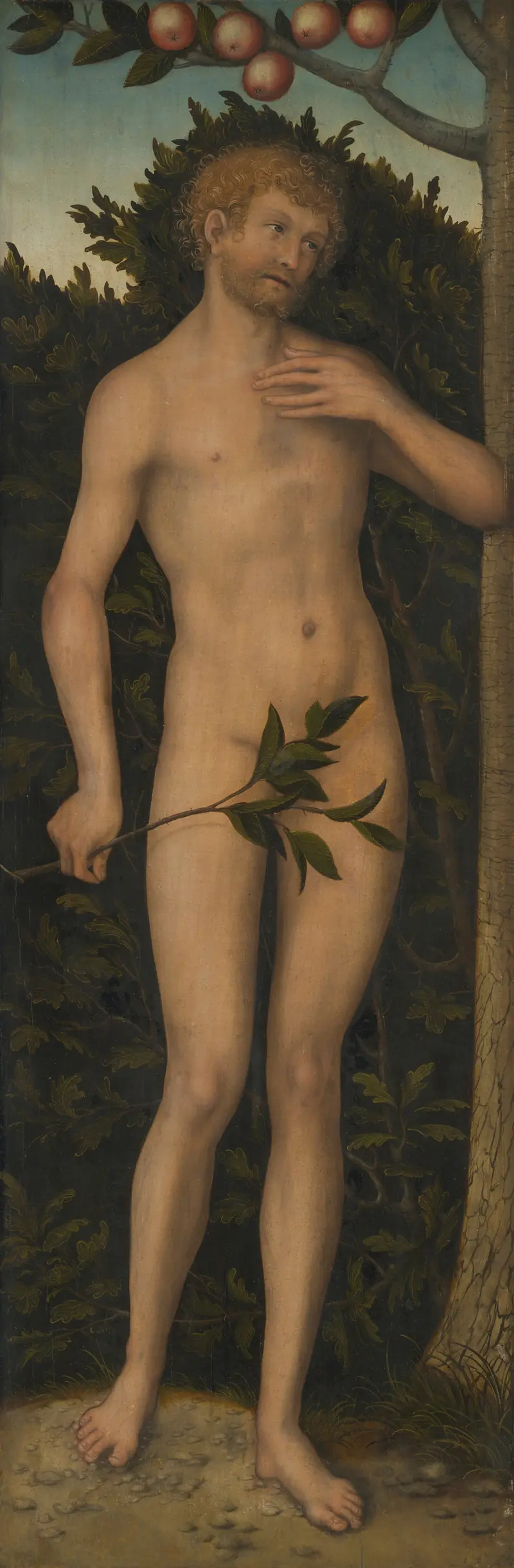
Adam
Lucas Cranach the Elder
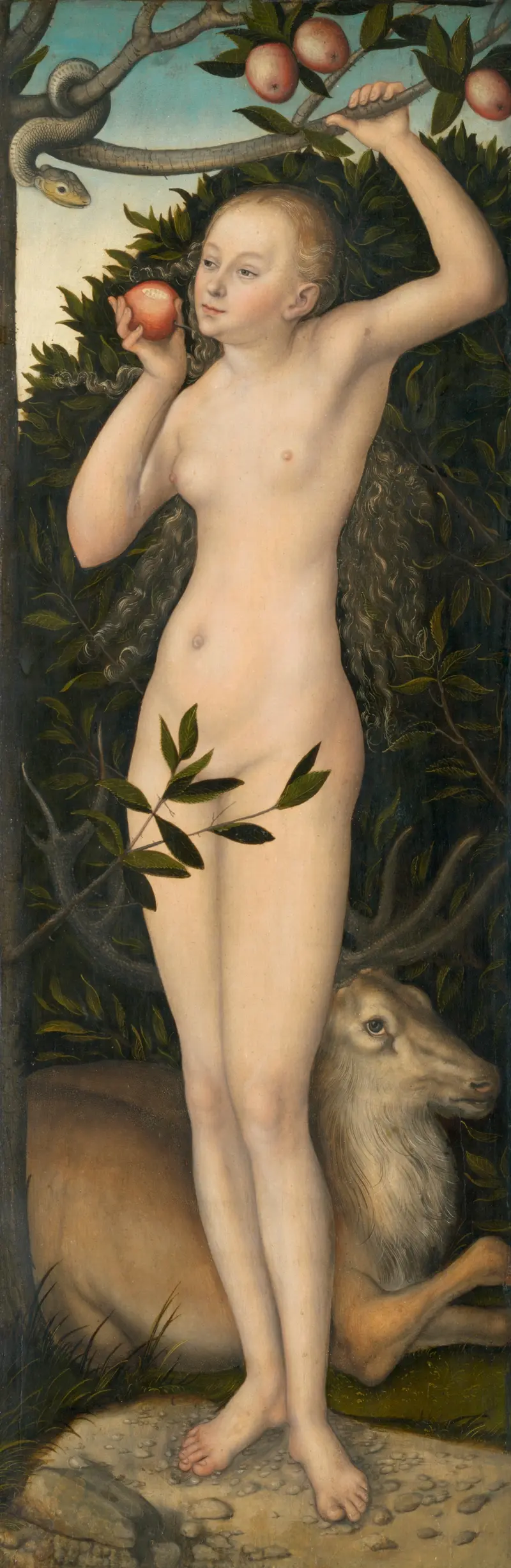
Eve
Lucas Cranach the Elder
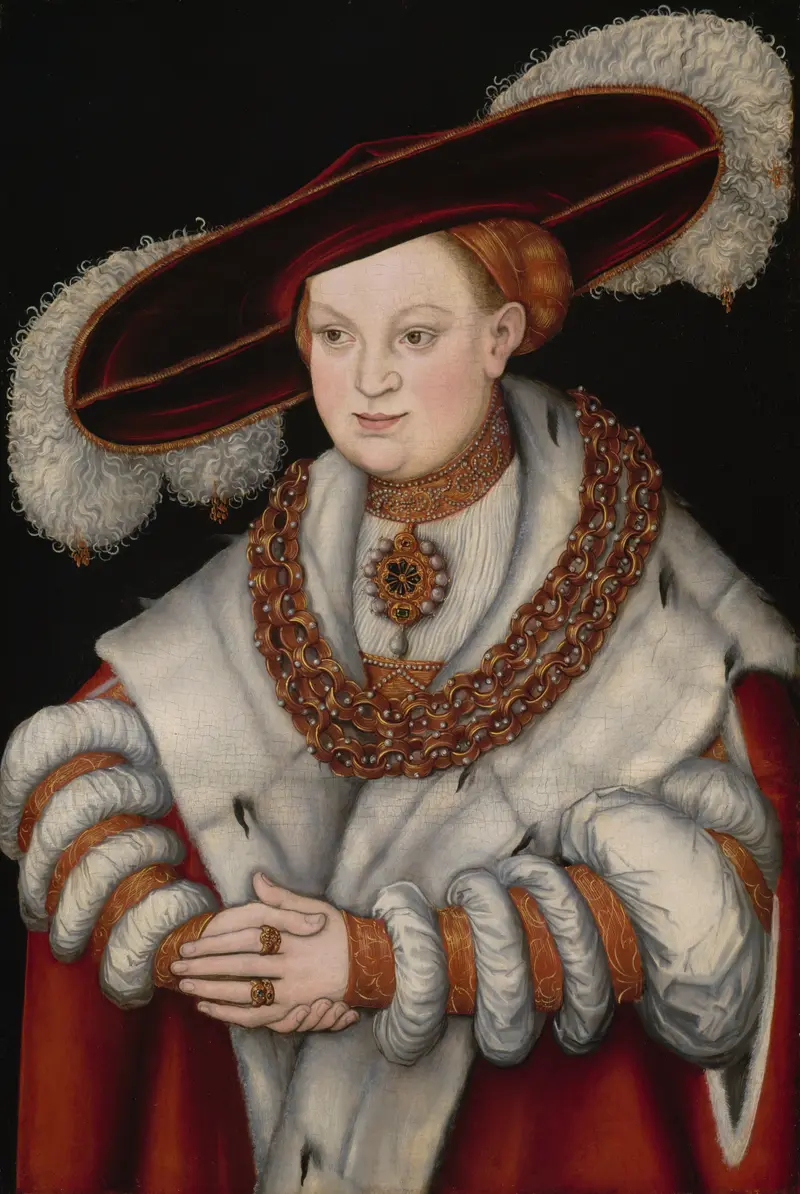
Portrait of Magdalena of Saxony, Wife of Elector Joachim II of Brandenburg
Lucas Cranach the Elder
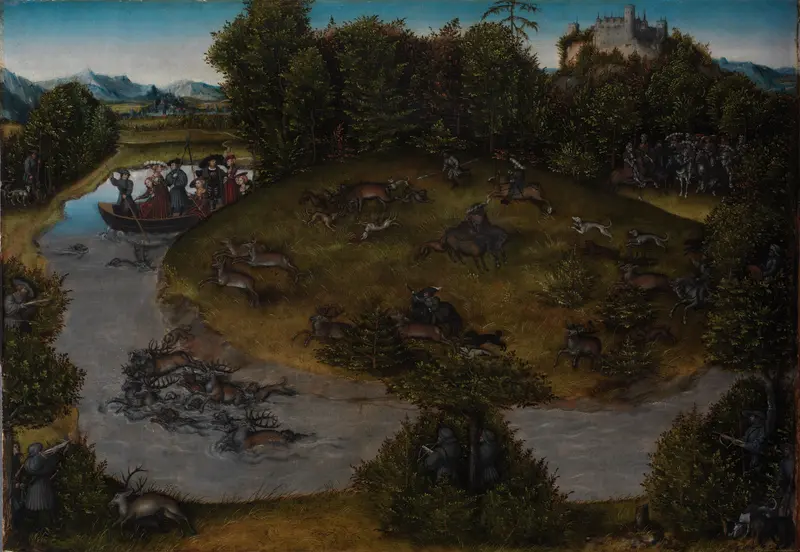
The Stag Hunt of the Elector Frederic the Wise (1463-1525) of Saxony
Lucas Cranach the Elder
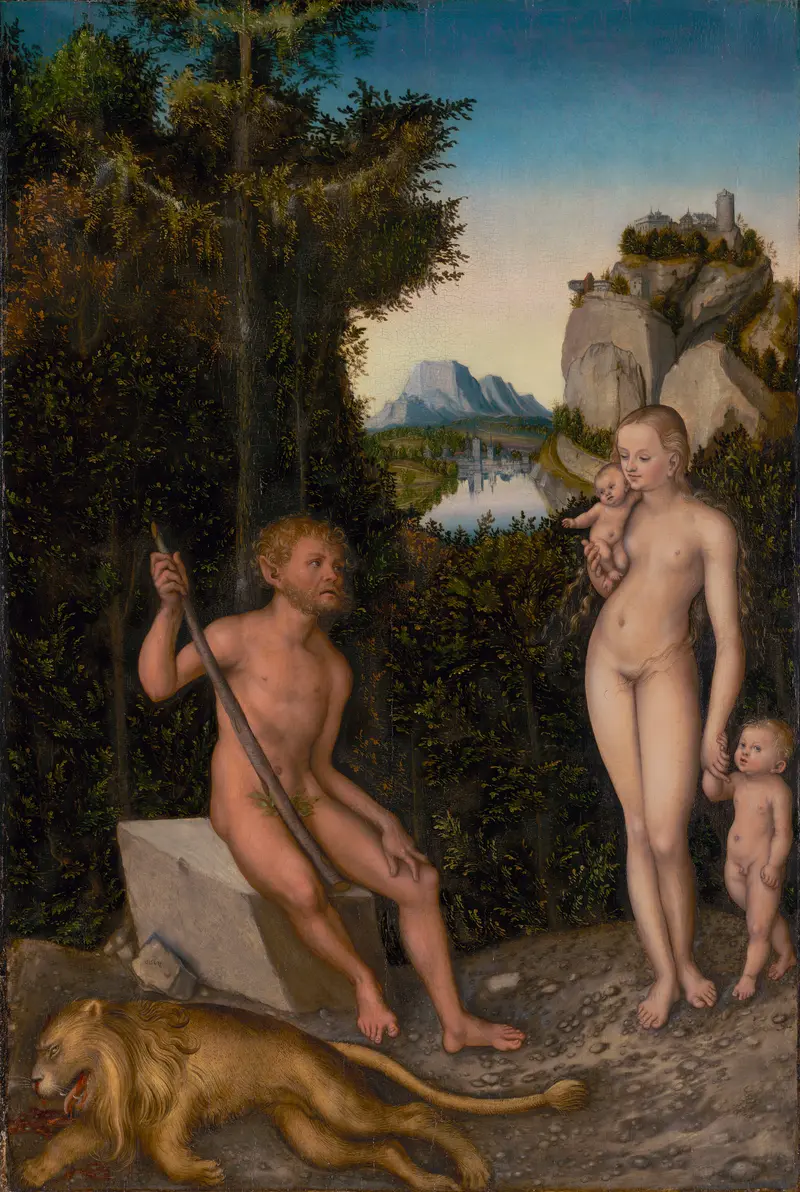
A Faun and His Family with a Slain Lion
Lucas Cranach the Elder
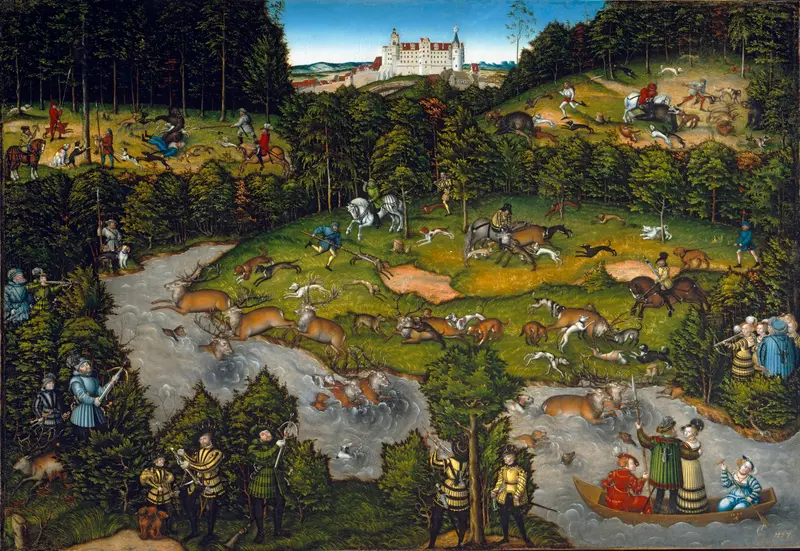
Hunting near Hartenfels Castle
Lucas Cranach the Elder
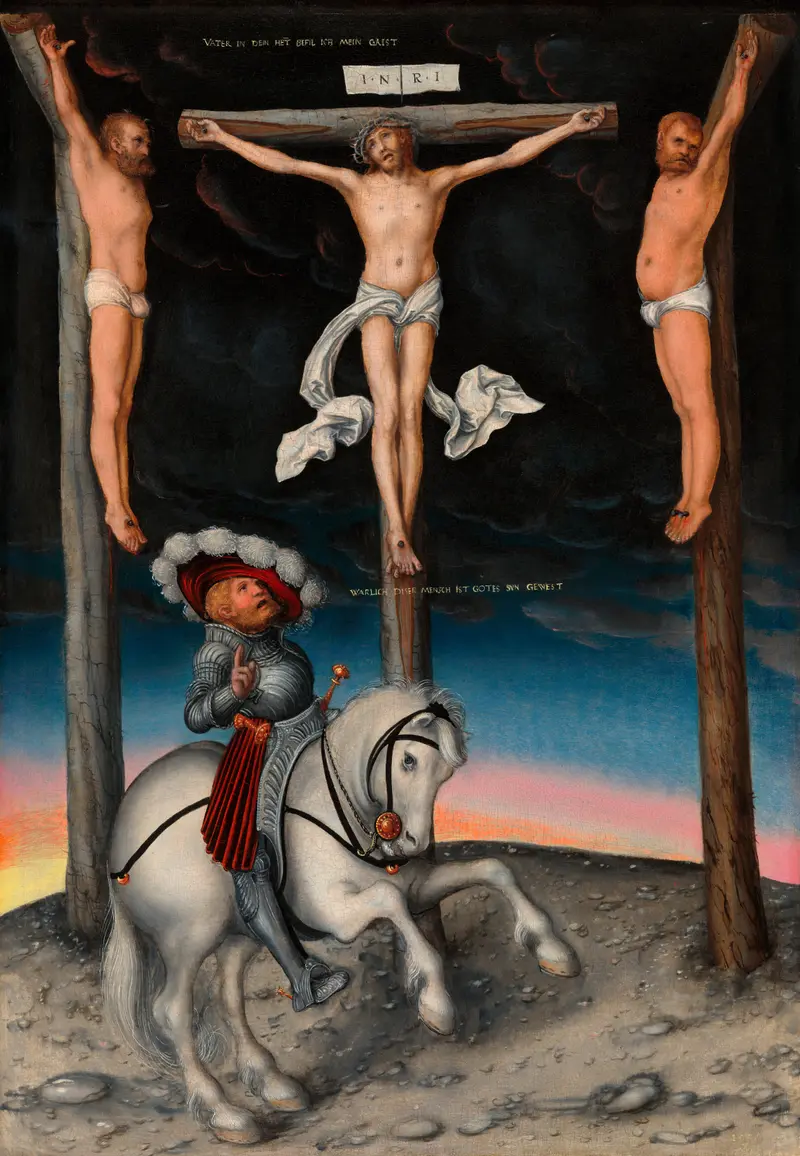
The Crucifixion with the Converted Centurion
Lucas Cranach the Elder
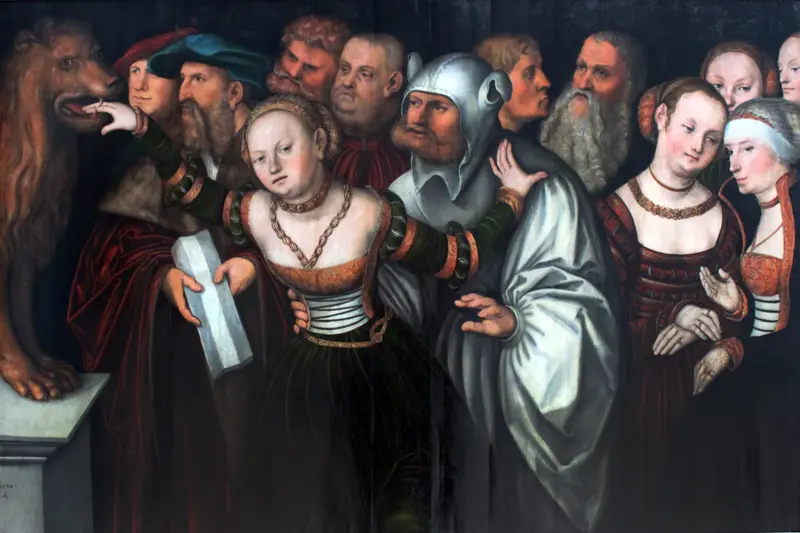
The Fable of the Mouth of Truth
Lucas Cranach the Elder





