
The Oath of Brutus after the Death of Lucretia — History & Facts
In the turbulent summer of 1815, as France reeled from the fall of Napoleon, a young Théodore Géricault painted The Oath of Brutus after the Death of Lucretia, seizing on a Roman legend that had electrified revolutionaries for decades. The story of Lucius Junius Brutus, who led the revolt against the last Roman king after the outrage against Lucretia, was a rallying cry for those who dreamed of liberty over tyranny. Géricault’s choice was no accident: the theme of righteous rebellion echoed through France’s own recent history, and the painting’s exhibition at the Paris Salon that year placed it squarely in the public eye at a moment of national reckoning. Géricault freezes the drama at the instant Brutus, sword in hand, swears vengeance over Lucretia’s lifeless body, surrounded by grieving Romans.
The stark gestures—Brutus’s outstretched arm, the companions’ raised hands—signal the binding oath that will topple a monarchy. The fallen Lucretia, draped in white, anchors the composition; her stillness contrasts with the tense, urgent figures above. Light pours onto her form, making her both martyr and catalyst.
Where Jacques-Louis David in his The Lictors Bring to Brutus the Bodies of His Sons focused on Brutus’s stoic suffering, Géricault’s version pulses with collective resolve, the moment of private grief transformed into public action. The precise medium of this work remains uncertain, though it is often described as an oil painting. The Oath of Brutus after the Death of Lucretia marks one of Géricault’s earliest forays into large-scale historical painting, preceding his more famous The Raft of the Medusa. While it did not secure a prize at the Salon, the painting established Géricault as a bold new voice within the shifting landscape of French art.
Its subsequent history is less well documented, and today it is seldom seen outside of specialist studies of the artist’s early career. Yet the painting stands as a testament to a restless moment in both French politics and Géricault’s own artistic journey.
More Artworks by Théodore Géricault
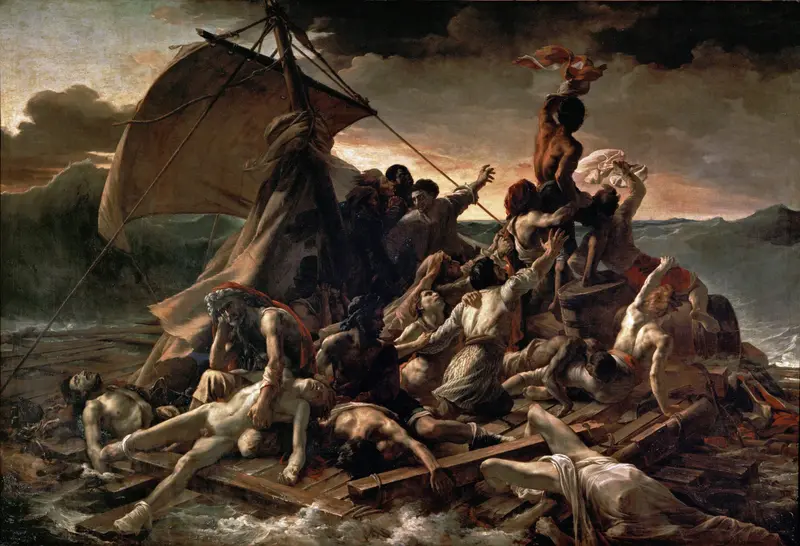
The Raft of the Medusa
Théodore Géricault

Géricault - Le naufrage du radeau de la Méduse, MBA 790
Théodore Géricault
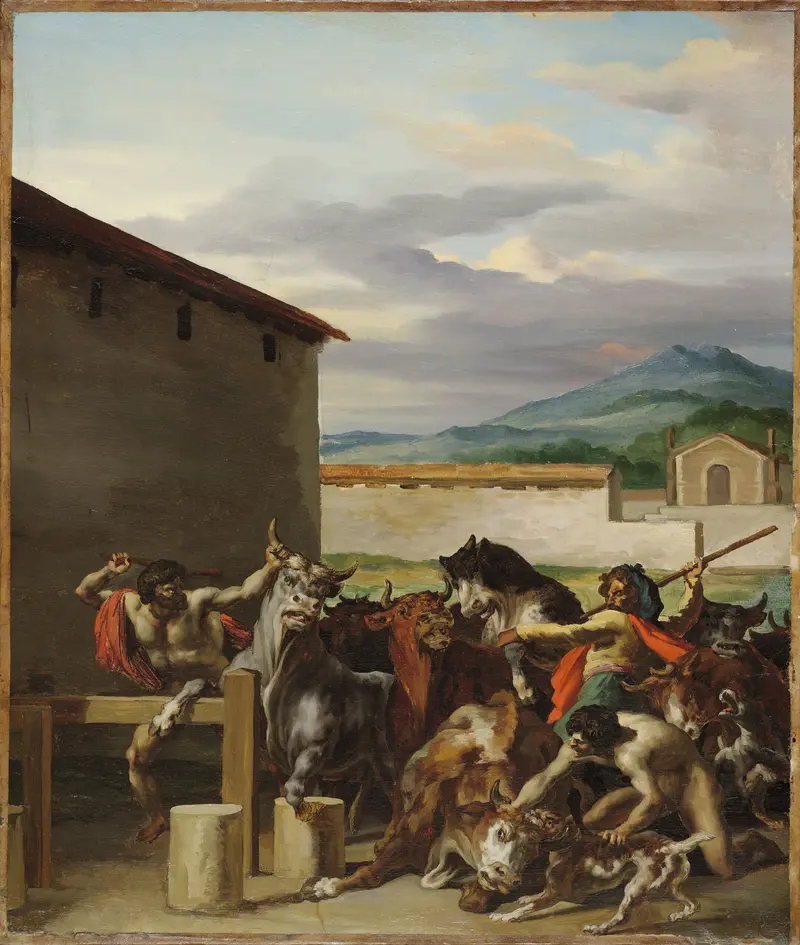
Cattle Market
Théodore Géricault
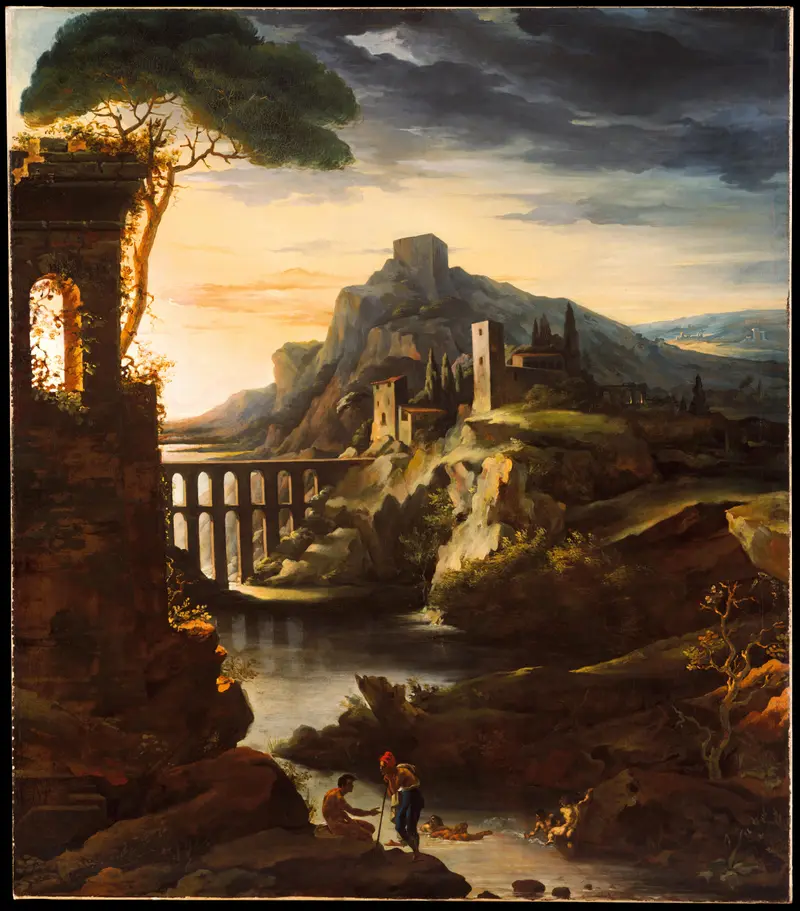
Evening; Landscape with an Aqueduct
Théodore Géricault
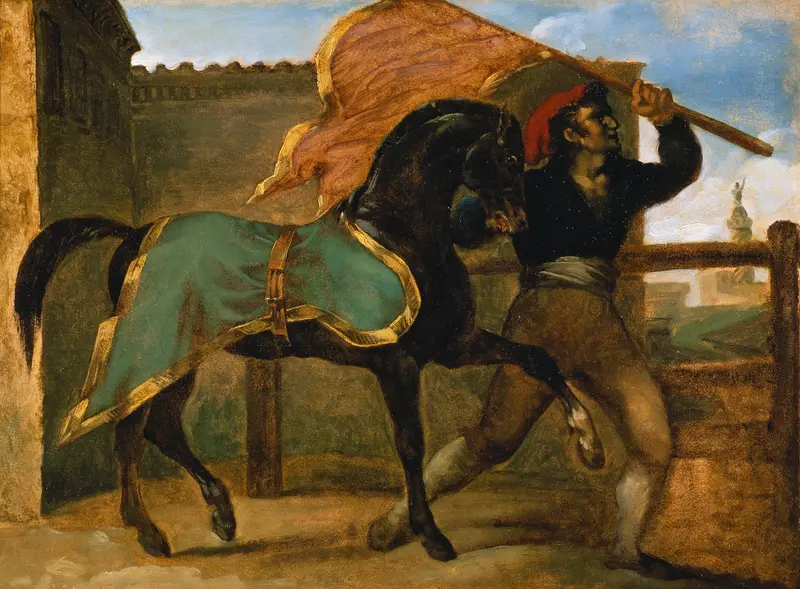
Horse Race
Théodore Géricault

Horses Standing in a Mews
Théodore Géricault
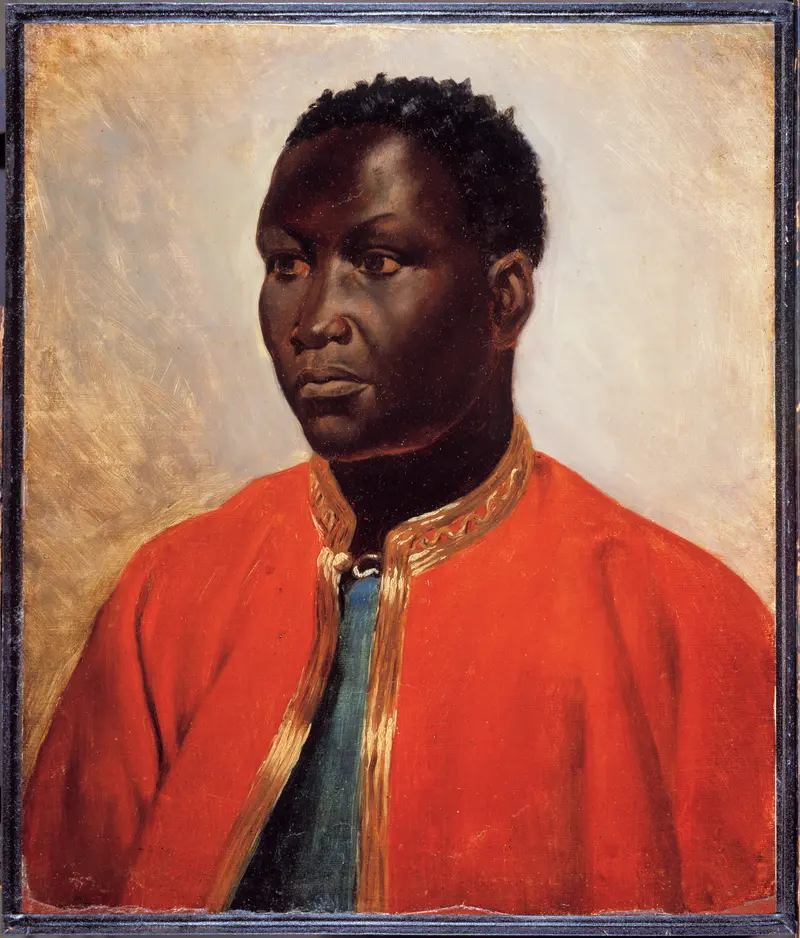
Portrait of a Negro
Théodore Géricault
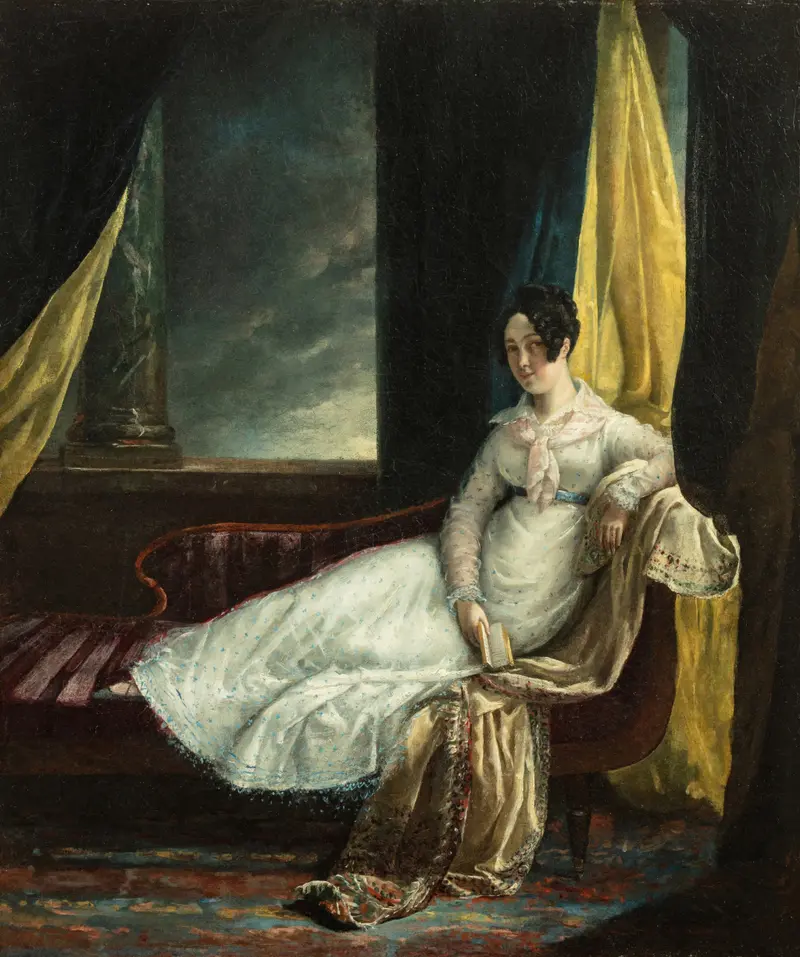
Portrait of Zoë Elmore
Théodore Géricault
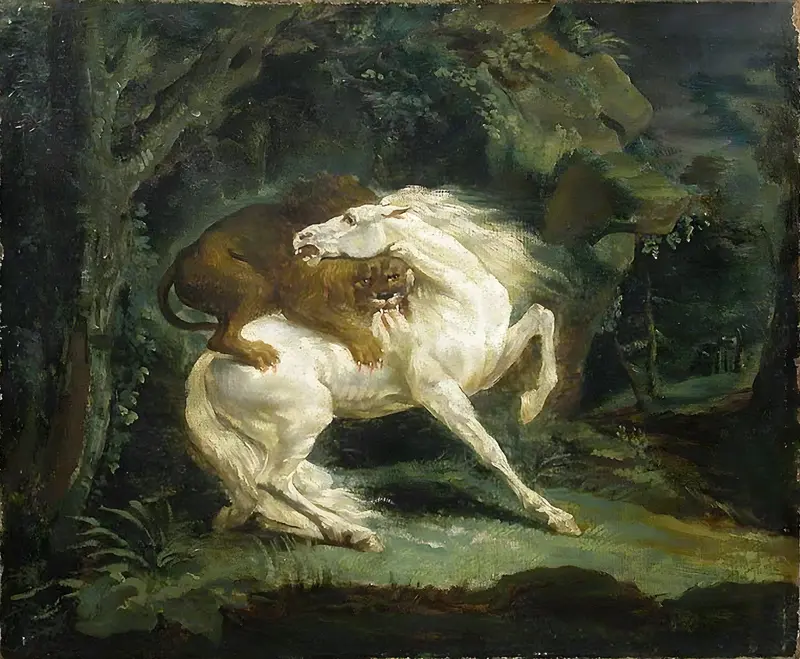
Cheval attaqué par un lion
Théodore Géricault
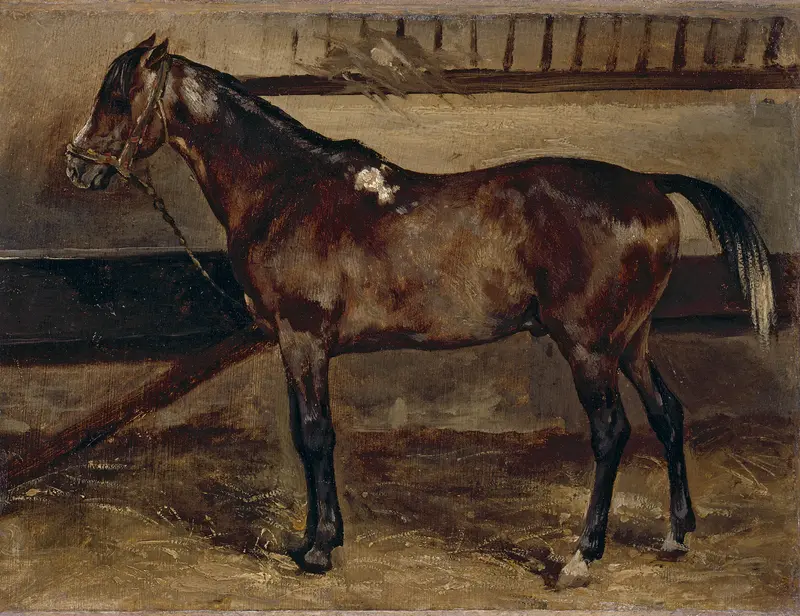
Cheval brun à l'écurie
Théodore Géricault





