
The Odyssey — History & Facts
When Jean Auguste Dominique Ingres unveiled The Odyssey in 1850, it marked a rare moment: the celebrated French Neoclassicist turning his gaze from the courts of Napoleon and the cool marble of antiquity to the storm-tossed world of Homer. Ingres, famed for his portraits and mythological nudes, seldom tackled epic narrative scenes on this scale, making this work a notable outlier in his career. The painting’s debut at the Paris Salon drew immediate attention, not least because Ingres was then in his seventies and widely considered the guardian of classical tradition in French art.
The choice of subject—a Greek hero’s homecoming after decades of wandering—struck a chord in a France still reckoning with the aftermath of revolution and empire. Ingres selects the moment Odysseus, battered and disguised, finally sets foot on Ithaca’s shore after twenty years away. The hero’s posture—cautious yet yearning—captures both relief and anxiety as he surveys the familiar coastline. Ingres’s meticulous line draws the eye to Odysseus’s weathered hands clutching a staff, a visual echo of his trials.
The light falls softly on the distant silhouette of Penelope weaving at her loom, a sign of fidelity and the life he hopes to reclaim. Unlike Arnold Böcklin’s later, dreamlike Odysseus and Calypso, Ingres roots his scene in clarity and restraint: the sea is calm, the palette cool, every detail a nod to Homeric dignity rather than romantic turmoil. The painting’s subsequent history is less dramatic than its subject. No grand patron is recorded; it is likely that Ingres, by then an established figure, painted The Odyssey for his own satisfaction or for a private collector whose identity is now lost.
The work has passed quietly through several hands, surfacing in Parisian collections before entering the public domain in the early twentieth century. Today, it stands as a testament to Ingres’s lifelong dialogue with antiquity and his ability to infuse even the most storied myths with a sense of personal longing. While not as widely reproduced as his portraits, The Odyssey remains a touchstone for those interested in the intersection of narrative painting and classical revival.
More Artworks by Jean Auguste Dominique Ingres
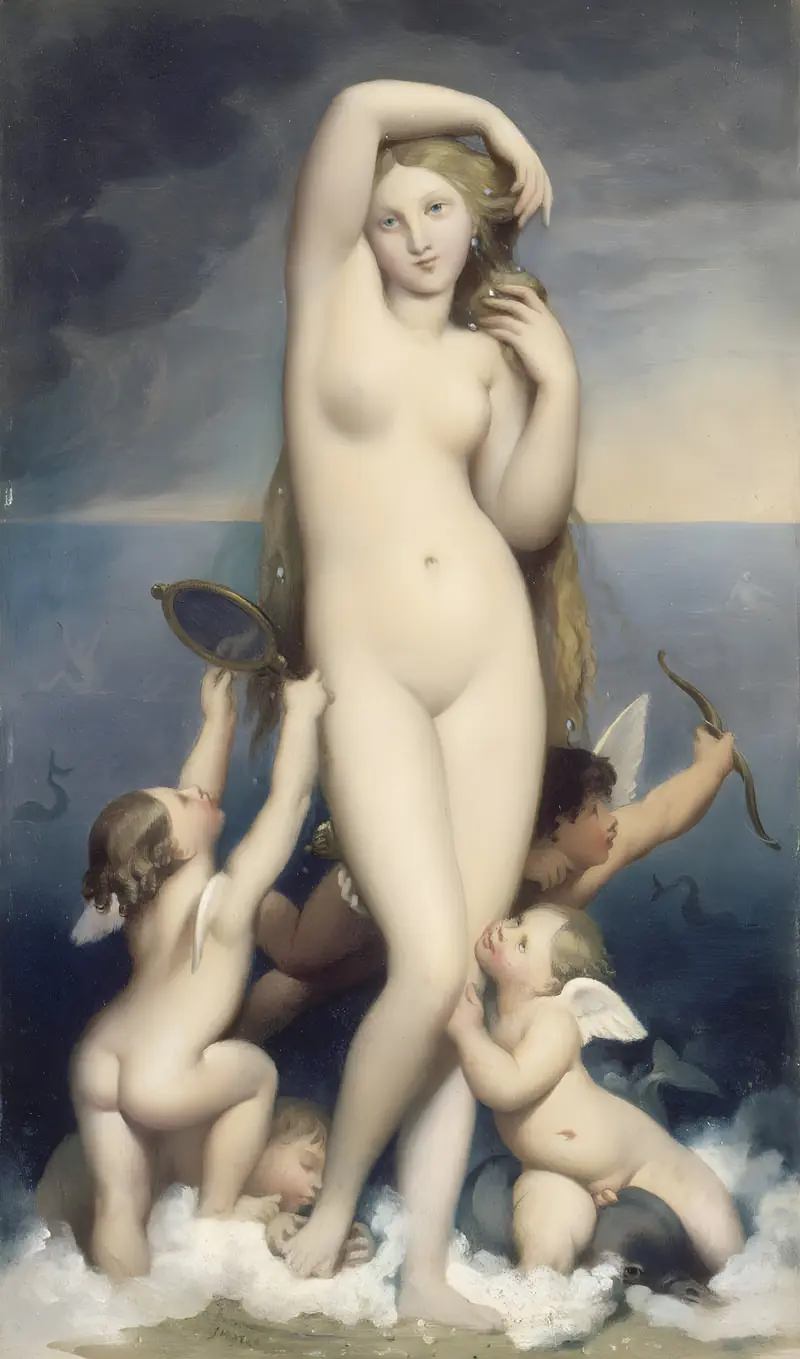
Vénus anadyomène
Jean Auguste Dominique Ingres
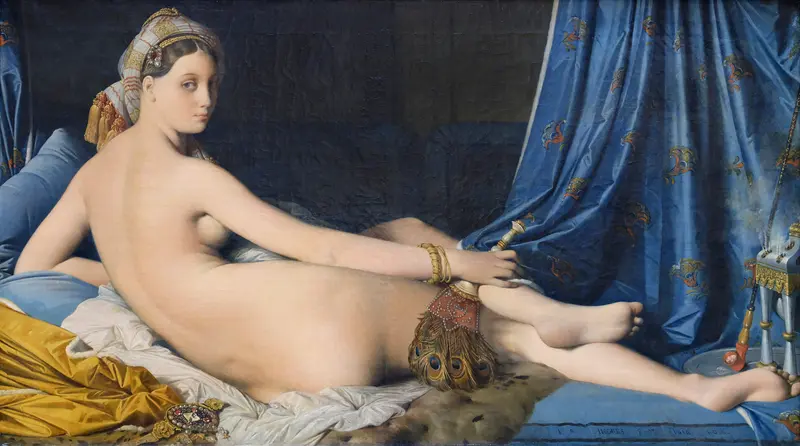
Grande Odalisque
Jean Auguste Dominique Ingres
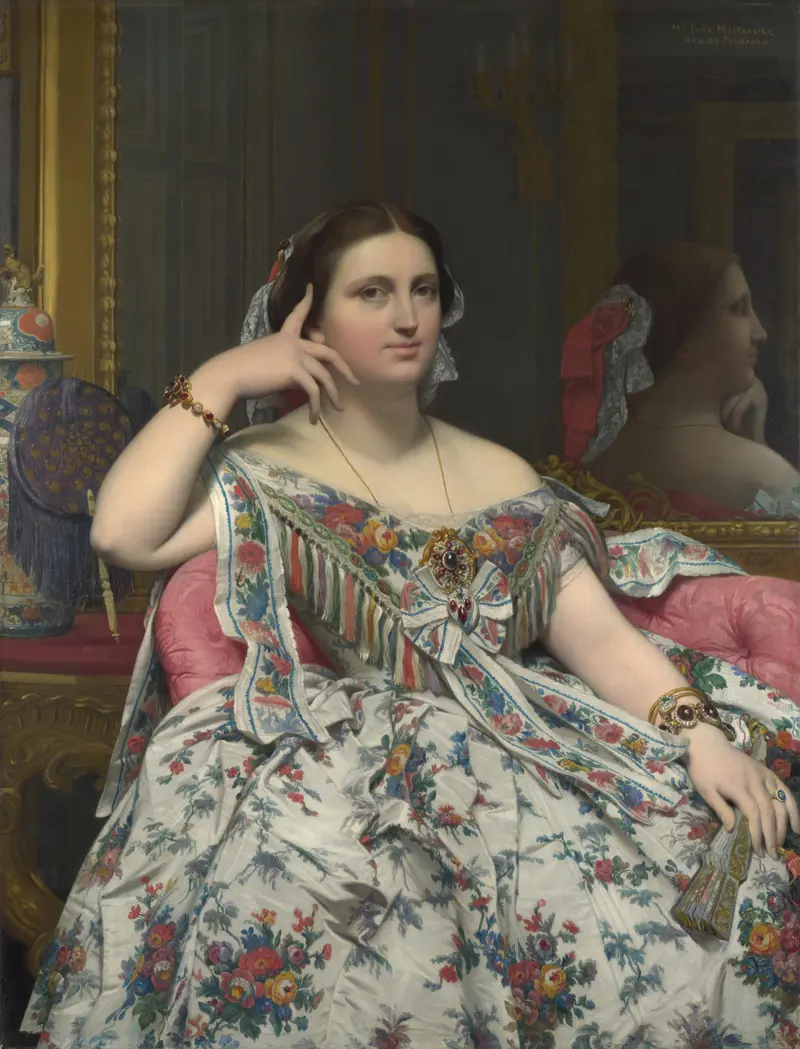
Madame Moitessier (seated)
Jean Auguste Dominique Ingres
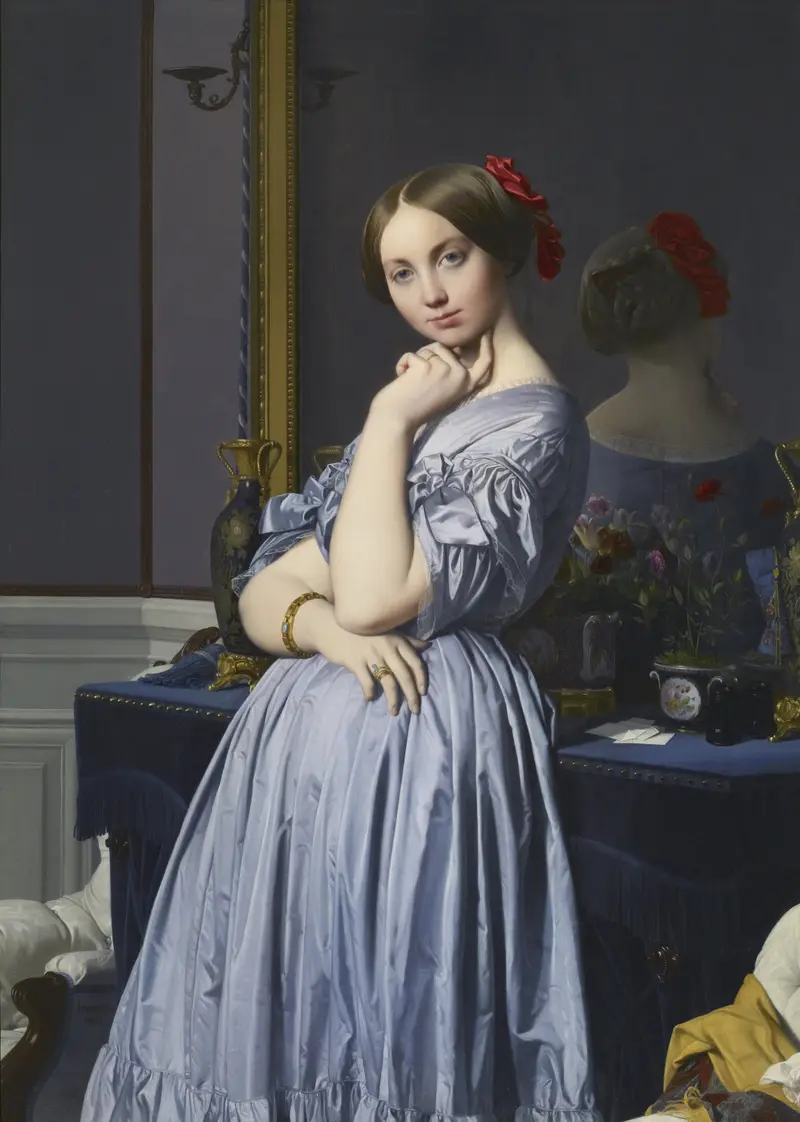
Portrait of Comtesse d’Haussonville
Jean Auguste Dominique Ingres
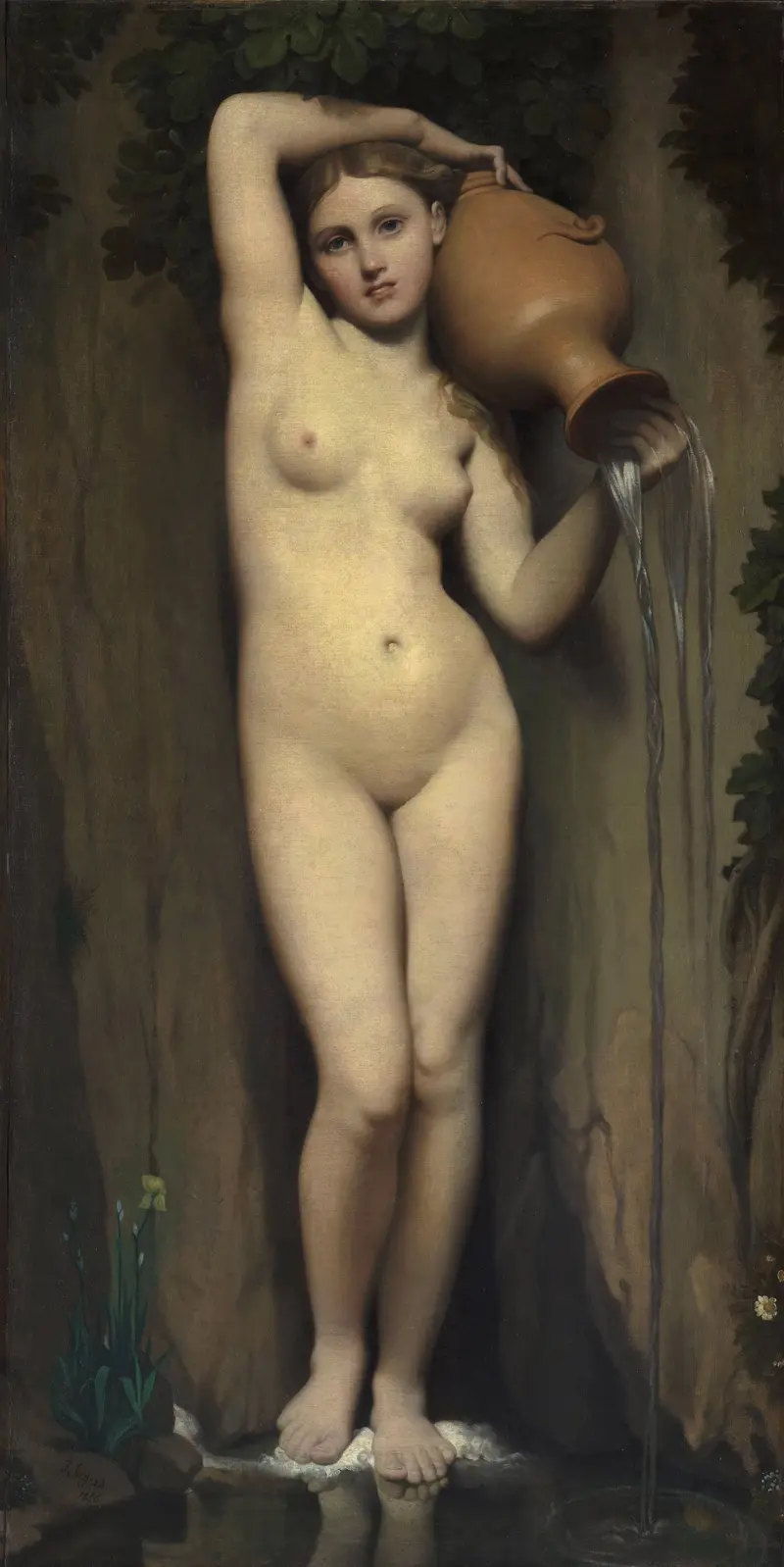
The Source
Jean Auguste Dominique Ingres
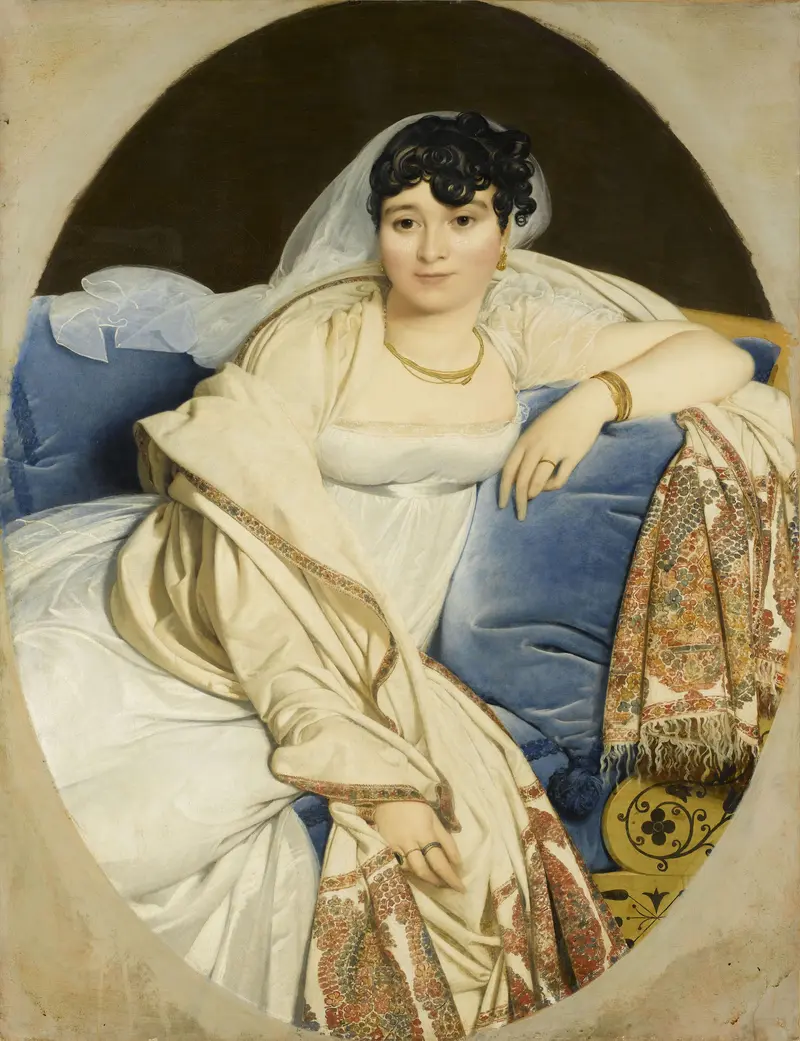
Madame Rivière
Jean Auguste Dominique Ingres

Madame Jean-Auguste-Dominique Ingres, née Madeleine Chapelle
Jean Auguste Dominique Ingres

Portrait of a Lady
Jean Auguste Dominique Ingres
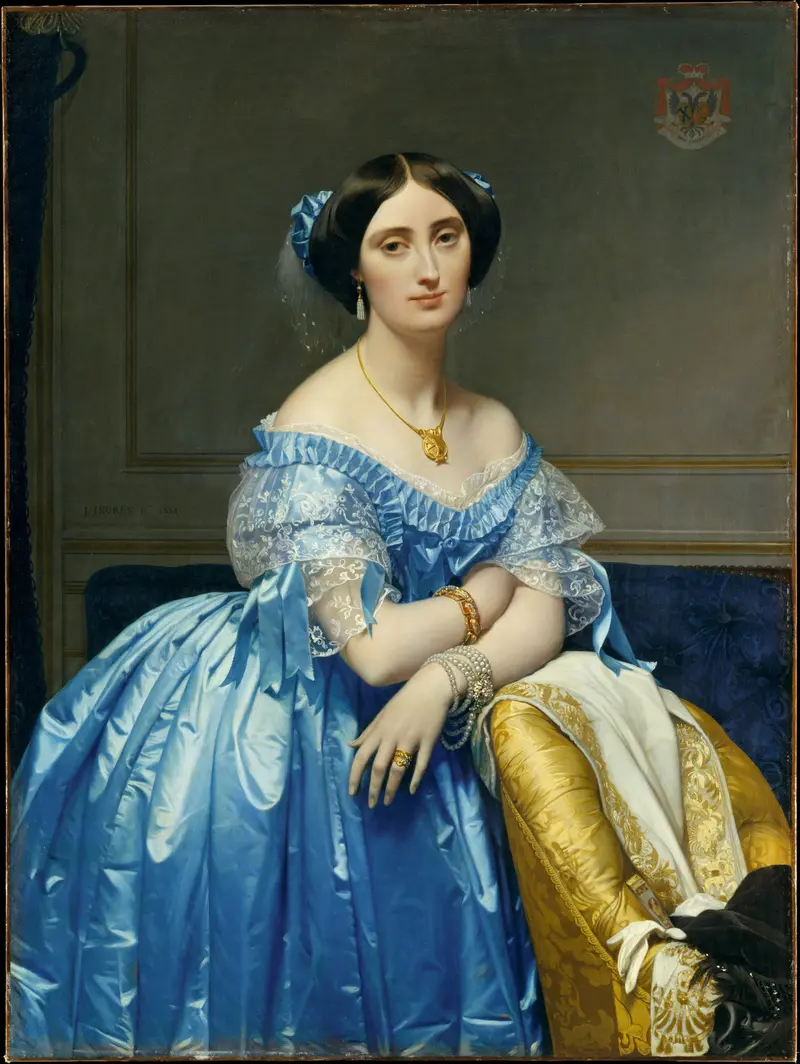
Joséphine-Éléonore-Marie-Pauline de Galard de Brassac de Béarn (1825–1860), Princesse de Broglie
Jean Auguste Dominique Ingres
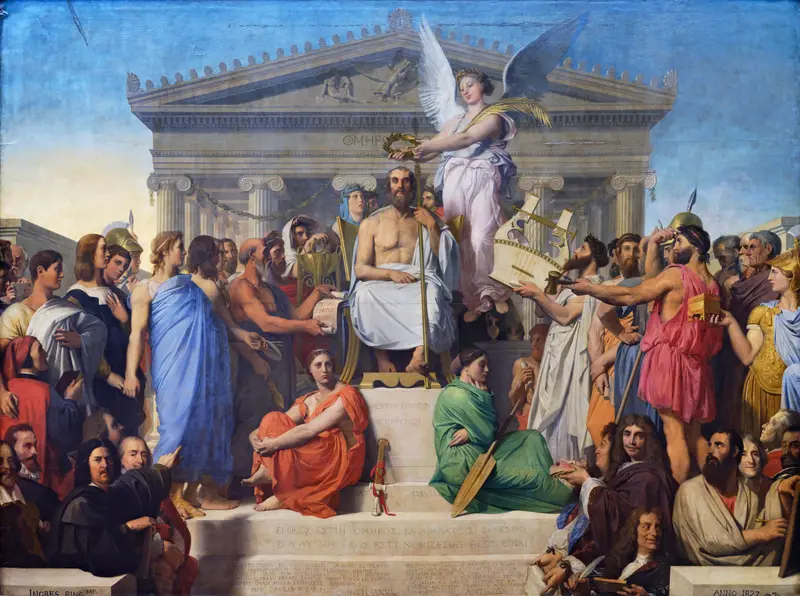
The Apotheosis of Homer
Jean Auguste Dominique Ingres





