
The Old Customs House, Greenwich — History & Facts
What secret hides in the quiet of the canvas? In The Old Customs House, the decay of time whispers stories through the crumbling walls and silent streets, inviting reflection on the passage of life. Look to the foreground, where soft earth tones of ochre and muted greens evoke the weight of history. The building stands resolute yet weary, its weathered stones absorbing the light that spills from an overcast sky. Notice how the artist employs loose brushwork, particularly in the trees that sway gently against the building's stoic presence, creating a harmonious tension between nature and man-made structure.
Each stroke seems to breathe life into the decaying façade, while the subtle play of light guides the viewer's gaze upward, hinting at the memories held within. In stark contrast to the vibrancy of life that surrounds it, the Customs House embodies a poignant decay, symbolizing both the passage of time and the inevitability of change. The juxtaposition between the lively greenery and the somber structure invites contemplation on the fragility of existence. Each chipped stone and faded window reflects not merely neglect, but also a rich narrative of human experience, suggesting that beauty can thrive amid deterioration. David Cox painted this evocative scene during a period when he was captivated by the changing English landscape, likely in the mid-19th century.
As an artist, he was transitioning from the constraints of traditional landscape painting toward a more expressive, impressionistic approach. This period was marked by a growing interest in portraying the effects of light and atmosphere, paving the way for future movements in art.
More Artworks by David Cox
Browse all →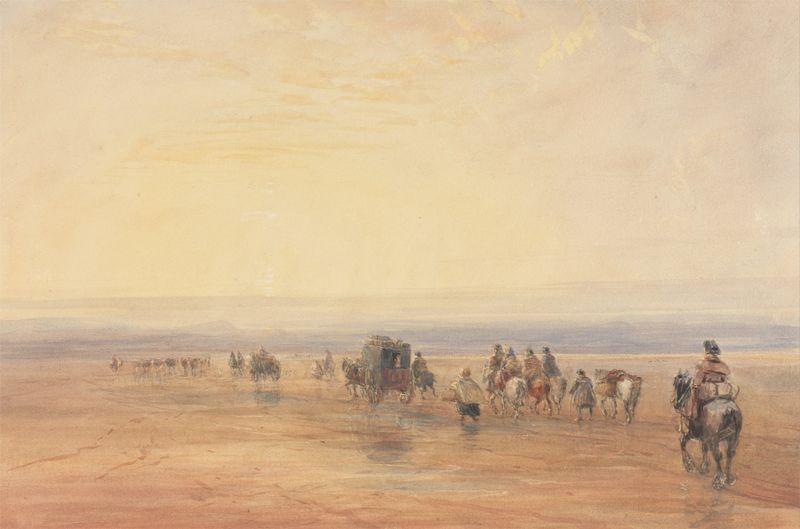
Crossing Lancaster Sands
David Cox
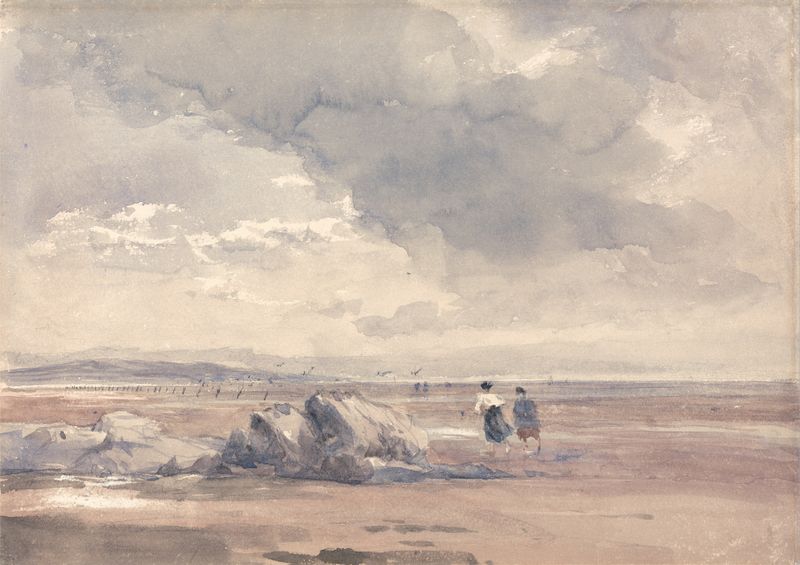
On Lancaster Sands, Low Tide
David Cox

Lincoln Cathedral from Brayford Pool
David Cox

View in Wales
David Cox
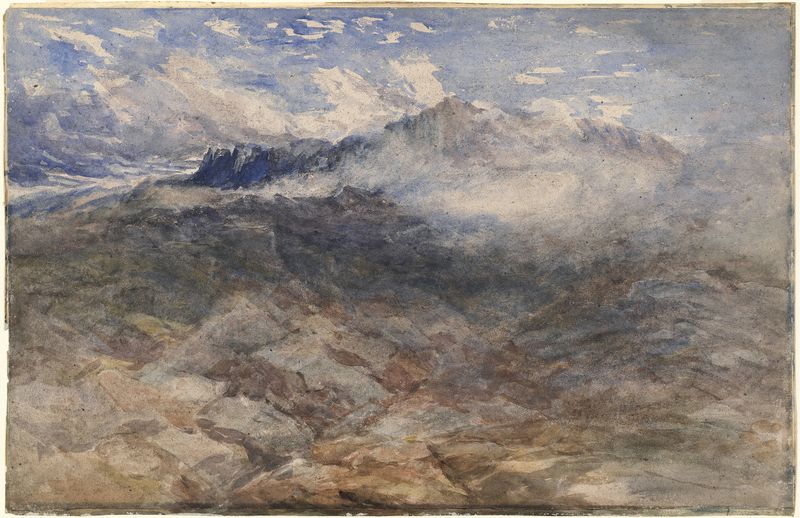
Mountain Heights, Cader Idris
David Cox

Bergen op Zoom
David Cox

Boating Before Lambeth Palace, London
David Cox
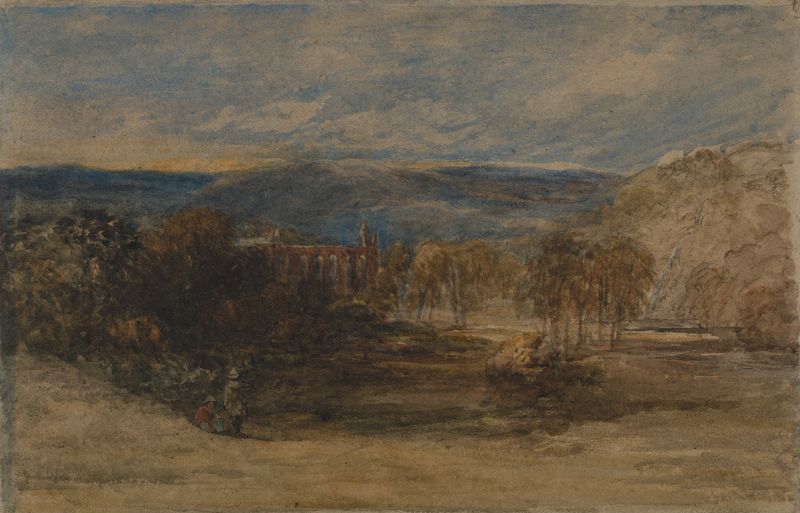
Bolton Abbey
David Cox

London Bridge
David Cox
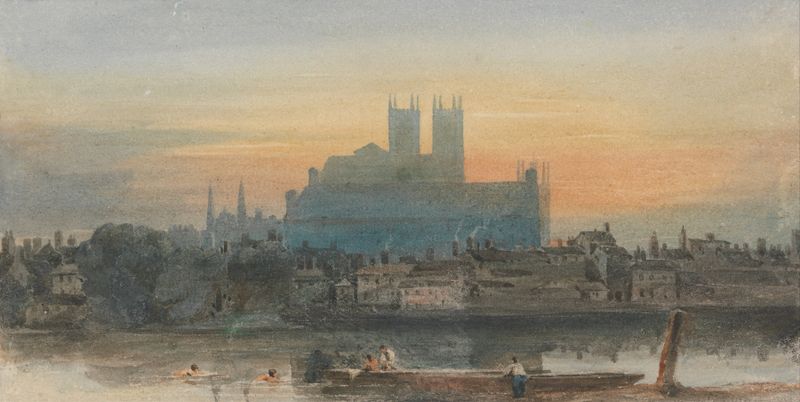
Westminster from Lambeth
David Cox
More Architecture Art
Browse all →
The statue of Liberty
Frédéric Auguste Bartholdi

View of Houses in Delft, Known as ‘The Little Street’
Johannes Vermeer

View of Houses in Delft, Known as ‘The Little Street’
Johannes Vermeer

The Cathedral in Rouen. The portal, Grey Weather
Claude Monet

The yellow house
Vincent van Gogh

The Church in Auvers-sur-Oise, View from the Chevet
Vincent van Gogh