
The Old Home at Barbizon — History & Facts
In the stillness of The Old Home at Barbizon, fragility whispers through the strokes of paint, evoking a profound sense of nostalgia and the passage of time. Look to the left at the weathered farmhouse standing stoically against a backdrop of gentle greens and browns. The artist employs a muted palette, with soft earth tones that blend harmoniously, inviting the viewer to explore the rustic simplicity of rural life. Notice how the light filters through the trees, illuminating the house’s facade, highlighting its crumbling edges and revealing the stories etched into its walls. Yet amid this serene exterior lies an underlying tension — the juxtaposition of nature's resilience against the inevitable decay of human constructs.
The trees, vibrant and full of life, stand as silent witnesses to the home’s slow decline. The open door, though inviting, hints at abandonment, suggesting a once-bustling life now reduced to memories that linger in the air. Each brushstroke breathes a sense of longing, echoing the fragility of existence itself. During the late 1880s, Millet was reflecting on the simplicity of rural life while navigating the complexities of an artist’s legacy.
Living in Barbizon, he was surrounded by fellow Impressionists, yet he remained deeply committed to realism, often focusing on the struggles of the peasantry. This period marked a transition in his work as he began to explore themes of memory and loss, capturing the ephemeral beauty of the world around him through this poignant homage to home.
More Artworks by Jean-François Millet
Browse all →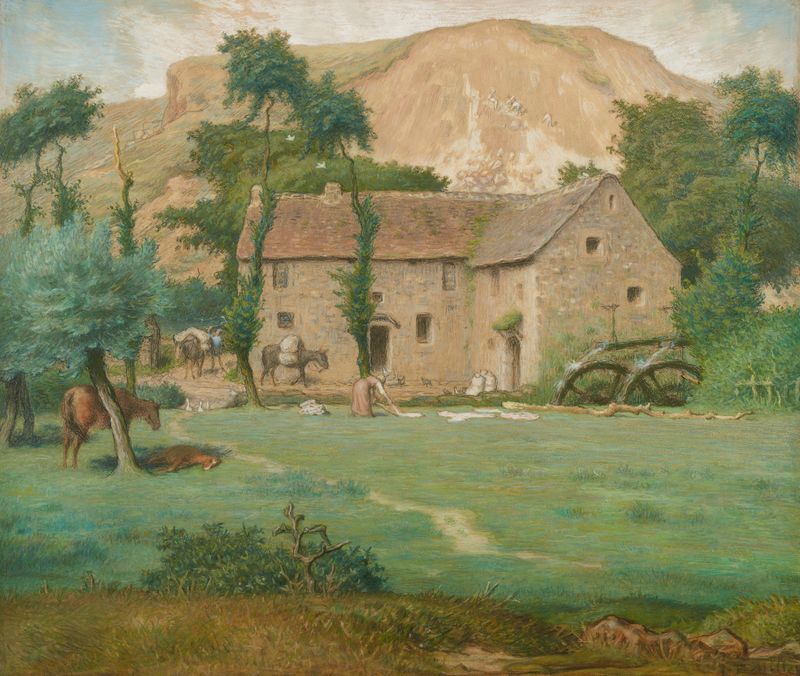
Watermill at the Foot of a Mountain, Allier
Jean-François Millet
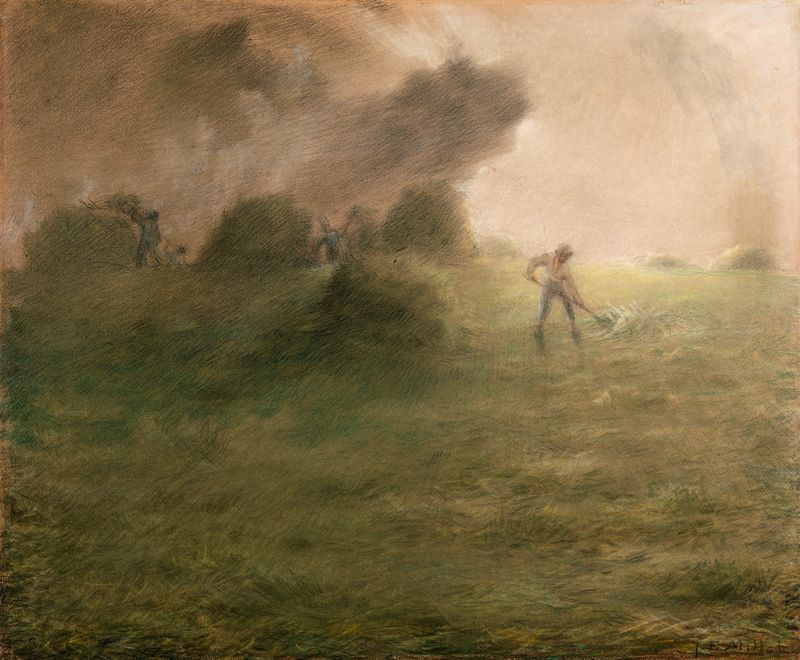
A Storm during Haymaking
Jean-François Millet
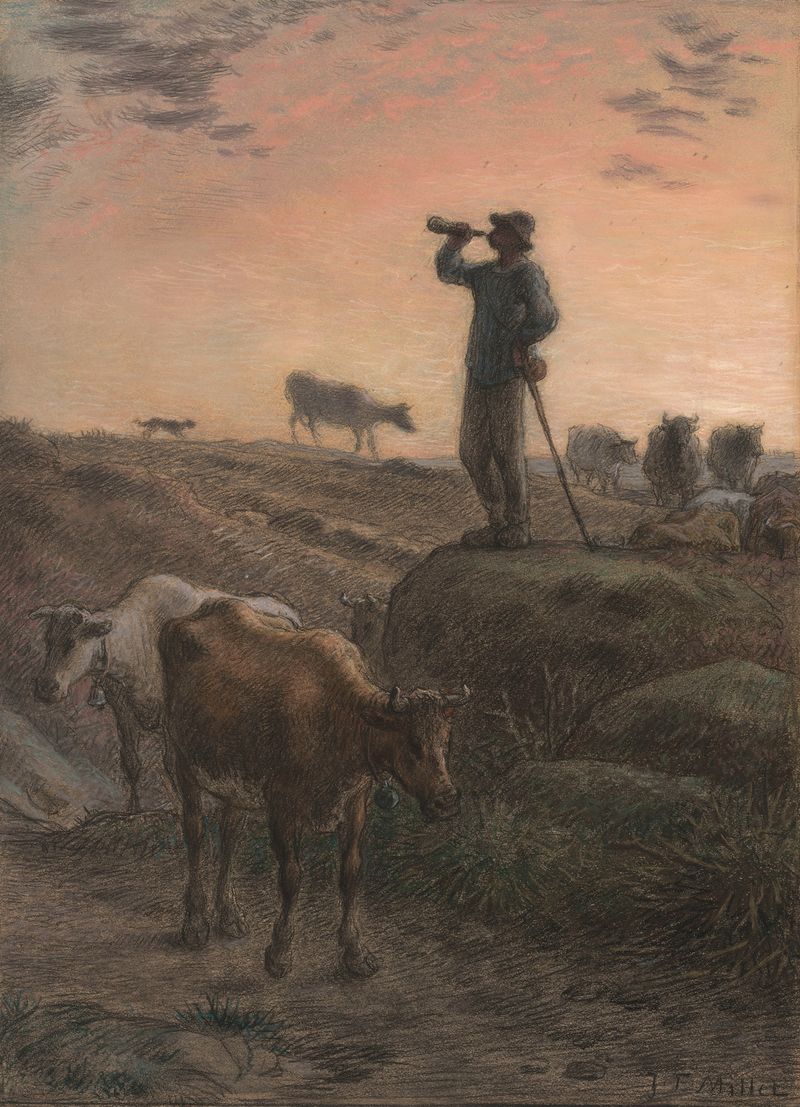
Calling Home the Cows
Jean-François Millet
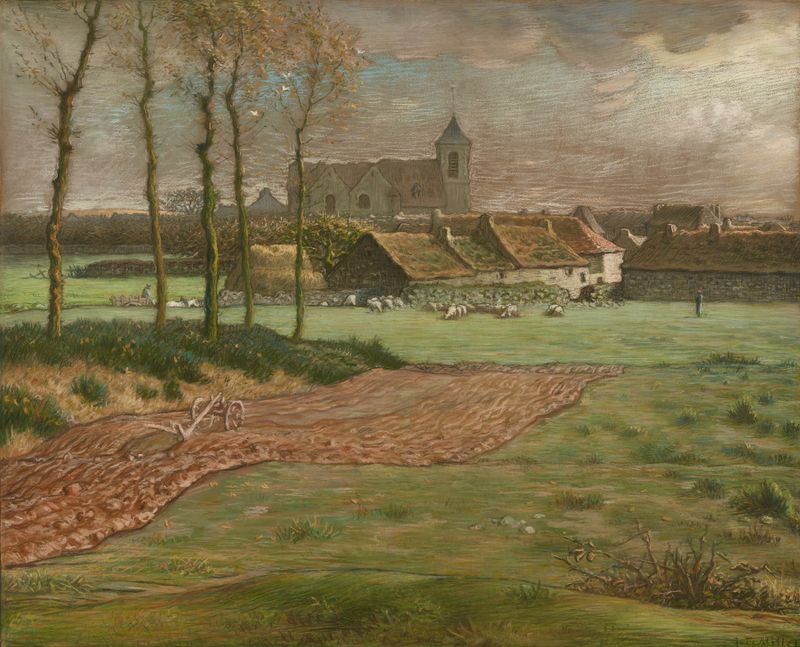
The Church at Chailly
Jean-François Millet
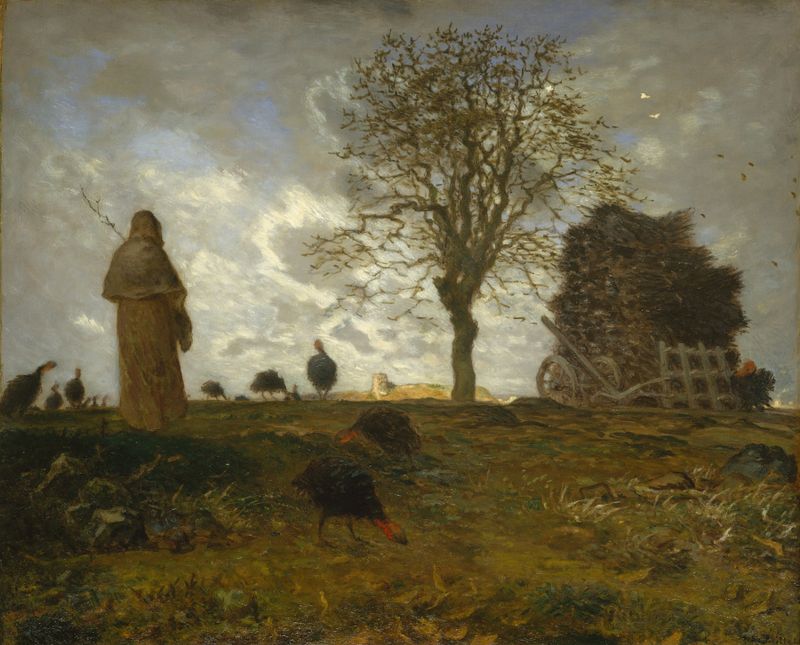
Autumn Landscape with a Flock of Turkeys
Jean-François Millet
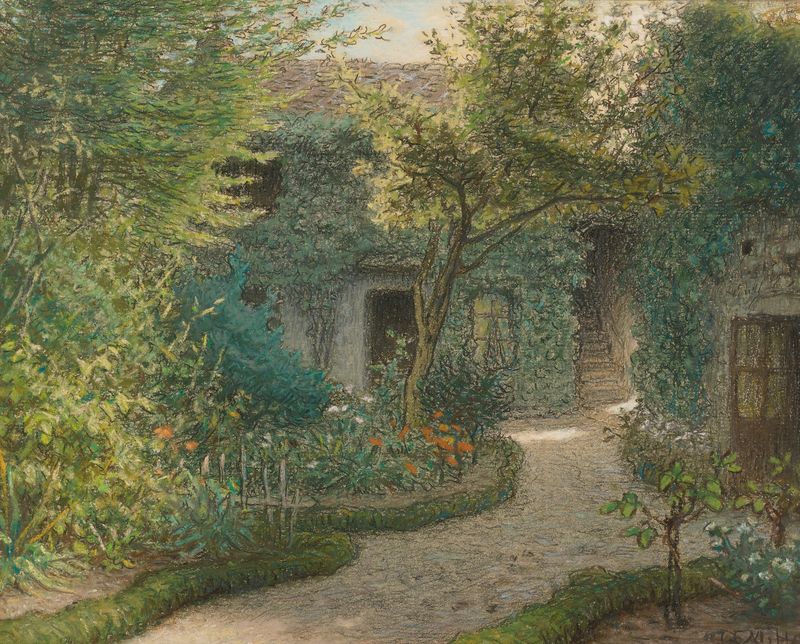
Théodore Rousseau’s House In Barbizon
Jean-François Millet
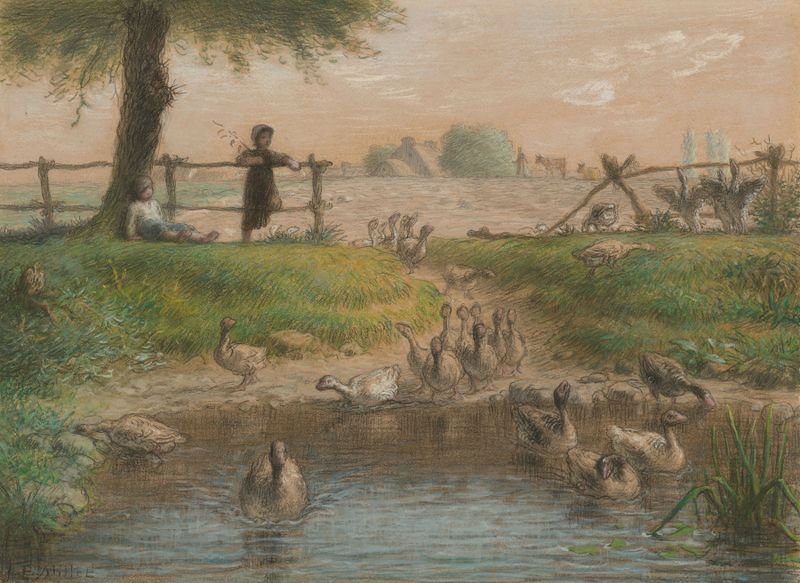
Peasant Children at Goose Pond
Jean-François Millet
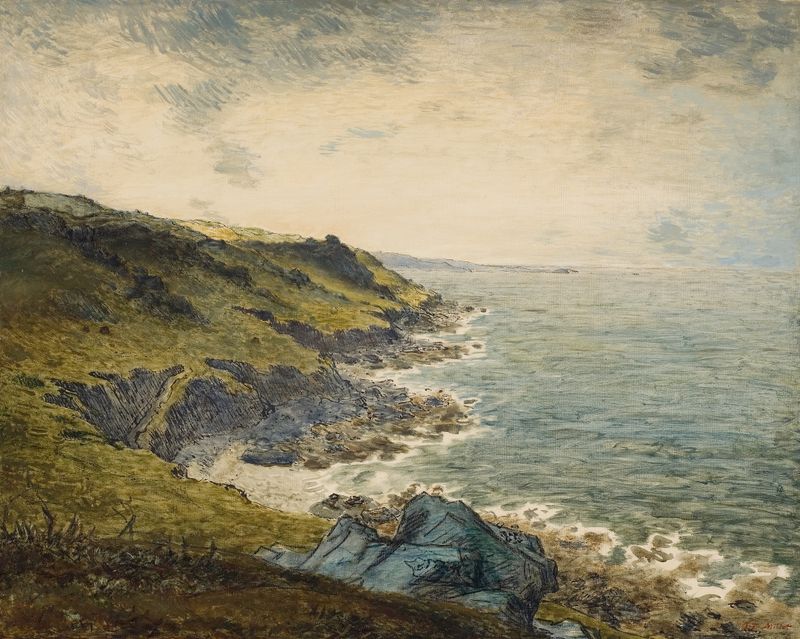
The Coast at Gréville
Jean-François Millet
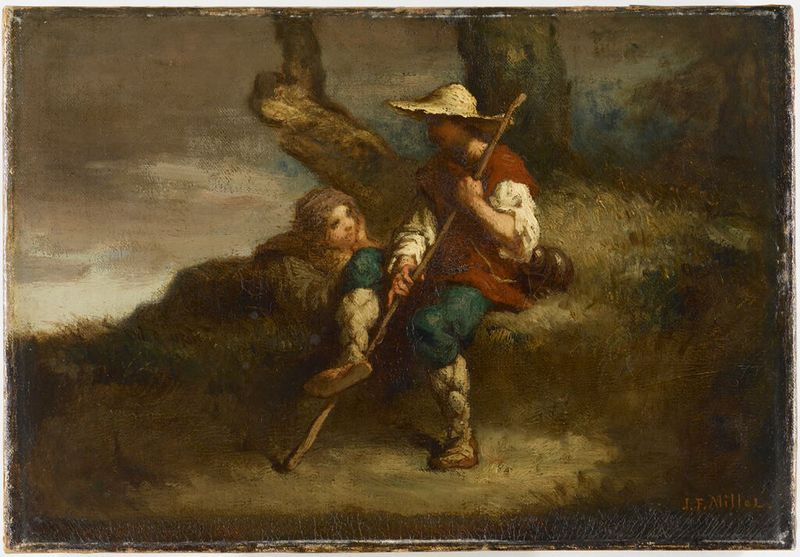
Shepherds Resting
Jean-François Millet
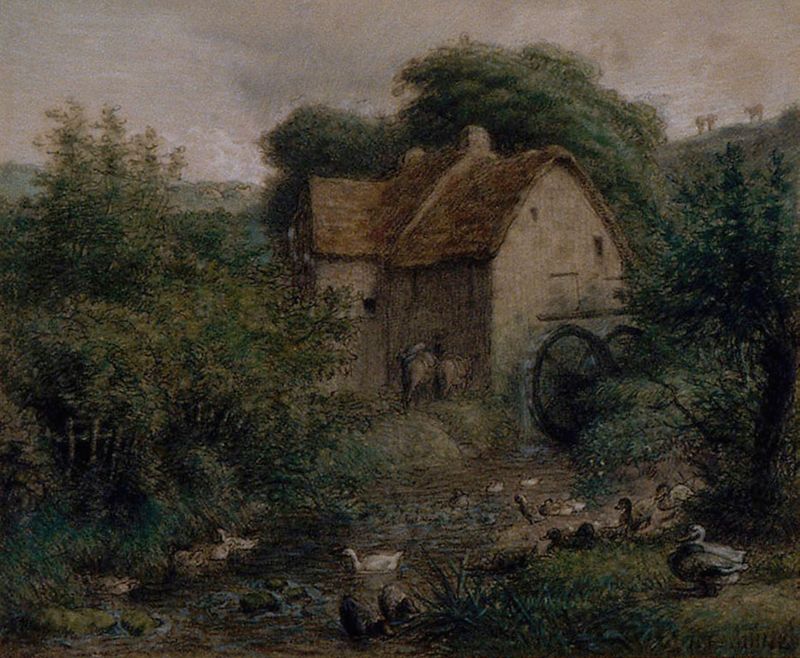
The Old Mill
Jean-François Millet





