
The Old Mill — History & Facts
In The Old Mill, layers of earthly tones whisper secrets of passage and time, inviting contemplation beyond the visible. First, look to the left of the canvas, where the gnarled trunk of an ancient tree frames the scene. The rich greens and browns create a tapestry of nature's bounty, while a soft light bathes the mill in golden warmth. Notice how the water reflects the muted palette, suggesting a tranquility that is both serene and introspective.
The artist's brushstrokes are gentle yet deliberate, embodying the essence of the landscape while inviting the viewer to linger in its presence. Beyond the beauty lies a dialogue of contrasts. The mill, a symbol of human industriousness, stands quietly against the encroaching wild, suggesting a harmony between nature and civilization. The interplay of light and shadow evokes a sense of nostalgia, perhaps a reminder of the passage of time and a call to appreciate the fleeting moments of life.
The stillness captured here hints at an emotional depth, revealing revelations that linger just out of reach. In 1849, George Inness painted this piece during his formative years in the Hudson River School movement, a time when he began to embrace a more personal, expressive style. Influenced by both Romanticism and transcendentalism, he sought to convey the spiritual essence of nature. This painting reflects his desire to capture not just the landscape but the quiet truths that reside within it, marking his evolution as an artist who sought deeper connections through his work.
More Artworks by George Inness
Browse all →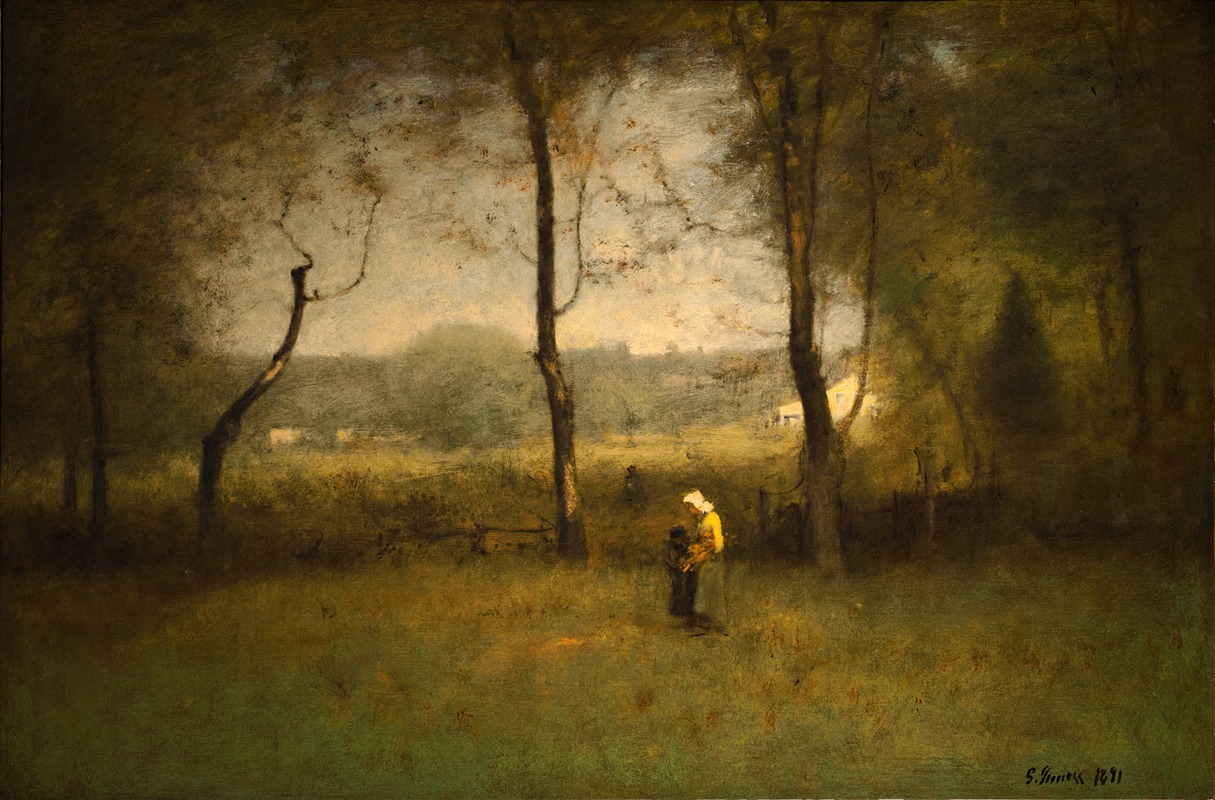
Autumn Woods
George Inness
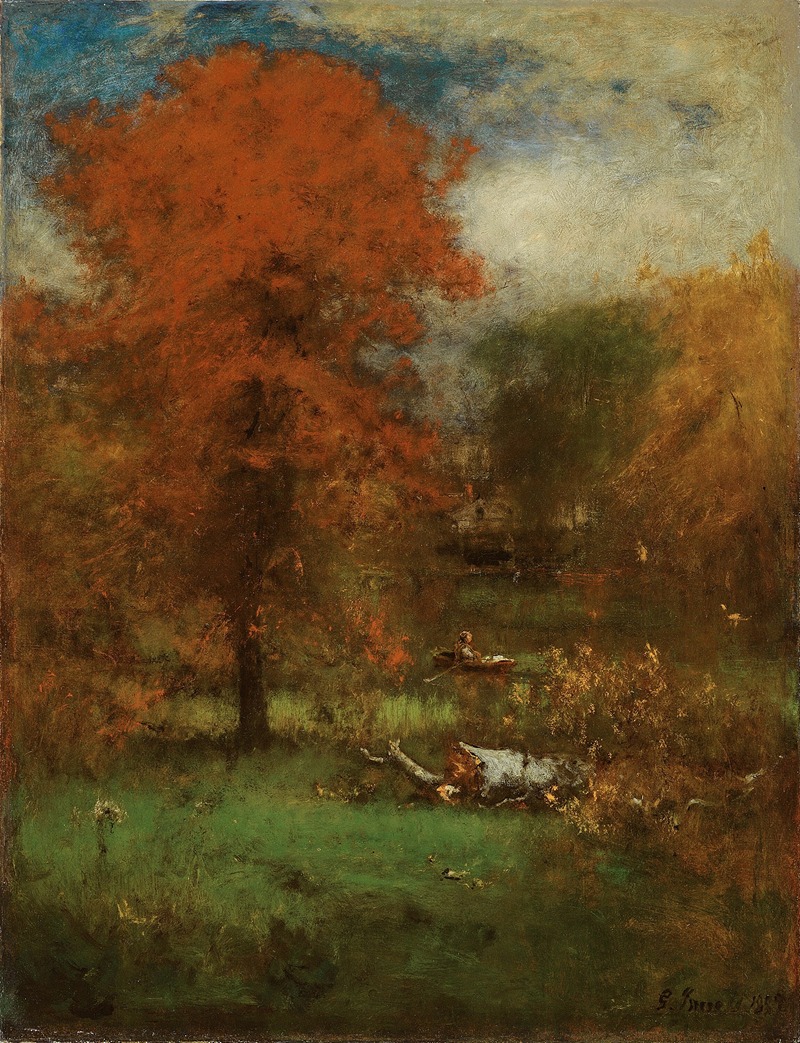
The Mill Pond
George Inness
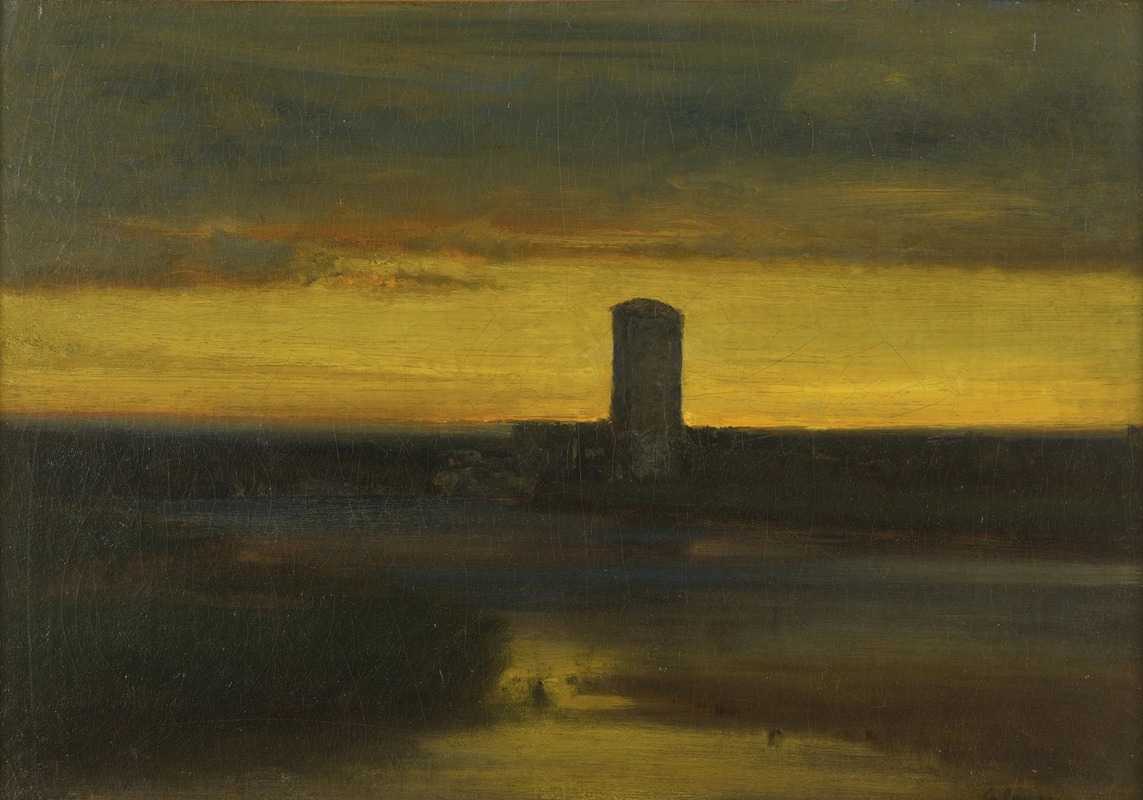
Afterglow
George Inness
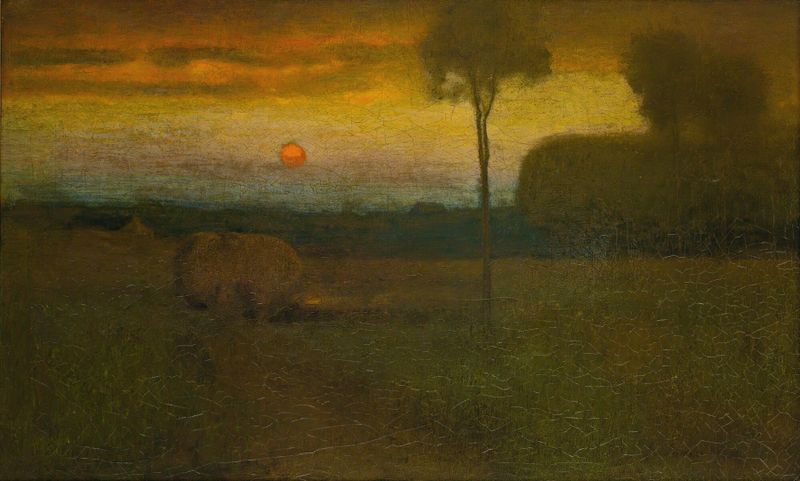
Landscape (Evening Landscape)
George Inness

Montclair
George Inness

View in Berkshire County, Massachusetts, Clearing Off after a September Storm
George Inness

October
George Inness
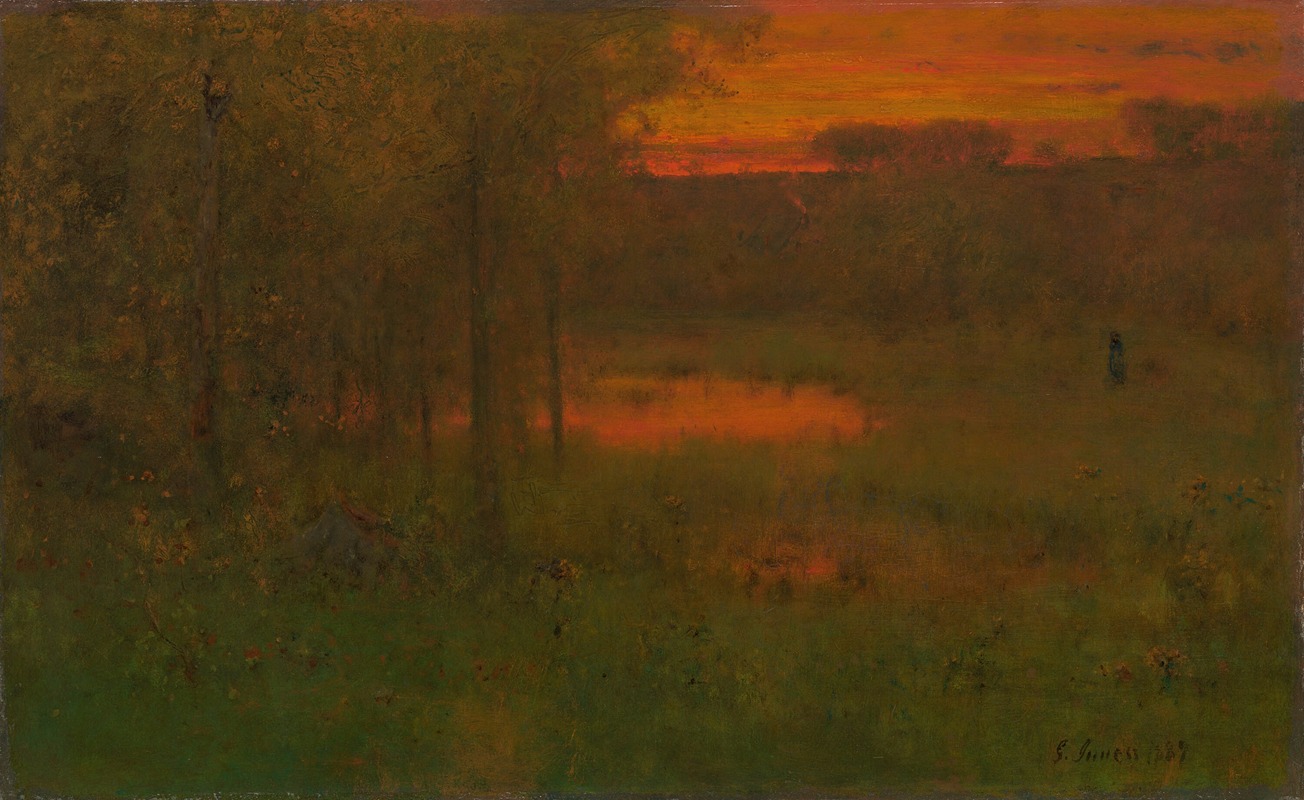
Landscape, Sunset
George Inness
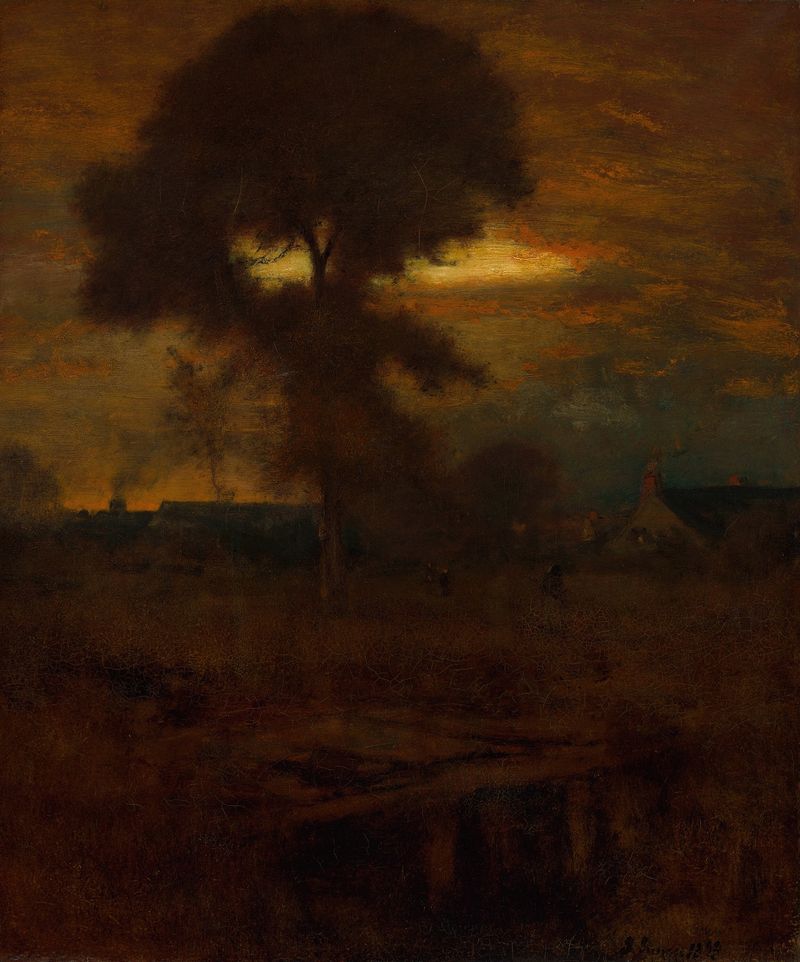
Afterglow
George Inness
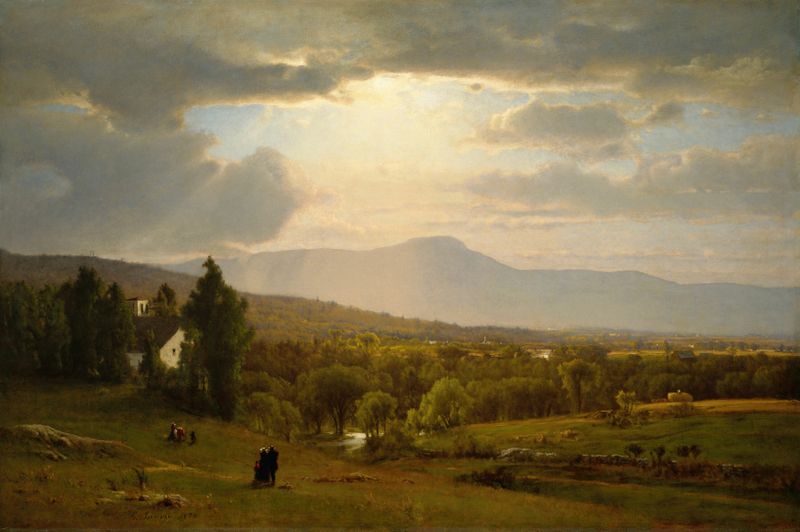
Catskill Mountains
George Inness





