
The Old Mill — History & Facts
Can paint confess what words never could? In the depths of The Old Mill, shadows speak softly, revealing secrets held within nature's embrace. Look to the left of the canvas, where the ancient mill, cloaked in verdant foliage, beckons with an air of quiet dignity. The textured brushstrokes create a palpable contrast between the rustic structure and the surrounding trees, their leaves dappled with sunlight. Notice how the warm yellows and greens intertwine, depicting a harmonious blend of life and decay, while the shadows cast by the mill evoke a sense of history, as if the very ground remembers the footsteps of those who once toiled within its walls. Amidst the serene landscape, a deeper tension emerges; the juxtaposition of the mill's enduring presence against the ephemeral movement of water flowing nearby.
The soft, rippling reflections in the stream suggest the passage of time, while the looming shadows hint at forgotten stories, memories whispered among the rustling leaves. Inness captures a moment suspended between tranquility and nostalgia, inviting viewers to ponder the relationship between man and nature — how life persists in a world that constantly changes. Painted in 1849, this work marked a pivotal time for the artist as he sought to convey the emotional weight of landscapes. Living in the northeast of America and influenced by the transcendental movement, Inness aimed to express the spiritual qualities of nature.
The mid-19th century was a period when American artists began to carve out their own identities, and this piece stands as a testament to that shift, reflecting a growing appreciation for the serene beauty of the natural world.
More Artworks by George Inness
Browse all →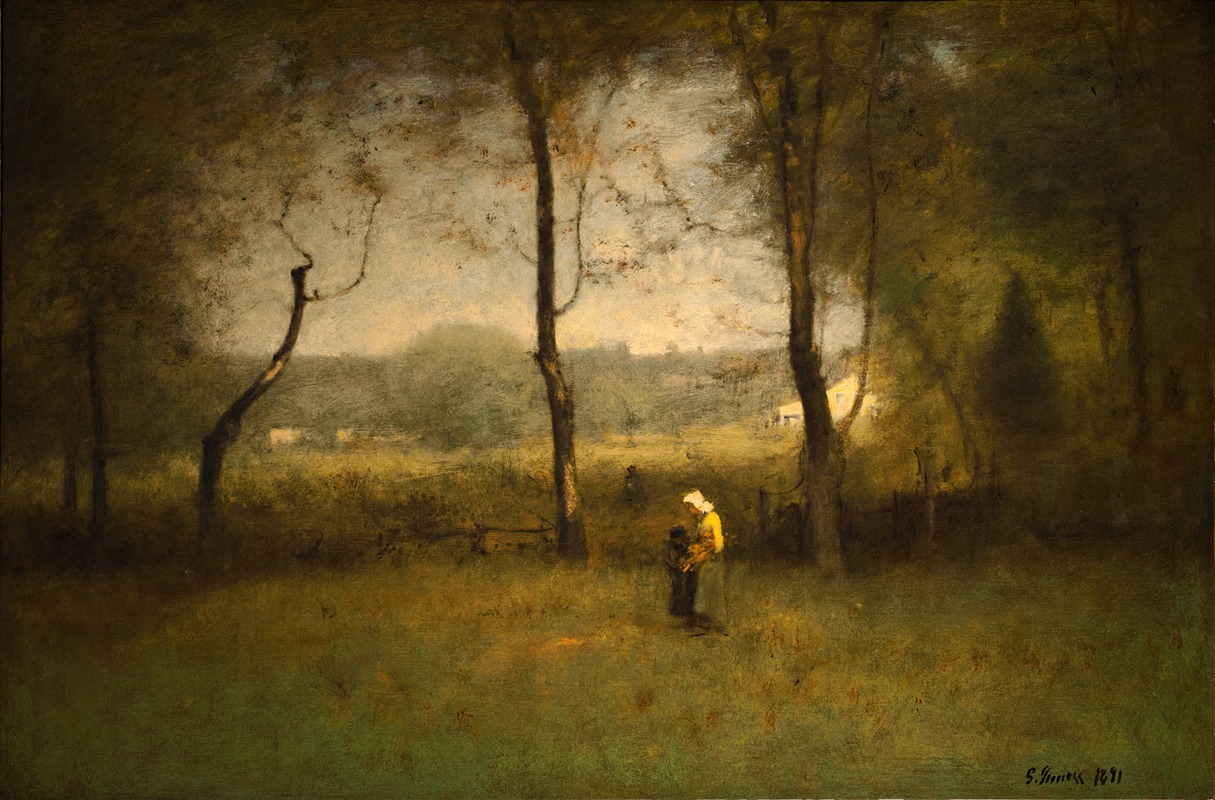
Autumn Woods
George Inness
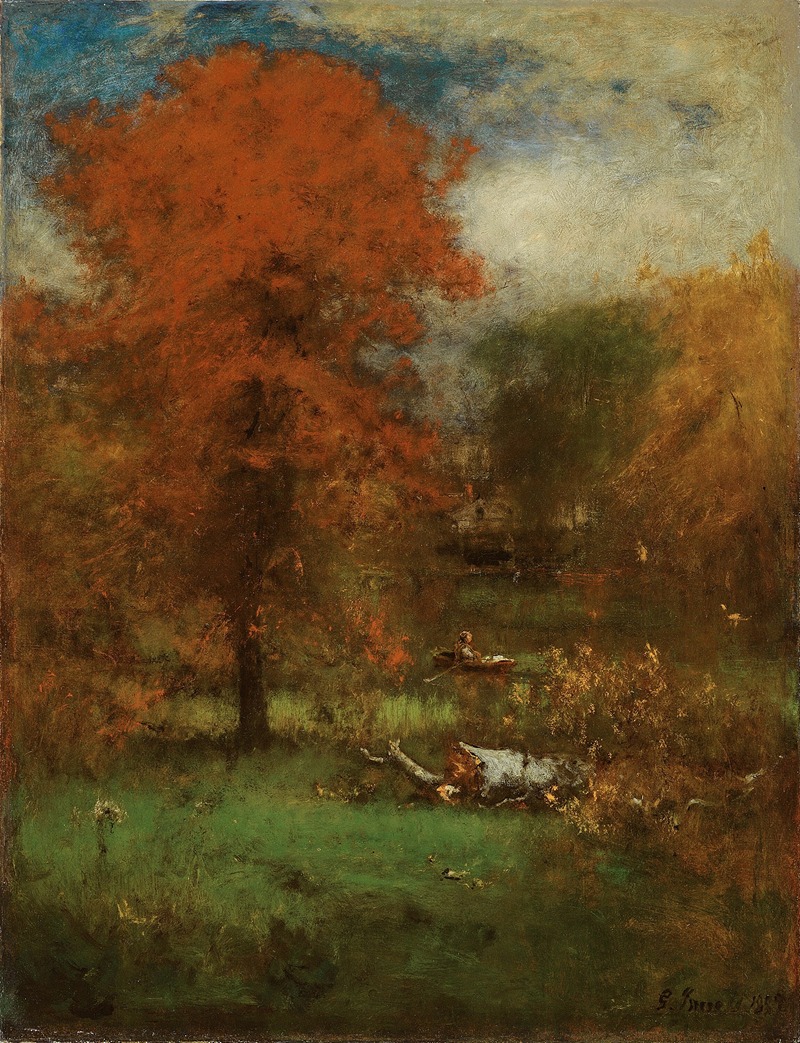
The Mill Pond
George Inness
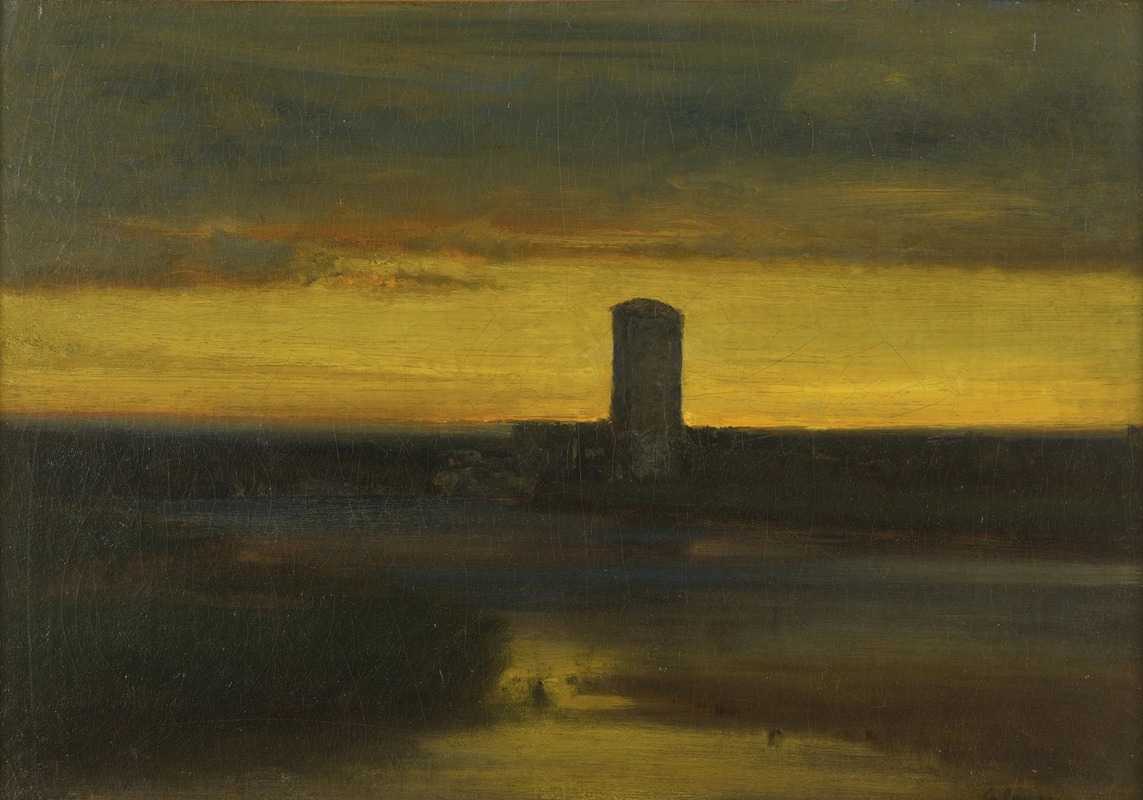
Afterglow
George Inness
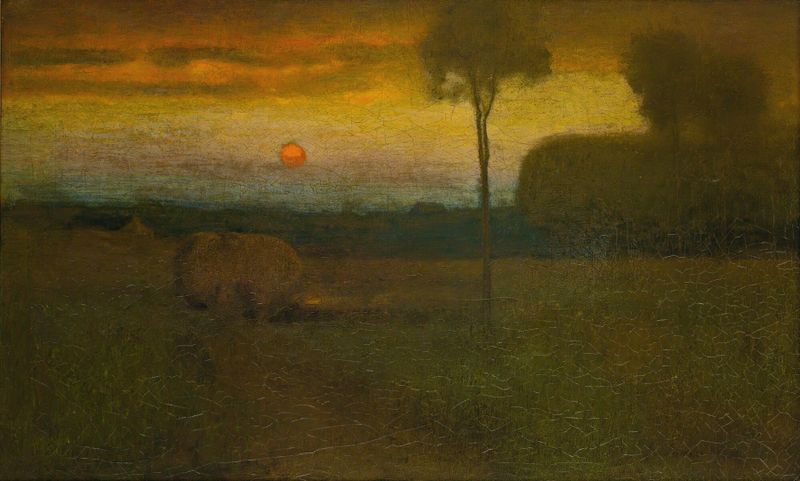
Landscape (Evening Landscape)
George Inness

Montclair
George Inness

View in Berkshire County, Massachusetts, Clearing Off after a September Storm
George Inness

October
George Inness
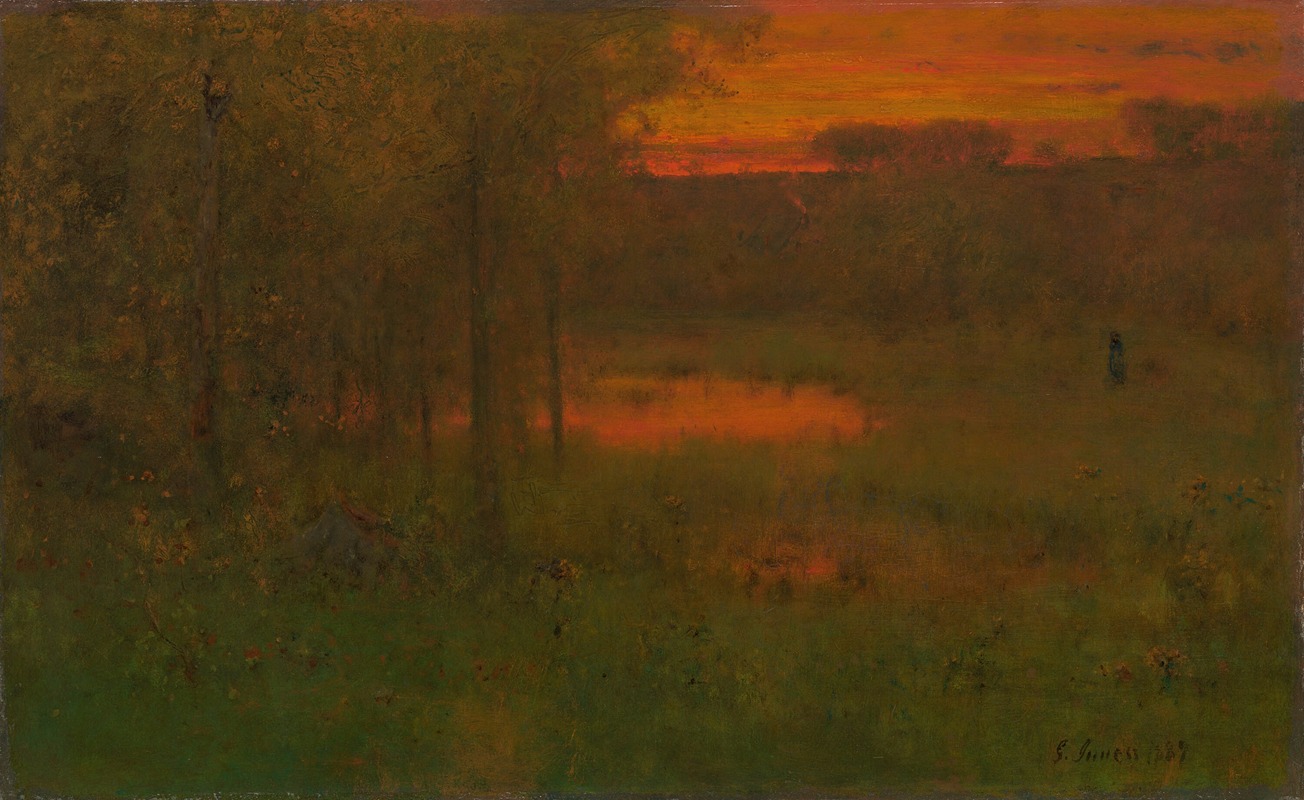
Landscape, Sunset
George Inness
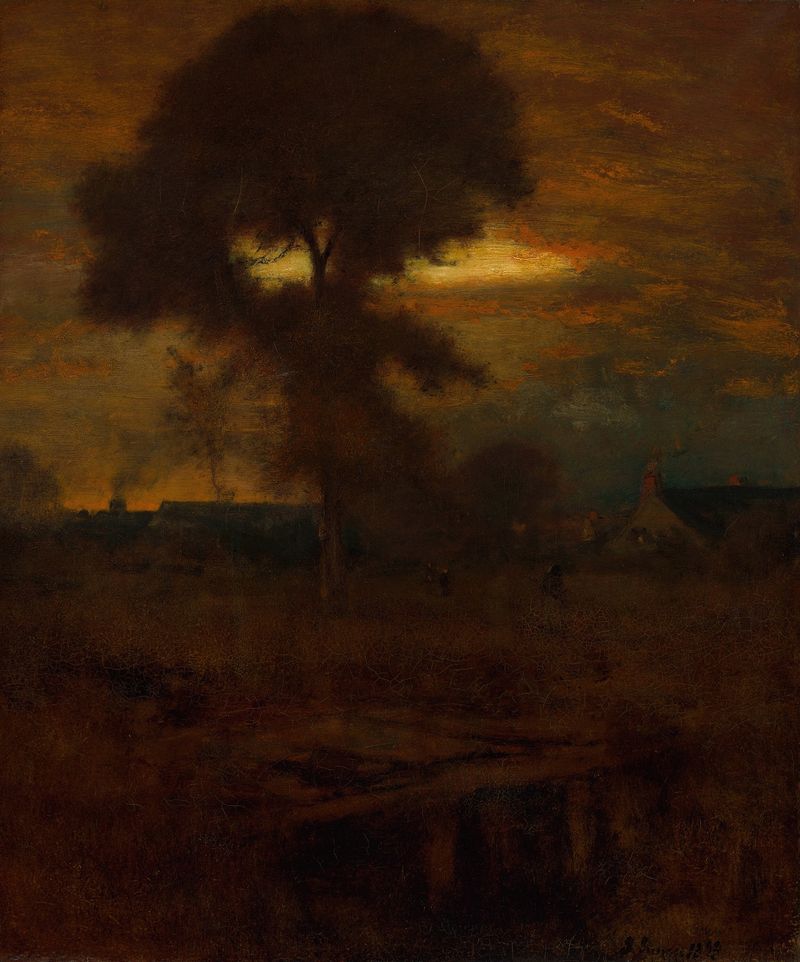
Afterglow
George Inness
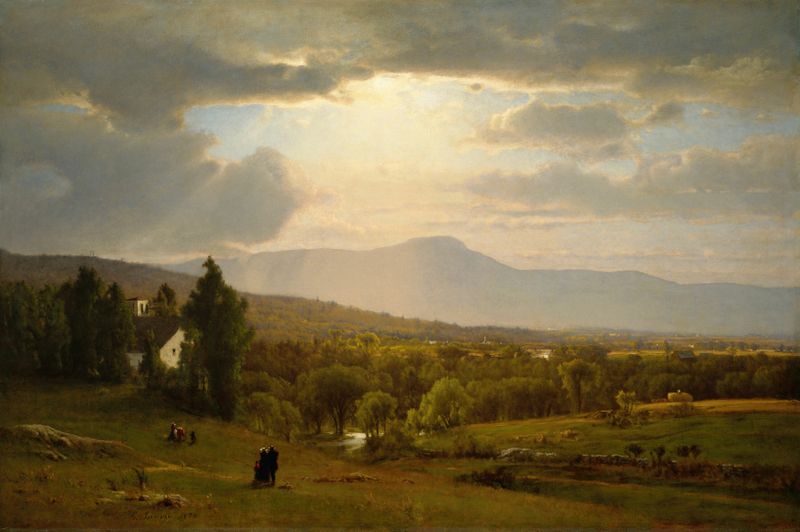
Catskill Mountains
George Inness





