
The Old woman with a rosary. — History & Facts
What first catches the eye in The Old woman with a rosary is the gravity of presence: the sitter’s hands, quietly folded around the beads and cross, anchor the entire composition. Aleksander Kotsis draws us in with the warmth of fur draped across her shoulders, the blue-green of her cloak peeking through, and the crisp white of a ruffled bonnet framing a face marked by age and reflection. Light falls gently from the left, illuminating the soft textures of skin and fabric, and picking out the rosary’s red beads and golden cross, which rest against her chest like a shield.
The woman’s gaze, directed slightly away from us, suggests a private world of memory or prayer, while her faint smile and pursed lips hint at both resignation and dignity. Every detail—the careful rendering of her hands, the subtle shadows beneath her eyes—invites us to linger, searching for the story behind her composure. Painted in 1860, this work belongs to a moment in European art when portraits of everyday people, especially the elderly and humble, gained new dignity and attention. Such portraits were rarely grand commissions; instead, they were often created for private devotion or as tokens of family memory, especially in Central and Eastern Europe.
Kotsis, working in a period of shifting national identities and social change, captures not just an individual but a type: the steadfast matriarch, her faith and endurance made visible in every line. Now housed in the National Museum in Warsaw, the painting stands as a quiet testament to the lives that rarely made headlines, but shaped the world in quieter ways. Look again at her hands, and consider how much of a life can be held in a single gesture.
More Artworks by Aleksander Kotsis

Trip in the Tatra Mountains
Aleksander Kotsis

Fair in Nowy Targ
Aleksander Kotsis
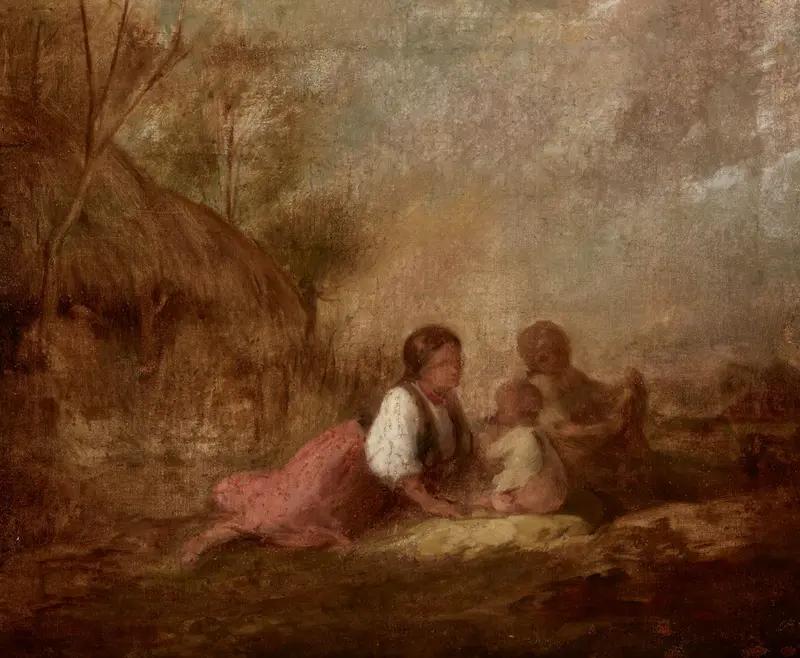
Pastoral Scene
Aleksander Kotsis
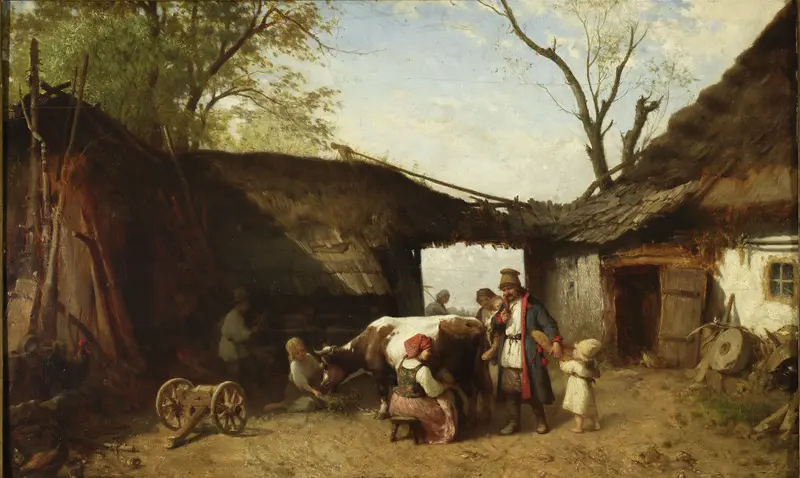
In the farmyard
Aleksander Kotsis
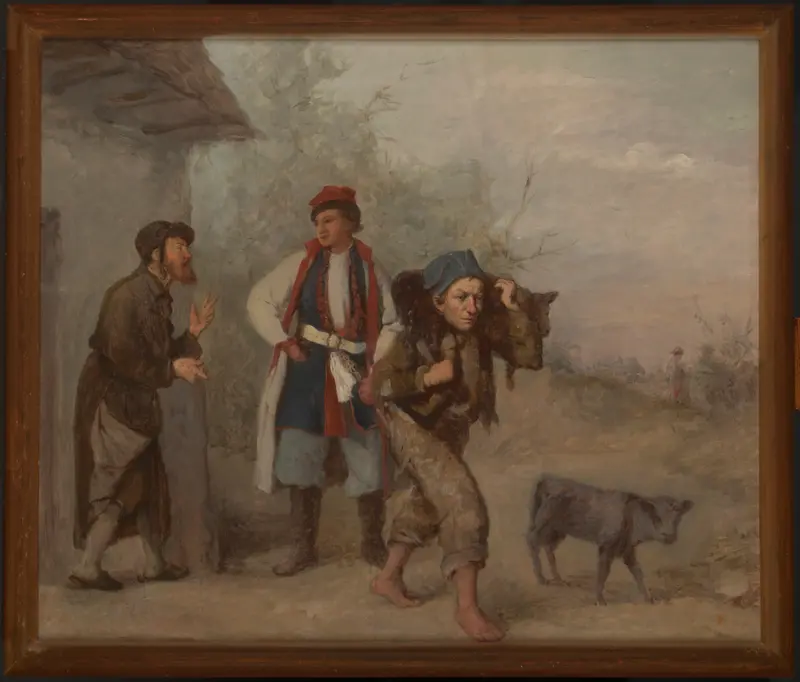
Haggling over a Calf
Aleksander Kotsis
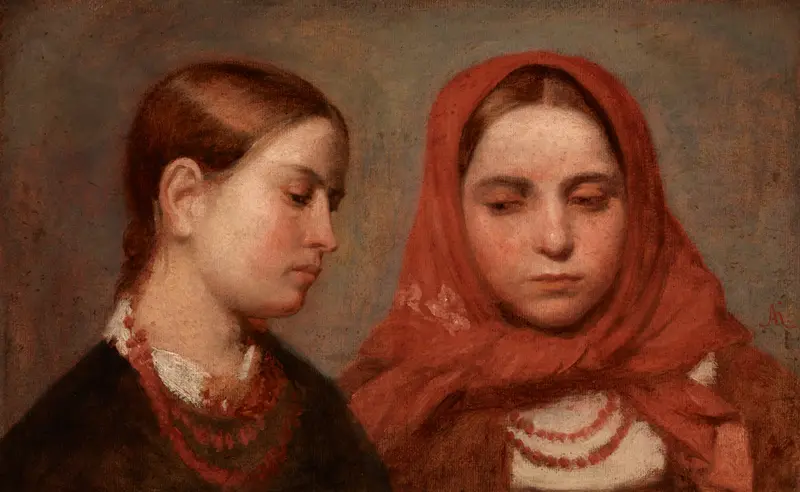
Heads of Two Young Girls
Aleksander Kotsis
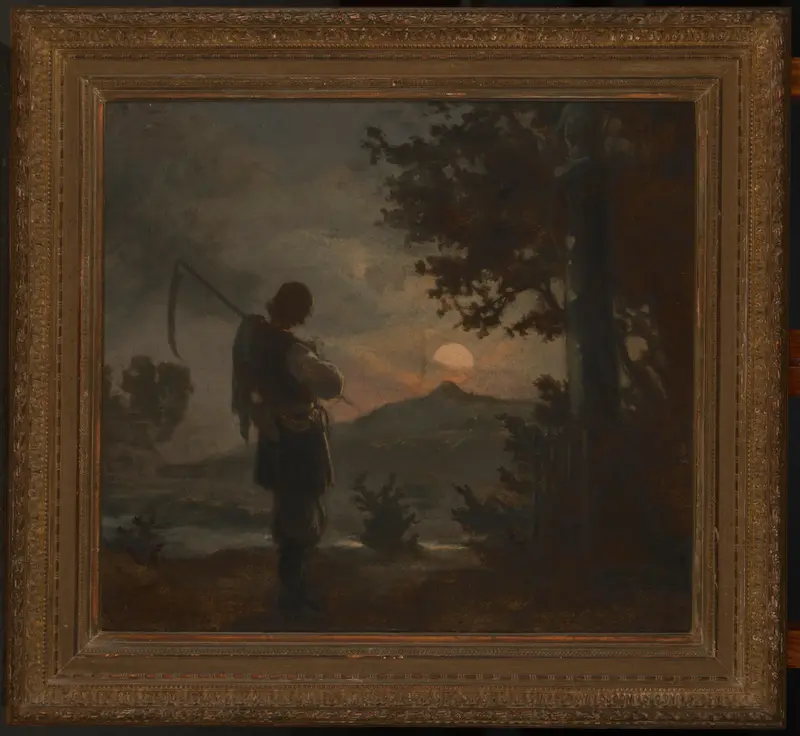
Haymaker
Aleksander Kotsis
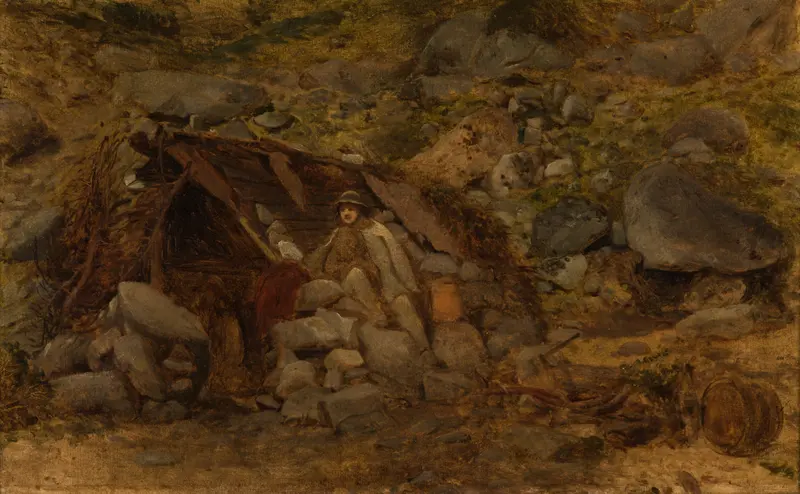
Highlander in Front of a Hut
Aleksander Kotsis
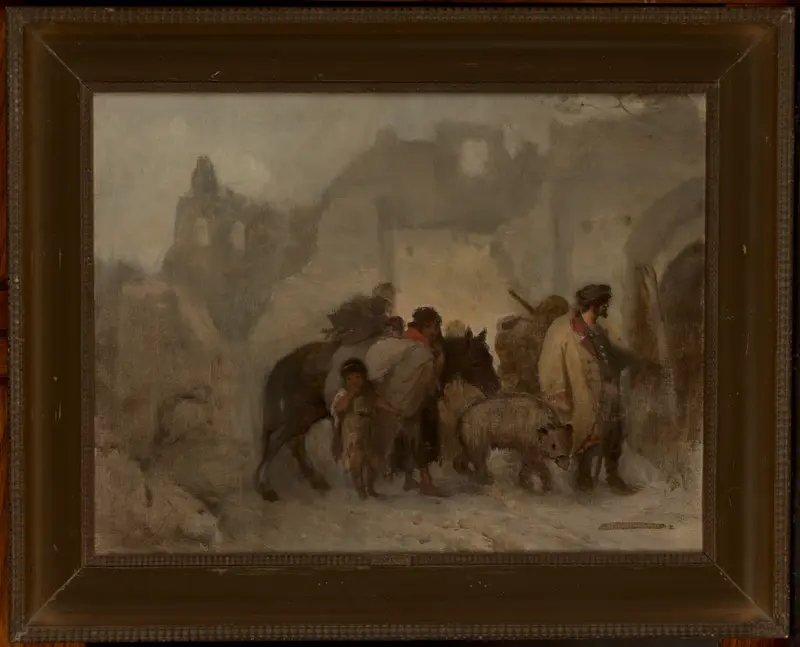
Gypsies
Aleksander Kotsis
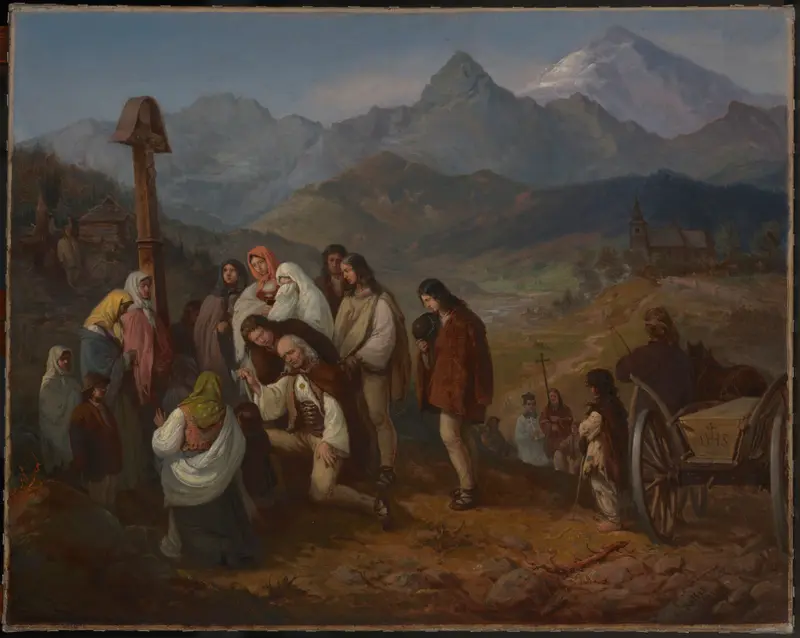
A Highlander's Funeral
Aleksander Kotsis





