
The Overturned Bouquet — History & Facts
What first catches the eye in The Overturned Bouquet is not the riot of color or the delicacy of petals, but the sudden, almost theatrical interruption—a wild-eyed cat, mouth open in mid-yowl, crouched beside a toppled mouse trap and a cascade of flowers. The bouquet, once upright and composed, has spilled its treasures in a tangle of stems and blossoms, as if the drama of the hunt has upended the very order of nature. Light glances across the velvet petals and glossy leaves, picking out the trembling edge of a tulip and the iridescence of a butterfly’s wing, while shadows deepen the sense of chaos and suspense.
Every detail is rendered with a jeweler’s precision: the glint of the trap’s metal, the fine hairs on the cat’s fur, the dewdrops trembling on a rose. The whole scene hovers between beauty and menace, inviting the viewer to linger in the uneasy quiet after the commotion. Painted in 1670, this work by Abraham Mignon belongs to the world of Dutch still life, where flowers, animals, and objects were arranged not just for delight but as meditations on the fleetingness of life and fortune. In the bustling Dutch Republic, such paintings adorned the homes of prosperous merchants, their intricate symbolism and technical brilliance a testament to worldly success and moral reflection.
The presence of the cat and the sprung trap hints at the unpredictability lurking beneath surface order—a reminder, perhaps, that even the most carefully arranged beauty can be undone in a moment. Today, The Overturned Bouquet is preserved in the collection of the Rijksmuseum, its tangled narrative and luminous detail still challenging viewers to look closer and find their own meaning in the disorder.
More Artworks by Abraham Mignon

Still Life with Flowers and a Watch
Abraham Mignon
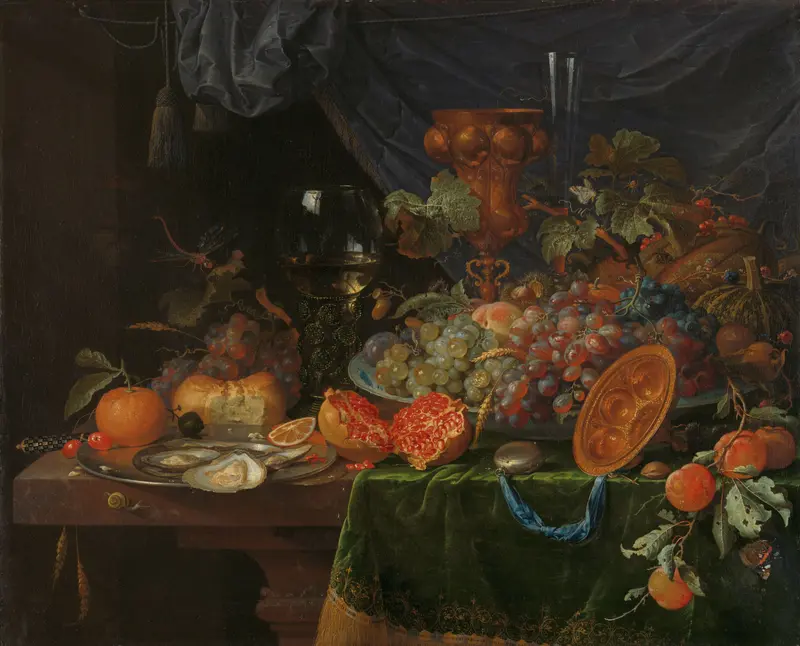
Still Life with Fruit and Oysters
Abraham Mignon
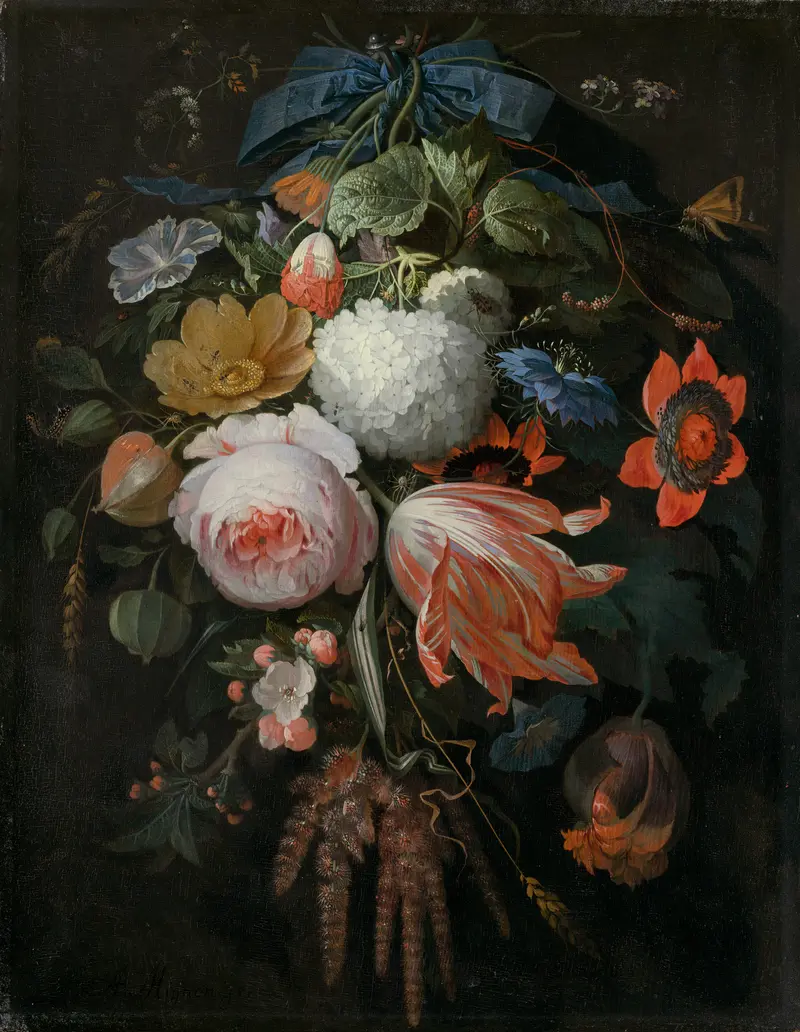
A Hanging Bouquet of Flowers
Abraham Mignon
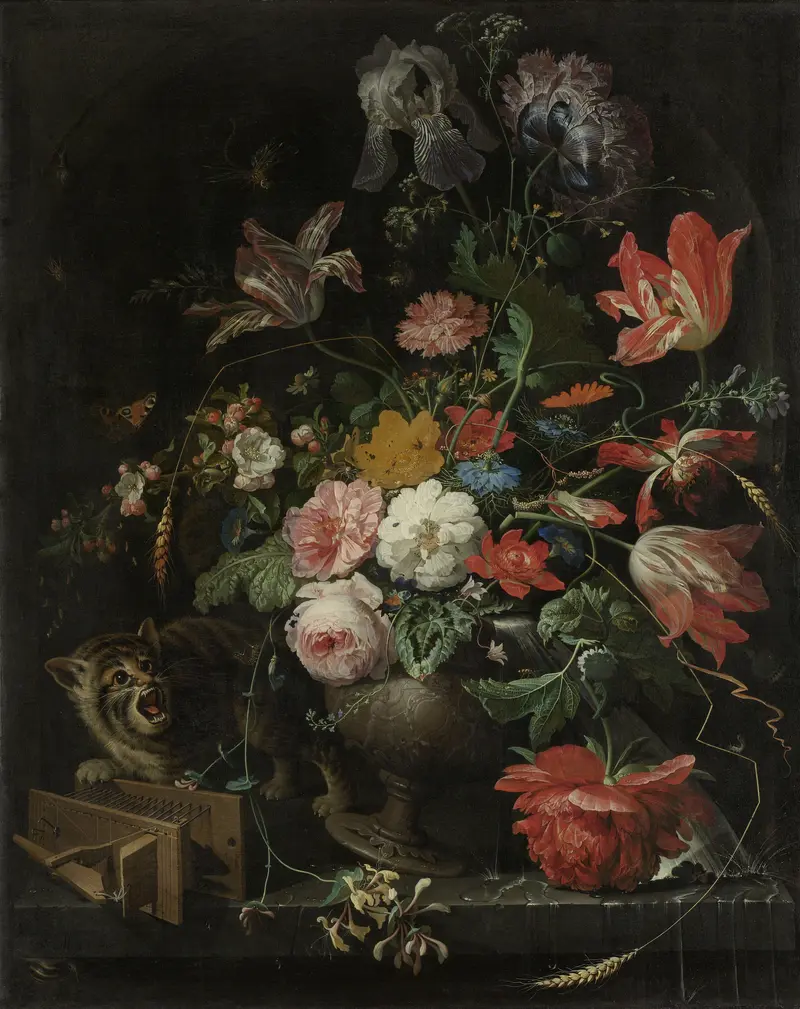
Bouquet with cat and mousetrap
Abraham Mignon
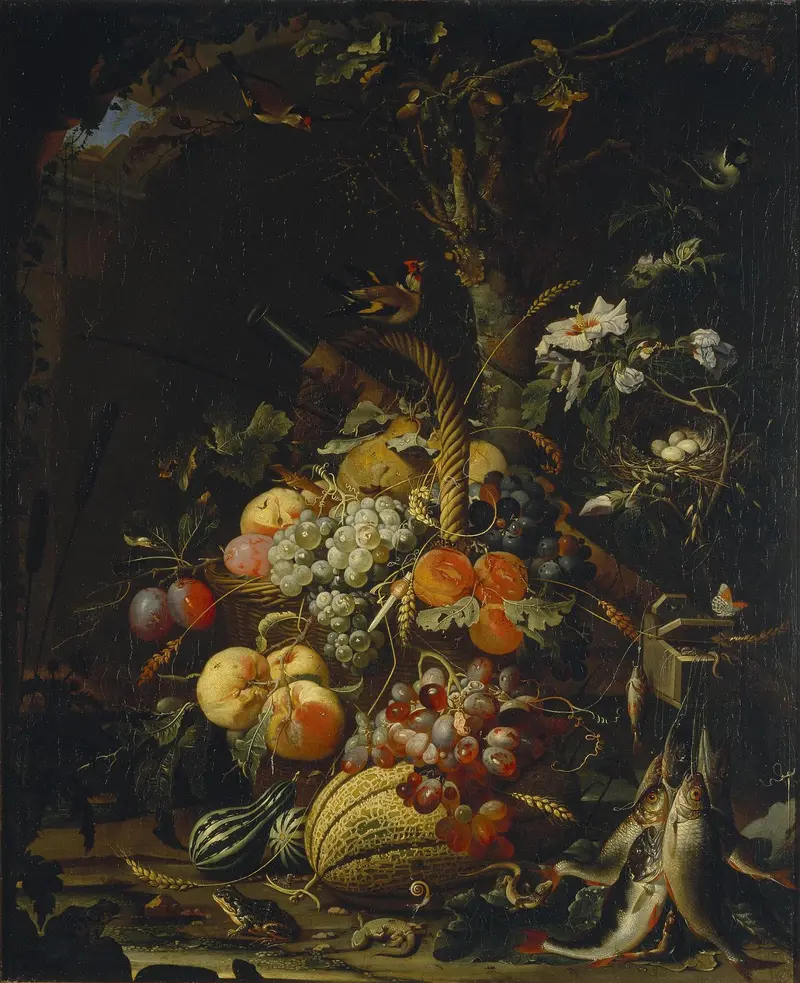
Forest floor still life with fruit, fish and a bird's nest
Abraham Mignon
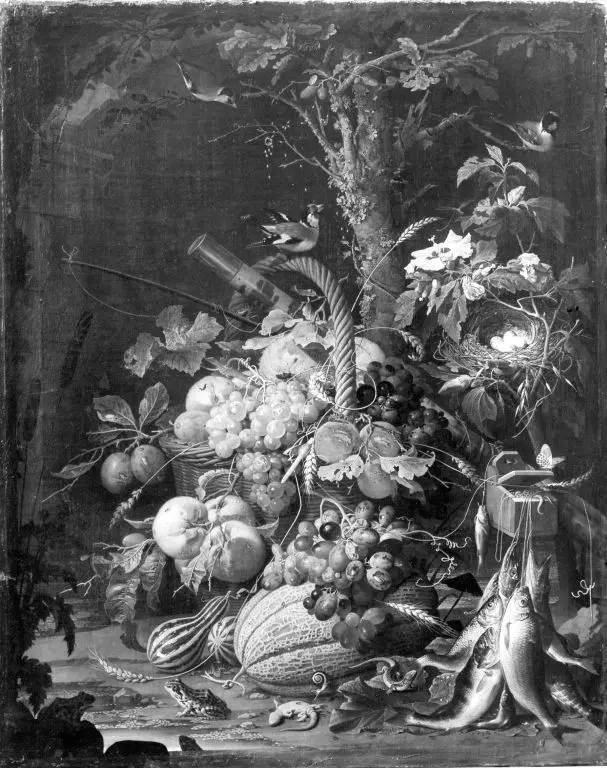
Still life with fruit, fish and a bird's nest
Abraham Mignon
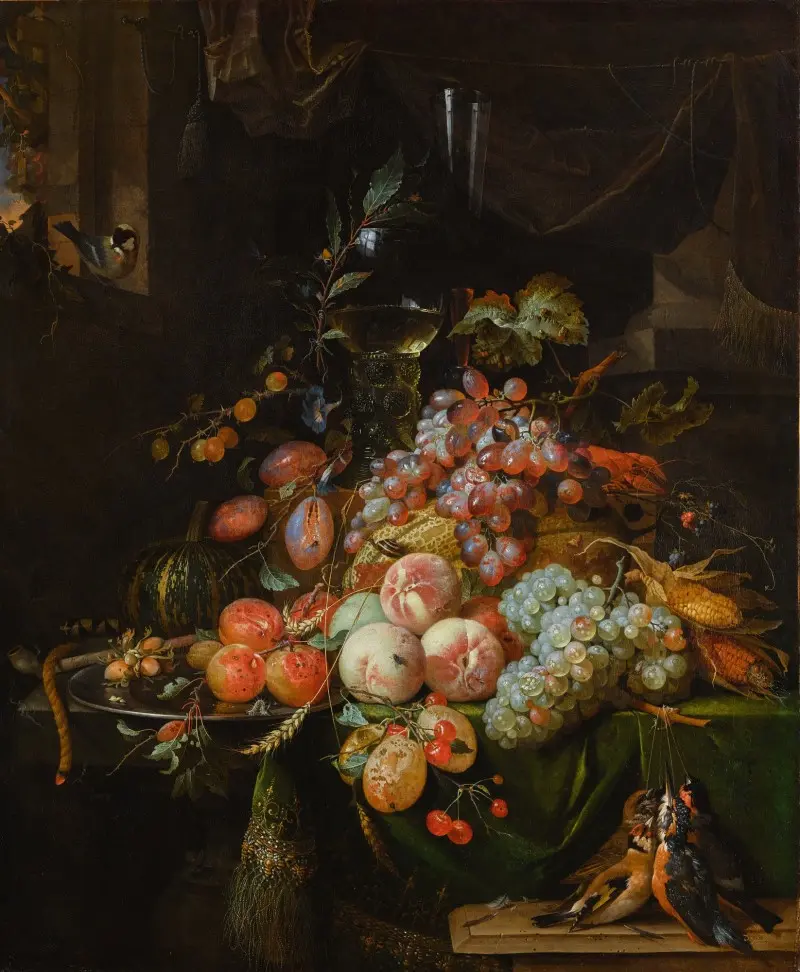
Still Life with Plums, Peaches, Apricots, Grapes and a Melon
Abraham Mignon
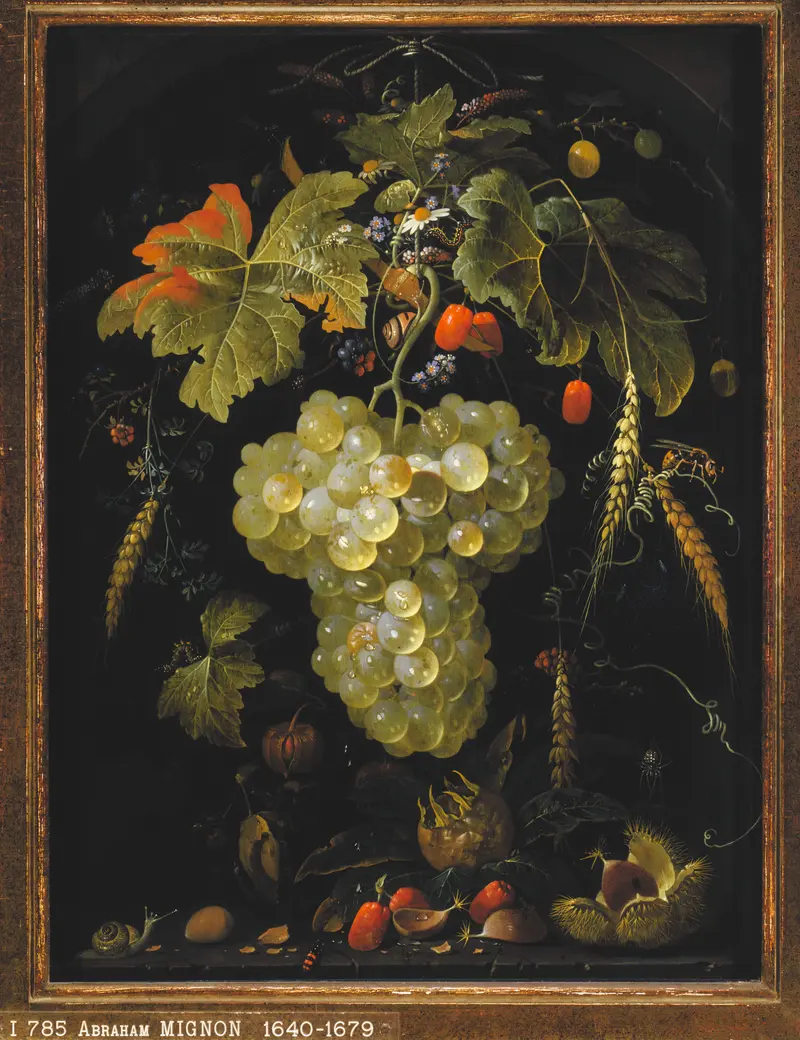
Festoon of fruit suspended from a rope, in a niche
Abraham Mignon
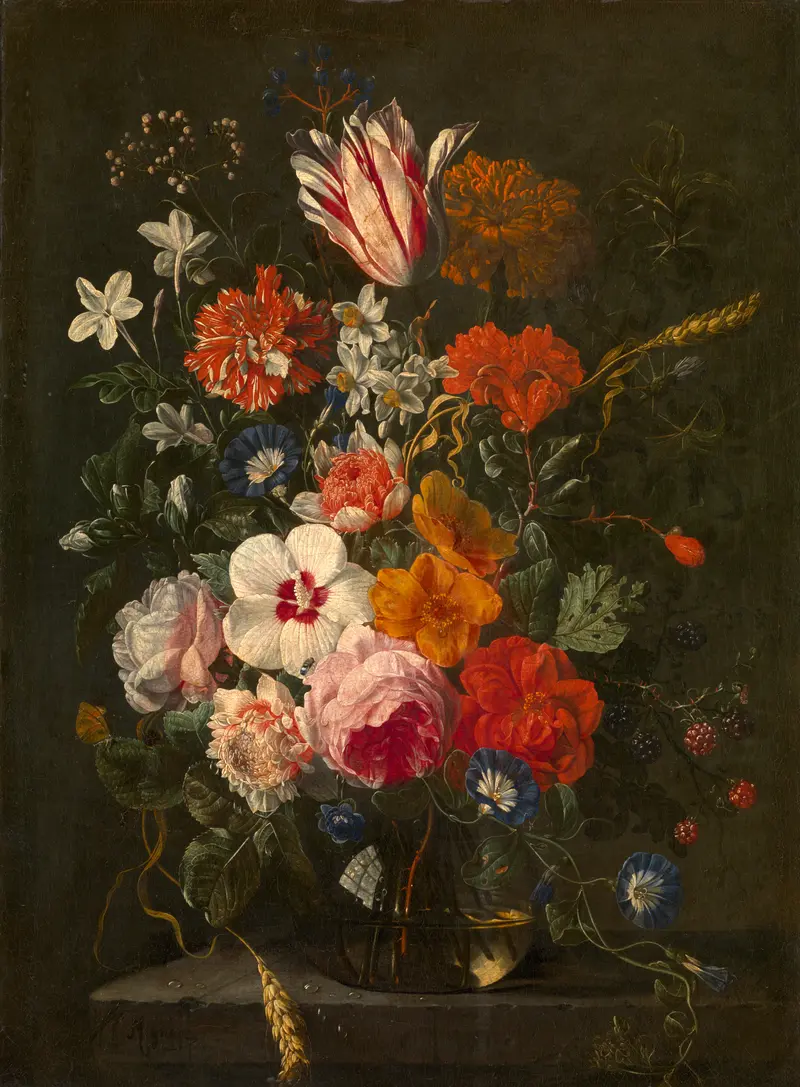
Flowers and a branch of berries in a glass vase on a stone ledge
Abraham Mignon
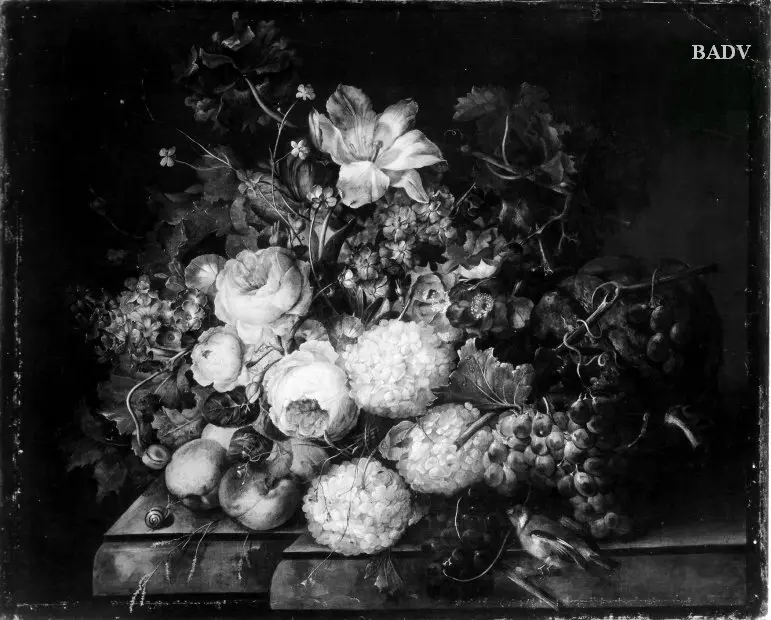
Flowers and fruit on a plinth
Abraham Mignon





