
The Penance of Jane Shore — History & Facts
In 1793, William Blake turned to the tragic figure of Jane Shore, the infamous mistress of King Edward IV, whose dramatic fall from grace gripped the imagination of both his contemporaries and earlier generations. Jane’s public penance—forced to walk barefoot through the streets of London in 1483, clad only in a white sheet—became a symbol of both royal caprice and the perils faced by women at court. Blake’s choice to depict this episode reflects the late eighteenth-century fascination with moral reckoning and the redemptive power of suffering, themes that also haunted the poetry and drama of his age. Blake captures Jane at the moment of her greatest humiliation: her head bowed, hair unbound, and body draped in the thin, ghostly sheet of repentance.
The surrounding figures, often rendered with Blake’s characteristic intensity, either jeer or turn away, underscoring her isolation. The chain around her neck is not merely a sign of punishment but a visual metaphor for the burdens of guilt and public judgment. Light falls starkly on Jane, separating her from the shadowy crowd and hinting at the possibility of spiritual redemption—an interpretation that sets Blake apart from earlier treatments, such as Hans Holbein’s more restrained woodcut of the same subject.
Where Holbein’s Jane is a cautionary tale, Blake’s is a study in human suffering and dignity. The exact medium of The Penance of Jane Shore remains uncertain, as does its original commission; some scholars believe it was intended as an illustration for a literary work, possibly Thomas More’s account of Jane’s fate. The painting’s provenance is unclear, and it has not been as widely exhibited or catalogued as Blake’s more famous illuminated books and watercolors. Nevertheless, it stands as a vivid example of Blake’s engagement with English history and his lifelong preoccupation with innocence, guilt, and the possibility of redemption.
Today, the work is valued for its rare combination of historical narrative and Blake’s singular visionary style, even as questions about its early ownership and exhibition history remain unresolved.
More Artworks by William Blake
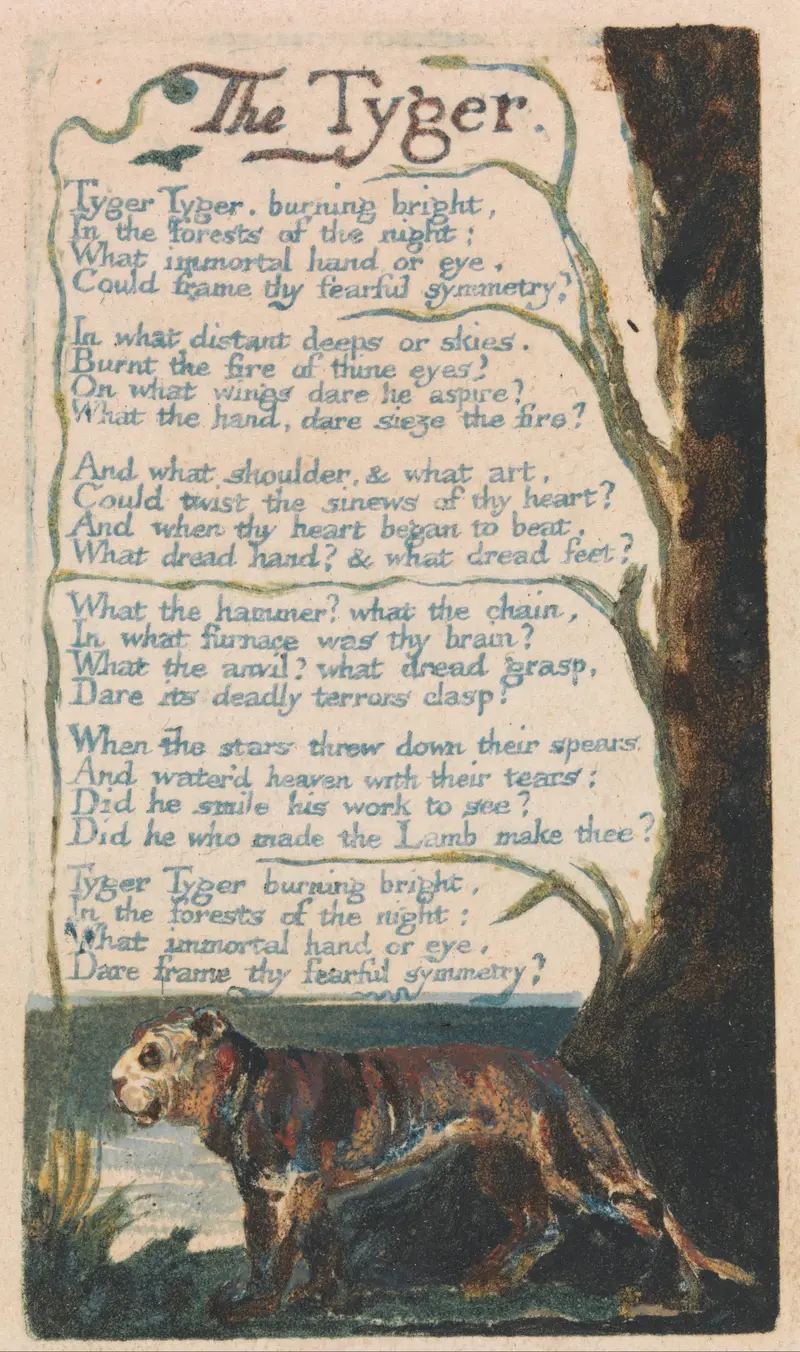
The Tyger
William Blake

Christ Blessing
William Blake
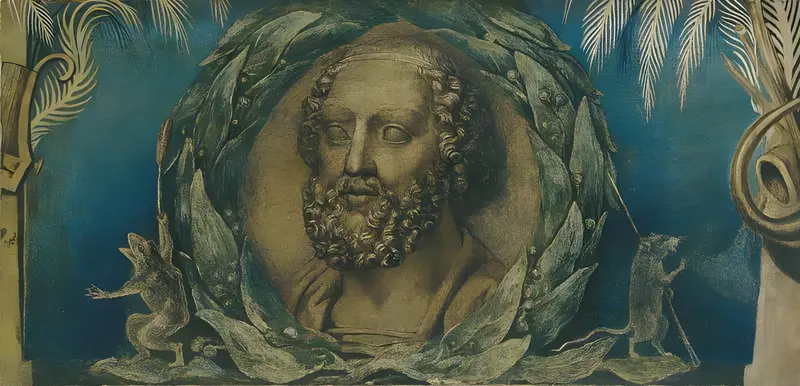
Homer
William Blake
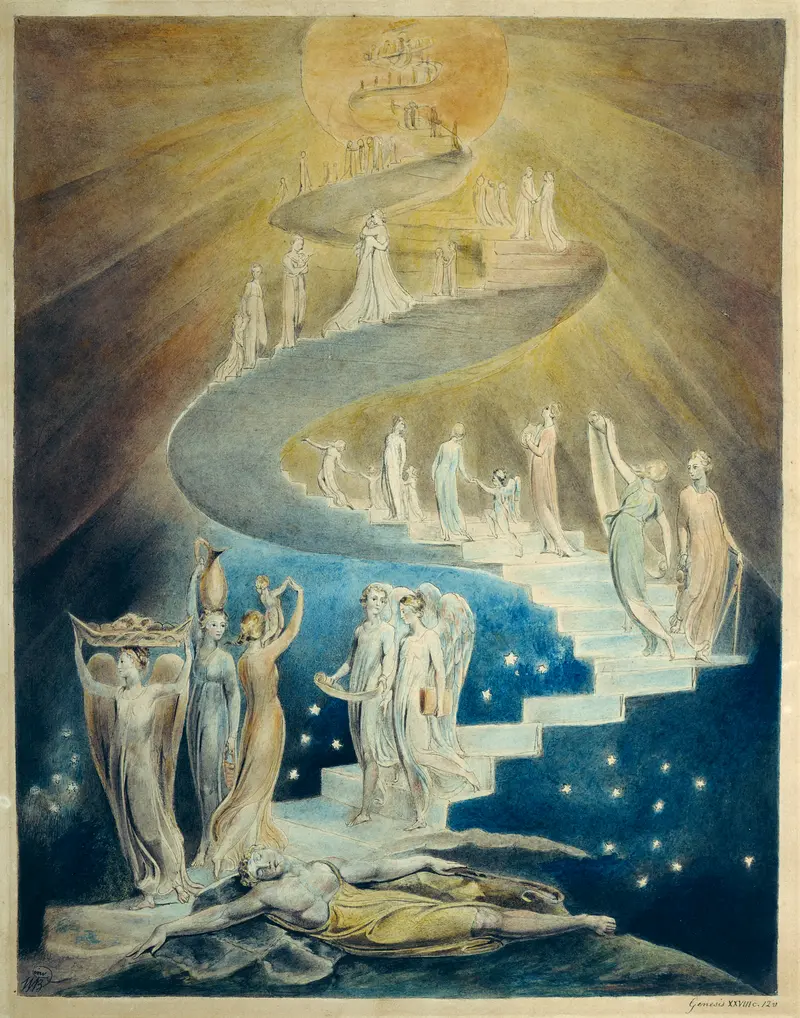
Jacob's Ladder
William Blake
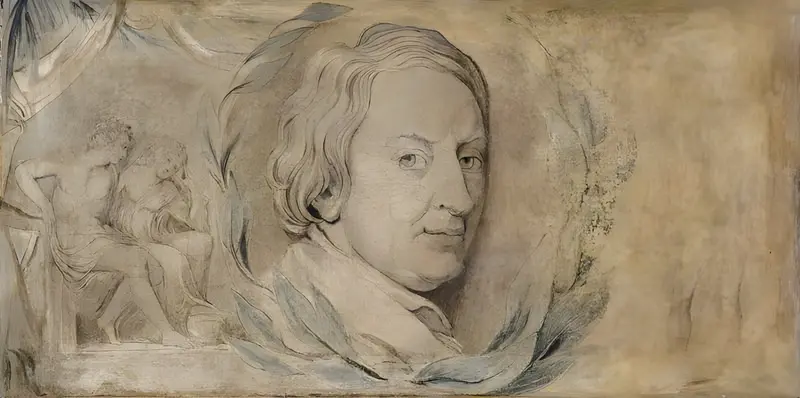
John Dryden (1631–1700)
William Blake

Landscape near Felpham
William Blake
Sacrifice of Job
William Blake
Christ's Entry into Jerusalem
William Blake
The Ancient of Days
William Blake
Adam Naming the Beasts
William Blake





