
The Piazza San Marco, Venice — History & Facts
In the vibrant embrace of a bustling square, moments unravel like the petals of a flower, revealing layers woven from life itself. Here, transcendence feels palpable, not just in the subjects portrayed but in the very act of seeing. Look to the left at the dappled sunlight filtering through the trees, casting playful shadows on the cobblestones. Notice how Renoir’s brush strokes dance with warmth and vibrancy, creating an atmosphere that feels almost electric.
The figures, swathed in soft hues that blend seamlessly into the background, invite you to share their experience in this intimate gathering, stirring curiosity about their stories and connections. Amidst the lively scene, contrasts emerge—between the animated figures and the serene architecture of the basilica in the distance. The bustling energy of the crowd juxtaposes with the stillness of the grand, historical structures, hinting at Venice’s layered history and the fleeting nature of human interaction. Renoir captures the delicate balance between movement and stillness, suggesting that amidst the chaos of life, there exists a deeper calm, a resonance that connects every moment. In 1881, the artist found himself in Venice, a city pulsating with art and cultural exchange.
It was a time when Impressionism was gaining traction, challenging traditional norms of representation. Renoir, eager to explore the nuances of light and color, embraced this opportunity to depict the dynamic pulse of life in a way that reflected both joy and contemplation. Here, he crafted not merely a scene, but a lens through which to experience the sublime.
More Artworks by Pierre-Auguste Renoir
Browse all →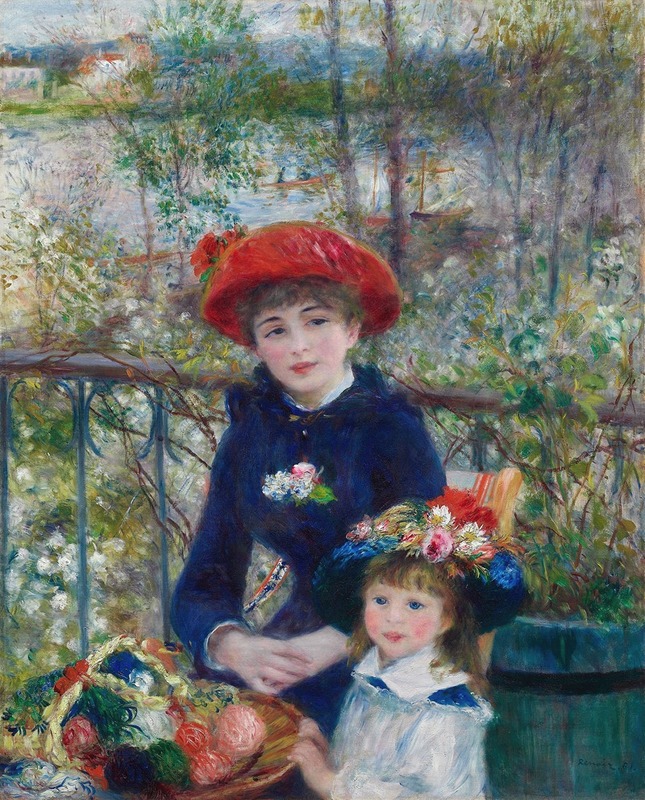
Two Sisters (On the Terrace)
Pierre-Auguste Renoir
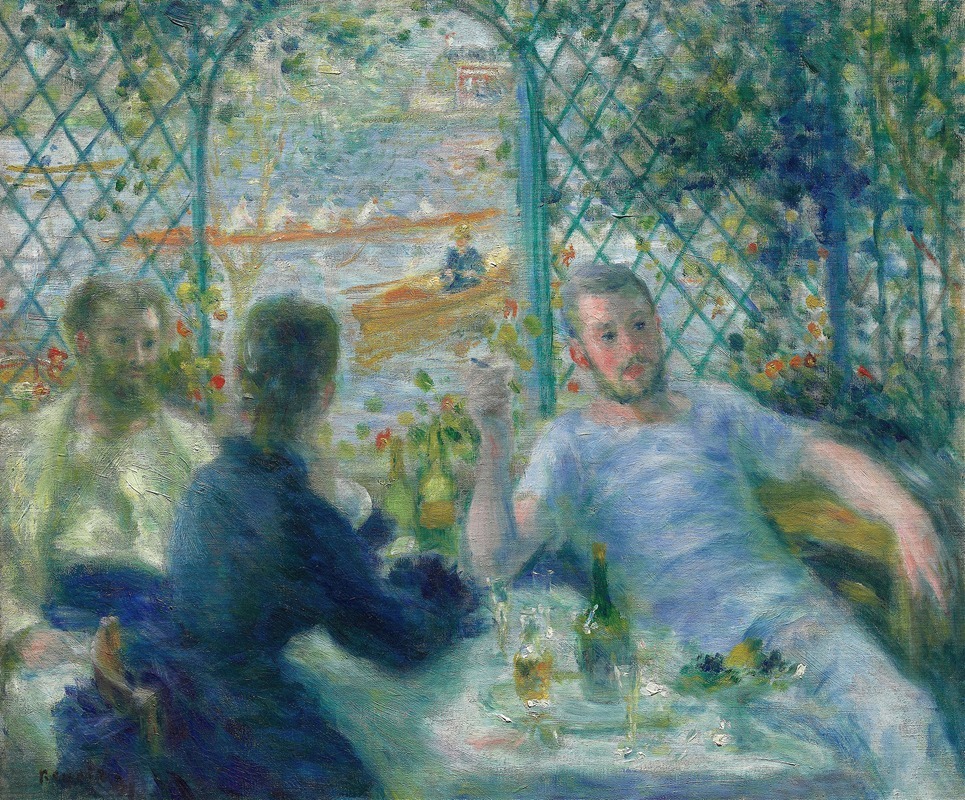
Lunch at the Restaurant Fournaise (The Rowers' Lunch)
Pierre-Auguste Renoir
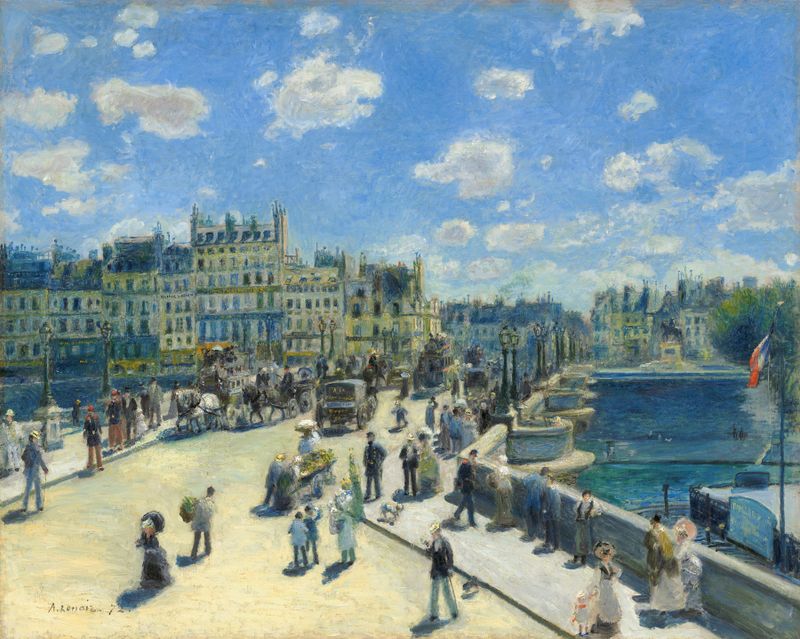
Pont Neuf, Paris
Pierre-Auguste Renoir
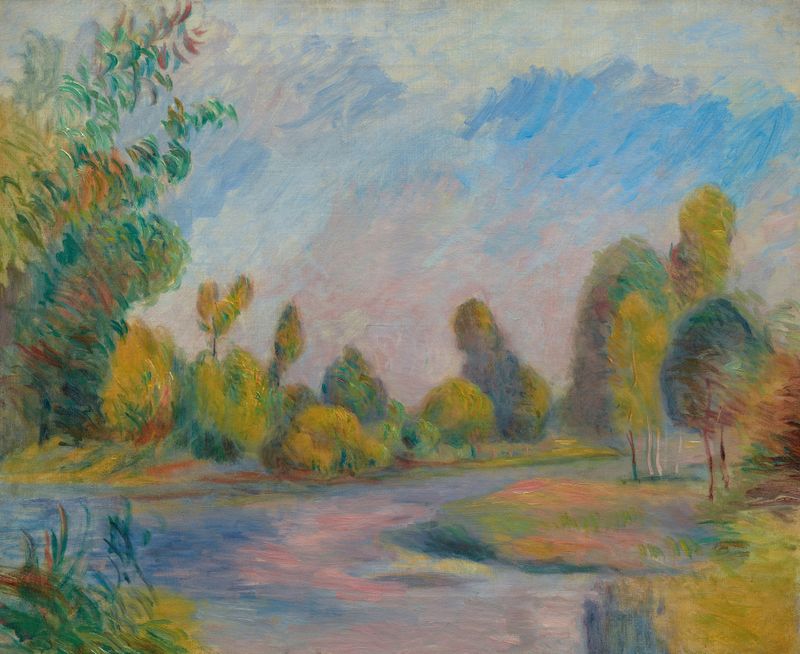
Au bord de la rivière
Pierre-Auguste Renoir

Near the Lake
Pierre-Auguste Renoir
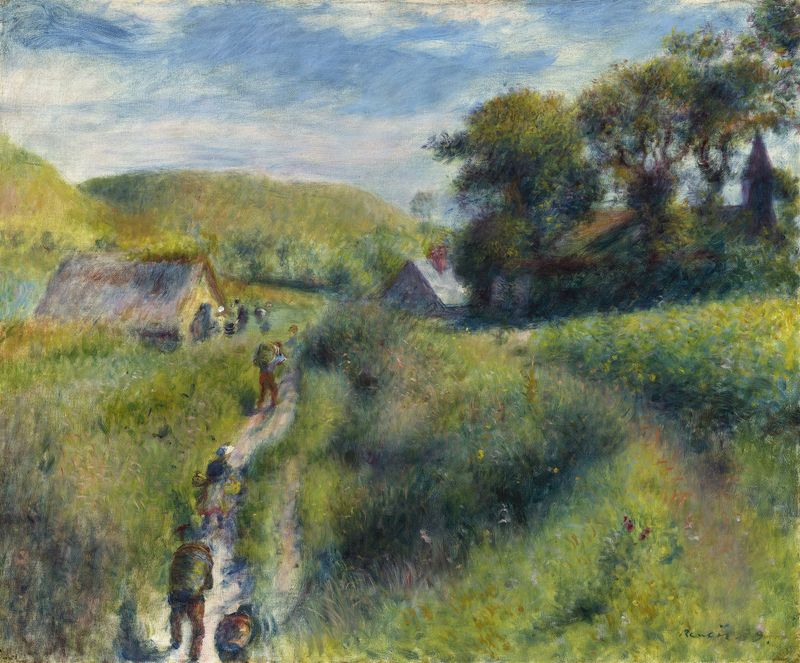
The Mussel Harvest
Pierre-Auguste Renoir

The Seine at Chatou
Pierre-Auguste Renoir
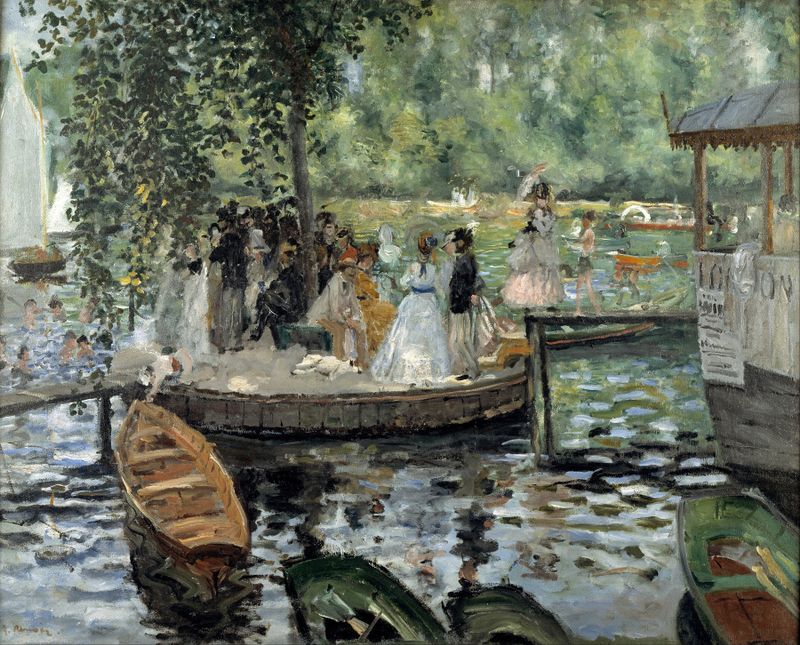
La Grenouillère
Pierre-Auguste Renoir
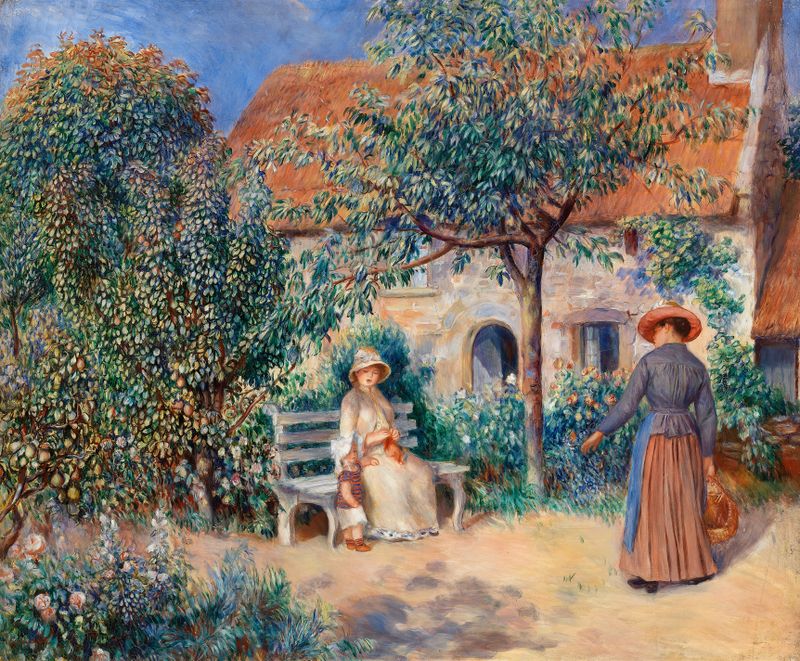
In Brittany (En Bretagne)
Pierre-Auguste Renoir
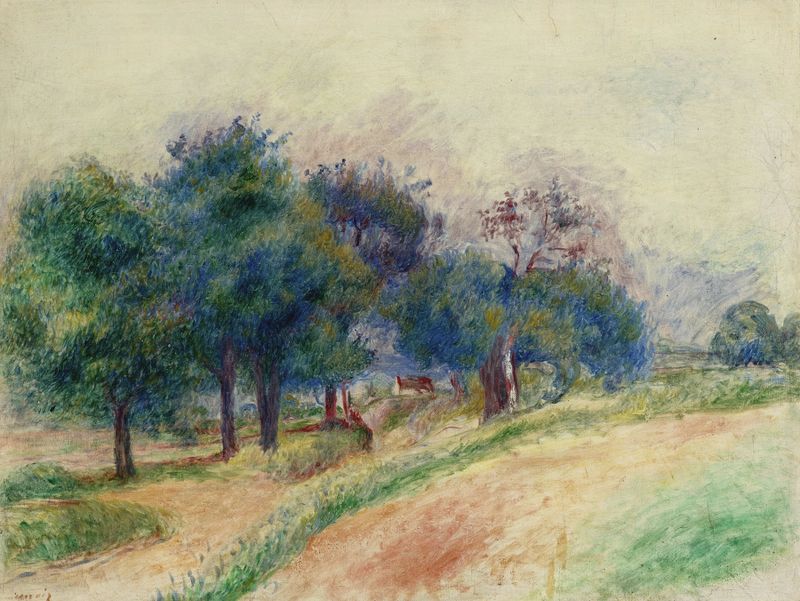
Paysage d’Essoyes
Pierre-Auguste Renoir





