
The Pier at Trouville — History & Facts
In the solitude of obsession, the canvas transforms into a refuge where fleeting moments are captured for eternity. Look to the left at the figures huddled beneath the awning, their postures suggesting an intimate conversation, both lost in the moment yet surrounded by the vibrant life of the pier. The contrasting hues of deep blues and warm ochres invite you to explore the scene, while the rhythmic brushstrokes evoke the gentle sway of the ocean. Notice how the light falls upon the water, creating a shimmering path that leads your gaze toward the horizon, whispering of adventures unknown. Delve deeper into the layered emotions of this piece.
The juxtaposition of the bustling pier against the serene expressions of the figures highlights a tension between external chaos and internal peace. The waves crashing in the distance symbolize the relentless passage of time, while the anchored boats serve as a reminder of stability amidst the tumult. Each secret detail, from the fragile reflections on the water's surface to the softened outlines of the distant crowd, speaks to the artist’s exploration of human connection and isolation. In 1877, Buhot painted this piece during his time in Trouville, a coastal town that beckoned artists with its enchanting landscapes.
This period marked a shift in the art world, as Impressionism began to take hold, and Buhot was drawn to its expressive potential. Surrounded by the beauty of his surroundings and the vibrant artistic community, he captured not just a scene but the essence of a transient moment—a fleeting glimpse into both the world and his own obsession with the human experience.
More Artworks by Félix Hilaire Buhot
Browse all →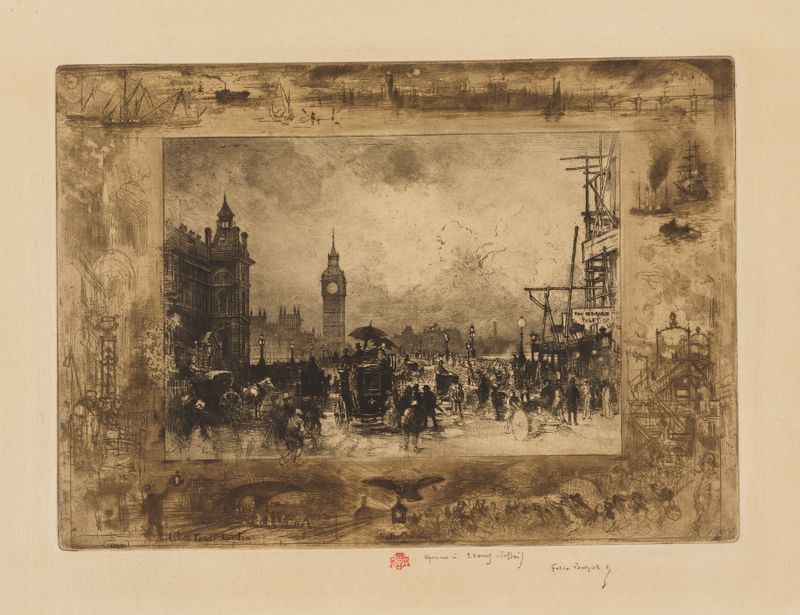
Westminster Bridge, or Westminster Clock Tower
Félix Hilaire Buhot
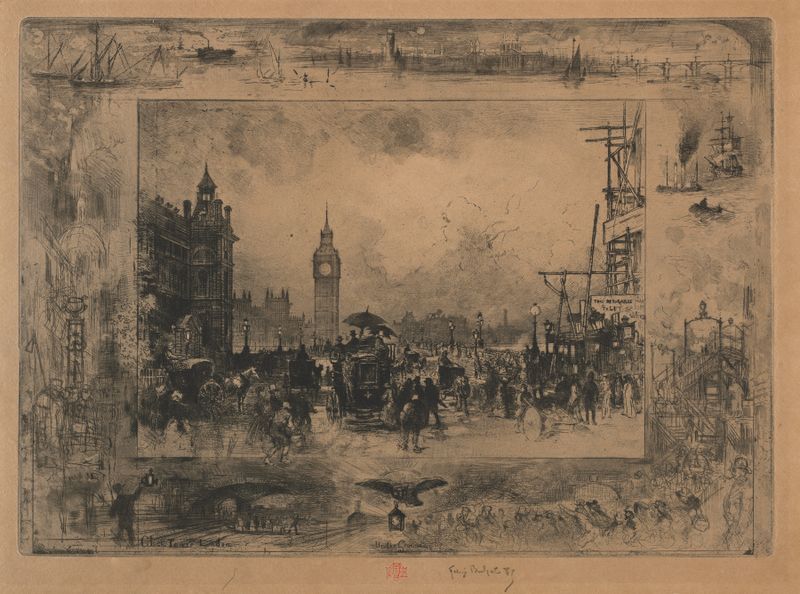
Westminster Bridge, or Westminster Tower
Félix Hilaire Buhot
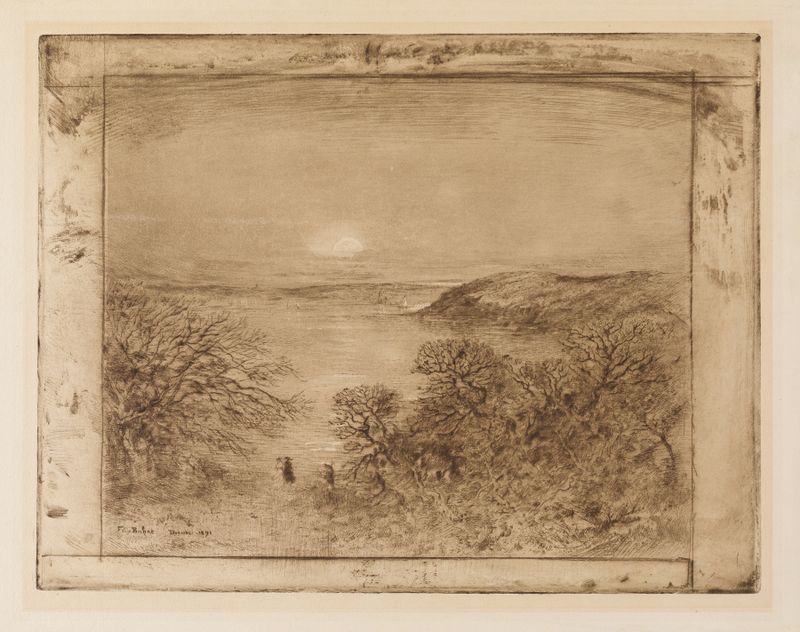
Moonrise at Dinard
Félix Hilaire Buhot
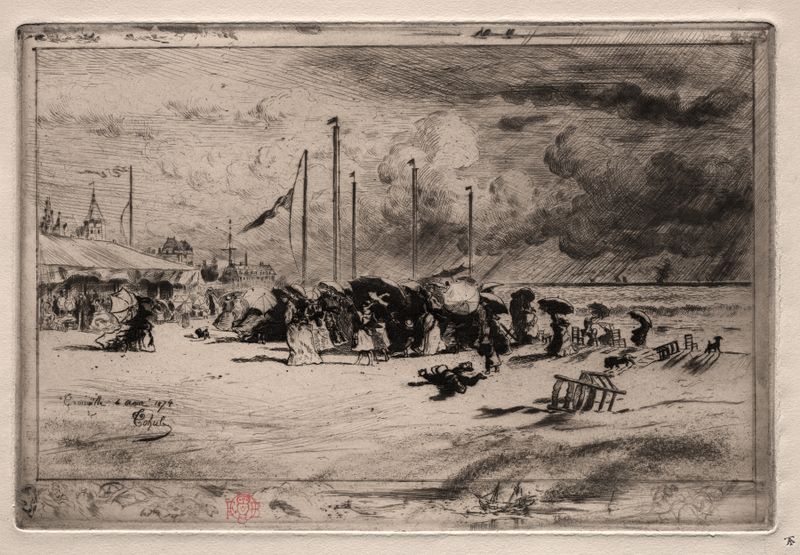
A Squall at Trouville
Félix Hilaire Buhot
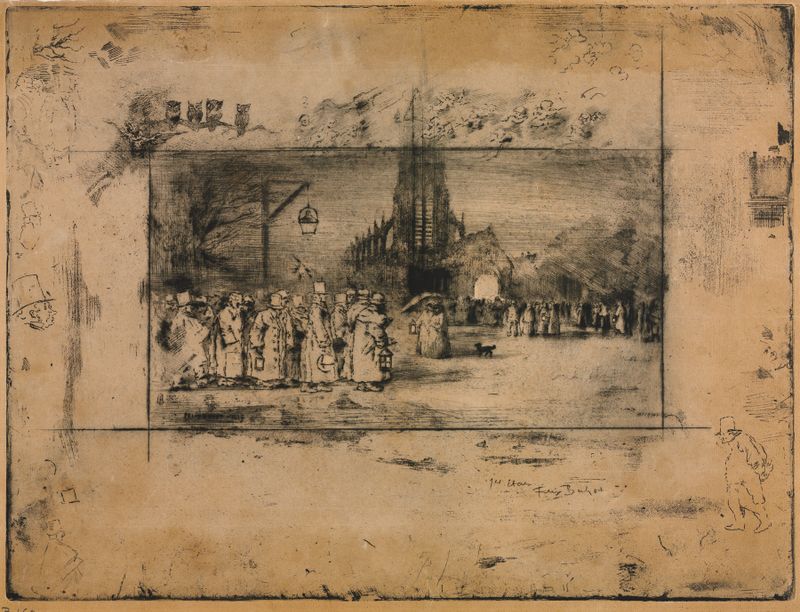
The Midnight Mass
Félix Hilaire Buhot
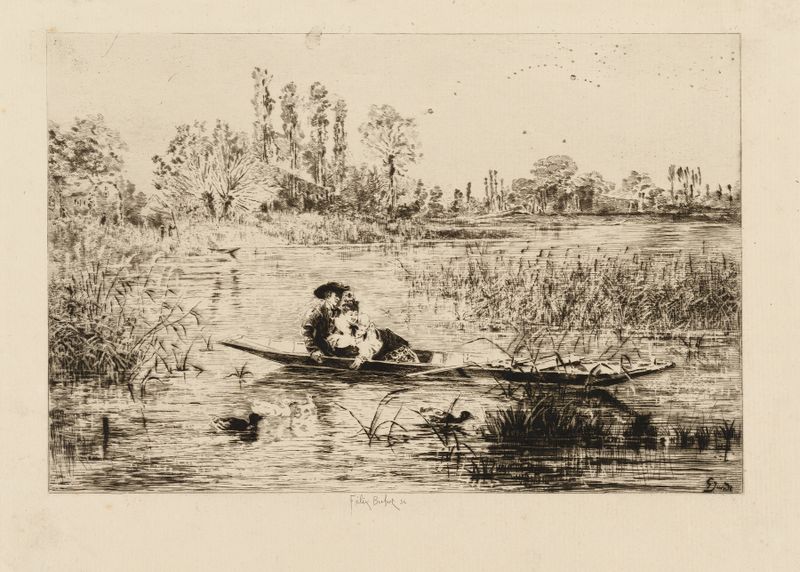
On the Thread of the Water
Félix Hilaire Buhot
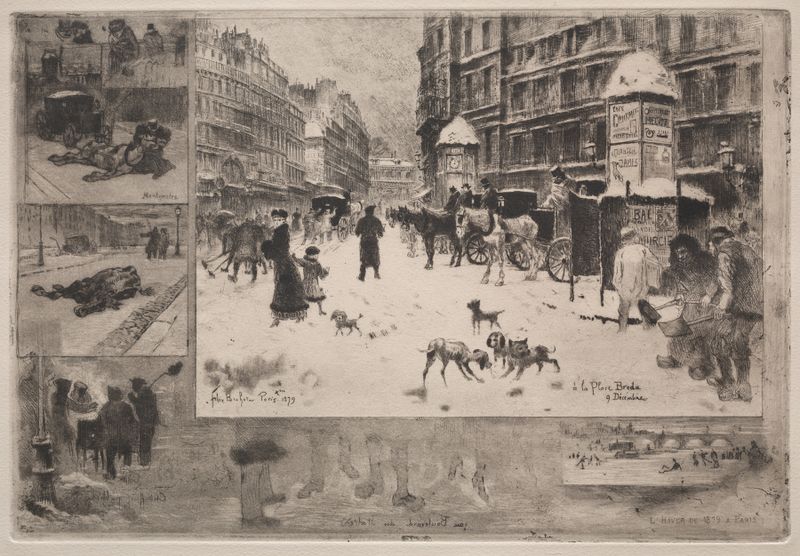
Winter in Paris
Félix Hilaire Buhot
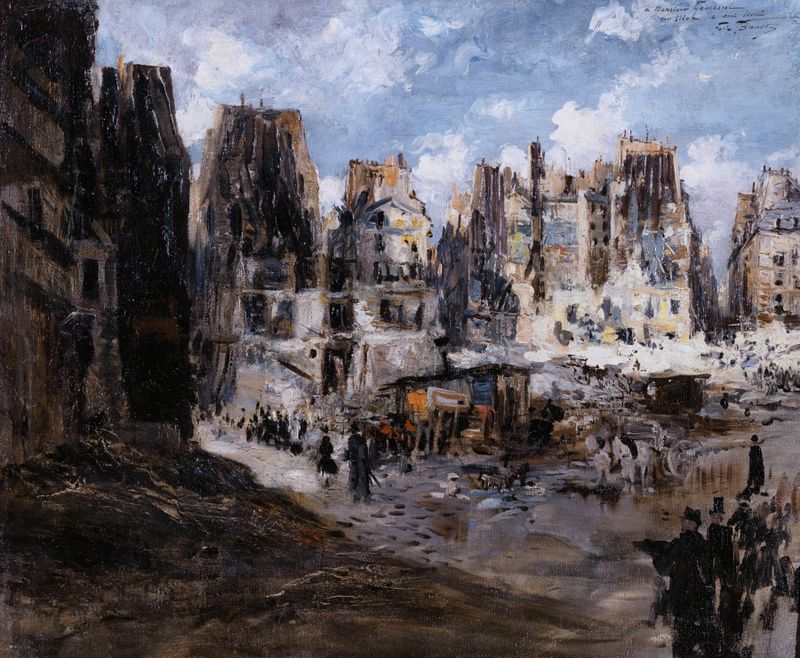
Le percement de l’avenue de l’Opéra.
Félix Hilaire Buhot
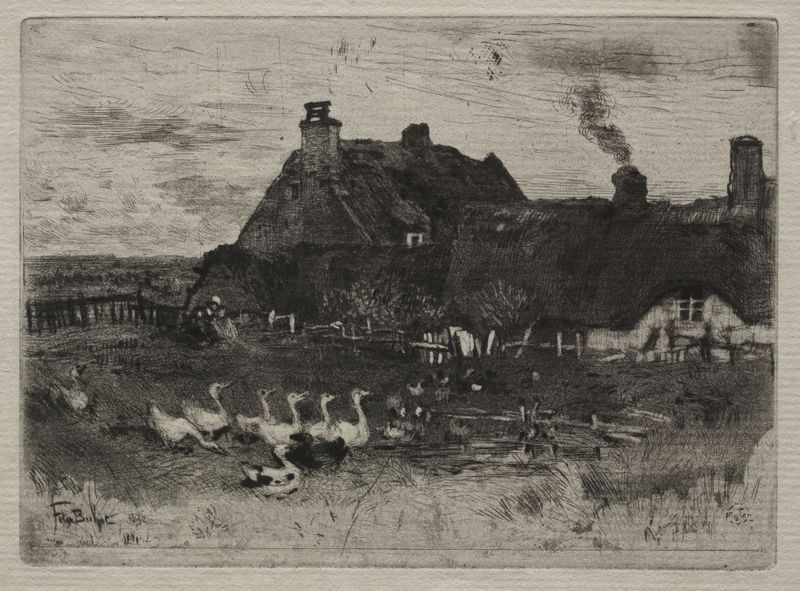
Thatched Cottages
Félix Hilaire Buhot
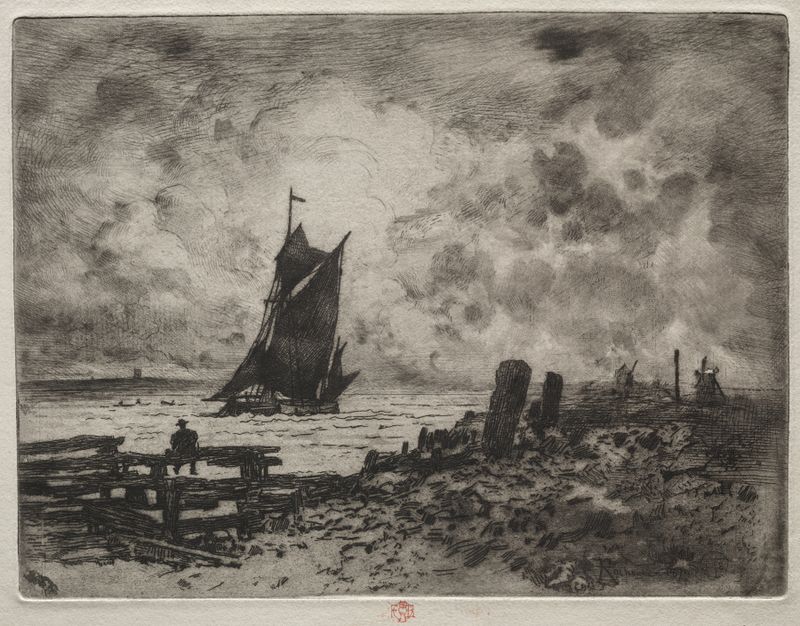
The Little Marine; Souvenir of Medway
Félix Hilaire Buhot





