
The Pigeon House Of Bellevue — History & Facts
In this stillness, we find a reflection of our own fears and uncertainties, captured in a moment that speaks volumes in silence. Look to the left at the striking contrast of the deep greens and earthy browns that envelop the pigeon house, where shadows dance playfully beneath the structure. The warm tones of the roof invite the eye to wander, while the delicate, almost hesitant strokes create an air of intimacy, making it feel as though the house itself is holding its breath. Notice how the light filters through the surrounding trees, illuminating the scene with a gentle glow, revealing a layered depth that beckons exploration. At first glance, the pigeon house seems ordinary, yet it resonates with a profound sense of isolation.
The stark lines of the building juxtaposed against the chaotic brushwork of nature illustrate the tension between human creation and the wildness of the world. Each detail, from the lopsided chimney to the overhanging branches, hints at the quiet fears of abandonment, reflecting the fragility of domestic life amid the vast, unyielding landscape. During the late 19th century, Cézanne crafted this piece in the serene yet introspective ambiance of Provence, a time when he sought to redefine the landscape genre. As his personal life oscillated between artistic ambition and social solitude, this work emerged amid his experiments with form and color, mirroring the shifting dynamics of the art world that surrounded him.
More Artworks by Paul Cezanne
Browse all →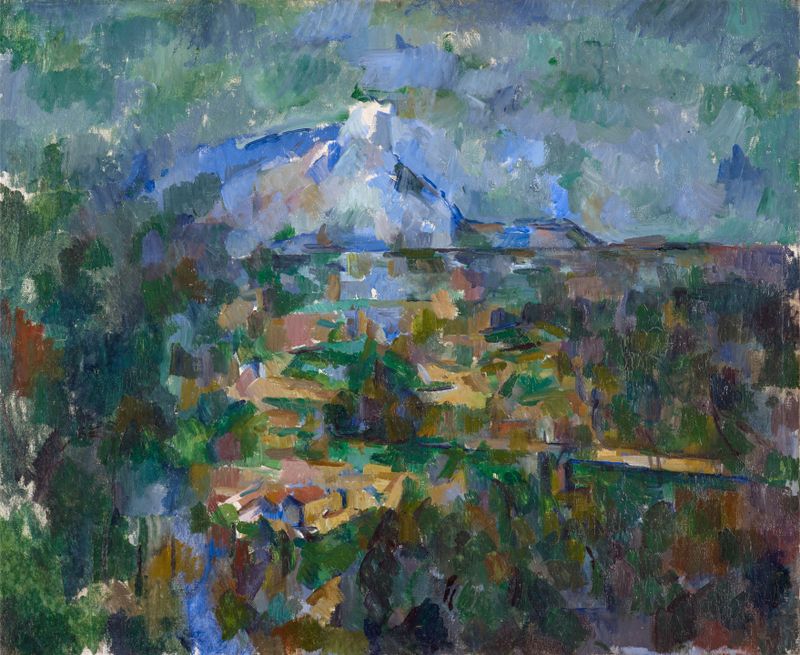
The Mont Sainte-Victoire Seen From Les Lauves
Paul Cezanne
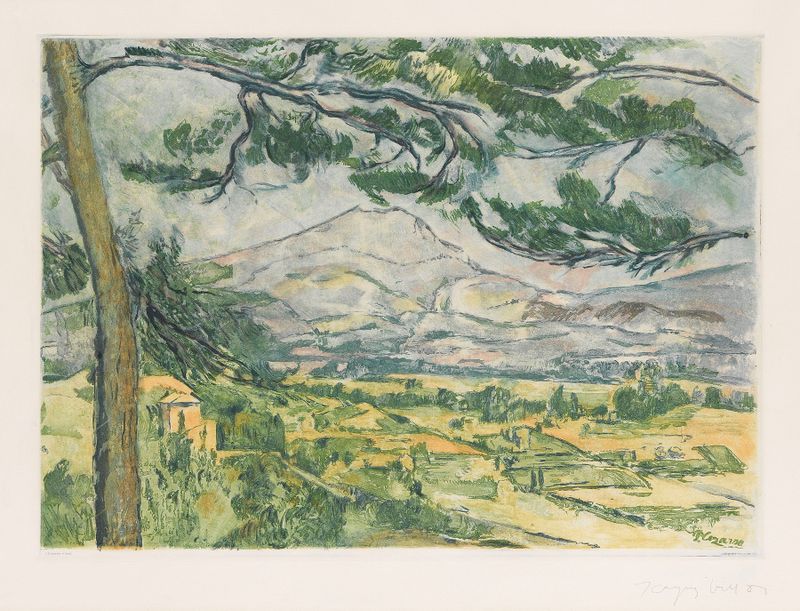
La Montagne Sainte-Victoire
Paul Cezanne
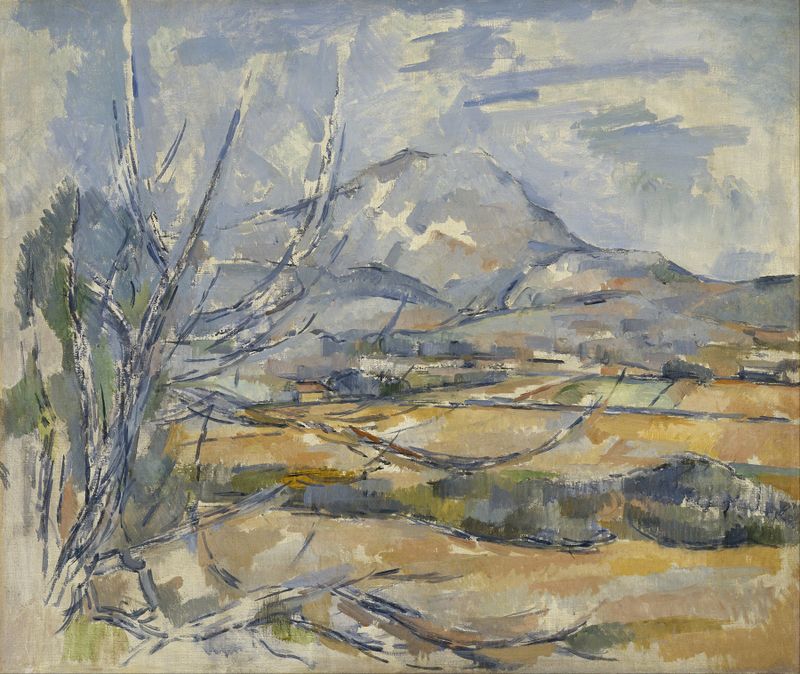
Montagne Sainte-Victoire
Paul Cezanne
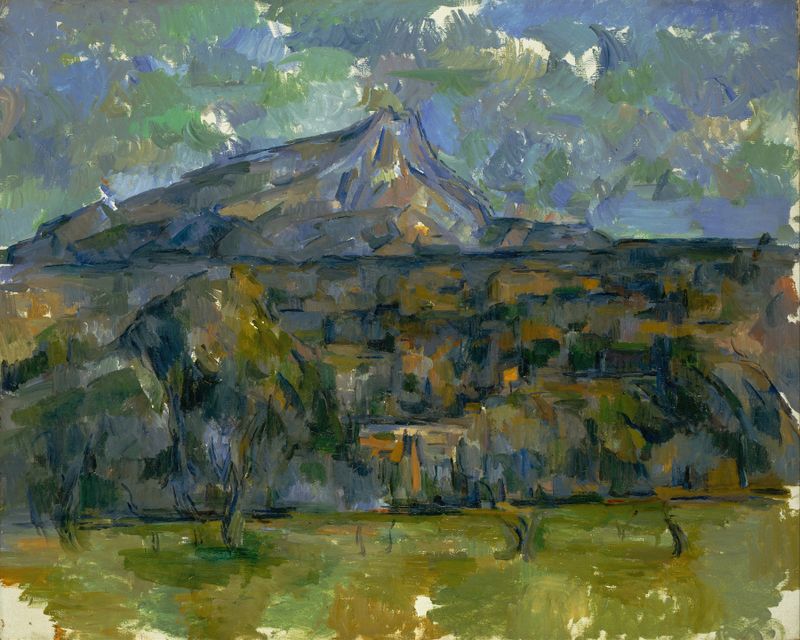
Mont Sainte-Victoire
Paul Cezanne
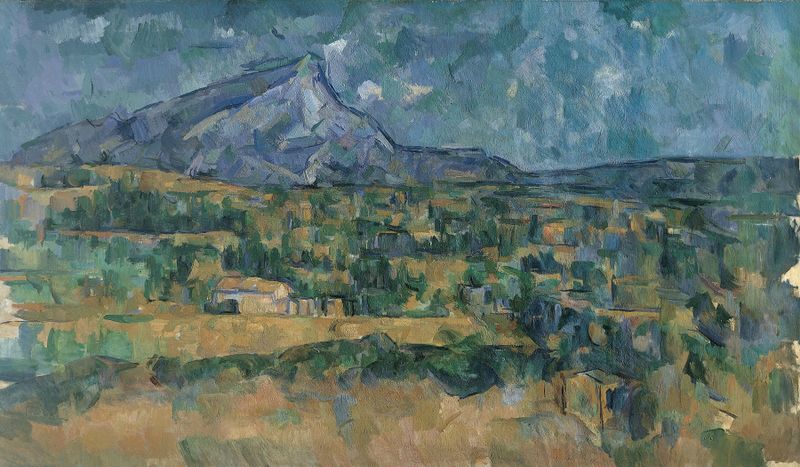
Mont Sainte-Victoire
Paul Cezanne
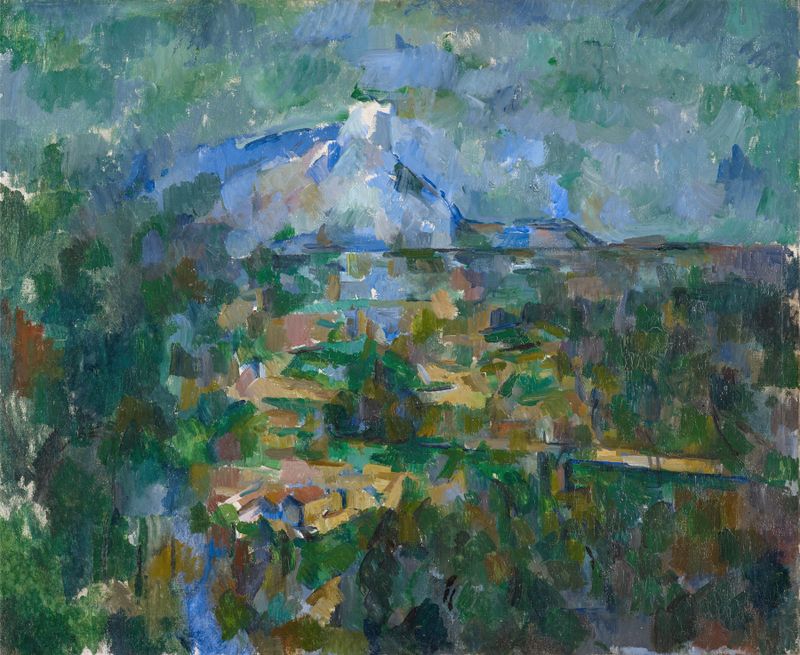
View of Mount Sainte-Victoire from Les Lauves
Paul Cezanne
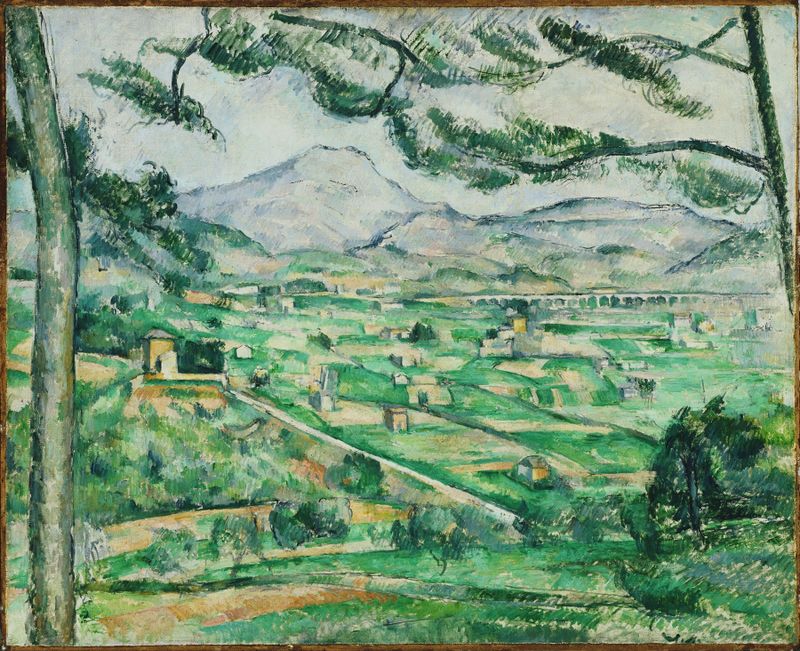
Mont Sainte-Victoire 2
Paul Cezanne

The Basket of Apples
Paul Cezanne

Mount Sainte-Victoire
Paul Cezanne
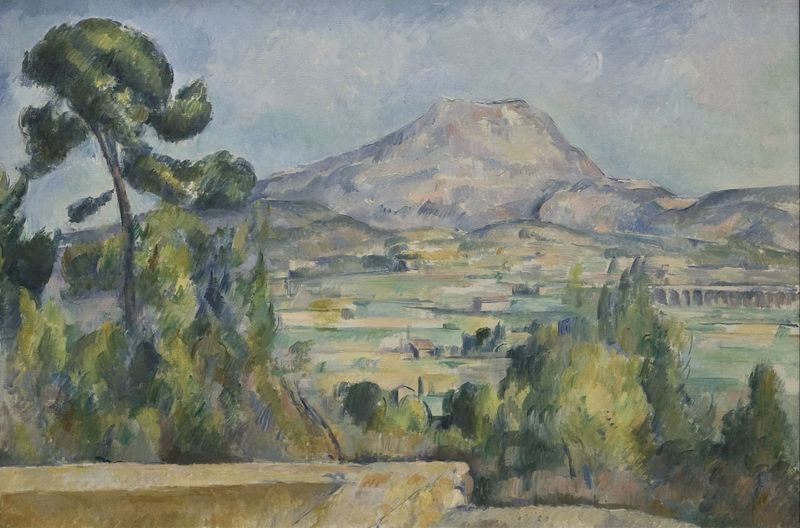
Montagne Saint-Victoire
Paul Cezanne





