
The Pigeon Tower at Bellevue — History & Facts
In the tranquil embrace of silence, The Pigeon Tower at Bellevue captures the essence of solitude amidst nature, inviting contemplation of a moment frozen in time. Focus on the tower, its solid presence anchoring the composition. The deep greens and earthy browns of the surrounding landscape cradle the structure, while dappled sunlight dances across the canvas, highlighting the gentle curves and contours of the scene. Notice the way the brushstrokes pulse with a rhythmic energy, from the textured foliage to the smooth, almost tactile surface of the tower itself.
Each stroke contributes to a dynamic interplay of light and shadow, creating an atmosphere that teeters between stillness and motion. The tower stands as a metaphor for resilience, a solitary sentinel amidst an ever-changing landscape. The layering of colors reveals both the vibrancy of life and the quiet decay of time, emphasizing the contrast between the natural and the manmade. Look closely at the surrounding trees, their branches reaching as if yearning for connection; they whisper tales of seasons passed, embodying the melancholy and beauty of isolation that envelops the scene. In 1890, Paul Cézanne painted this work during a time of personal introspection while living in Aix-en-Provence.
Emerging as a pivotal figure in the post-Impressionist movement, he sought to bridge the gap between representation and abstraction. The world around him was shifting, yet he found solace in the familiar landscapes, exploring the depths of form and color in a way that would inspire generations to come.
More Artworks by Paul Cezanne
Browse all →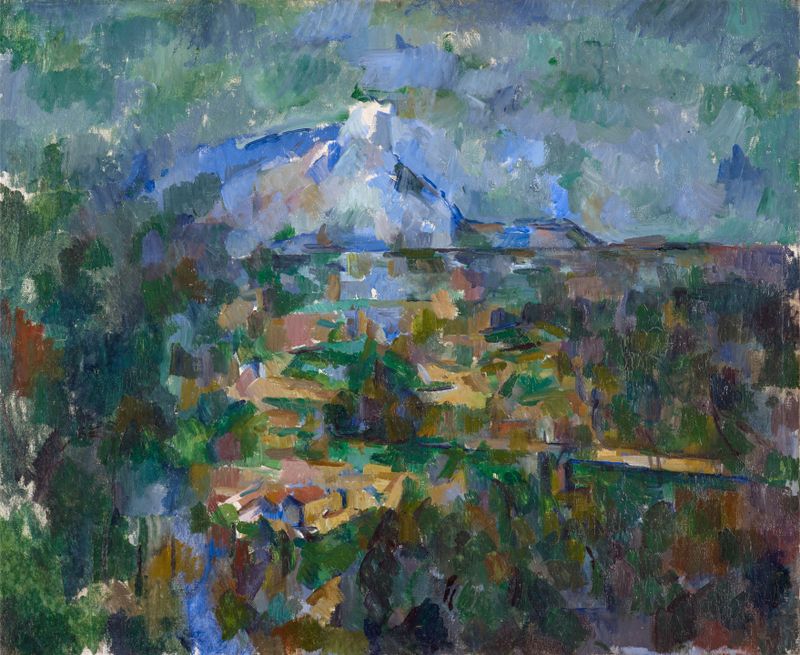
The Mont Sainte-Victoire Seen From Les Lauves
Paul Cezanne
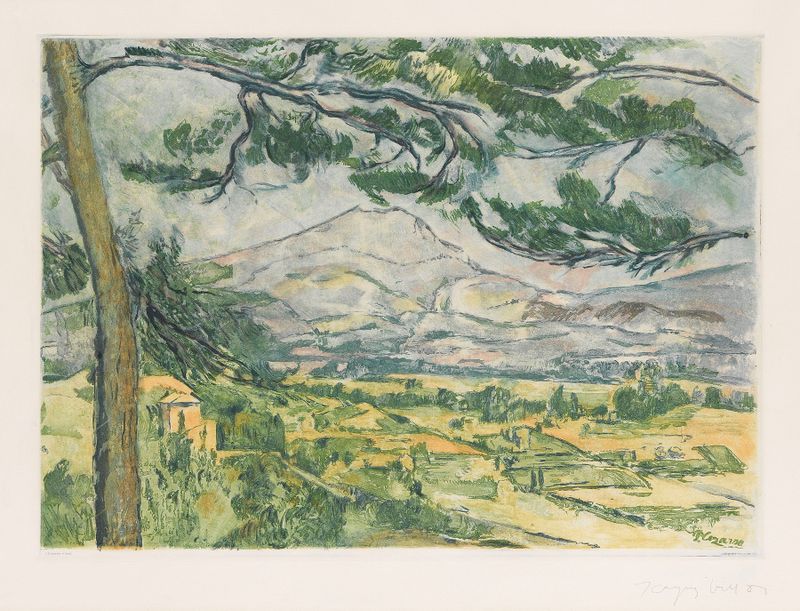
La Montagne Sainte-Victoire
Paul Cezanne
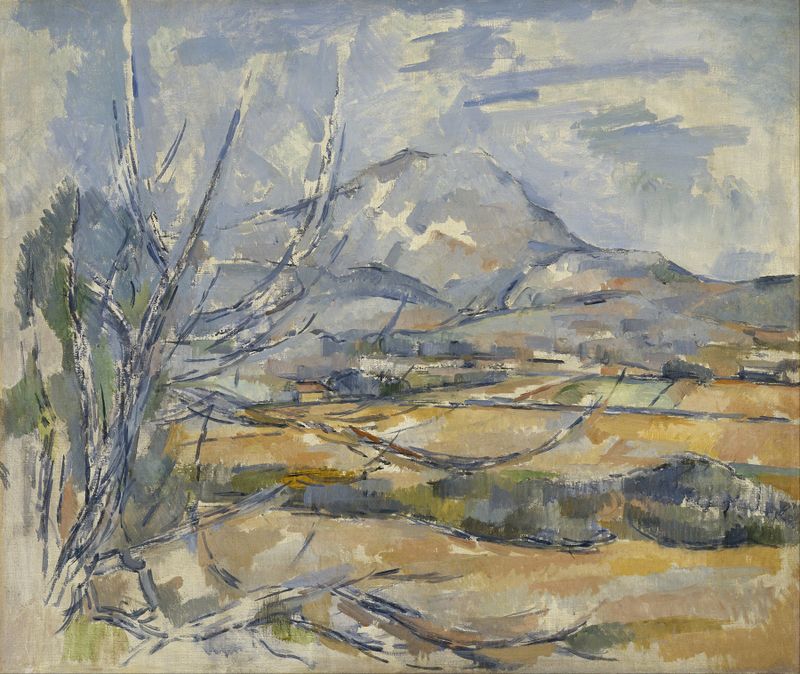
Montagne Sainte-Victoire
Paul Cezanne
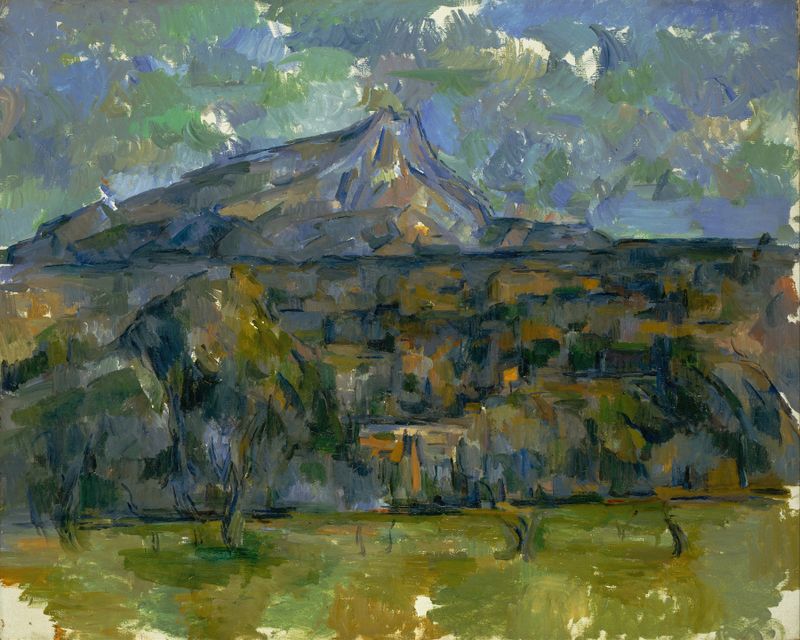
Mont Sainte-Victoire
Paul Cezanne
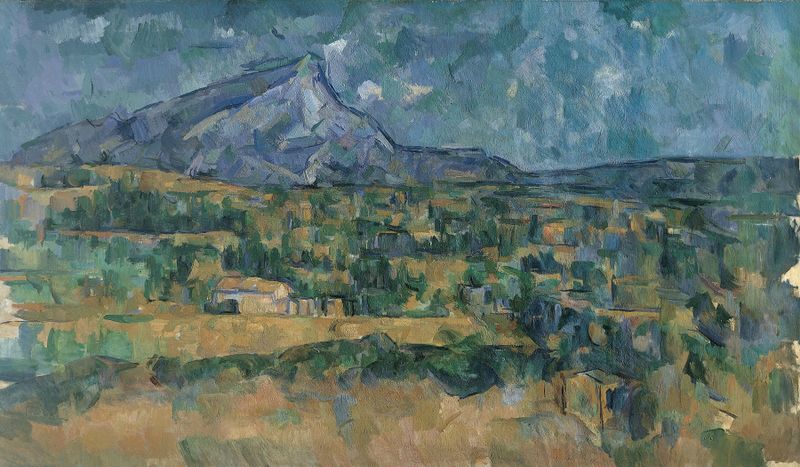
Mont Sainte-Victoire
Paul Cezanne
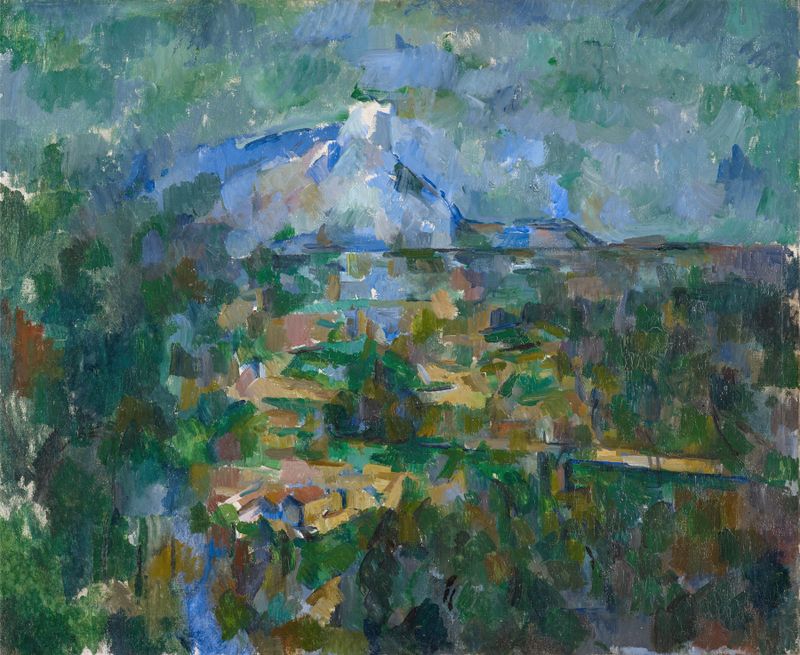
View of Mount Sainte-Victoire from Les Lauves
Paul Cezanne
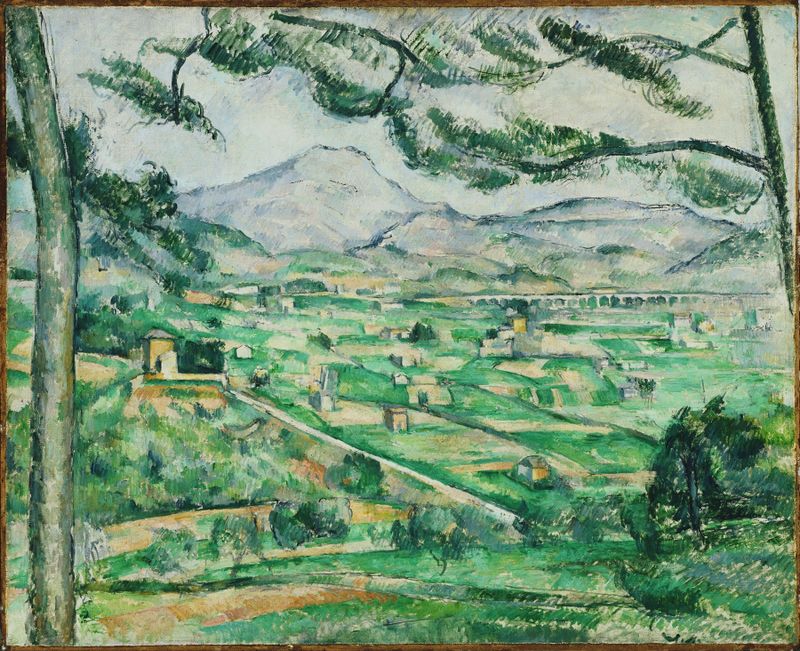
Mont Sainte-Victoire 2
Paul Cezanne

The Basket of Apples
Paul Cezanne

Mount Sainte-Victoire
Paul Cezanne
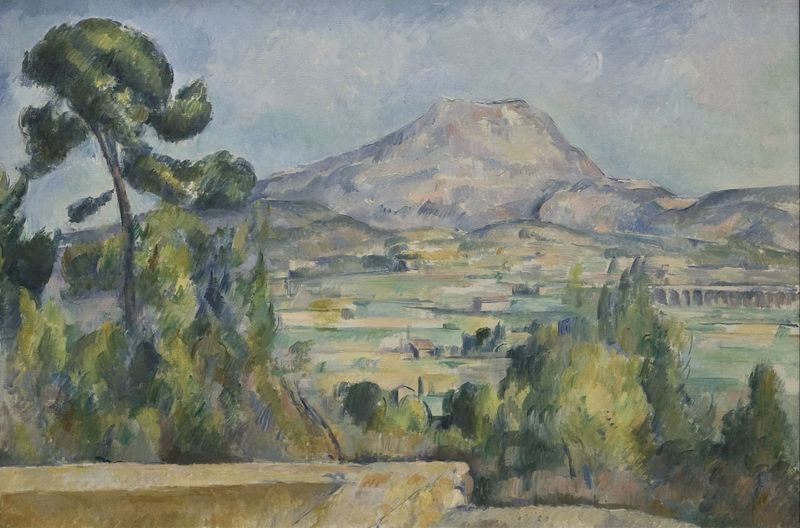
Montagne Saint-Victoire
Paul Cezanne
More Architecture Art
Browse all →
The statue of Liberty
Frédéric Auguste Bartholdi

View of Houses in Delft, Known as ‘The Little Street’
Johannes Vermeer

View of Houses in Delft, Known as ‘The Little Street’
Johannes Vermeer

The Cathedral in Rouen. The portal, Grey Weather
Claude Monet

The yellow house
Vincent van Gogh

The Church in Auvers-sur-Oise, View from the Chevet
Vincent van Gogh