The Pink Orchard — History & Facts
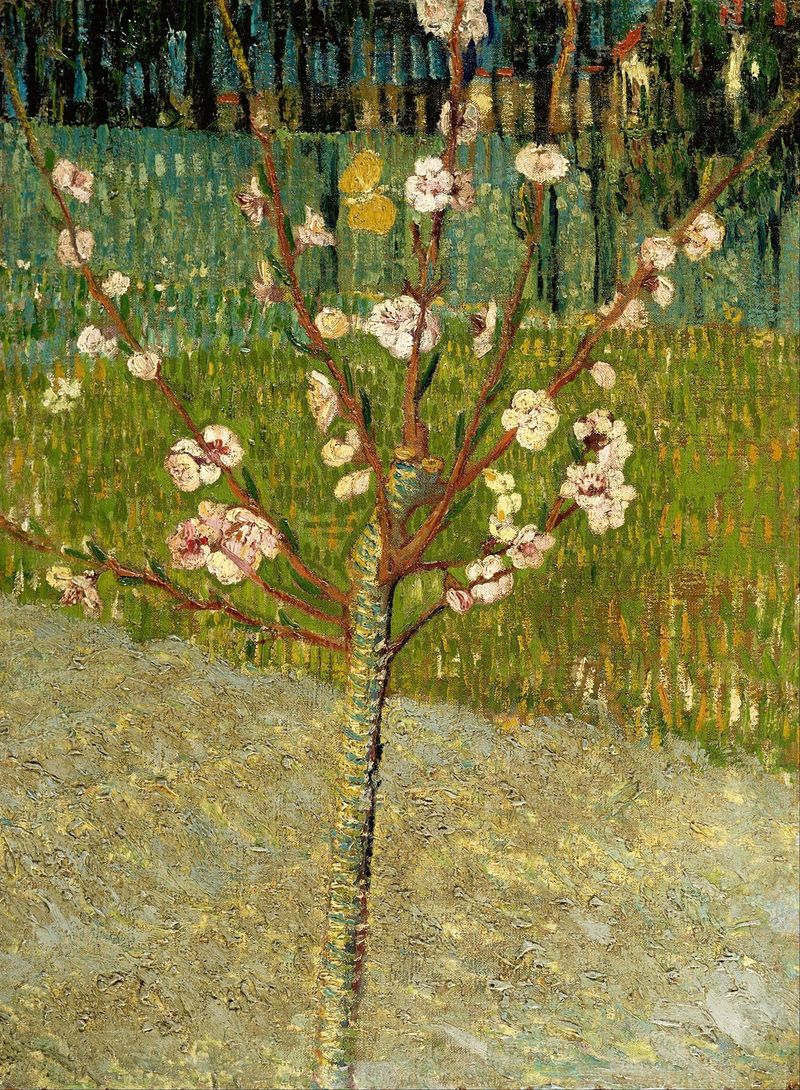
What if silence could speak through light? In the gentle blush of pink blossoms, one can sense the fragile beauty of existence and the weight of mortality that lingers like a whispered thought. Look to the left, where delicate pink petals burst forth against a backdrop of soft blues and greens. Notice how the branches twist and curl, each stroke of paint a heartbeat, alive yet fleeting. The vibrant colors contrast with the underlying shadows that hint at the inevitable decay, creating a poignant tension between life and loss.
The dappled light, almost ethereal, dances across the canvas, inviting you to pause and reflect on the transient nature of beauty itself. Within the riot of color, the hints of darkness remind us of life’s impermanence. The tensions between light and shadow serve not only to illuminate but also to evoke a sense of melancholy. Each bloom, while full of life, is juxtaposed against the knowledge that beauty cannot endure.
The painting beckons us to find joy even in the understanding of life's brevity, offering a glimpse of renewal in the cycle of existence. In 1888, during his time in Arles, the artist captured this moment amidst a surge of creativity and emotional turmoil. Longing for companionship and grappling with his declining mental health, he sought solace in the vibrant landscapes of southern France. It was during this period that he embraced color as a means of expressing emotion, aiming to convey profound messages through the simplest forms of nature.
More Artworks by Vincent van Gogh
Browse all →
Starry Night
Vincent van Gogh

The Bedroom
Vincent van Gogh
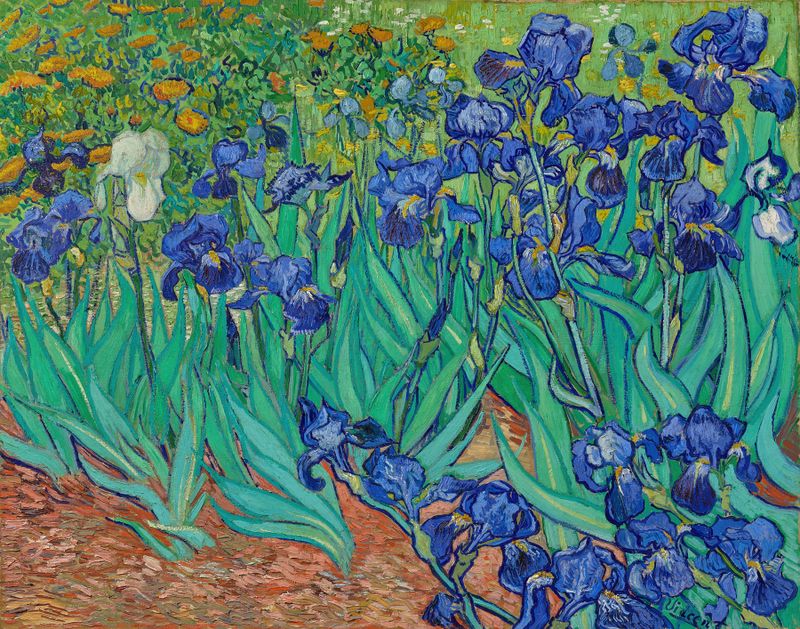
Irises
Vincent van Gogh
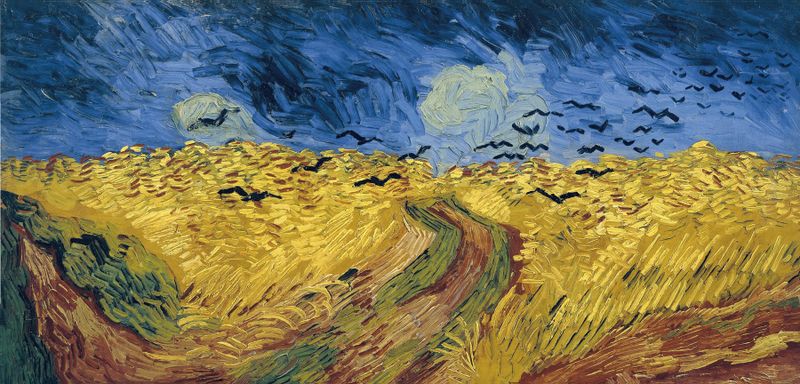
Wheatfield with Crows
Vincent van Gogh
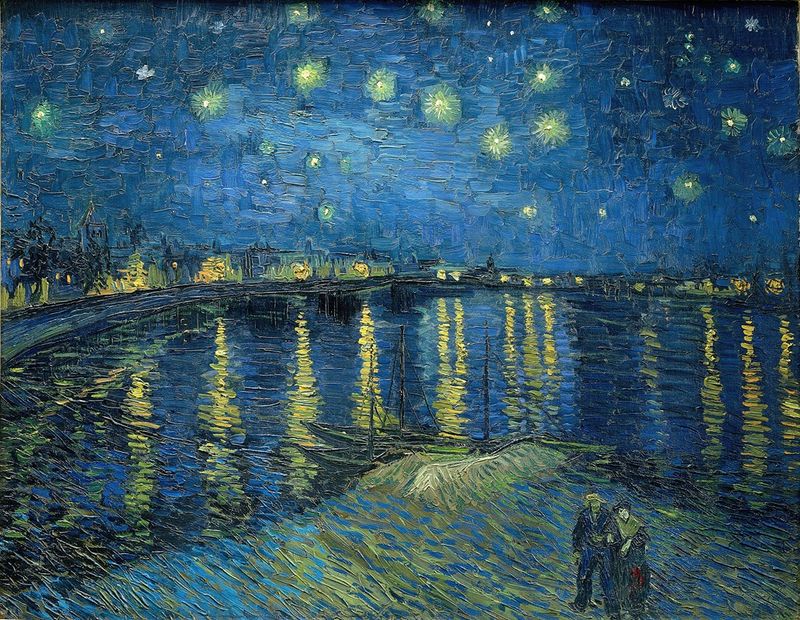
Starry Night over the Rhone
Vincent van Gogh

The yellow house
Vincent van Gogh
Almond tree in blossom
Vincent van Gogh

Portrait of Dr Gachet
Vincent van Gogh

The Church in Auvers-sur-Oise, View from the Chevet
Vincent van Gogh

Self-Portrait
Vincent van Gogh