
The pink peach tree — History & Facts
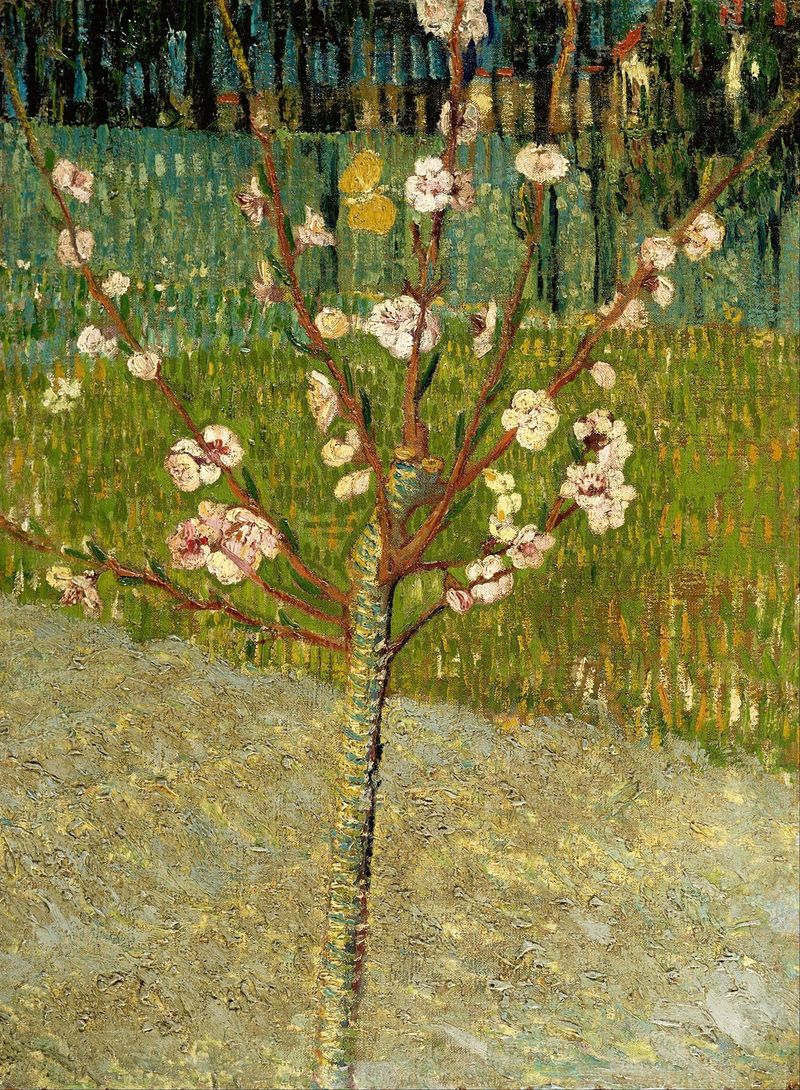
Is this a mirror — or a memory? Van Gogh’s The Pink Peach Tree is a testament to the intertwining of faith and nature, captured in vibrant blossoms that invite contemplation and joy. Look to the center where the pink blooms radiate warmth, each petal rendered with thick strokes that pulsate with life. Notice how the soft green foliage cradles the blossoms, providing a soothing contrast. The energetic brushwork infuses the scene with movement, as if the tree is swaying gently in a spring breeze, harmonizing with the rhythm of life itself.
The sky above, a gentle blue, bathes the scene in light, creating a sanctuary where beauty flourishes. Yet beneath this joyous exterior lies a deeper layer of meaning: the fleeting nature of beauty and existence. The blossoms, though vibrant, are ephemeral, evoking both hope and transience. The bold colors reflect Van Gogh’s struggle between light and dark, a tension between the vibrancy of life and the shadows of despair that often loomed in his mind.
The tree stands as a symbol of resilience, reminding us that faith can bloom even amidst uncertainty. In the spring of 1888, while living in Arles, Van Gogh sought to capture the beauty of nature as a refuge from his tumultuous emotional landscape. This period was marked by his enthusiasm for color and expressive brushwork, striving to convey the profound connection he felt with the world around him. It was during this time that he painted The Pink Peach Tree, a reflection of both his artistic ambition and his longing for solace in the vibrant moments of life.
More Artworks by Vincent van Gogh
Browse all →
Starry Night
Vincent van Gogh
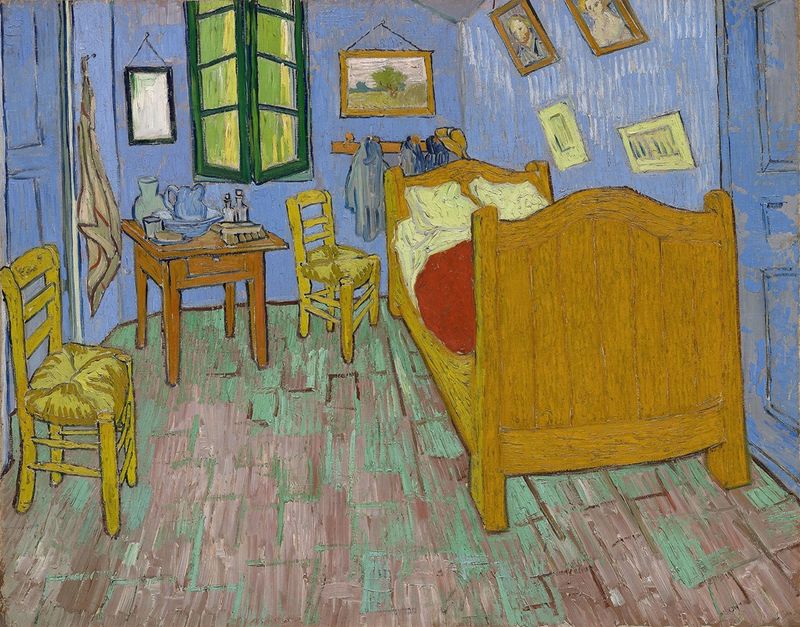
The Bedroom
Vincent van Gogh
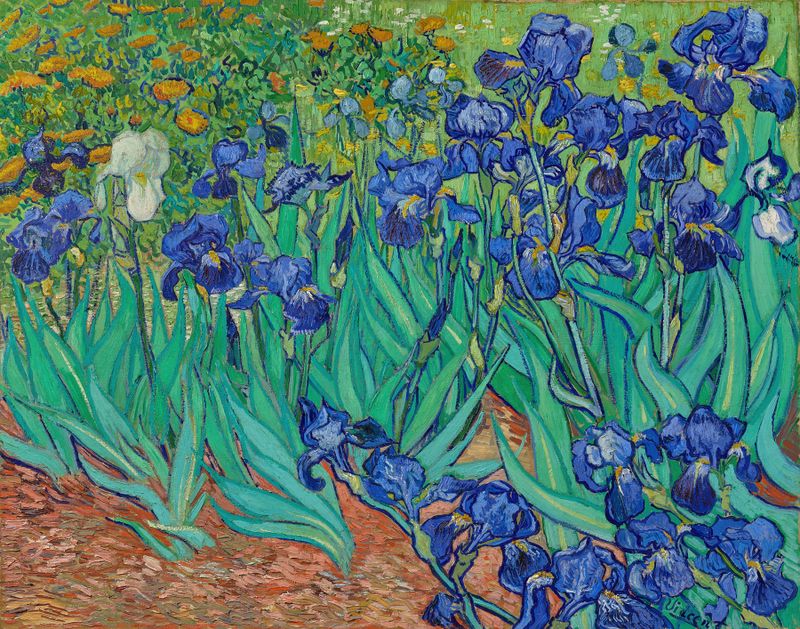
Irises
Vincent van Gogh
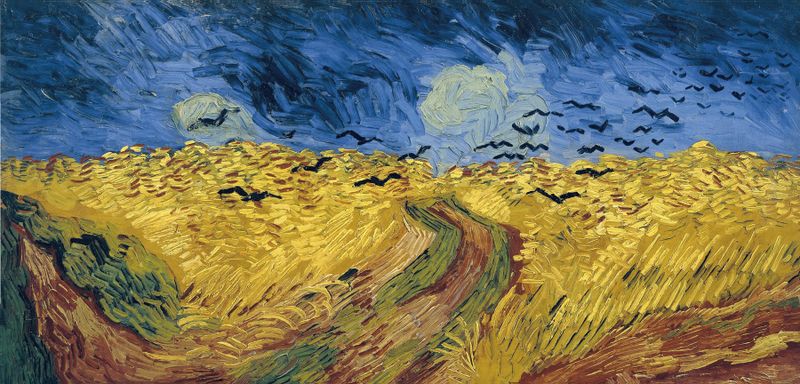
Wheatfield with Crows
Vincent van Gogh
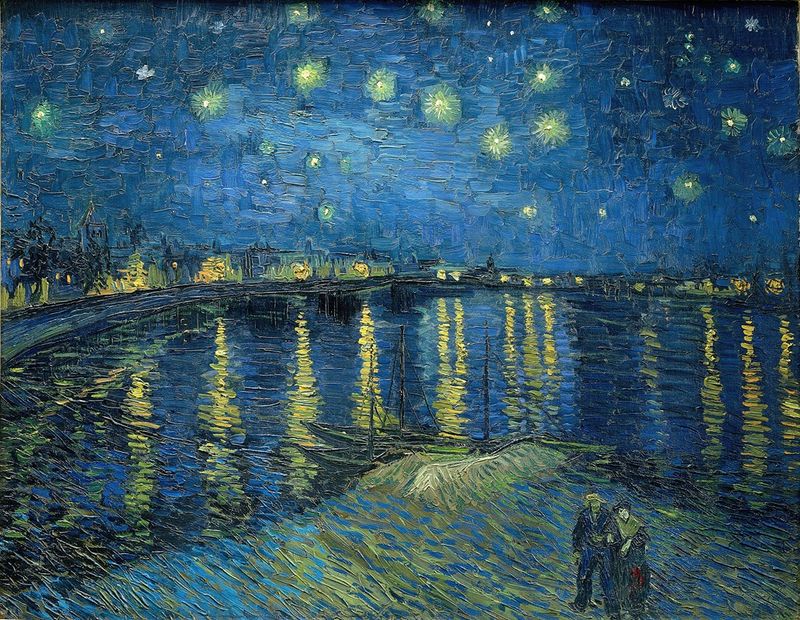
Starry Night over the Rhone
Vincent van Gogh

The yellow house
Vincent van Gogh
Almond tree in blossom
Vincent van Gogh

Portrait of Dr Gachet
Vincent van Gogh

The Church in Auvers-sur-Oise, View from the Chevet
Vincent van Gogh

Self-Portrait
Vincent van Gogh




