The Plate of Apples — History & Facts
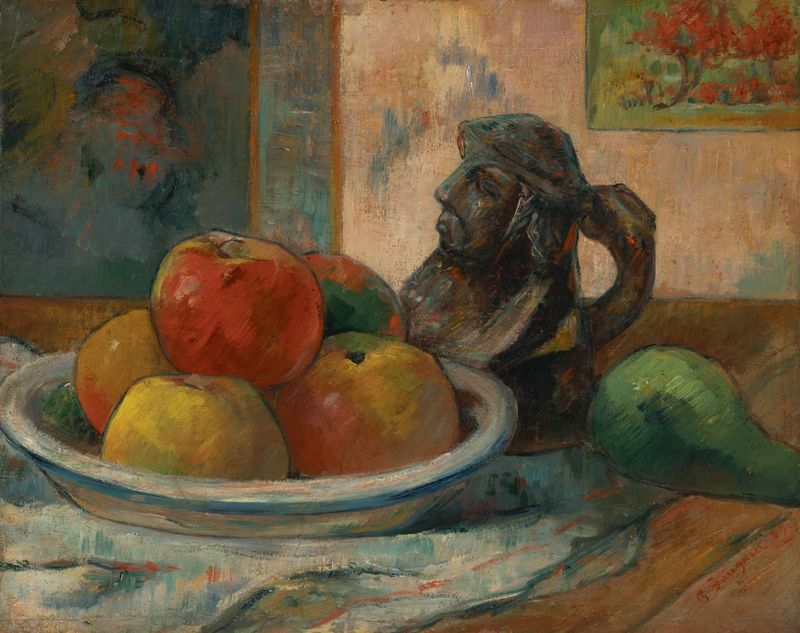
In the stillness of The Plate of Apples, a silent battle unfolds between perception and reality, innocence and discord. The seemingly simple arrangement of fruit speaks volumes about the complexity of life and the violence of existence, captured in every brushstroke. Look to the center, where the plate sits, a quiet yet assertive presence that anchors the composition. The apples, rendered in earthy reds and greens, appear both inviting and ominous, their surfaces dappled with light and shadow.
Notice how Cezanne’s distinct brushwork creates a sense of movement; the vibrant colors pulse with life, while the heavy contours evoke the weight of their forms. The background blurs softly, pushing the fruit into focus, as if highlighting their fragility amidst an indifferent world. Delve into the contrasts at play: the static nature of the still life juxtaposed with the dynamic energy of the brushstrokes. The apples are not merely objects; they symbolize the struggle between beauty and decay, inviting the viewer to consider the violence inherent in creation and consumption.
The plate itself feels almost like a battleground, highlighting the tension between abundance and the inevitable passage of time—a fleeting moment captured forever. In the late 1870s, when this piece was created, Cezanne was deeply entrenched in the transition from Impressionism to a more structured approach that would later influence modern art. Living in France, he experienced criticism and isolation as he sought to develop his style, yet this very struggle birthed a powerful dialogue with the nature of perception. It was a time ripe with artistic exploration, and amidst this, he painted a world only he could envision.
More Artworks by Paul Cezanne
Browse all →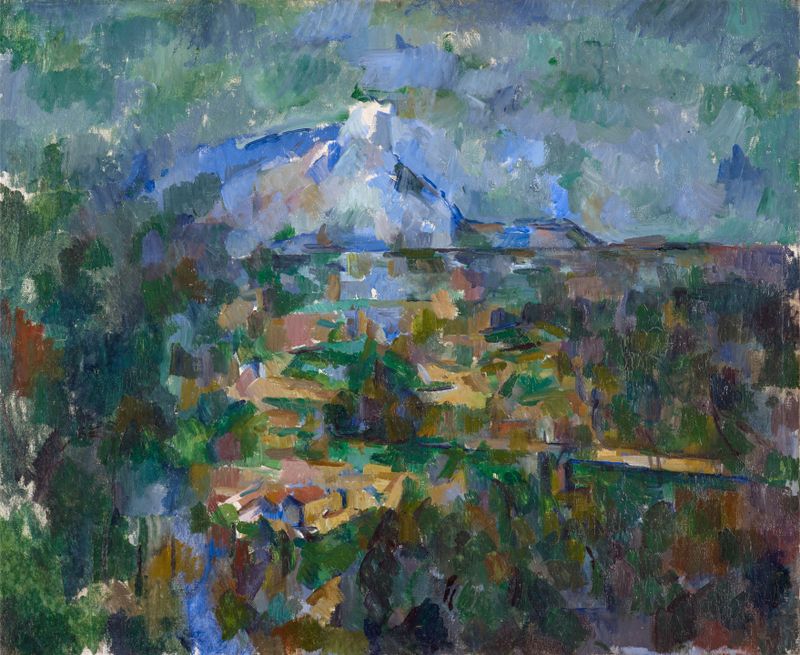
The Mont Sainte-Victoire Seen From Les Lauves
Paul Cezanne
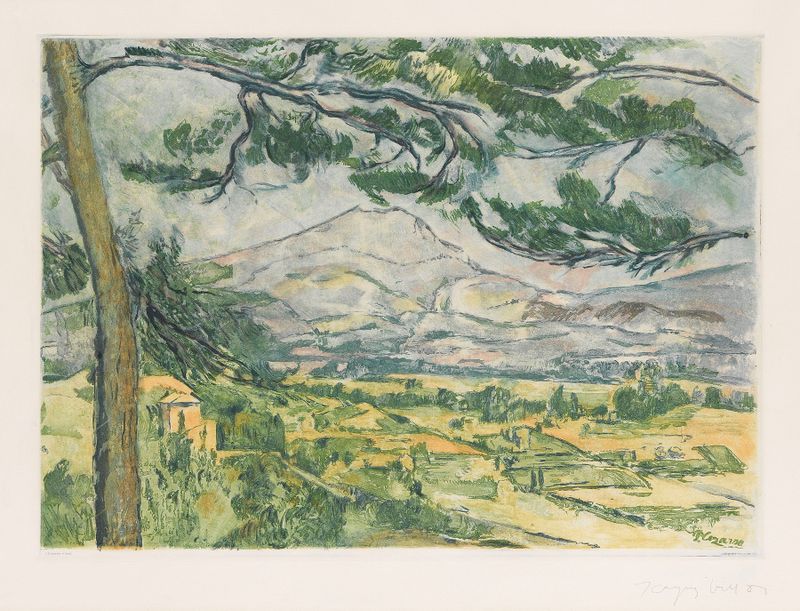
La Montagne Sainte-Victoire
Paul Cezanne
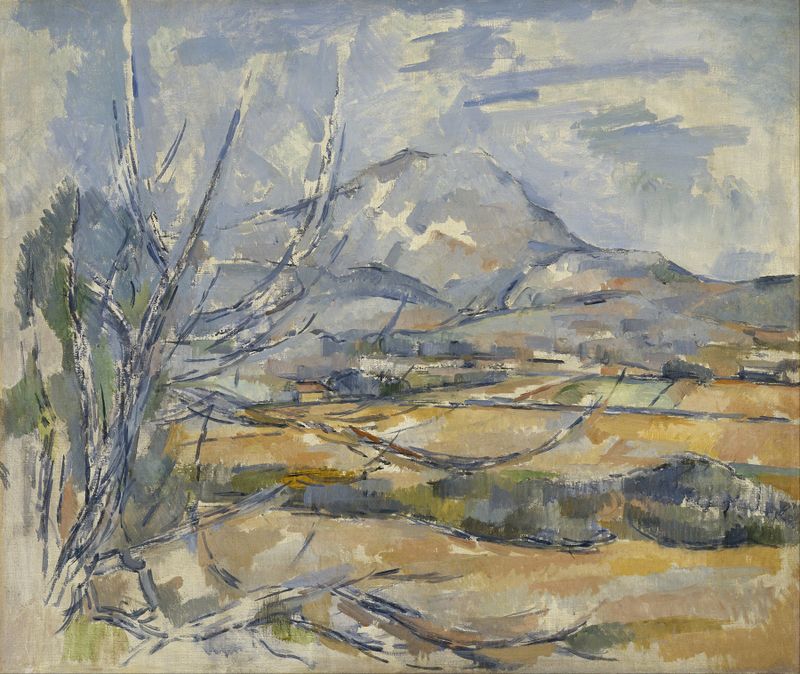
Montagne Sainte-Victoire
Paul Cezanne
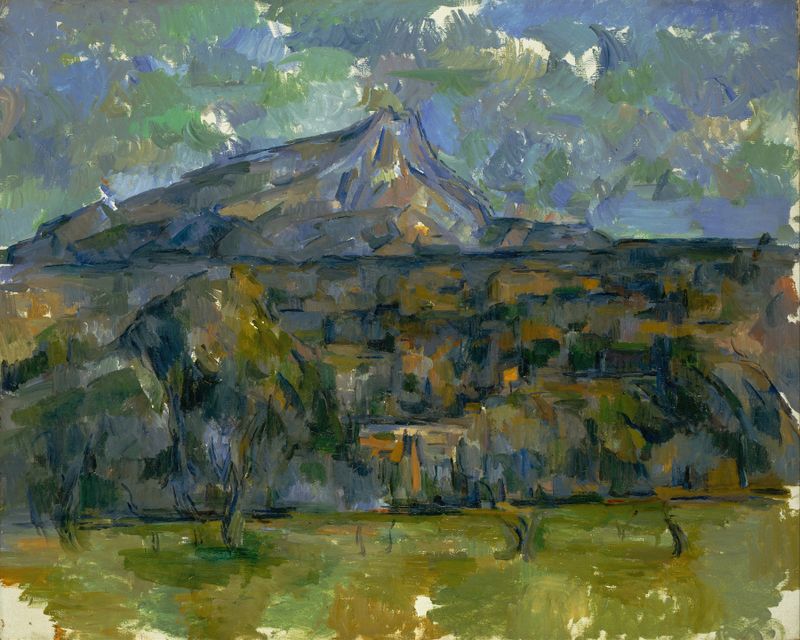
Mont Sainte-Victoire
Paul Cezanne
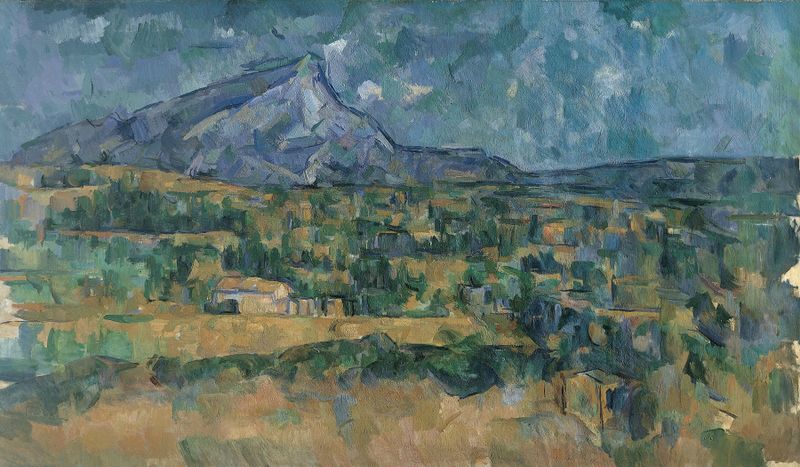
Mont Sainte-Victoire
Paul Cezanne
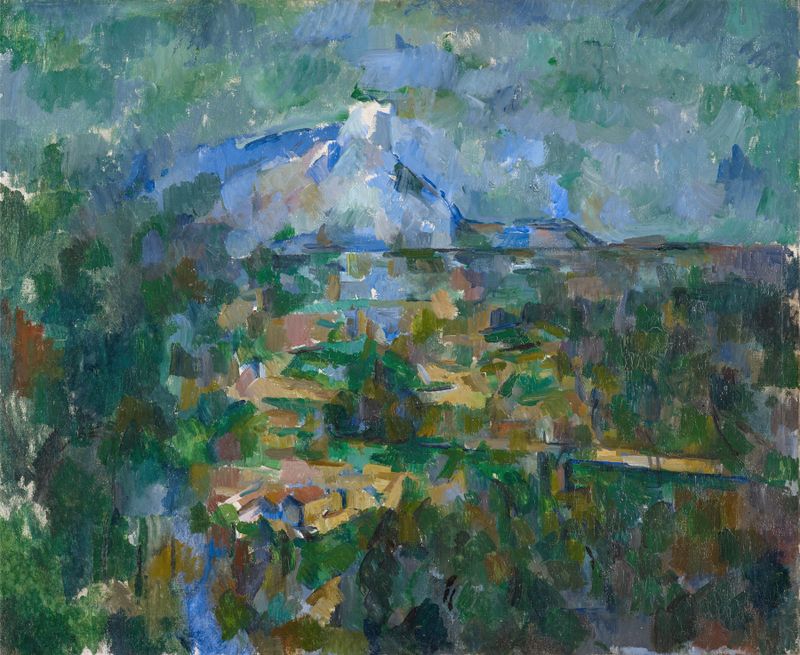
View of Mount Sainte-Victoire from Les Lauves
Paul Cezanne
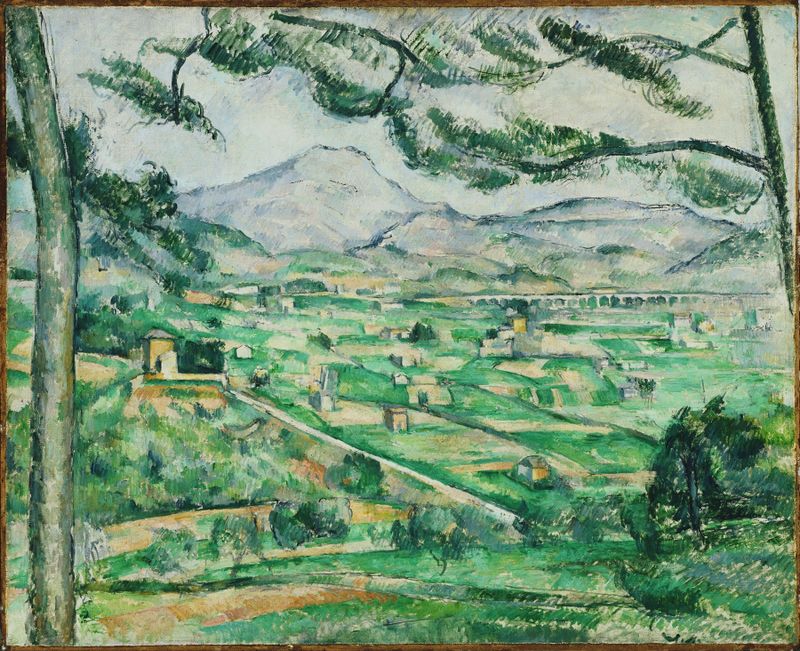
Mont Sainte-Victoire 2
Paul Cezanne

The Basket of Apples
Paul Cezanne

Mount Sainte-Victoire
Paul Cezanne
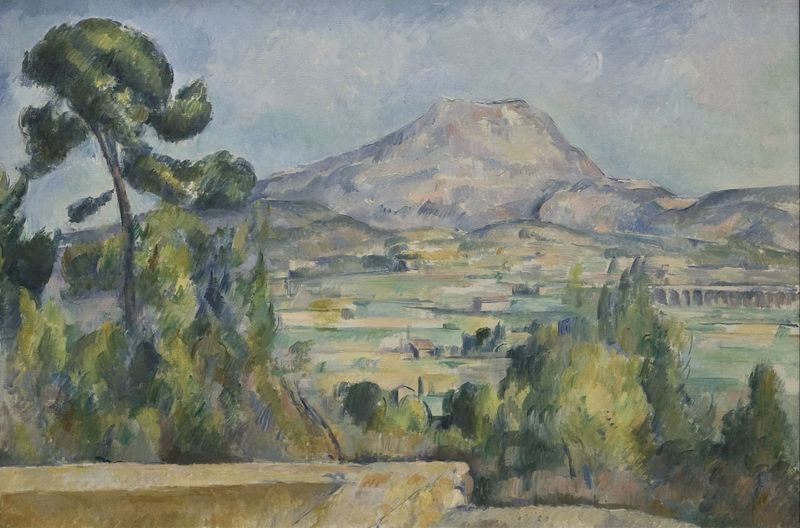
Montagne Saint-Victoire
Paul Cezanne