
The poisoning of Queen Bona — History & Facts
On the evening of November 19, 1557, Bona Sforza, the formidable Queen Dowager of Poland and Grand Duchess of Lithuania, died in Bari under mysterious circumstances. Rumors quickly swept across Europe: had she been poisoned for her fortune, as many whispered? Jan Matejko’s The poisoning of Queen Bona seizes upon this infamous episode, which became a symbol of betrayal and foreign intrigue in Polish memory. The painting was completed in 1859, when Poland’s own sovereignty was under threat, and the story of a queen undone by treachery resonated deeply with Matejko’s contemporaries. Matejko captures the exact moment when Queen Bona, reclining weakly on her bed, realizes the betrayal of her trusted Italian secretary, Gian Lorenzo Pappacoda.
The queen’s pale hand clutches a rosary, her eyes wide with shock and accusation, while Pappacoda hovers nearby, his face half in shadow, a vial glinting in his grasp. The heavy curtains and rich brocade emphasize the wealth that made Bona a target, while the scattered documents hint at the lost inheritance. The dramatic lighting, reminiscent of Rembrandt’s late portraits, isolates Bona in her final agony and draws the viewer into the private horror of her last moments.
Unlike earlier depictions, such as Marcello Bacciarelli’s more restrained court scenes, Matejko’s work is charged with psychological tension and moral outrage. The precise medium of The poisoning of Queen Bona is not documented, but it belongs to Matejko’s early period, when he was still forging his path as a painter of national history. The painting’s whereabouts today are uncertain; it is not listed among the major public collections of Matejko’s work, and some scholars suggest it may remain in a private collection or has been lost. Nevertheless, the painting’s theme and approach foreshadow Matejko’s later monumental canvases, such as The Battle of Grunwald, where he would continue to explore Poland’s dramatic past.
Through this work, Matejko established himself as a chronicler of national trauma, using history painting to reflect the anxieties and hopes of his own era.
More Artworks by Jan Matejko
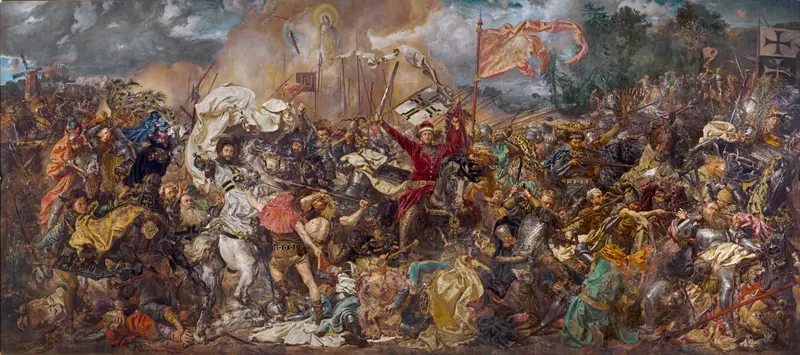
Battle of Grunwald
Jan Matejko

Stańczyk
Jan Matejko

Battle of Raclawice
Jan Matejko
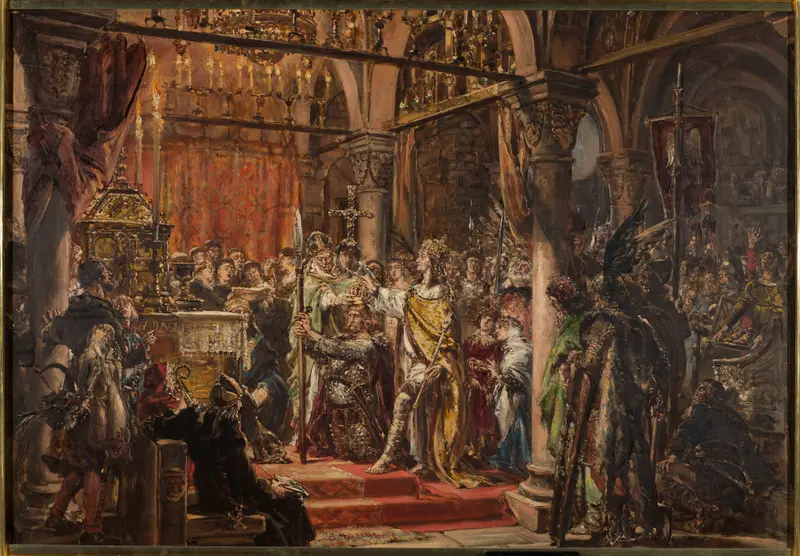
Coronation of the First King, 1001 AD, from the series “History of Civilization in Poland”
Jan Matejko
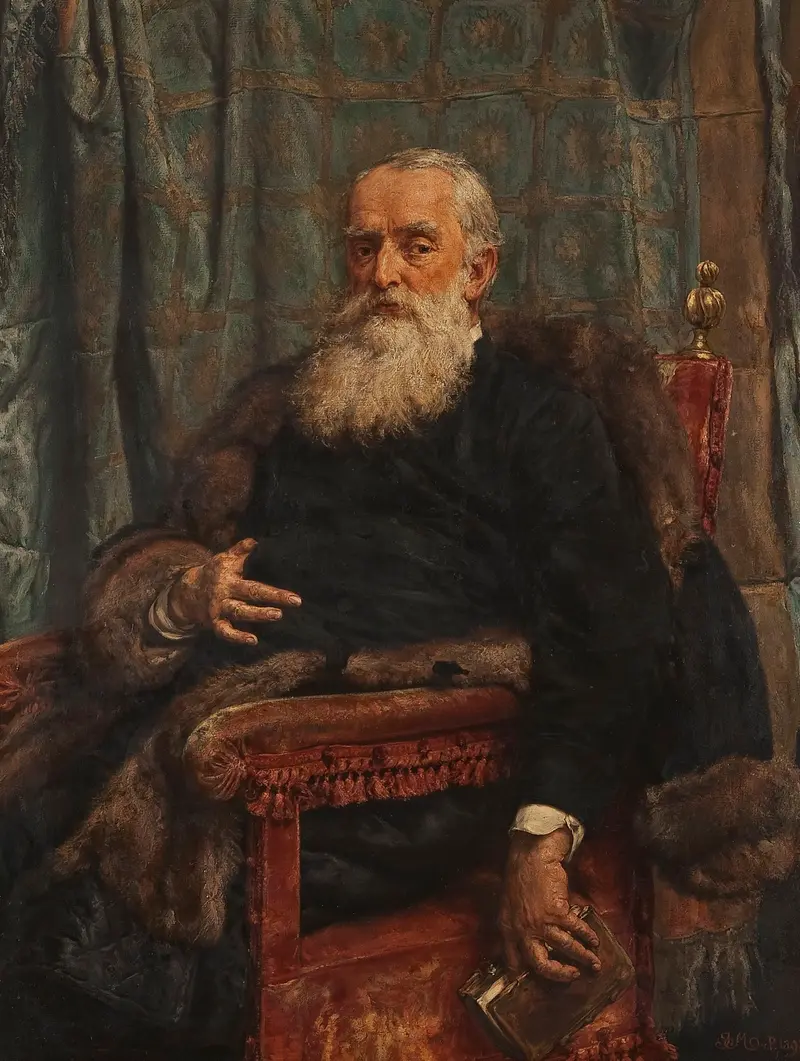
Portrait of Henryk Krajewski
Jan Matejko
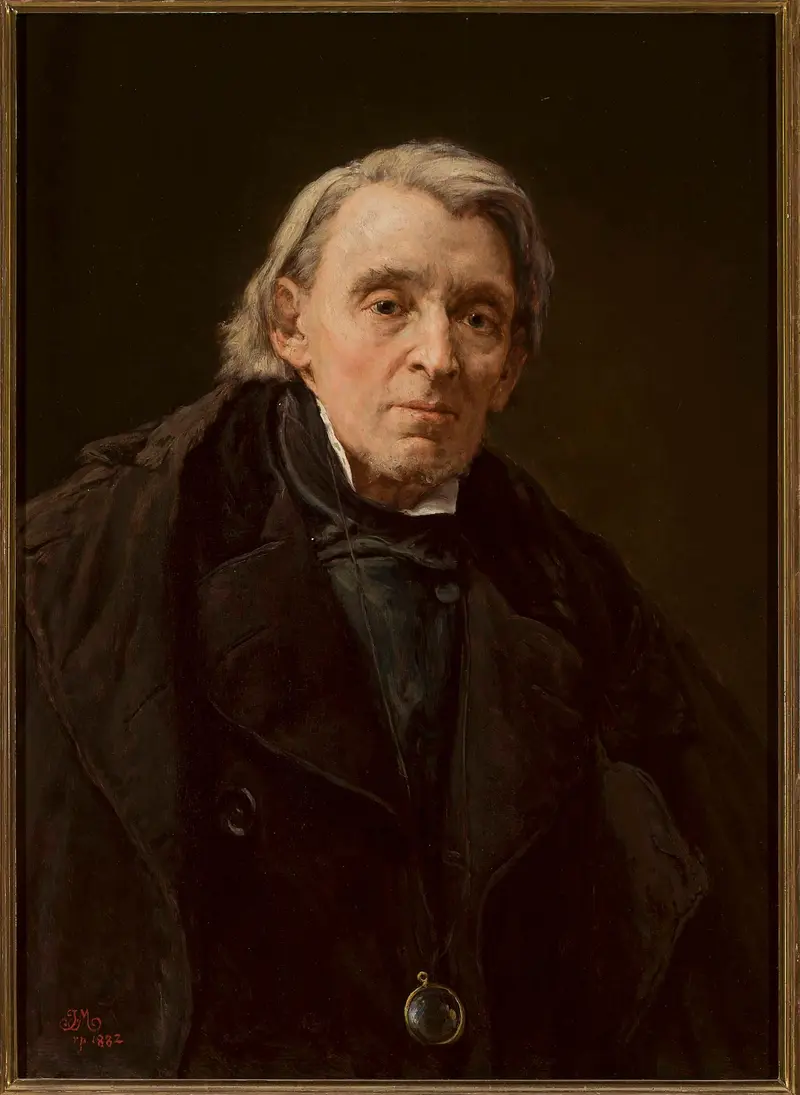
Portrait of Karol Podlewski
Jan Matejko
Portrait of Potocki and Poninski
Jan Matejko
Portrait of the artist's four children
Jan Matejko
Introduction of Christianity in Poland
Jan Matejko
Prussian Homage
Jan Matejko





