
The Pool at Jas de Bouffan — History & Facts
When did color learn to lie? This question lingers in the air as you gaze upon a realm where ecstasy and stillness intertwine. In The Pool at Jas de Bouffan, the vibrant hues pulse with life, inviting an exploration of a world both real and dreamlike. Focus first on the gentle curve of the pool, located at the center, a mirror reflecting the deep blues and greens of the surrounding foliage. Notice how the brushstrokes, thick and deliberate, blend warmth and coolness, creating an enchanting play of color that dances across the canvas.
The sunlight filters through the trees, illuminating patches of rich earth tones, while shadows hint at the secrets held beneath the surface of this serene oasis. Look closer, and you’ll find emotional tensions hidden within the tranquility. The juxtaposition of the still water and the wild, untamed landscape speaks to the duality of existence—the calmness of the pool contrasting with the fervent energy of nature. Each stroke carries a whisper of longing; the vibrant colors suggest an underlying ecstasy that hints at unspoken stories, evoking a sense of nostalgia and yearning. Cézanne painted this work between 1885 and 1886 in the south of France, during a period when he was exploring the complexities of form and perspective.
The artist was grappling with his unique vision, distancing himself from Impressionism while influencing the evolution of modern art. At this time, he was also facing personal challenges, including the death of his father, which added depth to his quest for expression in a rapidly changing world.
More Artworks by Paul Cezanne
Browse all →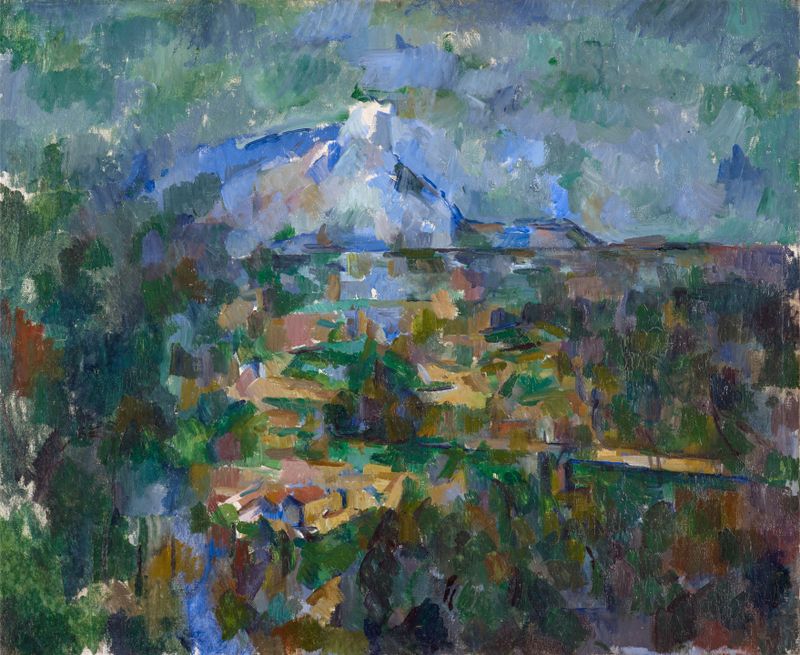
The Mont Sainte-Victoire Seen From Les Lauves
Paul Cezanne
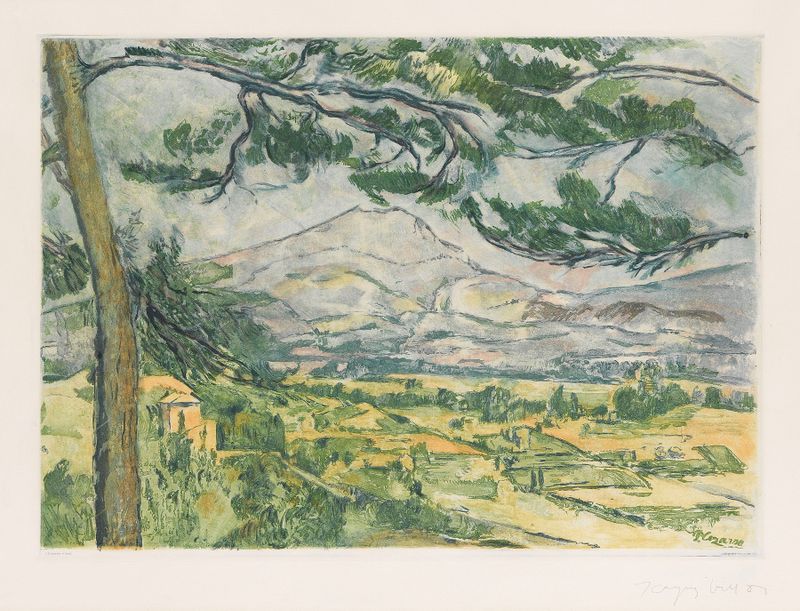
La Montagne Sainte-Victoire
Paul Cezanne
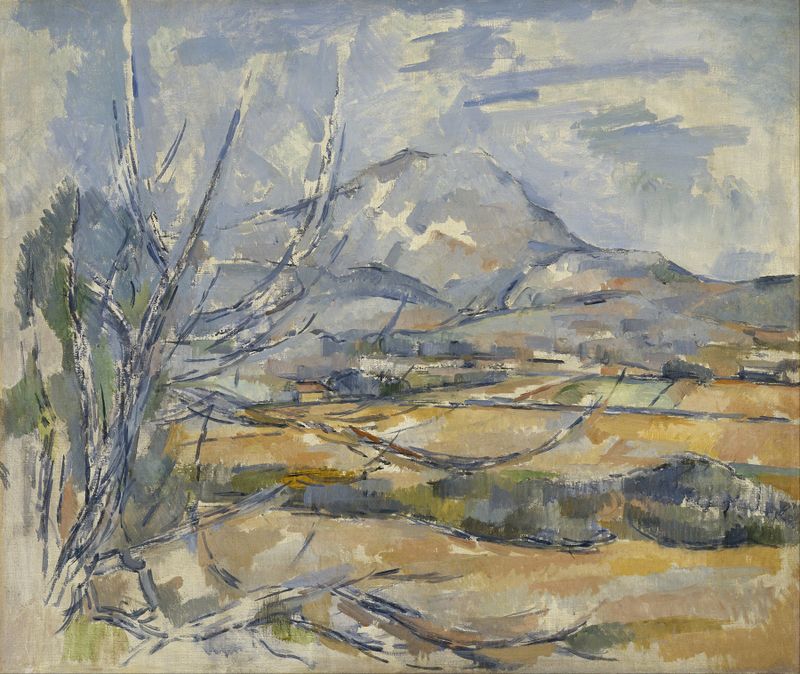
Montagne Sainte-Victoire
Paul Cezanne
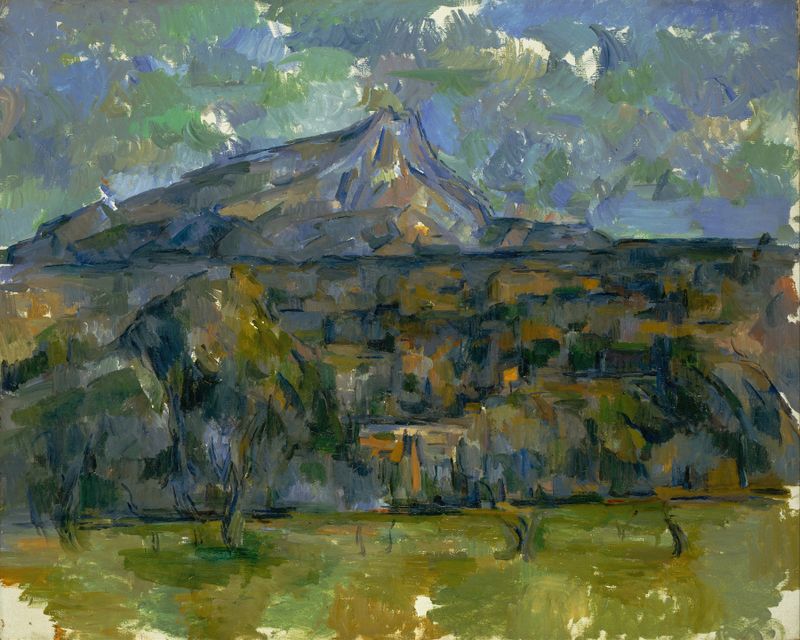
Mont Sainte-Victoire
Paul Cezanne
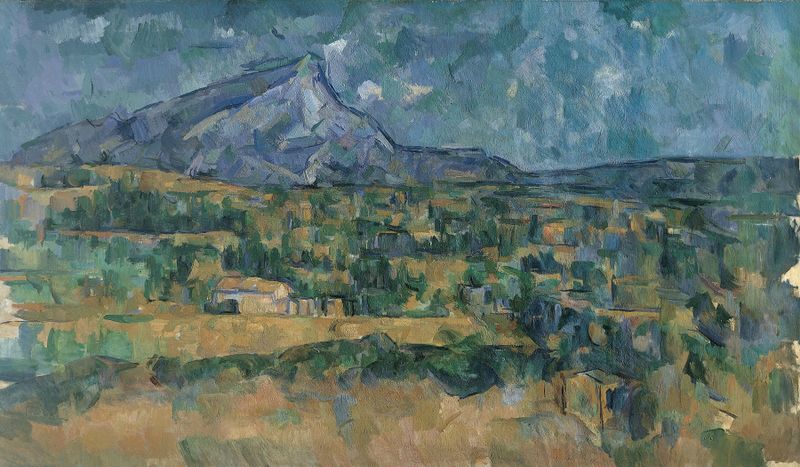
Mont Sainte-Victoire
Paul Cezanne
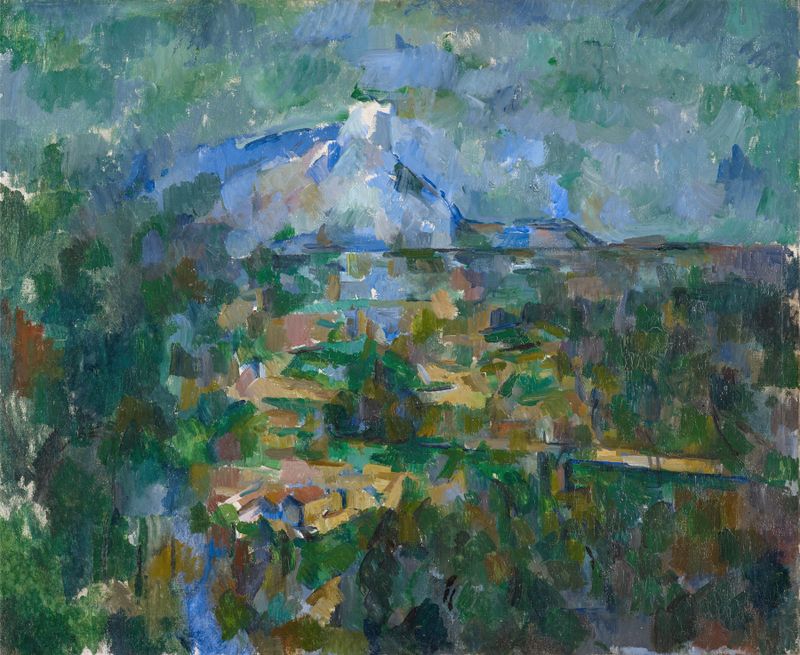
View of Mount Sainte-Victoire from Les Lauves
Paul Cezanne
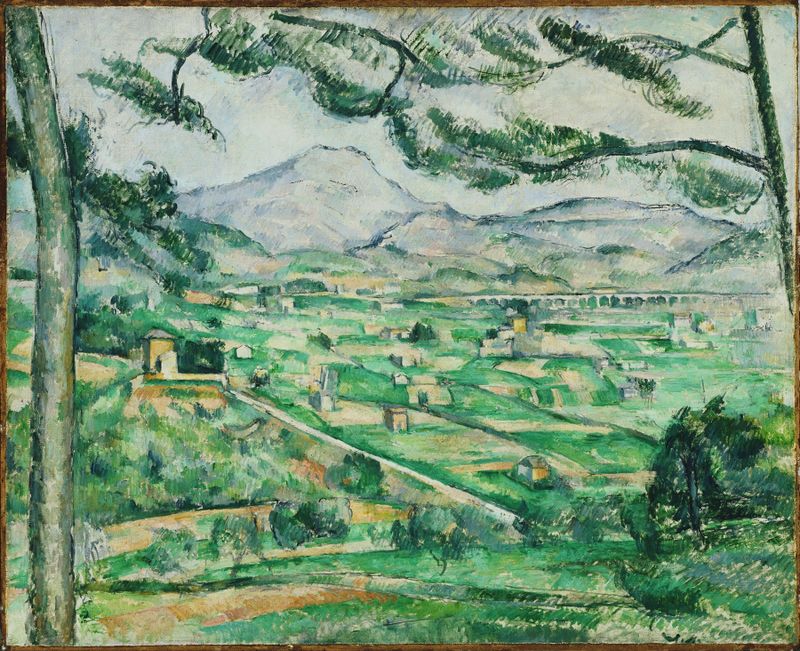
Mont Sainte-Victoire 2
Paul Cezanne

The Basket of Apples
Paul Cezanne

Mount Sainte-Victoire
Paul Cezanne
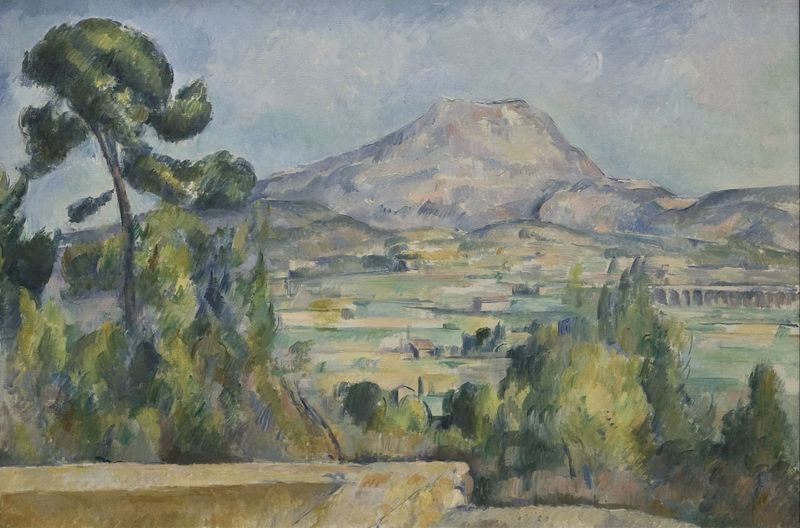
Montagne Saint-Victoire
Paul Cezanne





