
The Presentation of the Christ Child in the Temple — History & Facts
In 1320, Giotto di Bondone turned his attention to a scene that had rarely been painted in such detail: the moment when the infant Jesus was presented at the Temple in Jerusalem, as described in the Gospel of Luke. This episode, celebrated on Candlemas, held deep significance for medieval viewers, symbolizing both obedience to Jewish law and the first public recognition of Christ’s divinity. Giotto’s interpretation stands out for its emotional immediacy and the way it draws the viewer into the drama of the event, a hallmark of his revolutionary approach to narrative painting. At the heart of The Presentation of the Christ Child in the Temple, the aged Simeon stretches out his arms, his gaze fixed on the tiny figure of Jesus, whom Mary gently offers.
Anna the prophetess stands nearby, holding a scroll, a sign of her wisdom and witness. Joseph lingers in the background, holding the sacrificial doves, a humble offering required by tradition. The architecture, rendered in Giotto’s solid, geometric style, frames the figures and grounds the sacred moment in a tangible space.
Unlike earlier Byzantine versions, such as those by Duccio, Giotto’s figures interact with a new sense of psychological depth, their gestures and glances weaving a story of hope and revelation. The precise origins of this panel are uncertain, but it is widely believed to have formed part of a larger altarpiece, perhaps commissioned for a Florentine church. Over the centuries, many works by Giotto were dispersed, their original settings lost to time, and this painting’s medium—whether tempera on wood or fresco—remains debated among scholars. Today, The Presentation of the Christ Child in the Temple is recognized as a key example of Giotto’s late period, when his innovations in space, narrative, and human expression were influencing a whole generation of Italian painters.
Its journey from devotional object to museum piece reflects the enduring fascination with Giotto’s ability to make sacred history feel immediate and real.
More Artworks by Giotto di Bondone
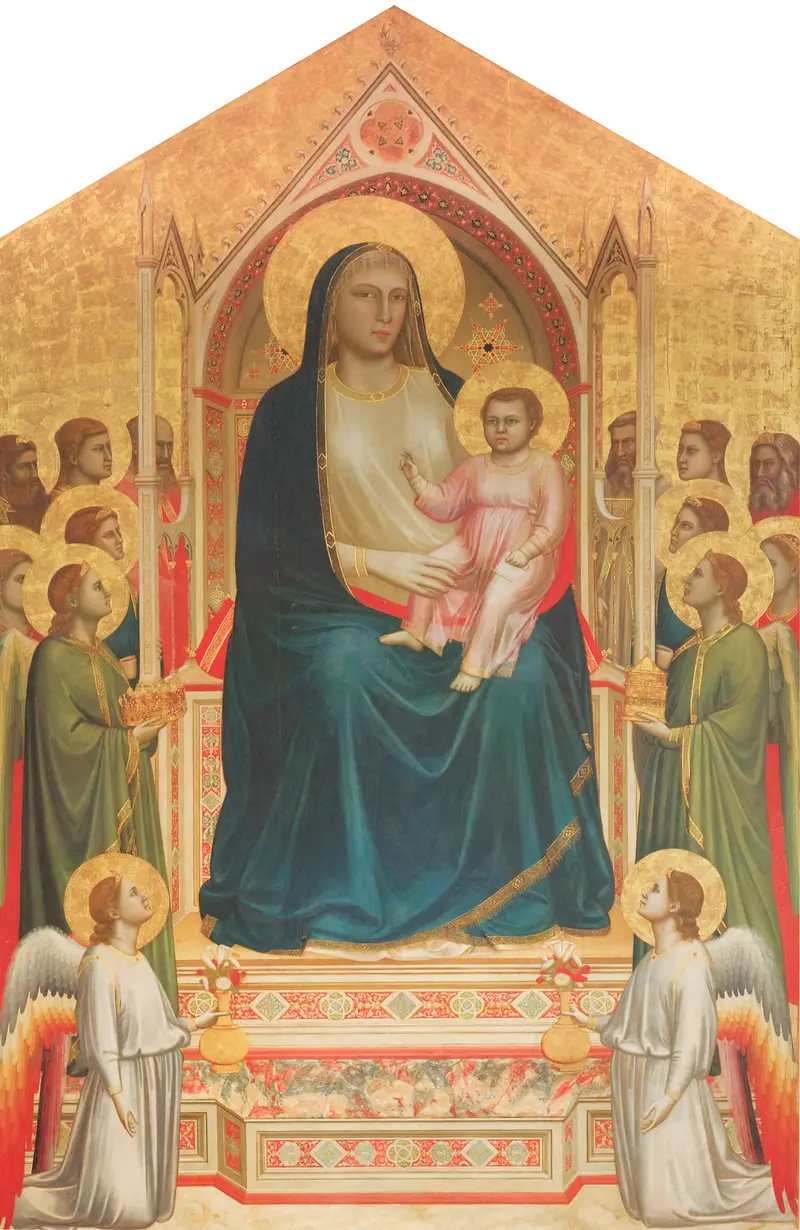
Ognissanti Madonna
Giotto di Bondone
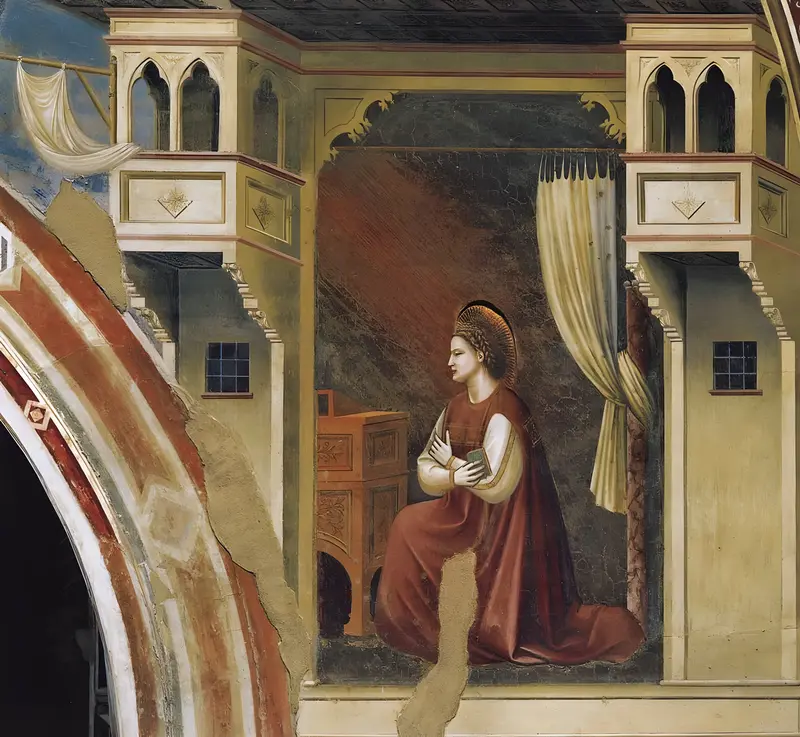
The Virgin of the Annunciation
Giotto di Bondone
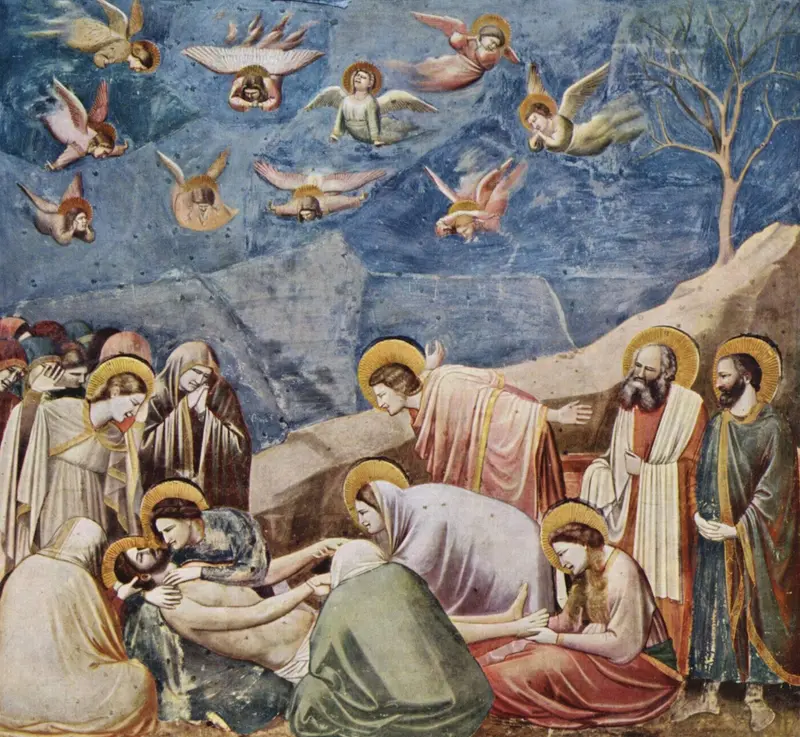
Lamentation (The Mourning of Christ)
Giotto di Bondone
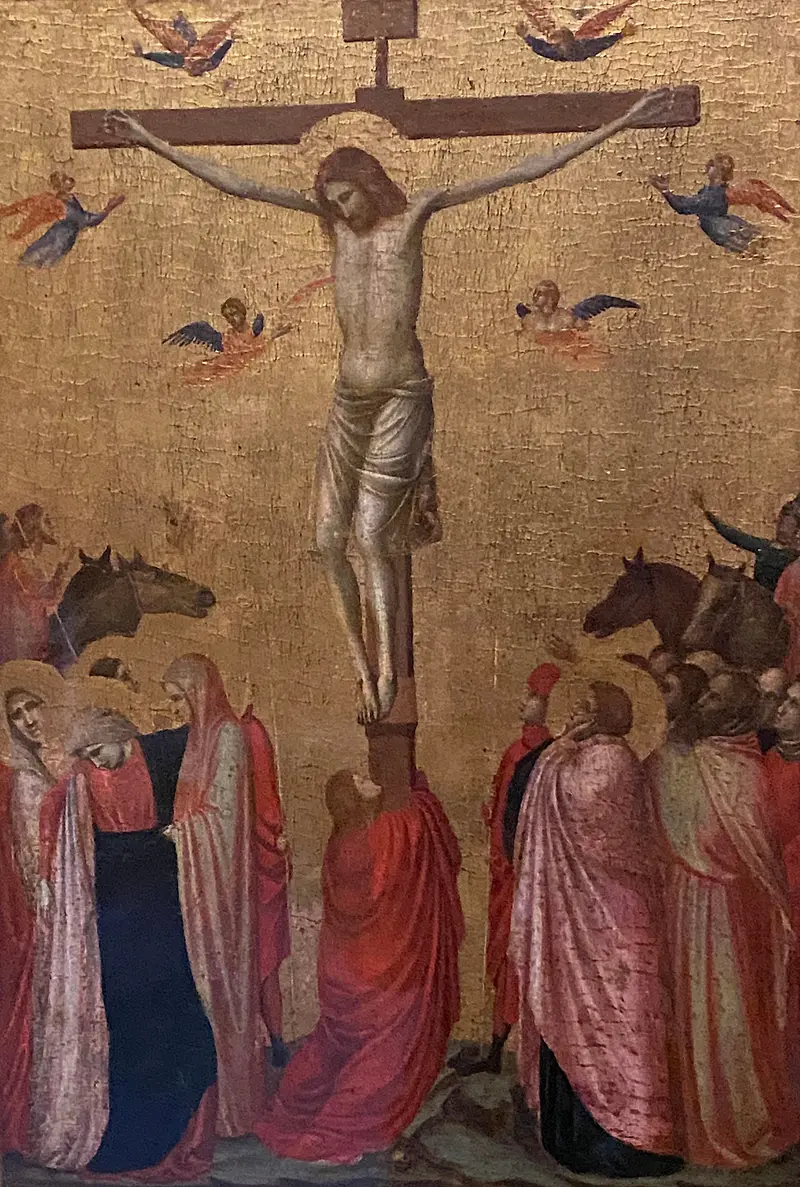
Crucifixion of Strasbourg
Giotto di Bondone
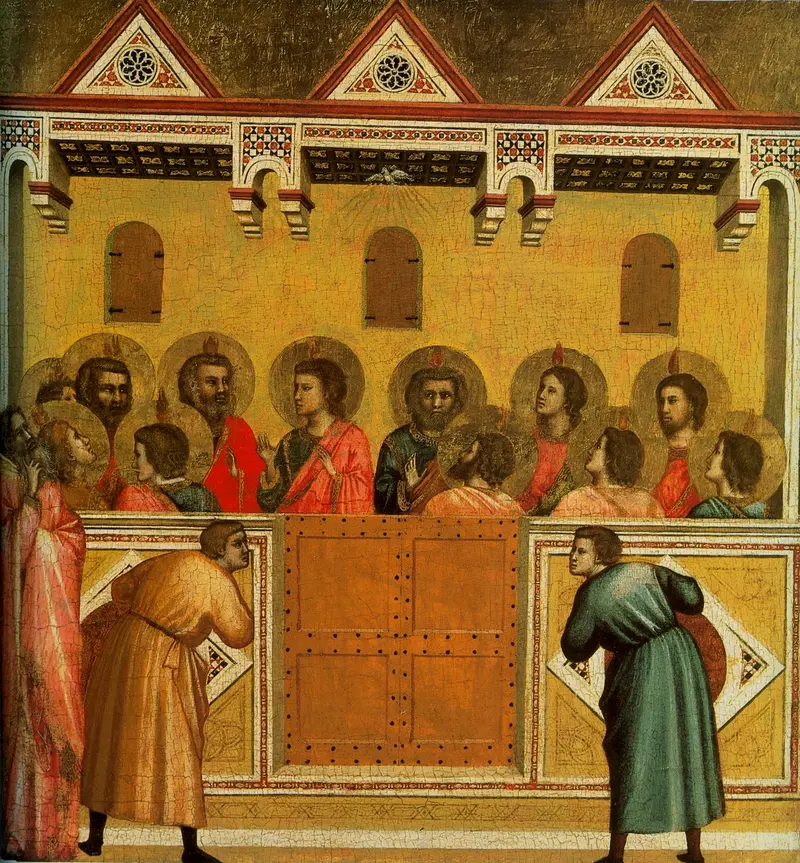
Pentecost
Giotto di Bondone
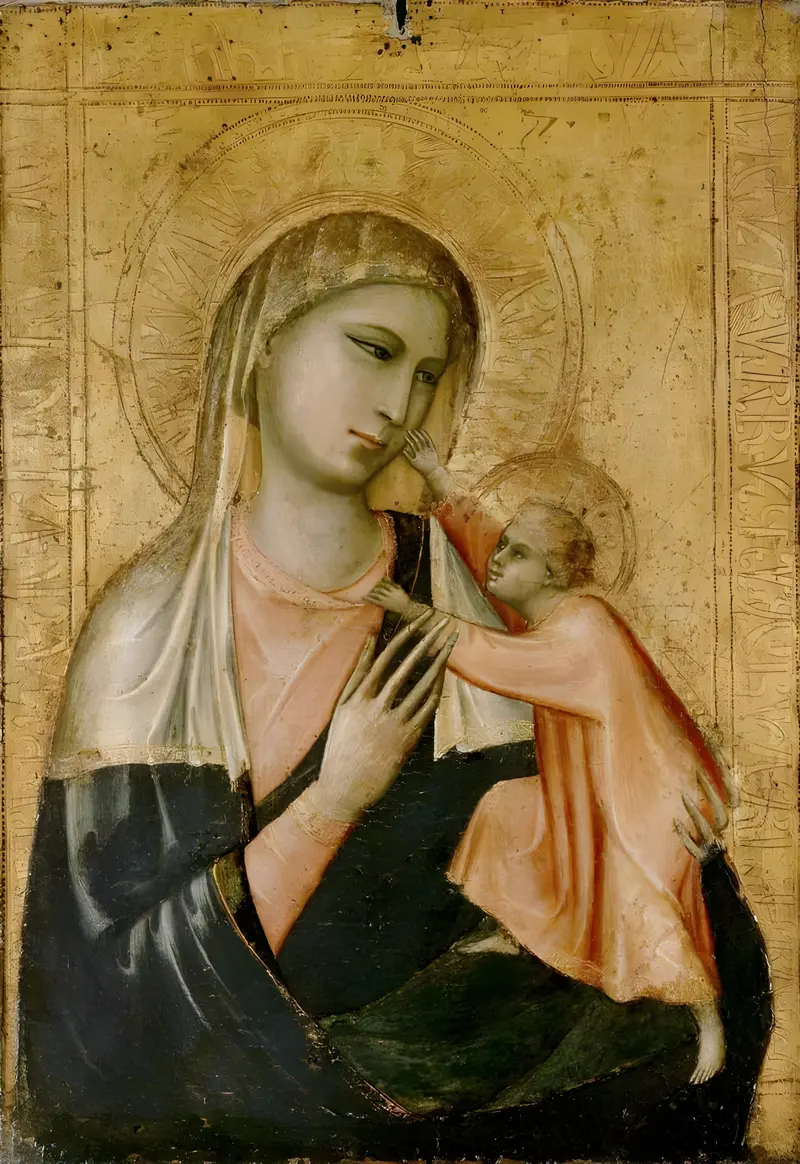
The Virgin and Child
Giotto di Bondone
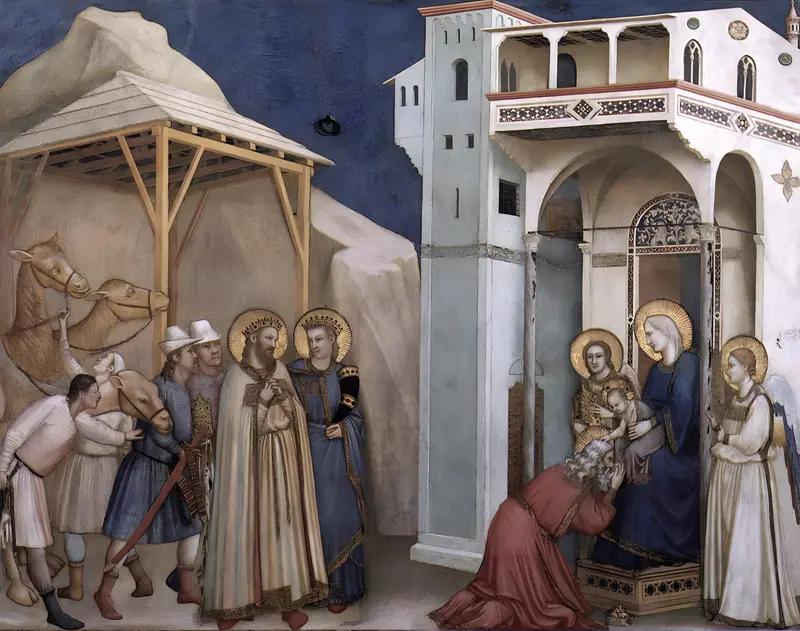
Anbetung der Könige
Giotto di Bondone
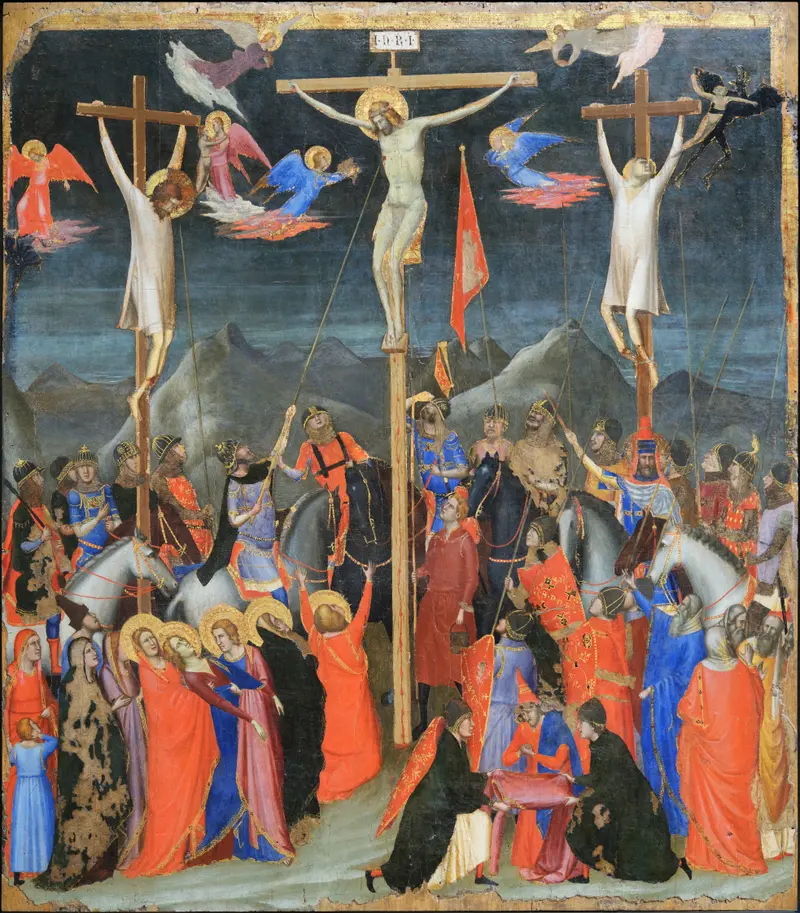
Crucifixion
Giotto di Bondone
The Visitation
Giotto di Bondone
Bologna Polyptych
Giotto di Bondone





