
The Princess of Montléar — History & Facts
What holds the viewer here is not a display of jewels or rank, but the directness of the sitter’s gaze—an unguarded, almost conversational presence that feels unexpectedly modern for the late eighteenth century. The oval frame draws the eye inward, focusing attention on the young woman’s loosely draped white gown and the sky-blue sash that cinches her waist, both rendered with a softness that suggests ease rather than ceremony. Her arms are folded gently, one hand resting atop the other, the gesture more introspective than formal, while the subtle highlight on her cheek and brow brings a quiet warmth to her expression.
The light, falling from the upper right, models her features delicately and sets her apart from the cool, shadowed background, creating a sense of intimacy that invites the viewer to linger. Portraits like this, painted in the 1790s, belonged to a world in flux—France on the cusp of revolution, where social boundaries and conventions of dress and demeanor were rapidly changing. Artists such as Adélaïde Labille-Guiard were at the forefront of these shifts, capturing not only the likeness but the inner life of their sitters, often women of the emerging bourgeoisie or minor aristocracy. The absence of overt symbols of rank or wealth here speaks to a new ideal of naturalness and sincerity, a far cry from the powdered wigs and stiff poses of earlier decades.
Though little is known about the specific history of The Princess of Montléar beyond its recent documentation (taken on 5 April 2019, in a private collection), the painting stands as a testament to its era’s changing values—a quiet revolution in portraiture that still meets the viewer’s gaze.
More Artworks by Adélaïde Labille-Guiard
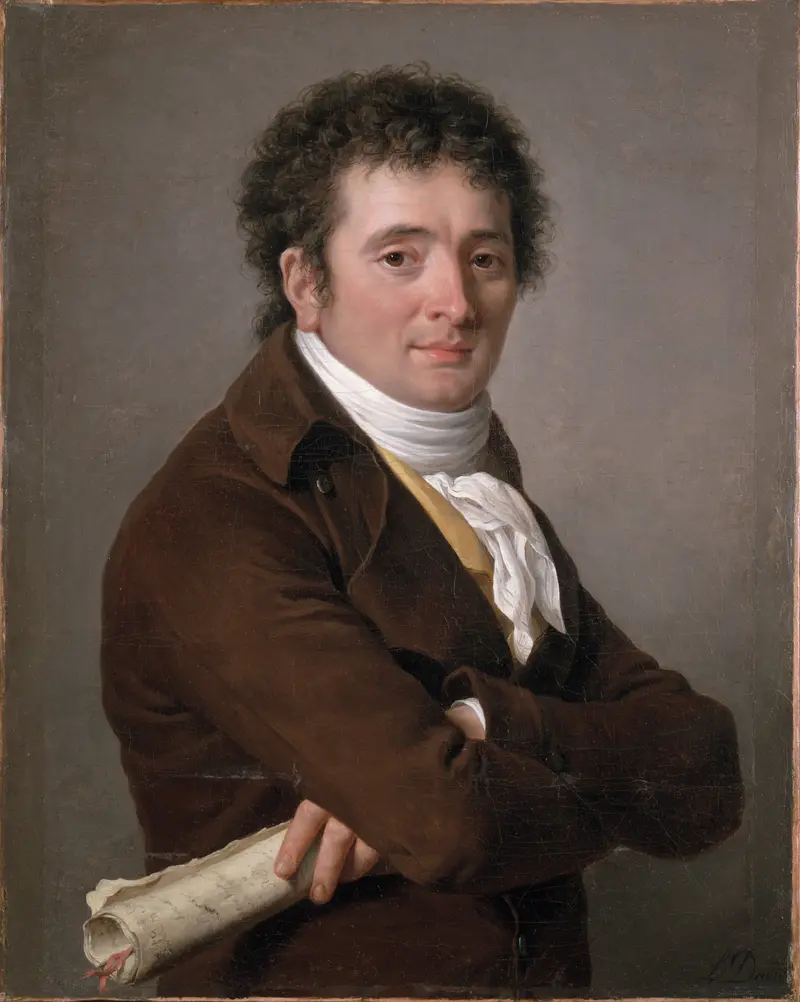
Tournelle, called Dublin (1761-1820)
Adélaïde Labille-Guiard
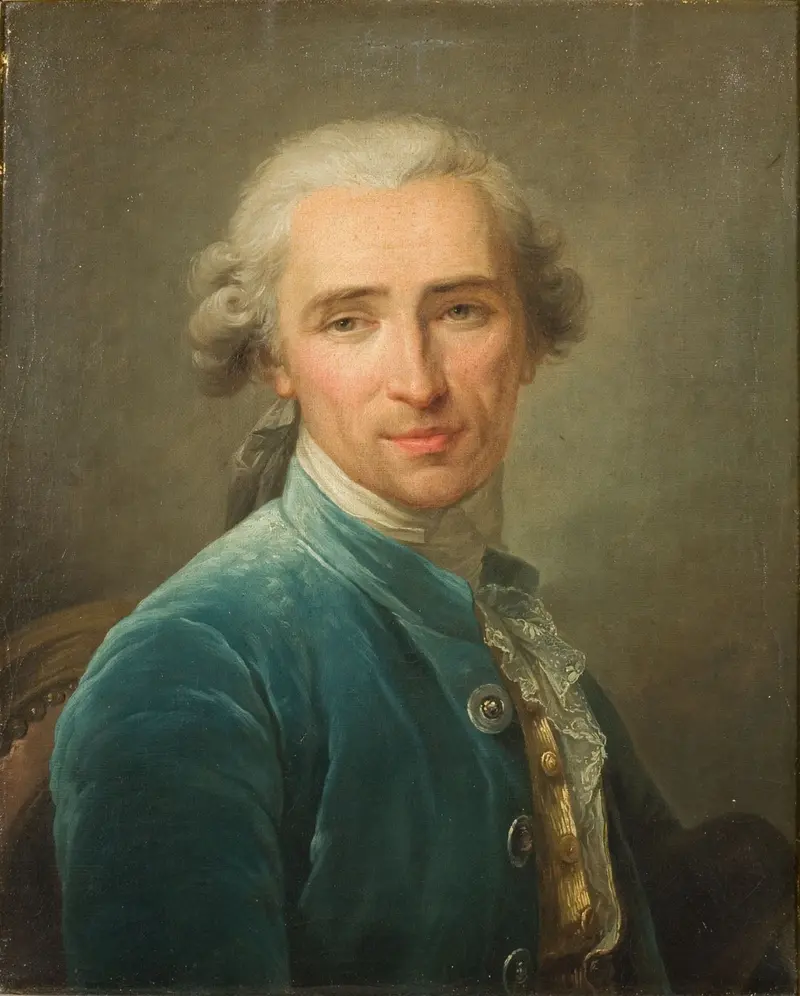
Portrait de Joseph Benoît Suvée
Adélaïde Labille-Guiard
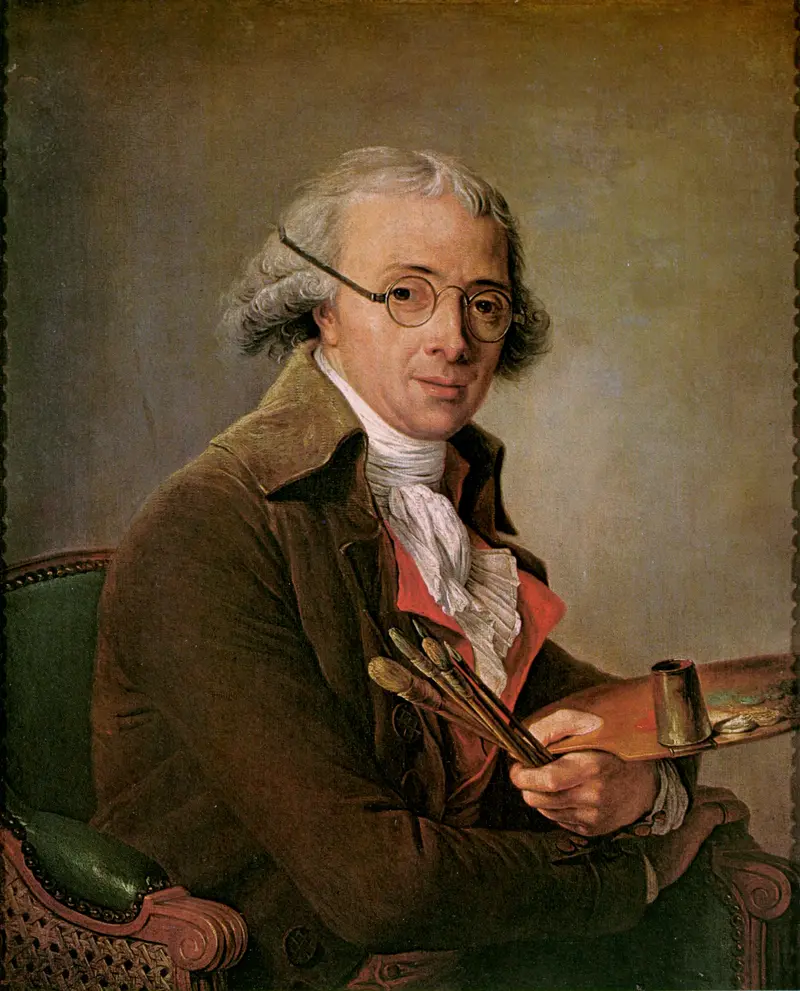
The Painter François-André Vincent
Adélaïde Labille-Guiard
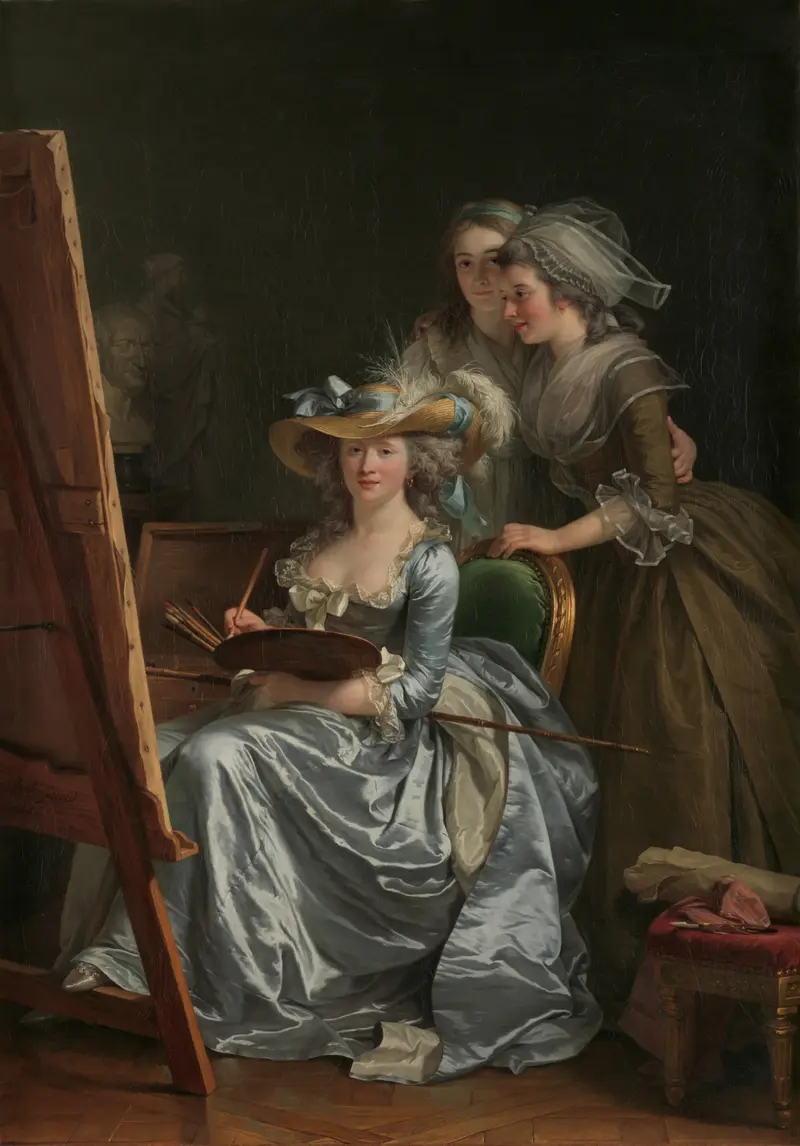
Self-Portrait with Two Pupils
Adélaïde Labille-Guiard
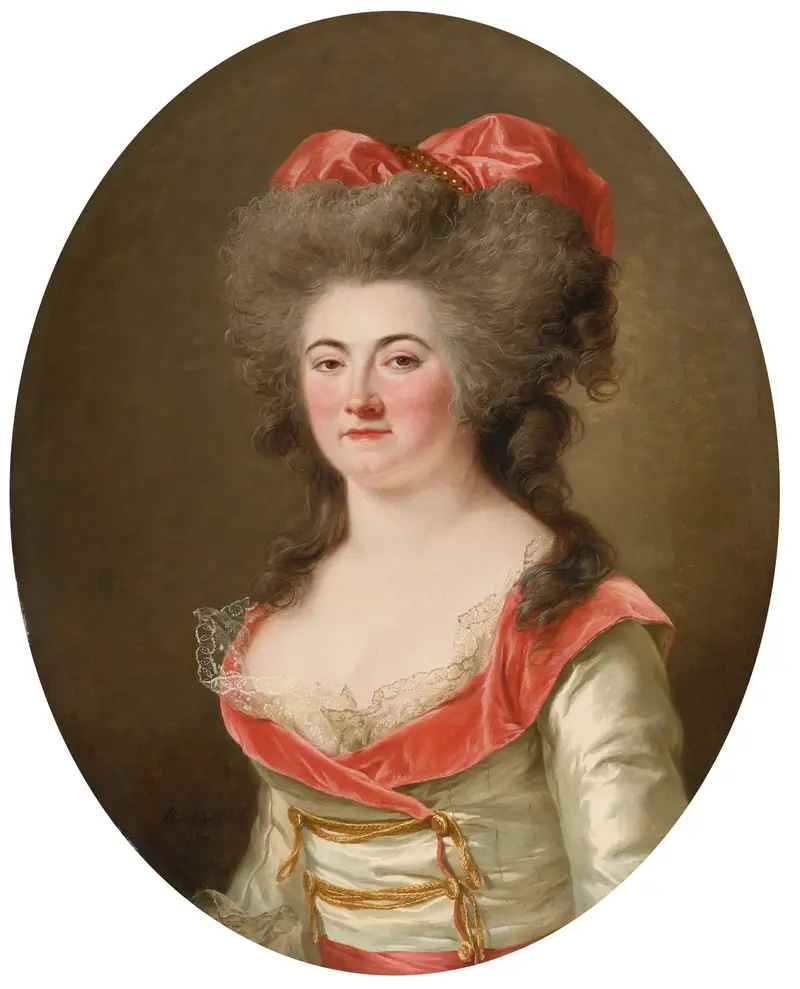
Portrait of a Lady
Adélaïde Labille-Guiard
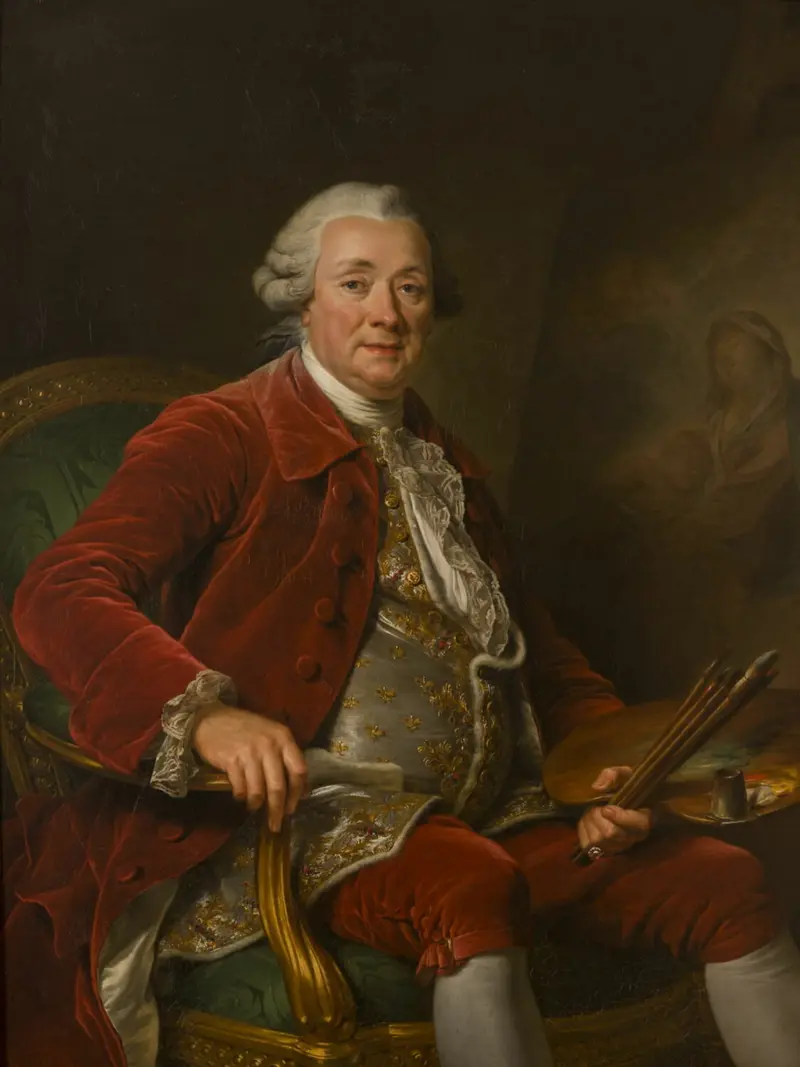
Portrait of Charles-Amédée-Philippe Van Loo
Adélaïde Labille-Guiard

Portrait of Elisabeth of France, Duchess of Parma (1727-1759)
Adélaïde Labille-Guiard
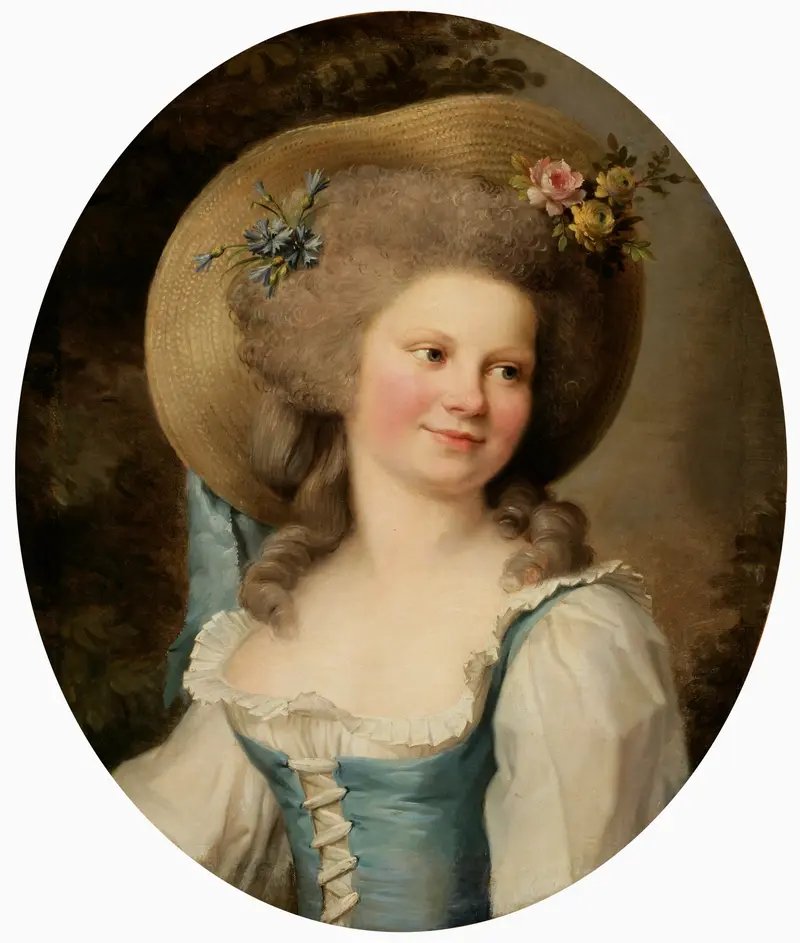
Mme Dugazon in the role of Babet
Adélaïde Labille-Guiard
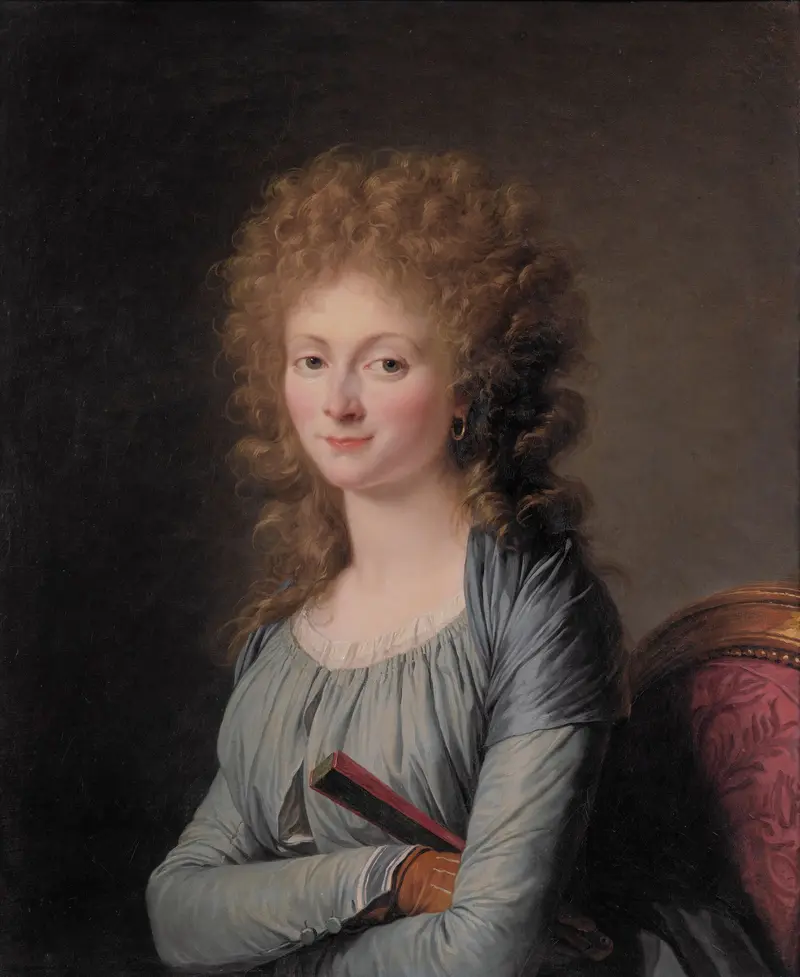
Portrait of Duchesse d'Aiguillon
Adélaïde Labille-Guiard
Monsieur Meunier
Adélaïde Labille-Guiard





