
The Prodigal Son Returns to his Father’s House — History & Facts
In The Prodigal Son Returns to his Father’s House, Jacques Callot captures a dramatic moment of reunion. The painting features a warm color palette dominated by earthy tones, with figures that express a range of emotions. The father, depicted with open arms, welcomes his son back into the fold.
Surrounding them are other characters, each contributing to the narrative of forgiveness and acceptance. This artwork is an etching, a medium that allows for intricate details and textures. Callot's technique showcases fine lines and shading, emphasizing the emotional weight of the scene. The composition is carefully arranged, drawing the viewer's eye to the central figures of the father and son.
The overall size of the piece is approximately 30 x 40 cm, making it an intimate portrayal of a well-known biblical story. Jacques Callot was a French artist known for his etchings and prints, particularly during the Baroque period. This work reflects his interest in narrative and emotional depth, common in his oeuvre. An interesting fact about this piece is that it illustrates a popular biblical parable, which has been a subject of artistic interpretation for centuries.
Callot's unique style and attention to detail make this work a notable example of his contribution to religious art.
More Artworks by Jacques Callot

De verloren zoon als zwijnenhoeder
Jacques Callot
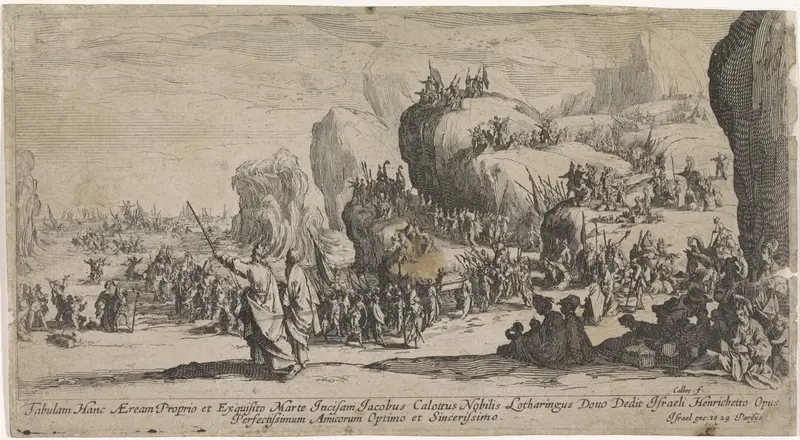
De doortocht door de Rode Zee
Jacques Callot

Kruisiging
Jacques Callot
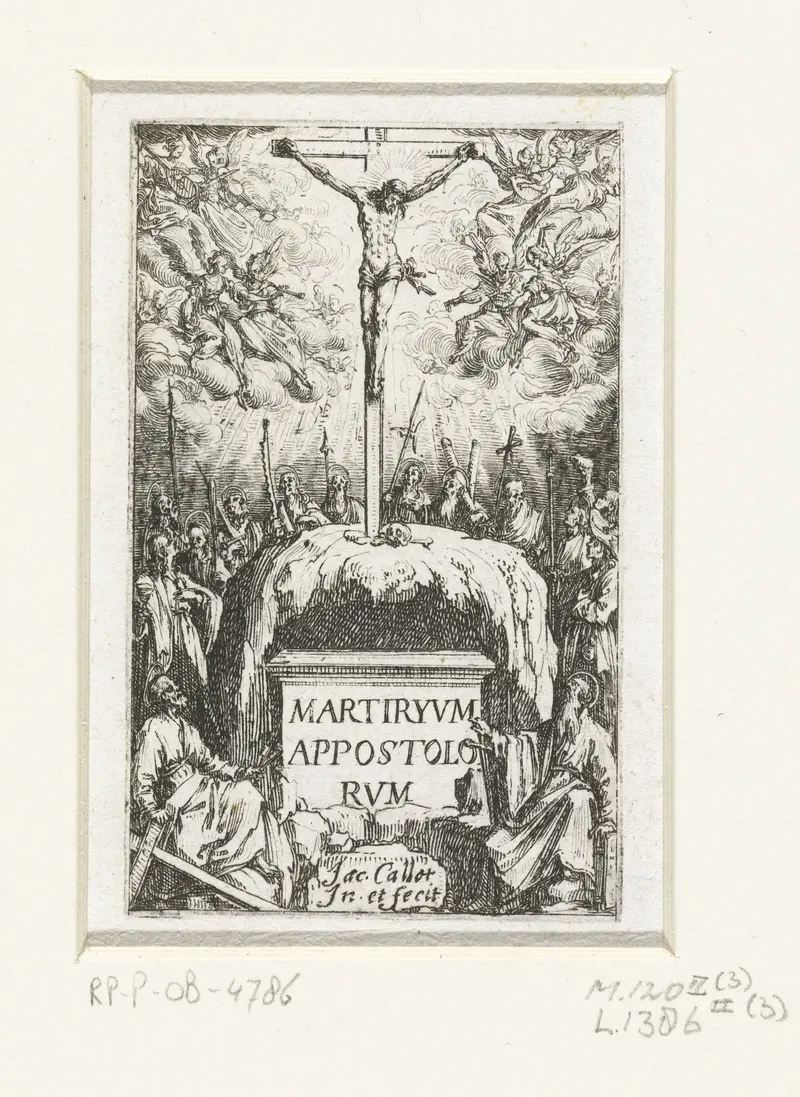
Titelprent voor de prentreeks 'De kleine apostelen' (Het martelaarschap van de apostelen)
Jacques Callot
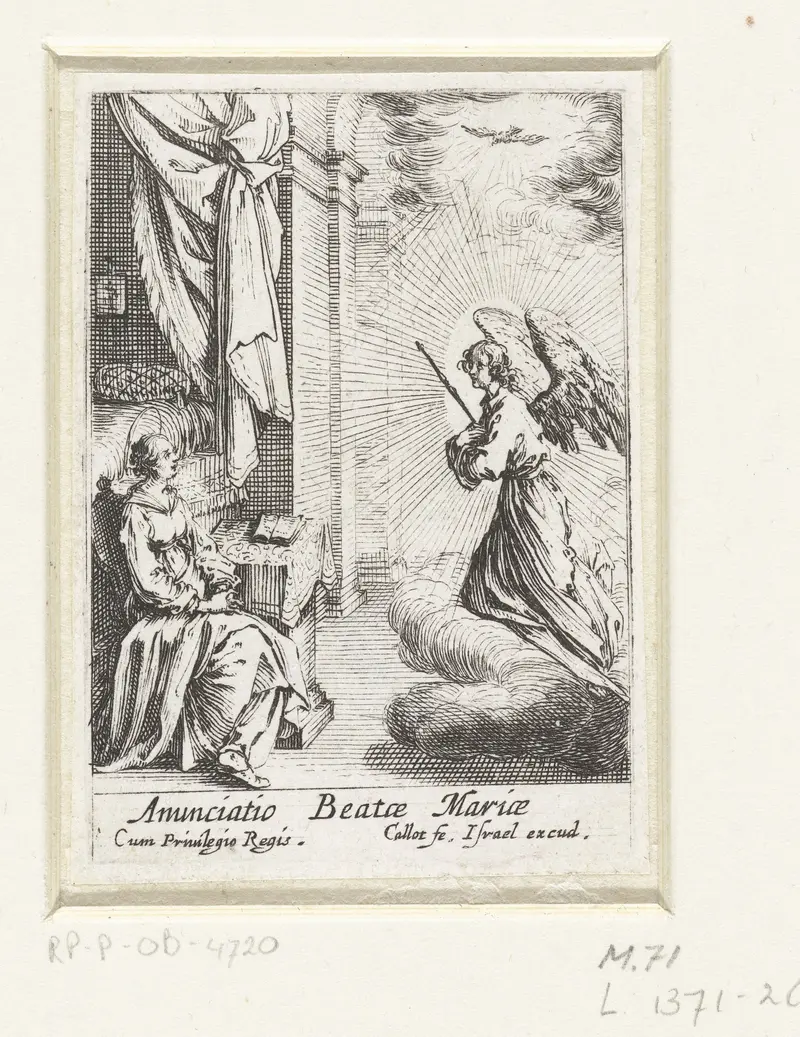
Annunciatie
Jacques Callot
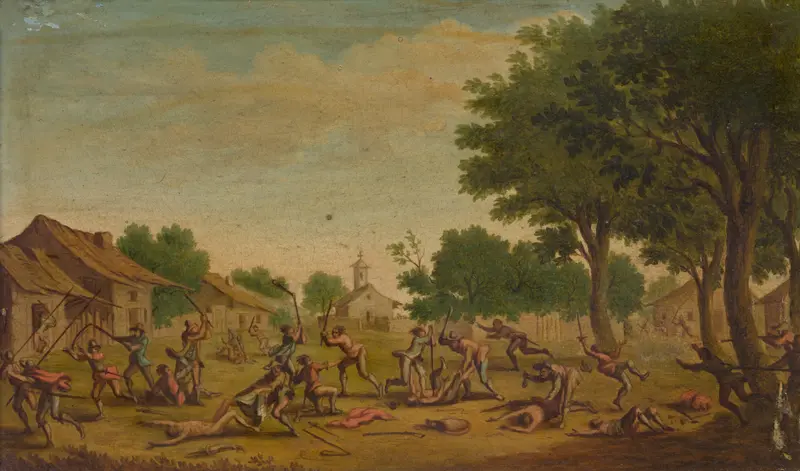
Village Fight
Jacques Callot
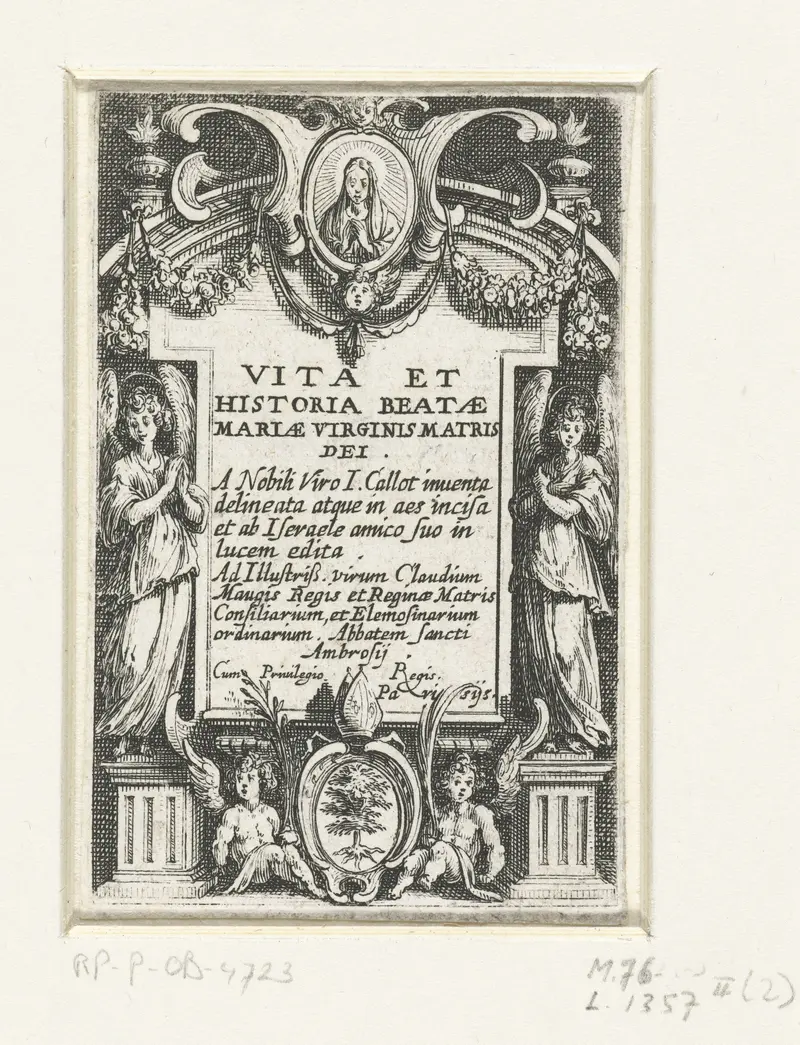
Titelprent voor prentreeks 'Het leven van Maria'
Jacques Callot
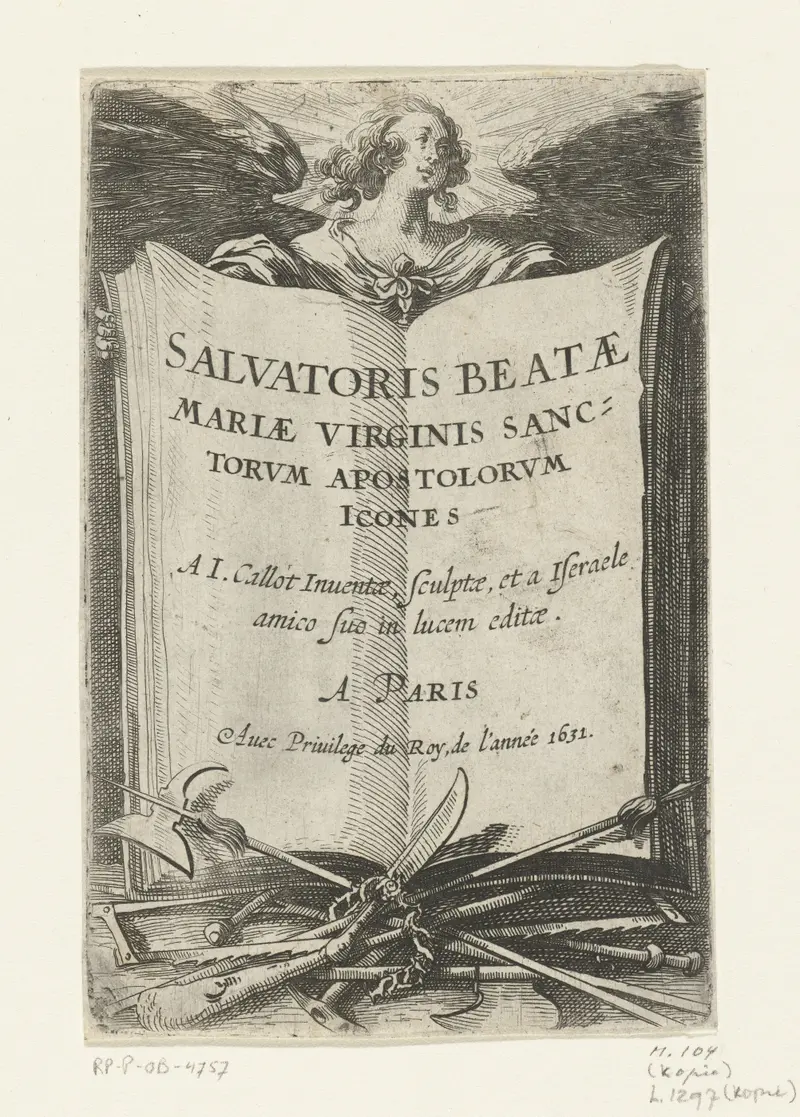
Titelprent voor de prentreeks 'De grote apostelen' (Christus, Maria en de apostelen)
Jacques Callot

Kruisoprichting
Jacques Callot
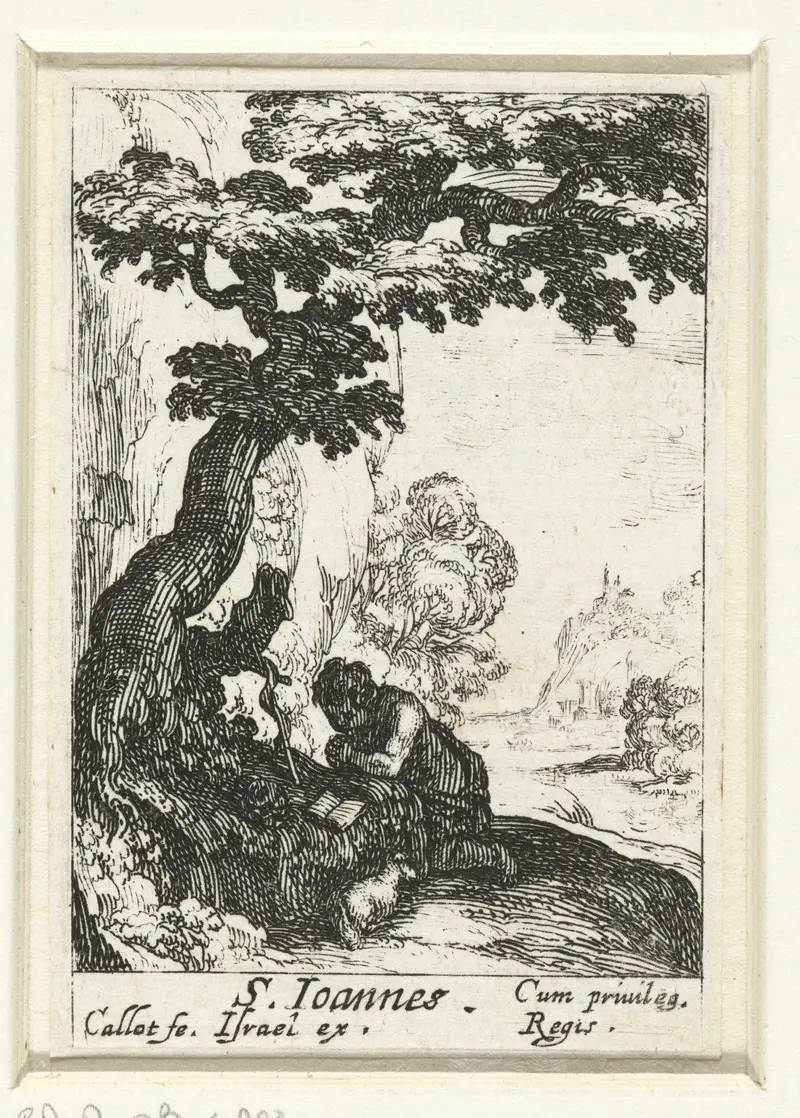
De boetvaardige Johannes de Doper
Jacques Callot





