
The Rainbow’s Source — History & Facts
What secret hides in the quiet of the canvas? Beneath the serene surface of a pastoral scene lies a tumultuous undertow, a chaos of color and emotion that invites the viewer to delve deeper. Look to the center, where the vibrant swirls of color converge, forming a luminous arc that captures the essence of a rainbow. The artist’s brushwork, a blend of soft pastels and bold strokes, creates a dynamic tension between the tranquil landscape and the explosive palette. Notice how the lush greens of the grass bleed into the vibrant blues and yellows, as if nature itself is caught in a moment of ecstatic transformation.
The interplay of light and shadow is masterful, with the sun casting its golden rays across the scene, illuminating each stroke and heightening the emotional resonance. Beneath the surface, the work reflects a juxtaposition of serenity and chaos. The gentle flow of the river contrasts with the frenetic energy of the colors, suggesting an underlying turbulence that mirrors the complexities of life. Twachtman’s choice to encapsulate the moment just after the rain hints at renewal, yet the vivid hues imply an emotional struggle, as if the landscape is both celebrating and resisting change.
This duality creates a rich tapestry of feelings, inviting viewers to explore their own interpretations of the tranquility and turmoil that coexist in nature. In the late 19th century, Twachtman was immersed in the American Impressionist movement, capturing the fleeting moments of light and color. Painting The Rainbow’s Source around 1890-1900, he was influenced by his time in the American outdoors and the evolving art scene, where artists sought to express their emotional responses to nature. This piece stands as a testament to his masterful ability to balance representation with abstraction, reflecting both his personal journey and the artistic currents of his time.
More Artworks by John Henry Twachtman
Browse all →
Hemlock Pool
John Henry Twachtman

Waterfall
John Henry Twachtman
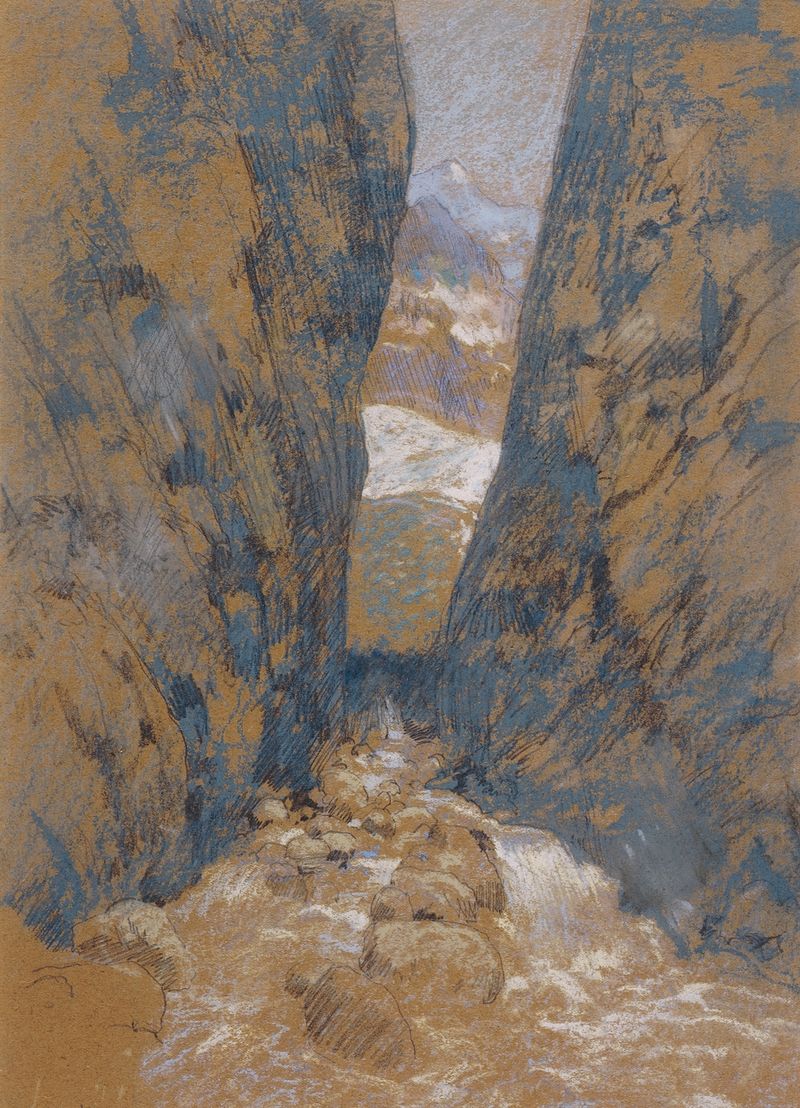
A Mountain Gorge
John Henry Twachtman

The White Bridge
John Henry Twachtman

Snow
John Henry Twachtman

Icebound
John Henry Twachtman
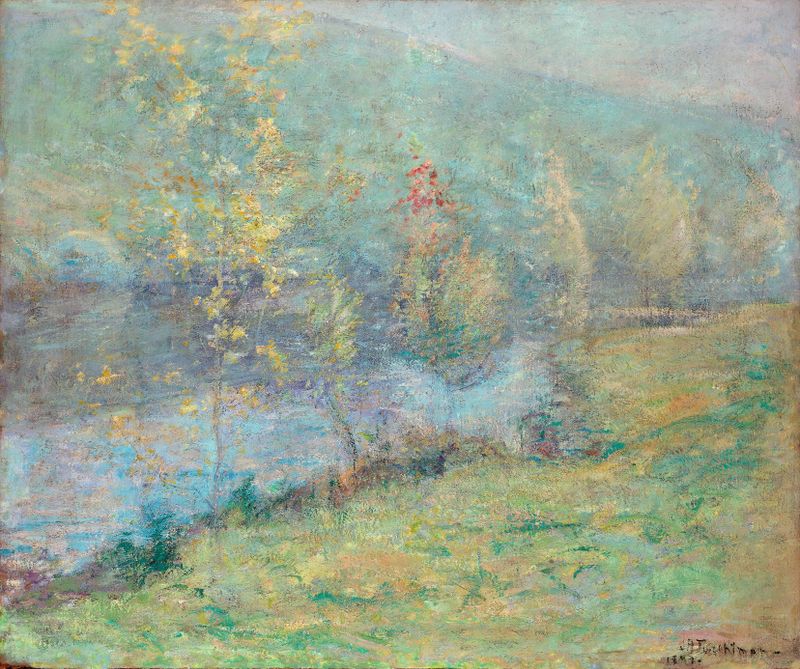
Misty May Morn
John Henry Twachtman
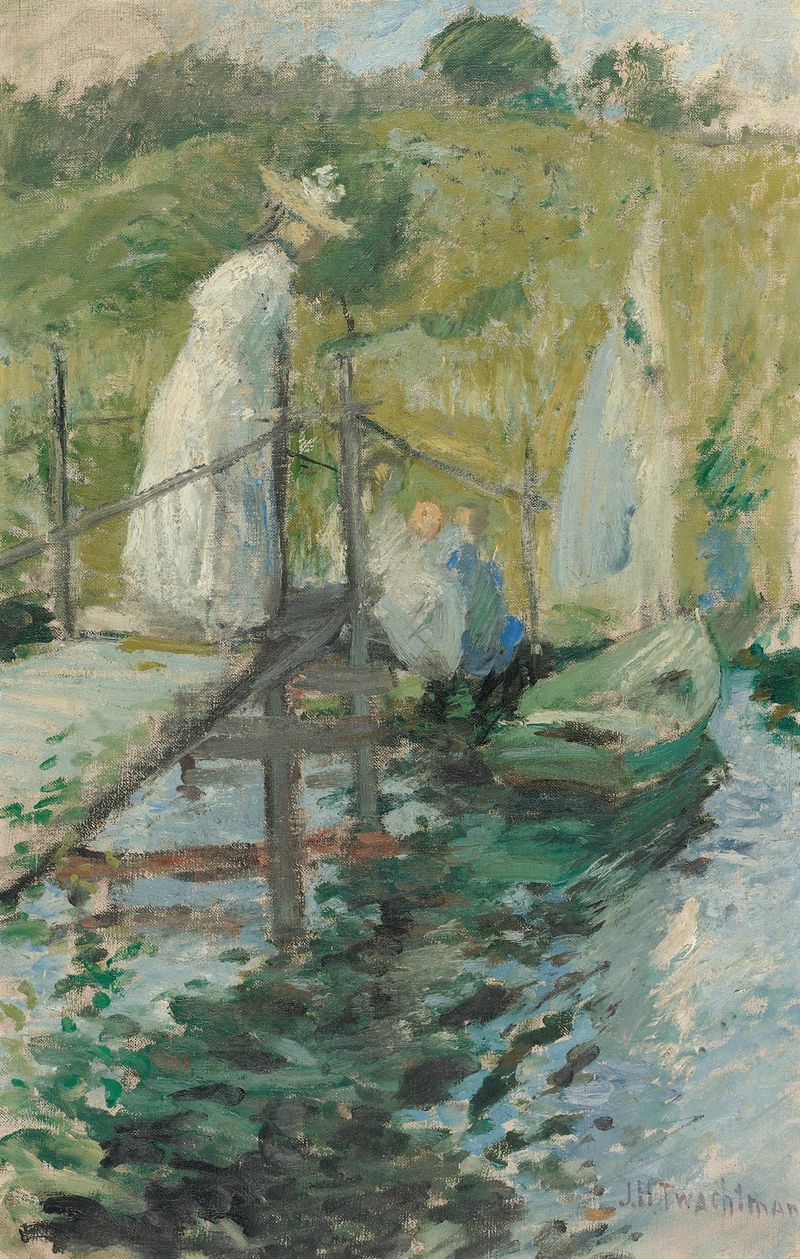
Summer Afternoon
John Henry Twachtman
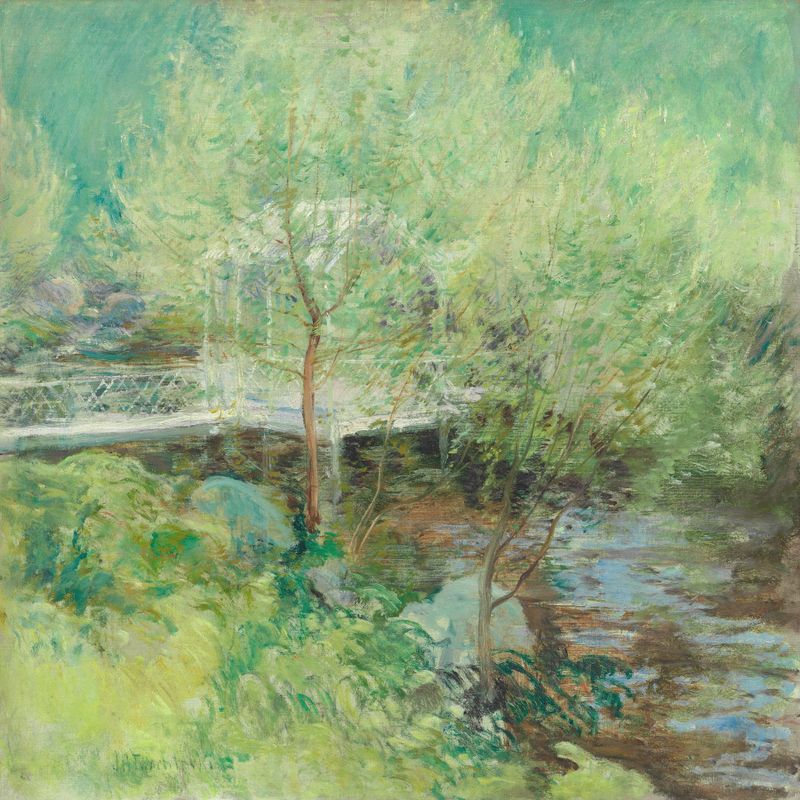
The White Bridge
John Henry Twachtman

Niagara Falls
John Henry Twachtman





