
The Raising of Lazarus — History & Facts
Light falls like a summons in this painting, drawing the eye to the outstretched hand of a man whose skin is ashen, his body slumped yet unmistakably stirring. Every figure in The Raising of Lazarus by Abraham Bloemaert is caught in a moment of suspended breath: the woman at the lower left leans forward, her face turned in awe, while a cluster of onlookers press in, their gestures a chorus of shock and hope. The central figure, robed in luminous red, raises his hand in a gesture of command and blessing, his gaze fixed on the man emerging from the tomb.
The palette shifts from the earthy shadows around Lazarus to the glowing warmth that bathes Christ, making the miracle not just an event, but a radiance that spills outward, animating every watcher. In this tightly woven scene, the painter uses light and gesture to make the extraordinary feel immediate, as if the air itself is charged with expectation. Created between 1600 and 1605, this work belongs to an age when biblical stories were painted to instruct, move, and dazzle viewers in churches and private homes alike. In the Northern Netherlands, artists like Bloemaert responded to a world hungry for images that could bridge the seen and unseen, the earthly and the divine.
Such paintings were often commissioned by wealthy patrons or religious institutions eager to display both faith and taste, and the drama of resurrection was a favored subject, offering artists a chance to explore the limits of human emotion and divine intervention. Though little is recorded about the specific journey of this painting before its place in the Art UK collection, its bold theatricality and careful choreography are hallmarks of the early seventeenth century, when painters sought to make the miraculous tangible. Look again at the hands—raised, clasped, reaching—and see how the story unfolds in the silent language of gesture.
More Artworks by Abraham Bloemaert

Adam and Eve
Abraham Bloemaert
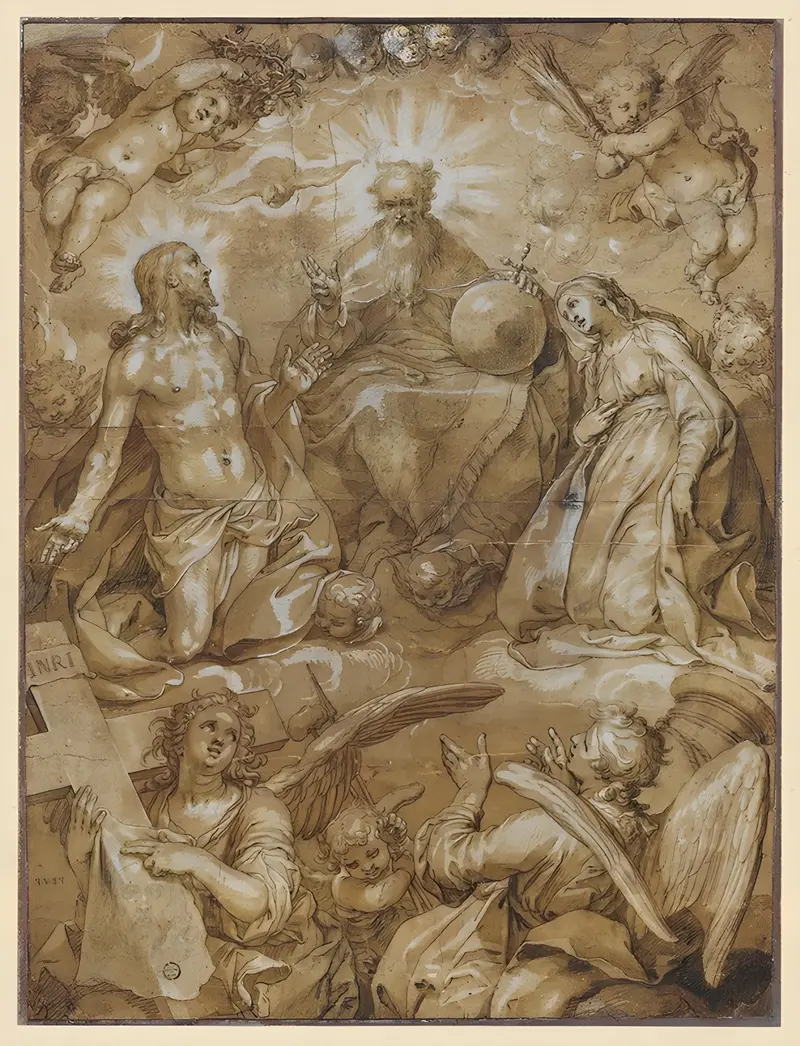
Intercession of Christ and Mary before God the Father
Abraham Bloemaert
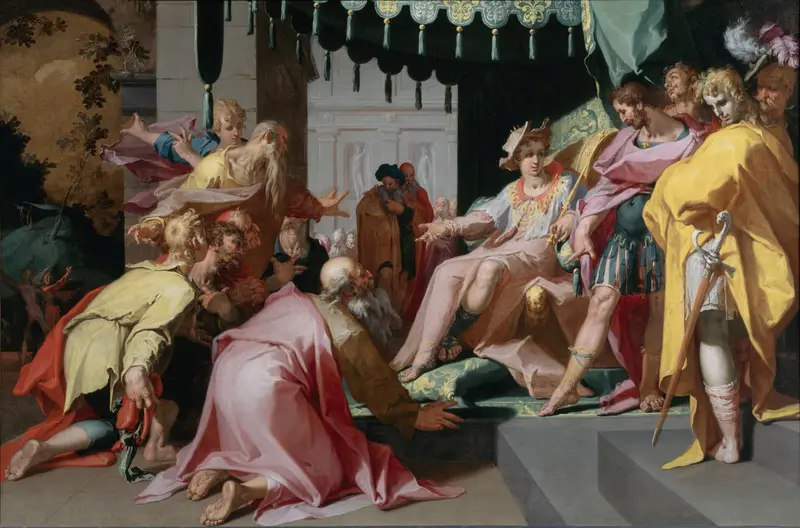
Joseph and his Brothers
Abraham Bloemaert
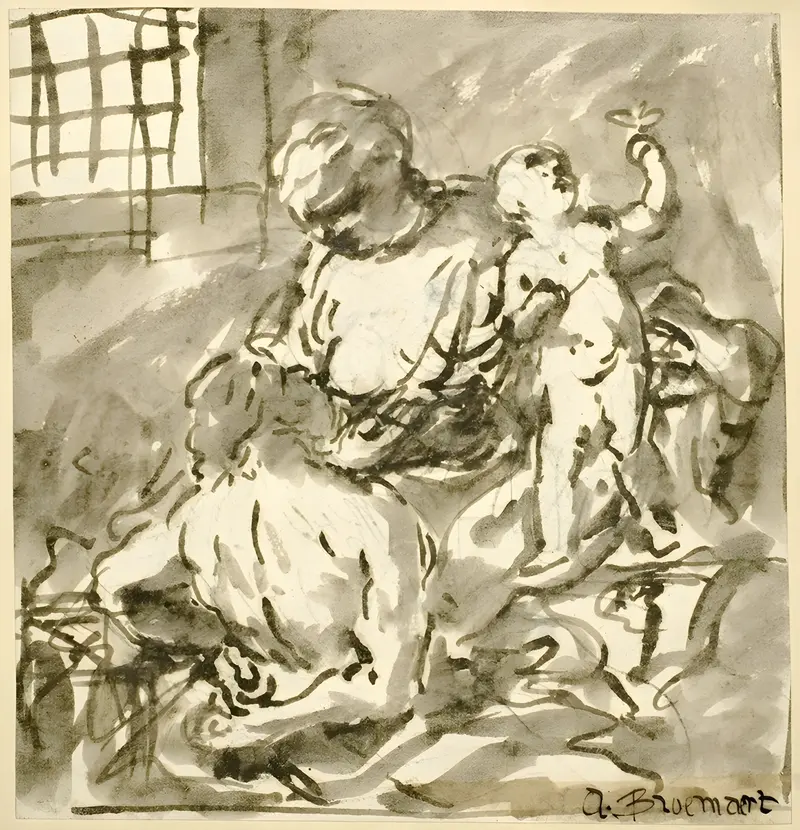
Caritas Romana
Abraham Bloemaert
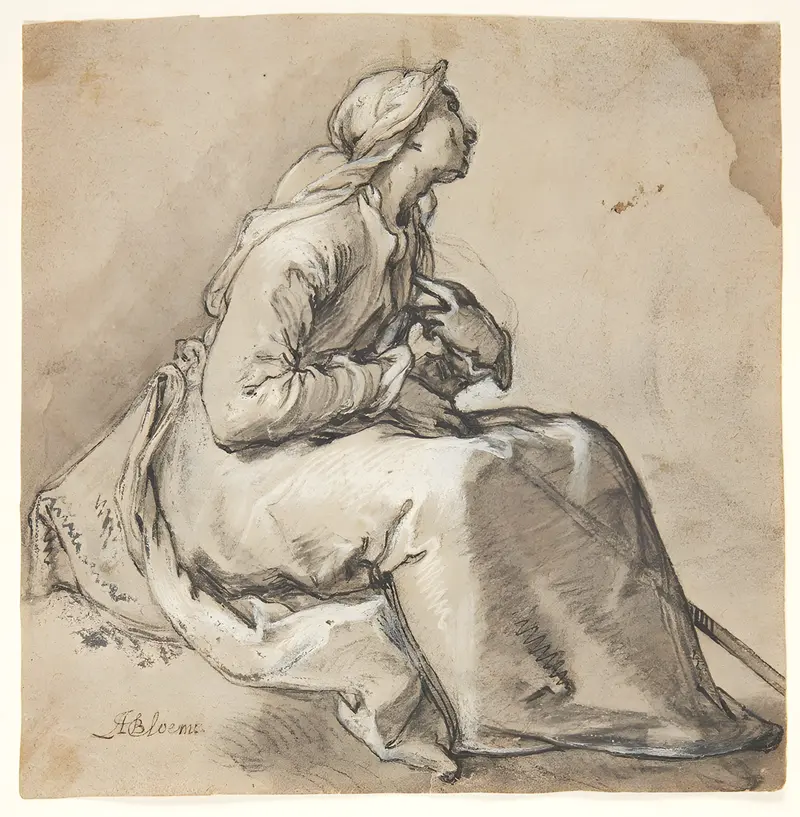
A seated woman facing right
Abraham Bloemaert
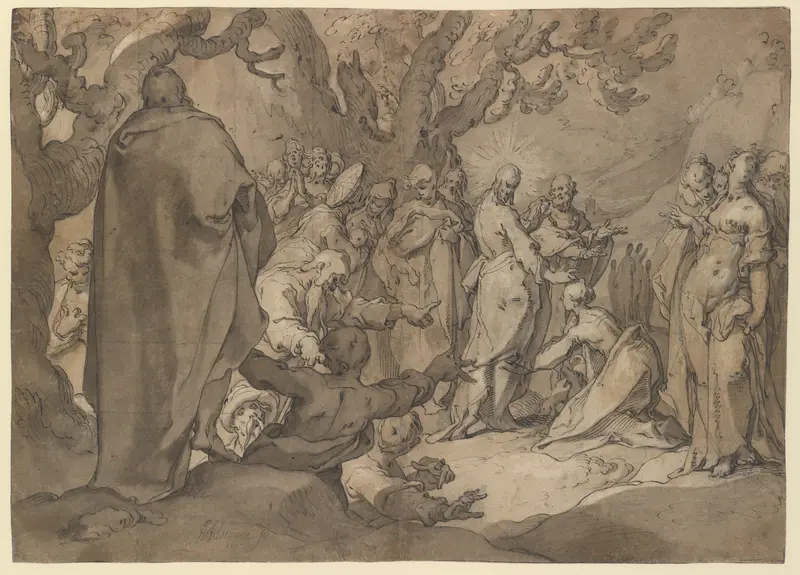
Christ and the Canaanite Women
Abraham Bloemaert
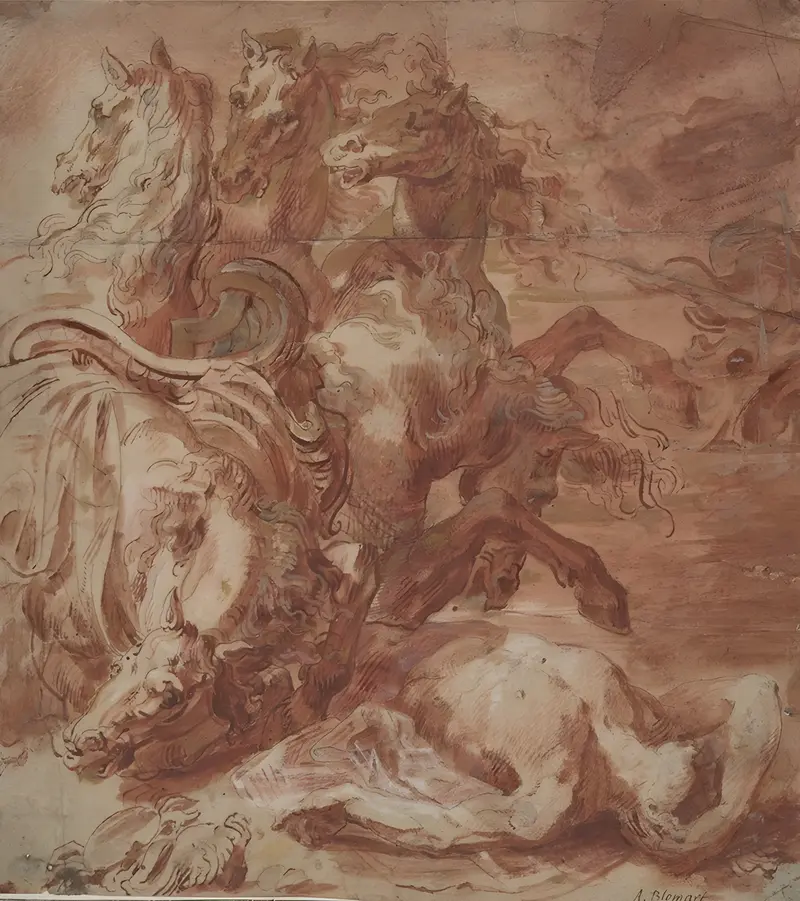
Hippolytus
Abraham Bloemaert
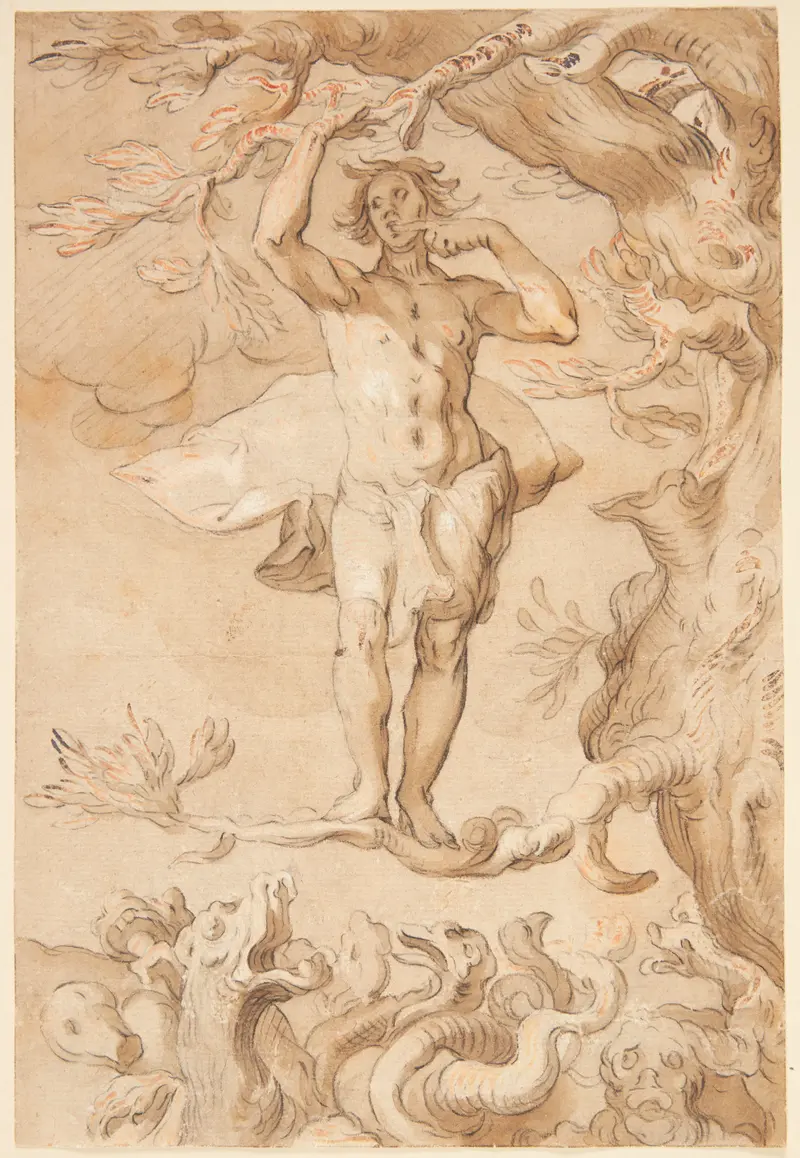
Den menneskelige glædes skrøbelighed En mand, der jages af en drage, klynger sig til en gren, mens han slikker honning af sin finger
Abraham Bloemaert

Moses Striking the Rock
Abraham Bloemaert
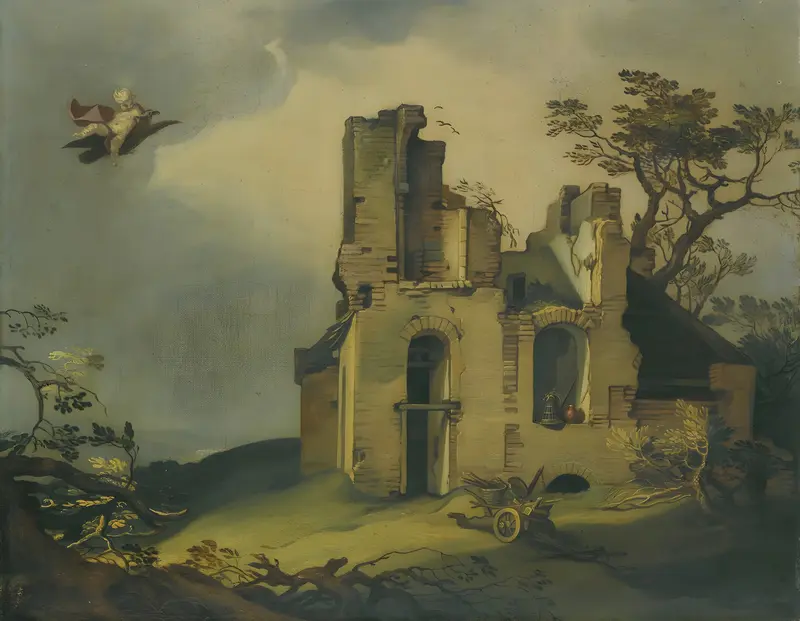
A Landscape With Ruins, With The Rape Of Ganymede
Abraham Bloemaert





