
The Red Rock — History & Facts
The emptiness within this piece resonates like an echo in a vast canyon, urging us to confront our solitude. It’s a stark reminder of the weight of what remains unspoken, a haunting reflection of our own inner landscapes. Look to the left at the bold application of cerulean blue that suggests the distant horizon, stark against the warm ochres and reds associated with the rock formation in the foreground. Notice how the brushstrokes create a tactile texture, inviting your fingers to trace the contours of the landscape.
The foreground's rich, reddish hues draw the eye, while the delicate handling of light on the rock’s surface captures the essence of nature's raw beauty, making it almost palpable. Delving deeper, one can sense a poignant contrast between the vibrant colors and the pervasive stillness of the scene. The solidity of the rock embodies permanence, yet it stands alone, devoid of human presence, hinting at themes of isolation and contemplation. The interplay of shadow and light serves not just to define the rock, but to evoke a sense of introspection — an invitation to reflect on our own place within the vastness of existence. In 1895, while residing in Aix-en-Provence, Cézanne was grappling with the evolution of his artistic identity amidst the changing tides of the Impressionist movement.
His approach aimed to transcend mere representation, seeking to capture the essence of nature through form and color, revealing a deeper emotional truth. This was a pivotal moment, as he began laying the groundwork for modern art, addressing profound themes that resonate even today.
More Artworks by Paul Cezanne
Browse all →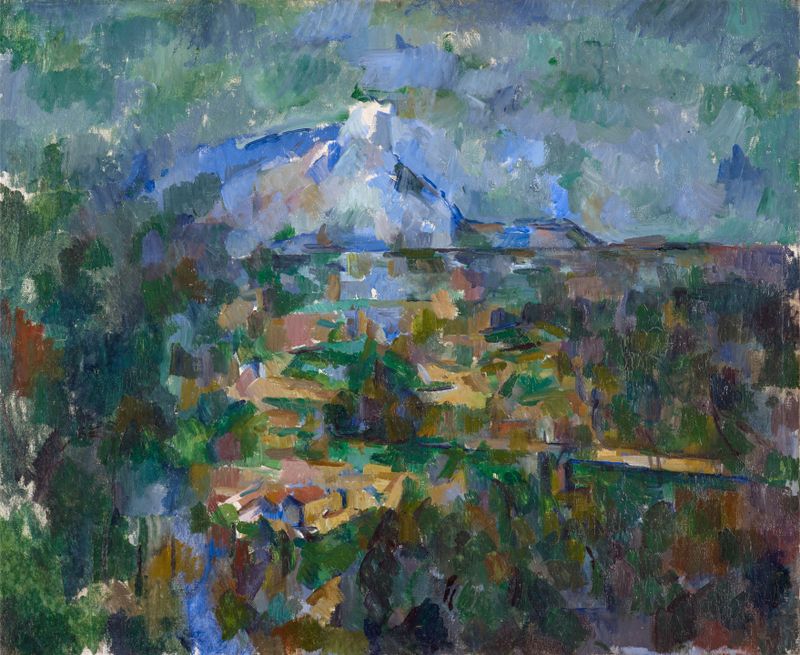
The Mont Sainte-Victoire Seen From Les Lauves
Paul Cezanne
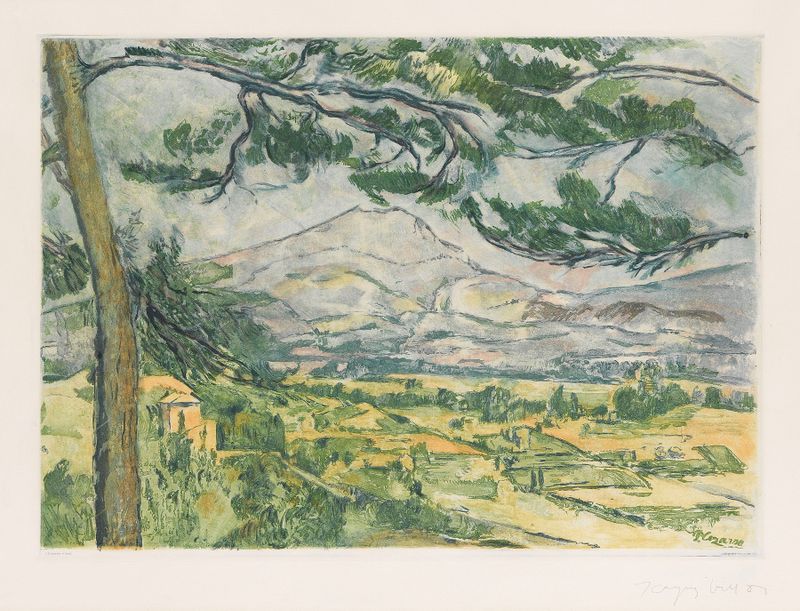
La Montagne Sainte-Victoire
Paul Cezanne
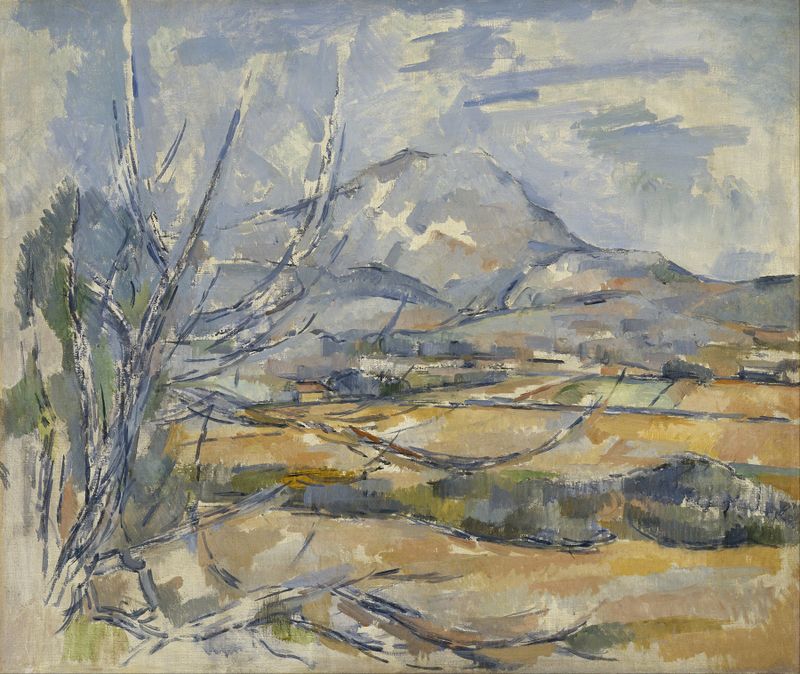
Montagne Sainte-Victoire
Paul Cezanne
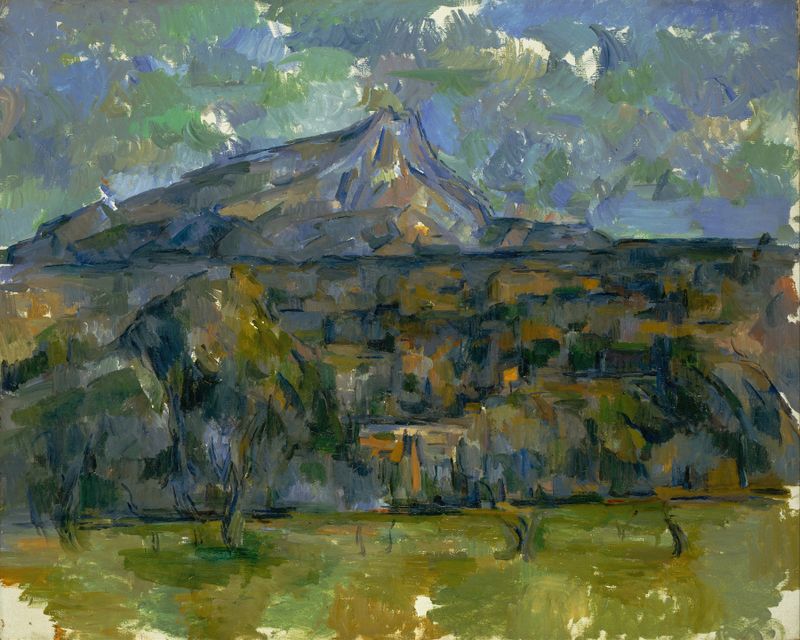
Mont Sainte-Victoire
Paul Cezanne
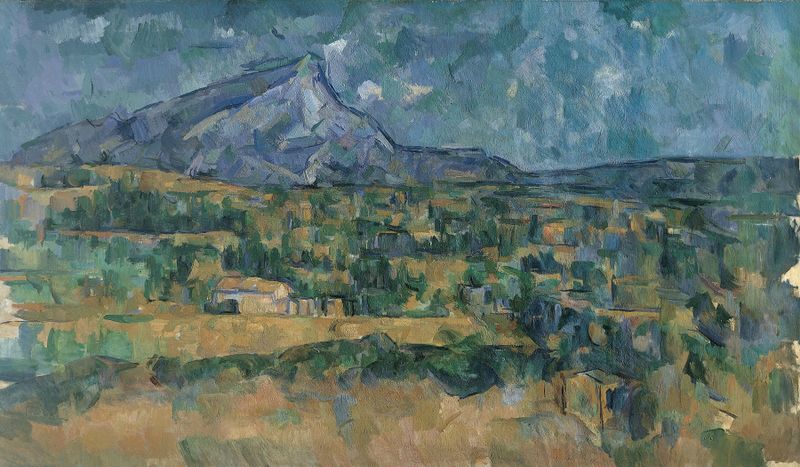
Mont Sainte-Victoire
Paul Cezanne
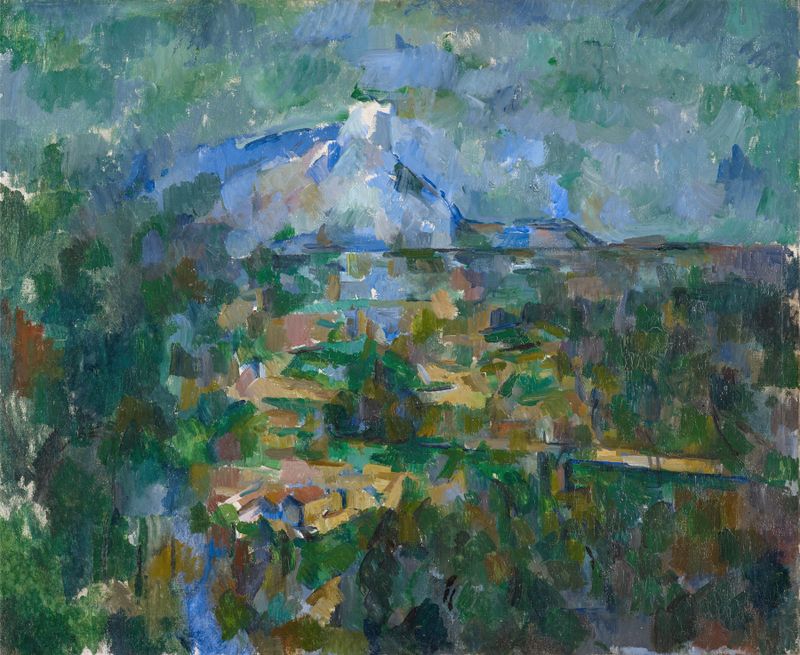
View of Mount Sainte-Victoire from Les Lauves
Paul Cezanne
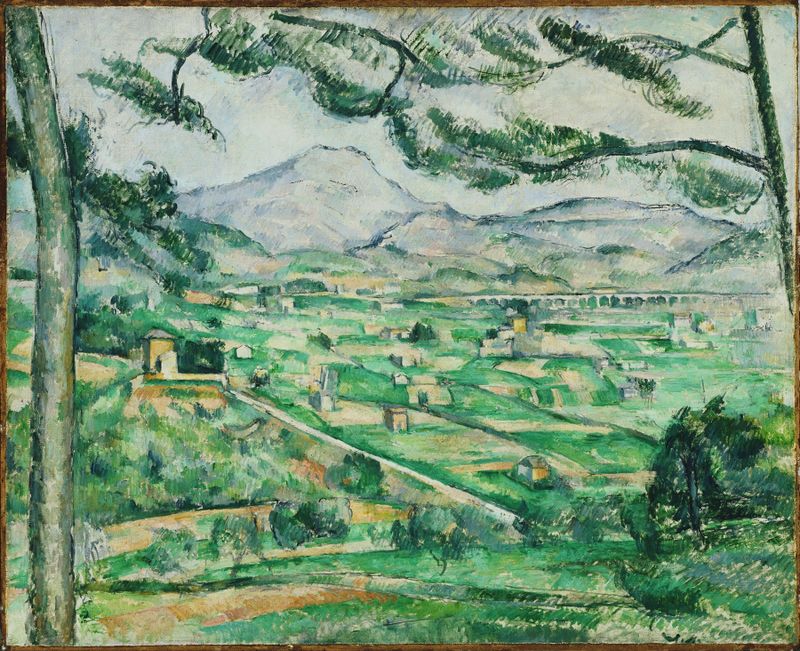
Mont Sainte-Victoire 2
Paul Cezanne

The Basket of Apples
Paul Cezanne

Mount Sainte-Victoire
Paul Cezanne
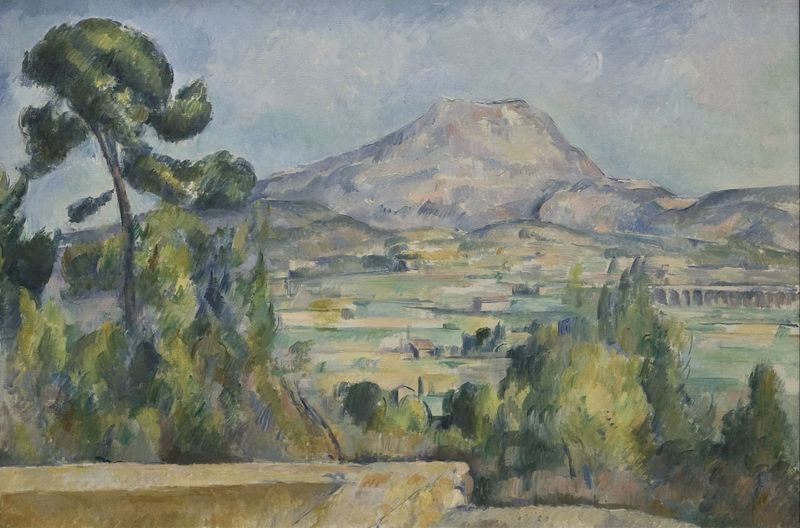
Montagne Saint-Victoire
Paul Cezanne





