
The Rest On The Flight Into Egypt — History & Facts
Few biblical scenes inspired as many Dutch and Flemish artists as the pause of the Holy Family during their perilous escape to Egypt, yet Abraham Bloemaert’s The Rest On The Flight Into Egypt stands out for its gentle intimacy. Bloemaert, a leading figure in the Utrecht school, revisited this subject multiple times, each version revealing subtle shifts in mood and setting. The enduring appeal of this episode lies in its blend of vulnerability and hope—a moment of quiet amid a dangerous journey, which allowed artists to explore both landscape and human tenderness.
Though the exact date and circumstances of this painting’s creation remain uncertain, its composition reflects the late 16th to early 17th-century fascination with narrative detail and naturalistic light. At the heart of the scene, Mary sits beneath a sheltering tree, cradling the infant Jesus while Joseph, often depicted as weary yet watchful, gathers provisions or looks on protectively. The landscape is lush and inviting, a stark contrast to the urgency of their flight from King Herod’s decree, which, according to the Gospel of Matthew, forced the family to flee Bethlehem for Egypt. Bloemaert’s use of warm, golden light bathing the figures suggests divine protection, while the inclusion of everyday details—a loaf of bread, a jug of water—grounds the miracle in reality.
Compared to Caravaggio’s dramatic chiaroscuro in his own Rest on the Flight into Egypt, Bloemaert’s version is softer, emphasizing pastoral tranquility over tension. The precise journey of this particular painting is not fully documented, a common fate for many works by Abraham Bloemaert, whose prolific workshop produced numerous religious and mythological scenes for both Catholic and Protestant patrons. Bloemaert’s influence extended through his pupils, including Gerrit van Honthorst and Jan Both, shaping the Utrecht Caravaggisti and the Dutch Golden Age. Today, The Rest On The Flight Into Egypt is recognized as a fine example of Bloemaert’s ability to blend Italianate landscape with Northern attention to detail, though its current location and provenance remain matters for further research.
Its gentle humanity continues to invite viewers into a moment of respite, echoing the enduring power of this biblical journey.
More Artworks by Abraham Bloemaert

Adam and Eve
Abraham Bloemaert
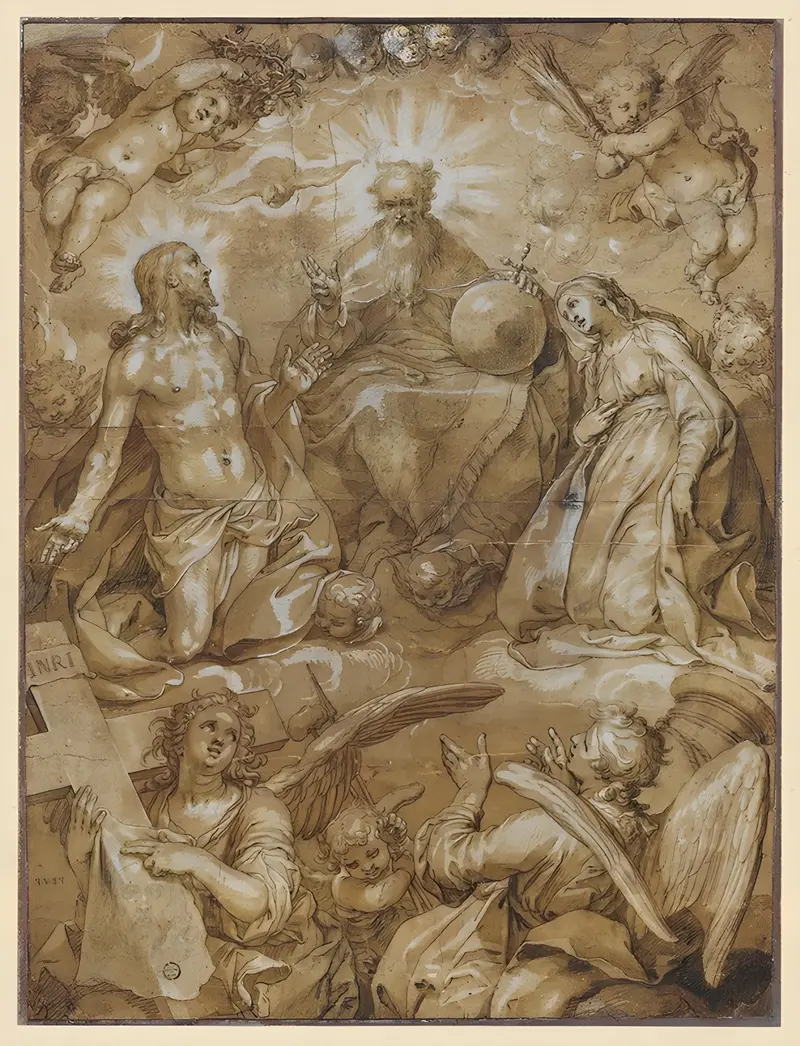
Intercession of Christ and Mary before God the Father
Abraham Bloemaert
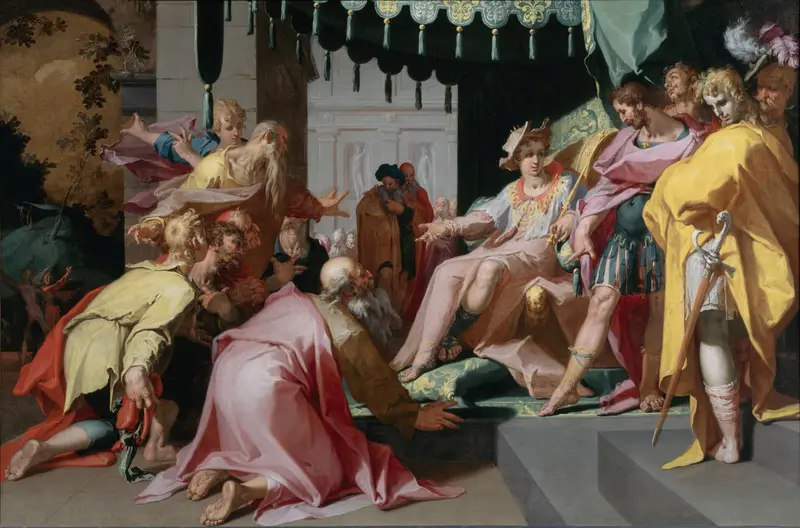
Joseph and his Brothers
Abraham Bloemaert
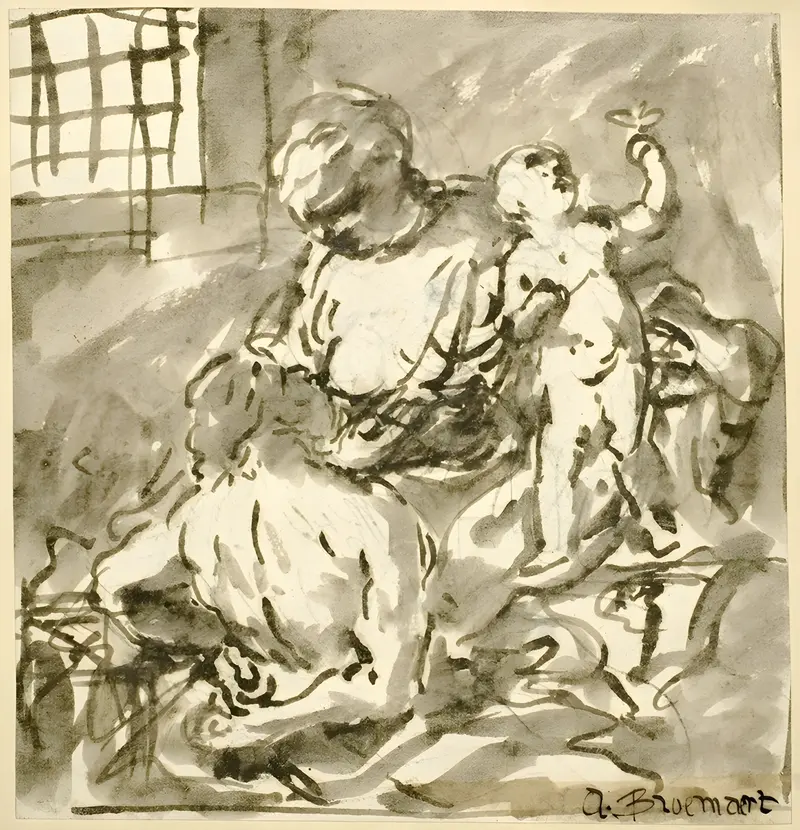
Caritas Romana
Abraham Bloemaert
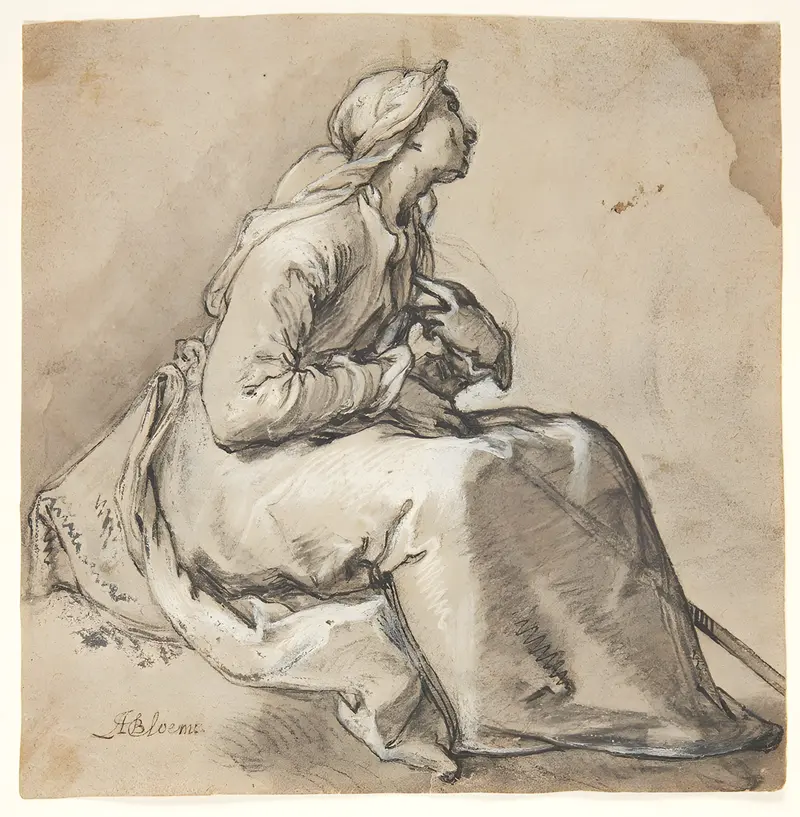
A seated woman facing right
Abraham Bloemaert
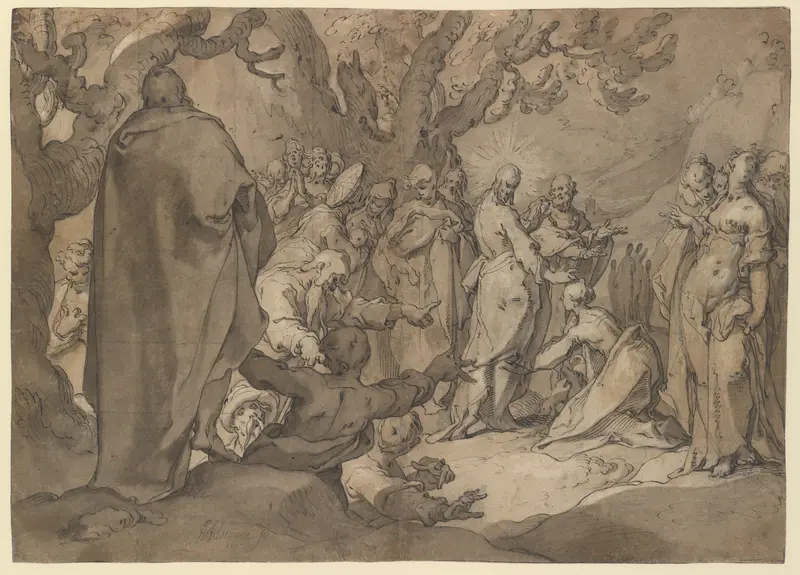
Christ and the Canaanite Women
Abraham Bloemaert
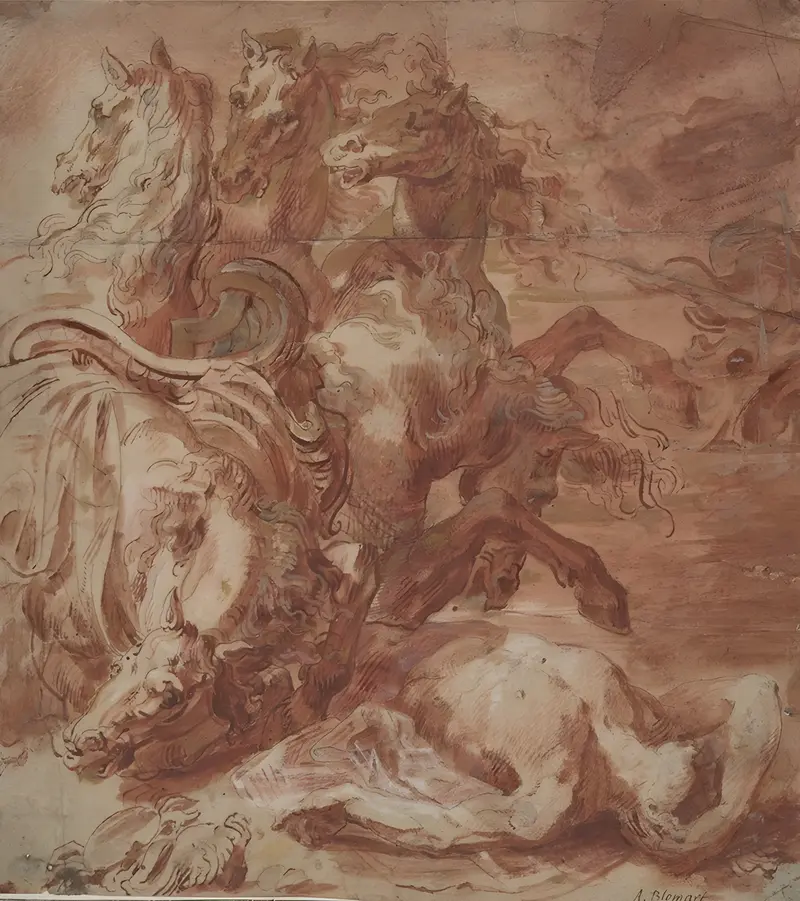
Hippolytus
Abraham Bloemaert
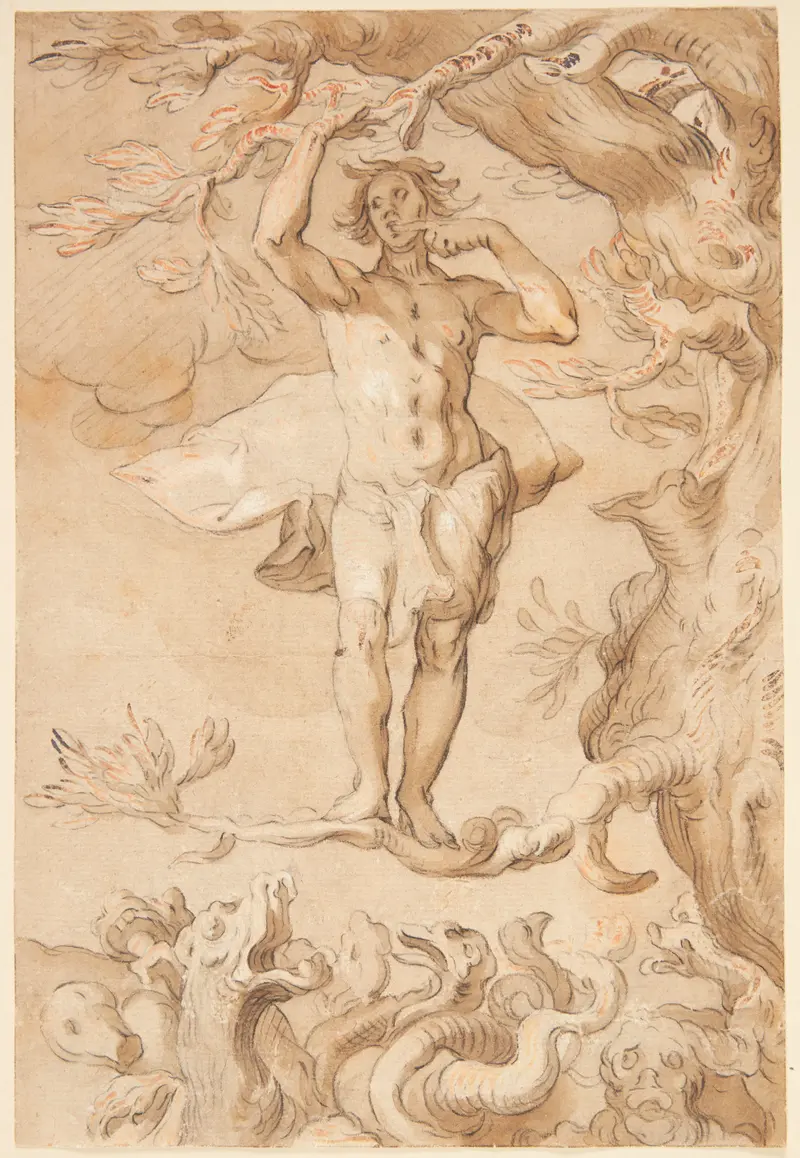
Den menneskelige glædes skrøbelighed En mand, der jages af en drage, klynger sig til en gren, mens han slikker honning af sin finger
Abraham Bloemaert

Moses Striking the Rock
Abraham Bloemaert
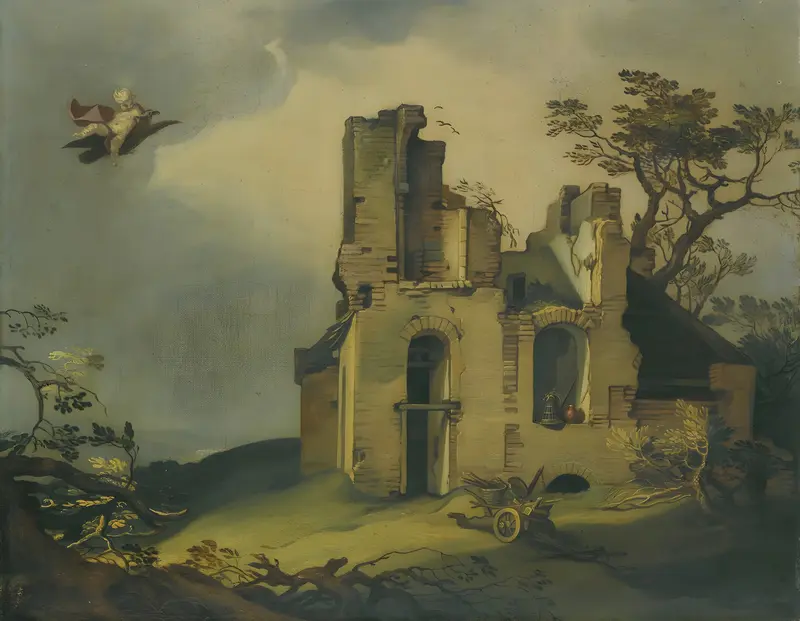
A Landscape With Ruins, With The Rape Of Ganymede
Abraham Bloemaert





