
The Rest on the Flight into Egypt — History & Facts
No fewer than a dozen artists in the eighteenth century painted the moment when the Holy Family paused to rest on their perilous journey, but Jean-Honoré Fragonard’s The Rest on the Flight into Egypt stands out for its rare blend of intimacy and playful light. The exact date and circumstances of its creation remain uncertain, as does its original patron, adding a layer of mystery to its provenance. What is certain is that Fragonard, celebrated for his exuberant brushwork and sensual Rococo style, here turned his attention to a subject more often treated with solemnity, infusing it with warmth and immediacy. The Gospel of Matthew tells of Mary, Joseph, and the infant Jesus fleeing King Herod’s decree, seeking safety in Egypt.
Fragonard chooses the pause in their journey—a moment of respite in an otherwise harrowing escape. Mary cradles the sleeping child, her posture protective yet relaxed, while Joseph stands nearby, his hand resting on a staff, eyes watchful. The landscape is lush and sun-dappled, a far cry from the arid wilderness depicted by earlier artists such as Caravaggio in his own version of the scene.
Here, the gentle play of light across Mary’s face and the soft folds of her garments speak to Fragonard’s Rococo sensibility, transforming a biblical episode into a scene of familial tenderness. The precise history of this painting is elusive, as is often the case with Fragonard’s religious works, which are far fewer than his famed scenes of love and leisure. It is not clear for whom The Rest on the Flight into Egypt was painted, nor when it first entered a public or private collection. Over time, its attribution to Fragonard has been supported by stylistic analysis, particularly the fluid handling of paint and the luminous palette.
Today, the work is recognized as an example of how even a master of frivolity could bring depth and humanity to sacred themes, bridging the gap between devotion and daily life.
More Artworks by Jean-Honoré Fragonard
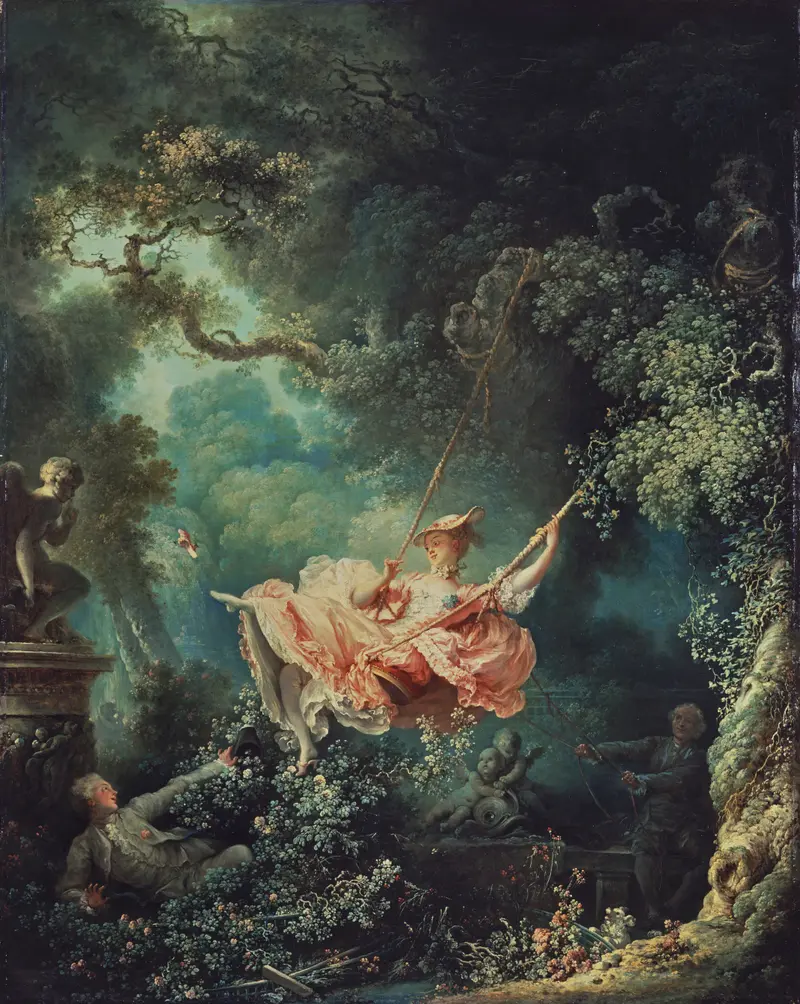
The Swing
Jean-Honoré Fragonard

The Swing
Jean-Honoré Fragonard
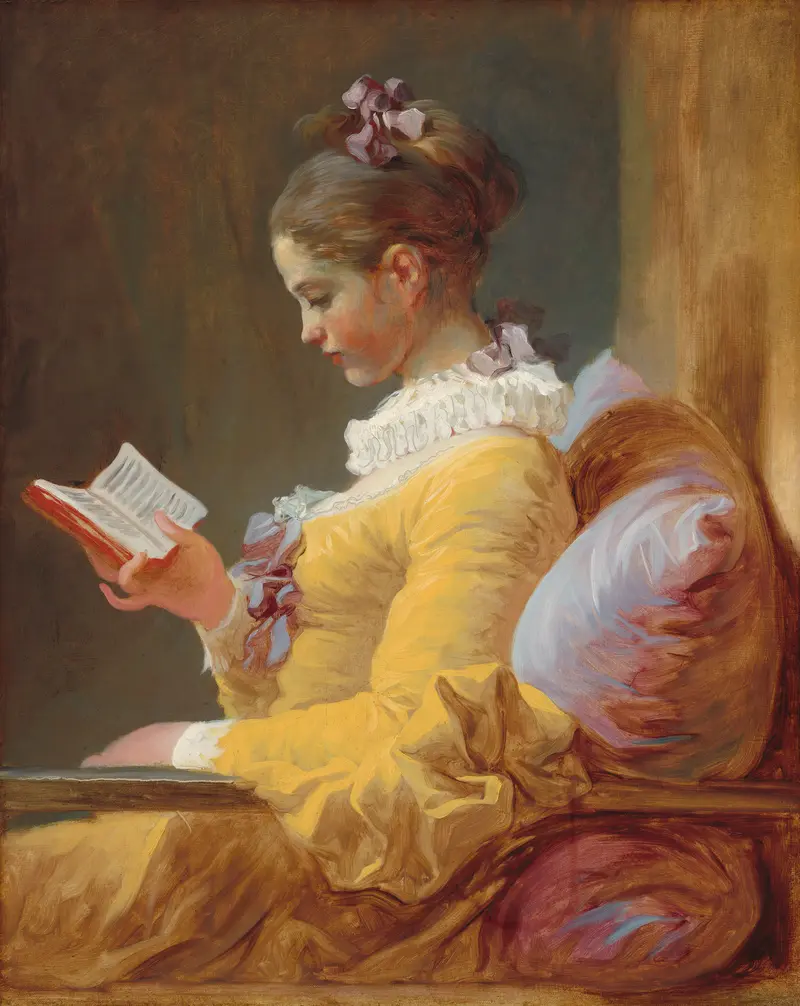
A Young Girl Reading
Jean-Honoré Fragonard
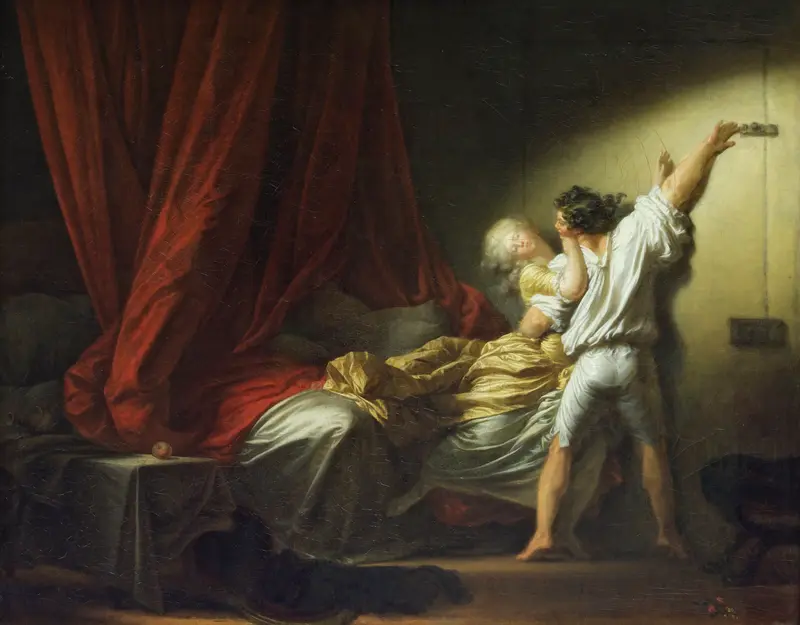
The Lock
Jean-Honoré Fragonard
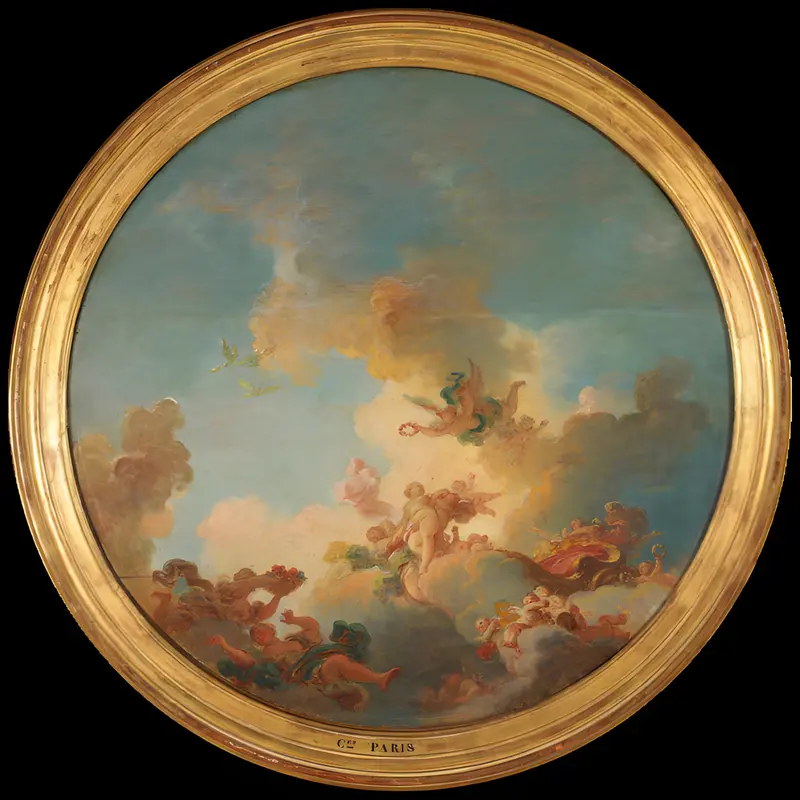
The Triumph of Venus
Jean-Honoré Fragonard
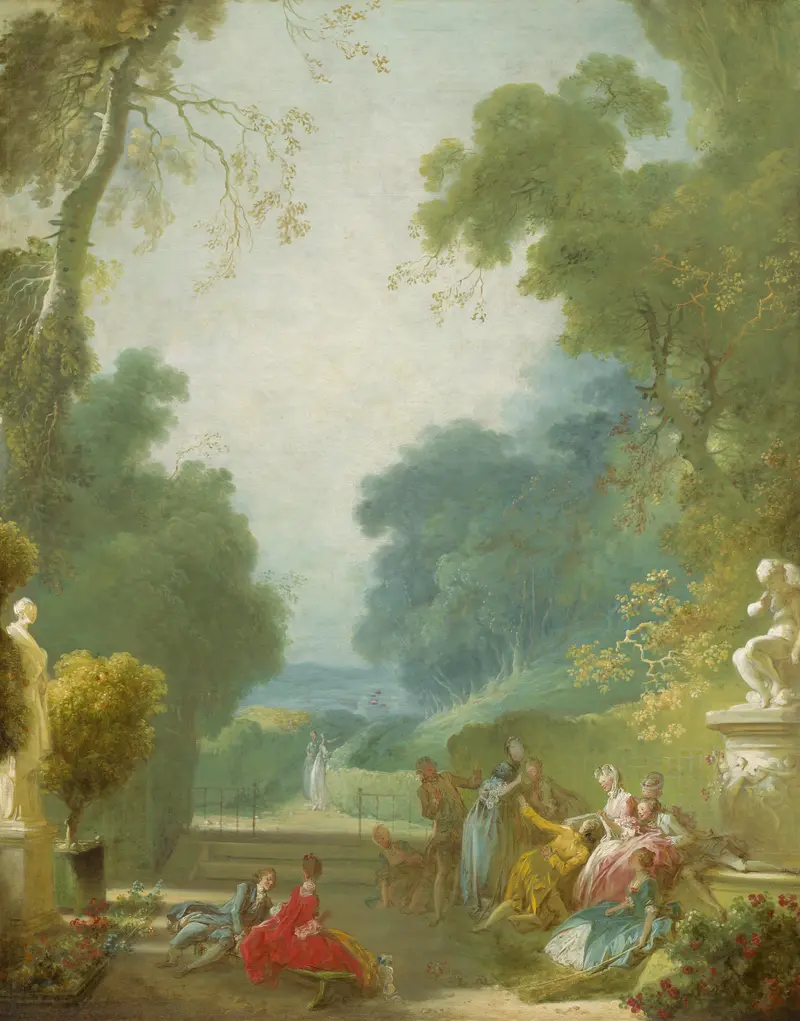
A Game of Hot Cockles
Jean-Honoré Fragonard
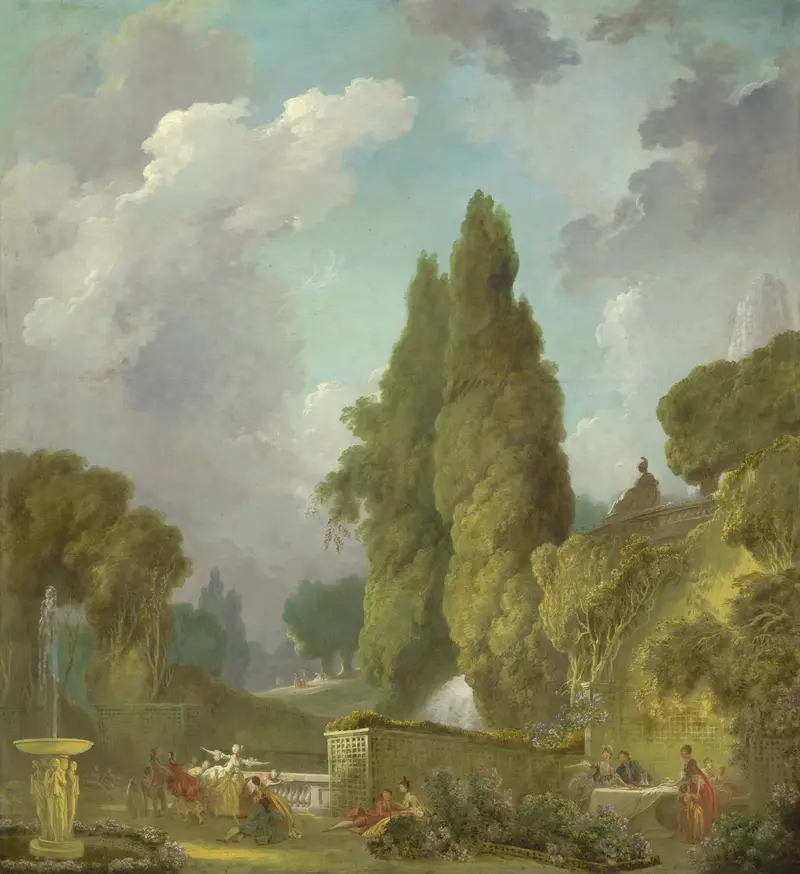
Blindman’s Buff
Jean-Honoré Fragonard
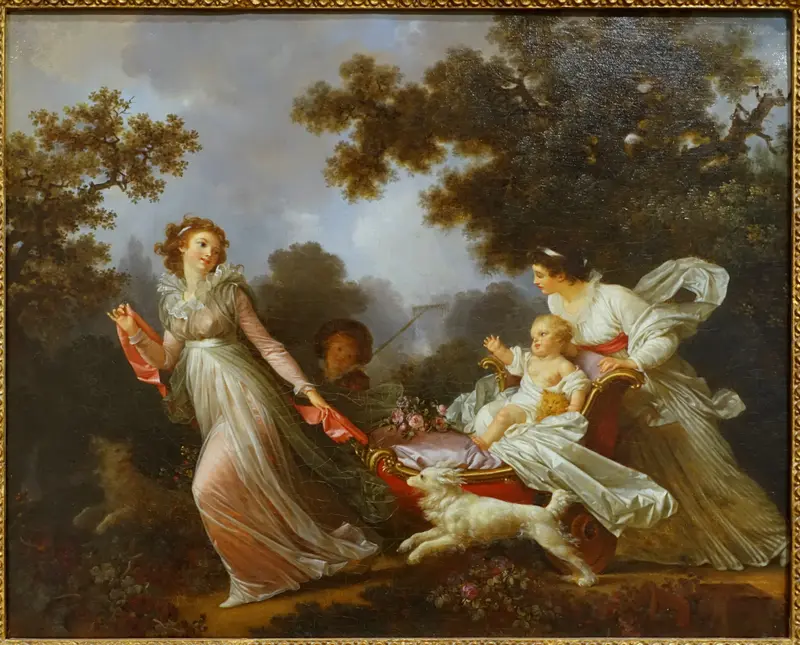
The Beloved Child
Jean-Honoré Fragonard
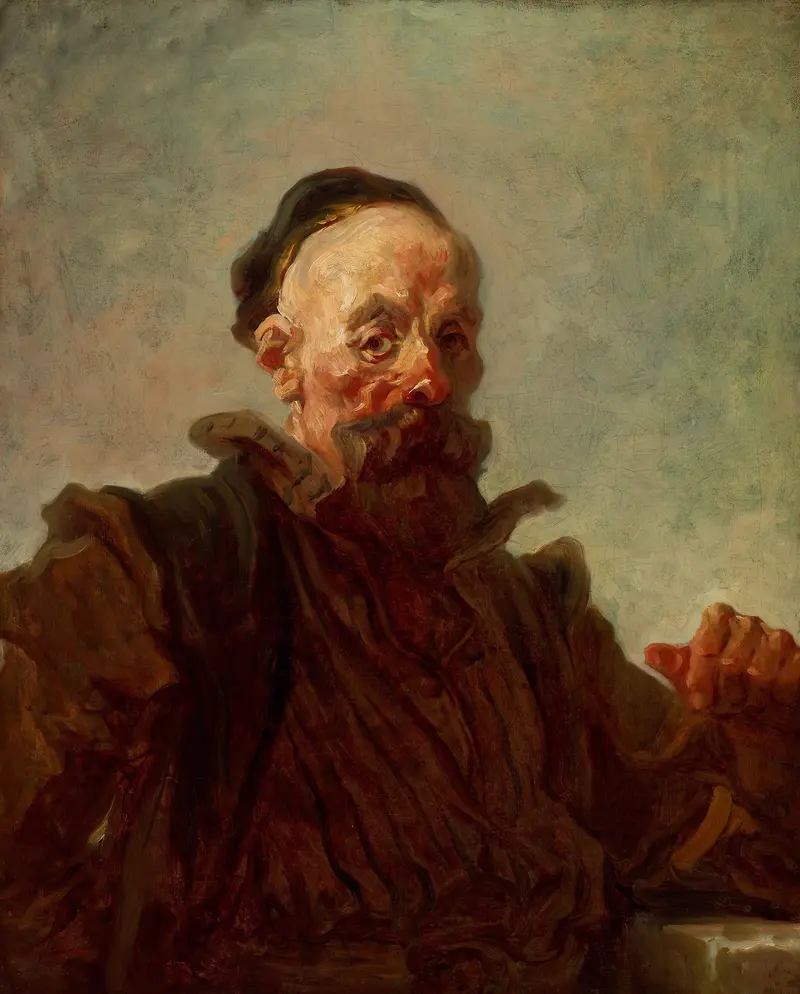
Portrait of a Man in Costume
Jean-Honoré Fragonard
The First Steps
Jean-Honoré Fragonard





