
The Return from the Hunt — History & Facts
In the aftermath of adventure, what stories linger in the shadows of a canvas, waiting to be unveiled? Look closely at the intricate details of The Return from the Hunt, where the figures emerge from a muted forest backdrop. At the center, hunters clad in luxurious fabrics carry their trophies, their postures a blend of exhaustion and triumph. Notice how the muted earth tones harmonize with the soft greys and greens, punctuated by the vibrant reds and golds of their attire.
The composition draws the eye, leading us through an enchanting forest scene, where the anticipation of the hunt still lingers in the air. Yet beneath the surface lies a tension between the thrill of conquest and the somber reality of nature’s fragility. The hunters’ expressions show pride, yet their downturned eyes hint at an unspoken grief for the lives taken. Each animal they carry is a remnant of life, bridging the gap between joy and remorse, a duality that invites viewers to engage with their own relationship to nature and survival.
The finely wrought details of draped fabric and distant tree lines evoke a sense of awe, capturing the elegance of the moment amidst the darker undertones of mortality. Jacques Callot painted this work in 1630, during a time when Europe was immersed in the tensions of the Thirty Years’ War. Living in Nancy, he found inspiration in the hunting traditions of the nobility, while simultaneously reflecting on the shifting paradigms of life and nature in his art. This piece stands as a testament to his ability to weave personal narrative with broader societal commentary, a hallmark of his illustrious career.
More Artworks by Jacques Callot
Browse all →
Titelprent voor de prentreeks 'De kleine apostelen' (Het martelaarschap van de apostelen)
Jacques Callot
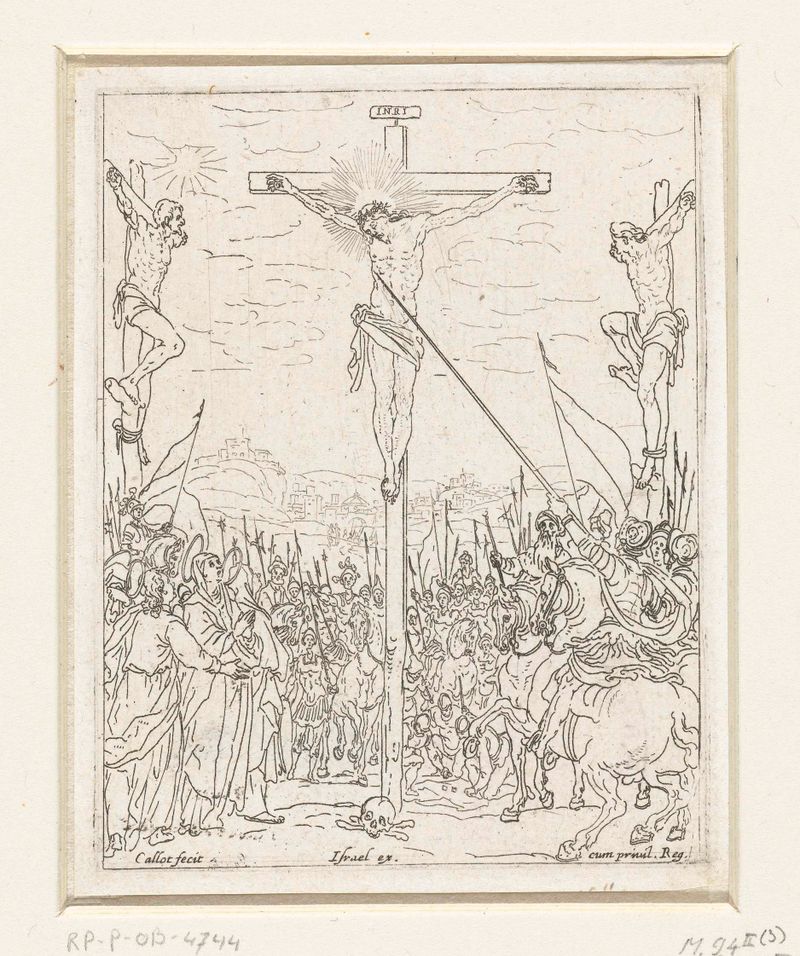
Kruisiging
Jacques Callot

De doortocht door de Rode Zee
Jacques Callot

De verloren zoon als zwijnenhoeder
Jacques Callot

Annunciatie
Jacques Callot
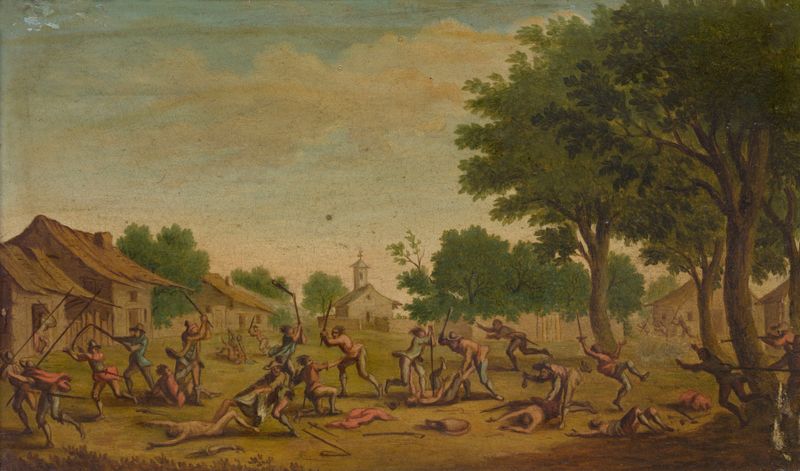
Village Fight
Jacques Callot

Titelprent voor prentreeks 'Het leven van Maria'
Jacques Callot
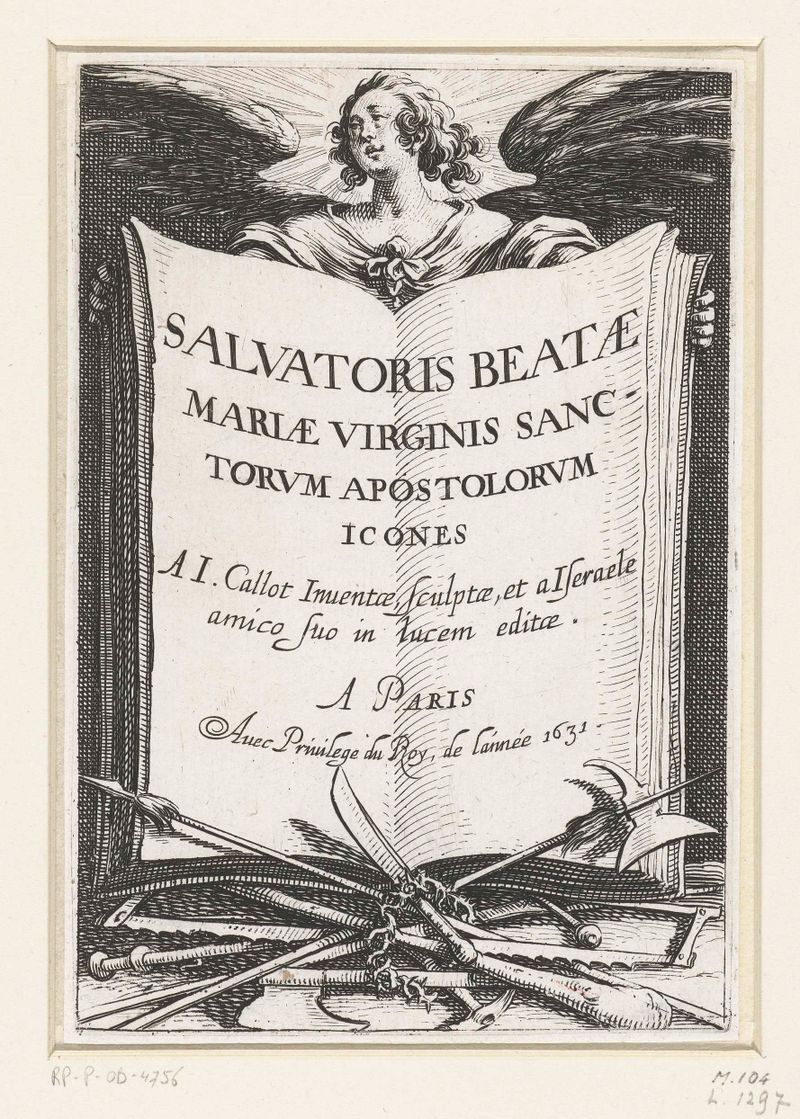
Titelprent voor de prentreeks 'De grote apostelen' (Christus, Maria en de apostelen)
Jacques Callot

Christus aan het volk getoond (Ecce homo)
Jacques Callot
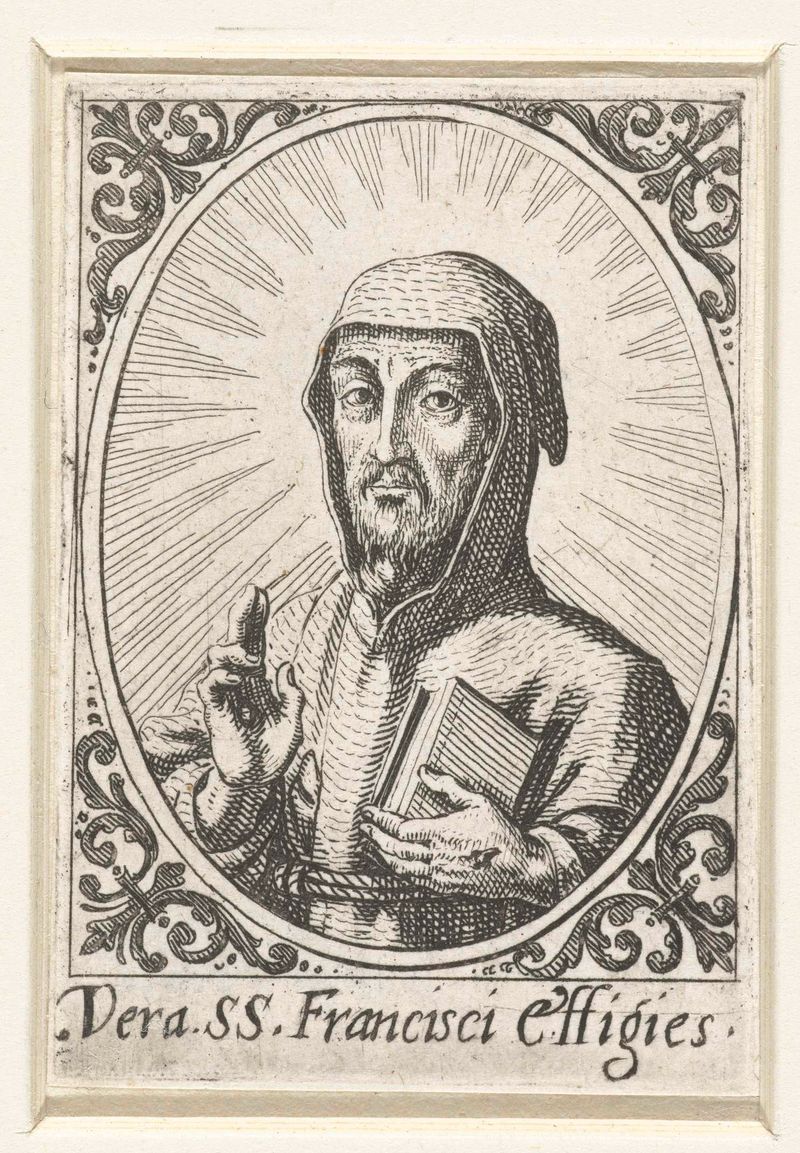
Portret van de Heilige Franciscus
Jacques Callot





