
The Road — History & Facts
What secret hides in the quiet of the canvas? The stillness of The Road invites us to contemplate both the journey and the destination, revealing the profound beauty found in simplicity. Focus on the winding path that leads the viewer’s eye through the canvas, a deliberate choice by the artist that evokes a sense of movement and exploration. Notice how the earthy greens and browns harmonize with the vibrant blues of the sky, creating a serene yet dynamic landscape. The brush strokes are thick and expressive, giving texture to both the soil and the foliage, while the dappled light suggests a moment caught between dusk and dawn, where possibilities seem endless. At first glance, the painting depicts a tranquil road bordered by trees, but deeper examination reveals contrasts between nature's permanence and the transience of human presence.
The road, though inviting, hints at isolation—an open invitation that might lead to solitude rather than connection. The interplay of light and shadow not only highlights the path’s curvature but also symbolizes the complexities of choosing one's direction in life. Paul Cézanne created The Road in 1871 during his early artistic career while living in Aix-en-Provence. This period was marked by his search for a personal style, moving away from the constraints of Impressionism towards a more structured approach, laying the groundwork for modern art.
The painting exemplifies his exploration of form and color as he sought to capture the essence of the landscape, both physically and emotionally.
More Artworks by Paul Cezanne
Browse all →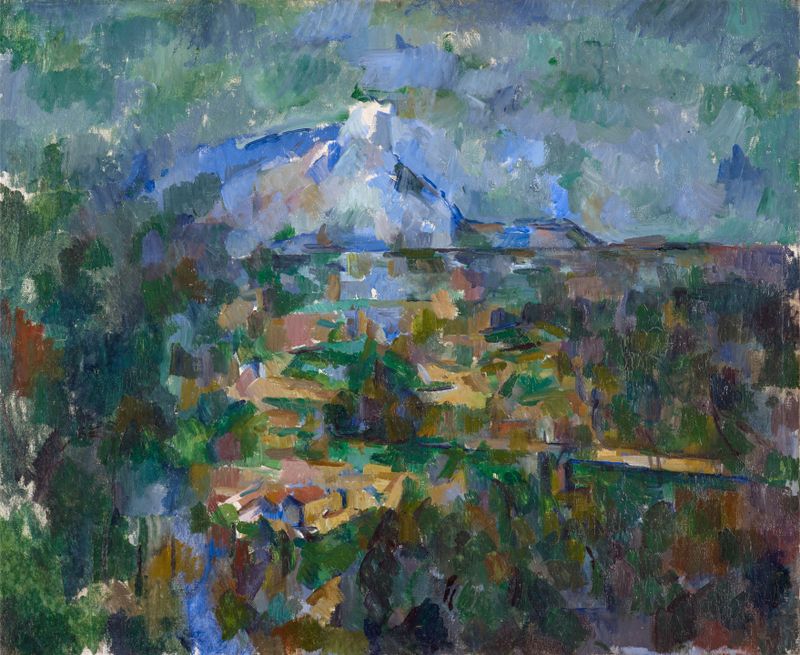
The Mont Sainte-Victoire Seen From Les Lauves
Paul Cezanne
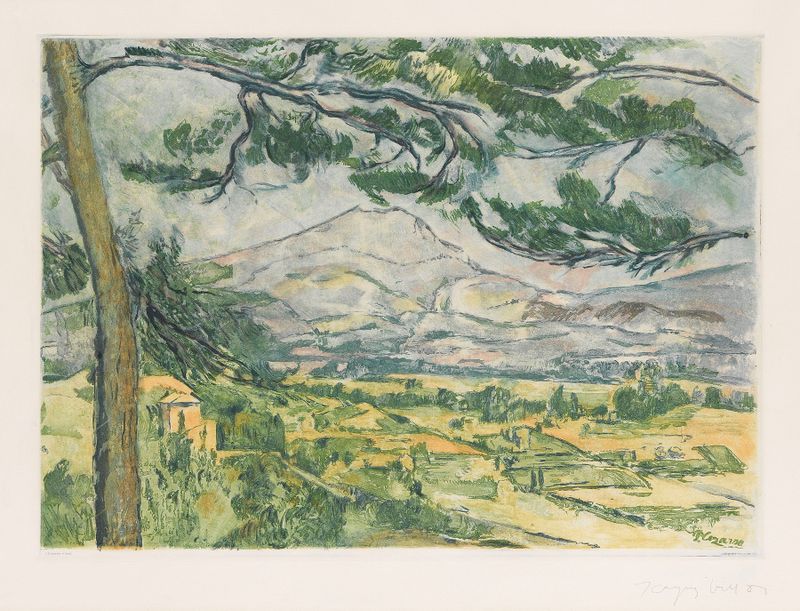
La Montagne Sainte-Victoire
Paul Cezanne
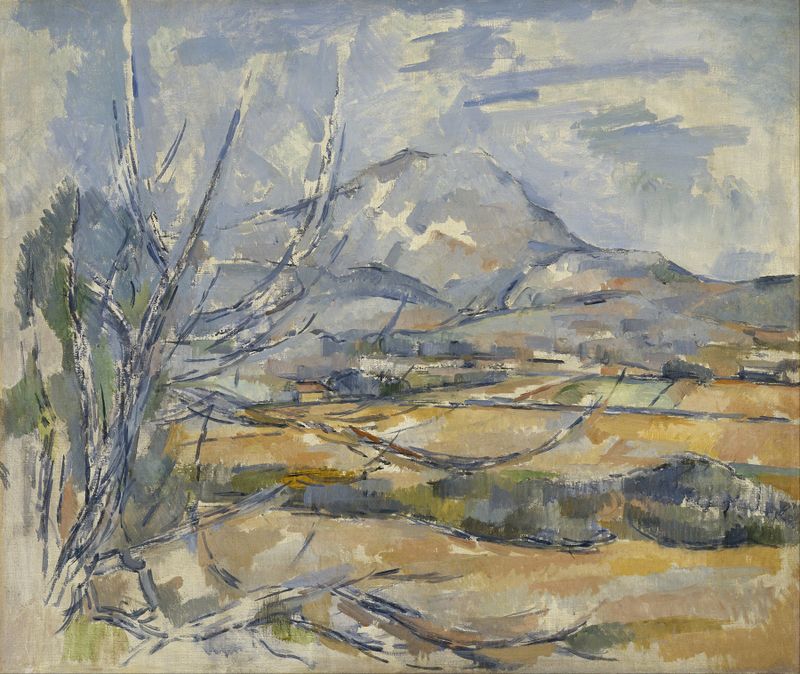
Montagne Sainte-Victoire
Paul Cezanne
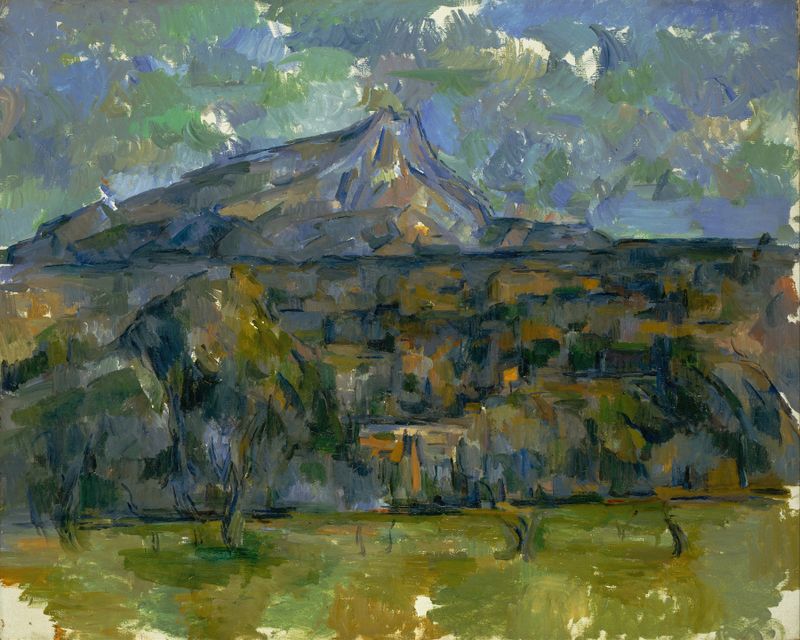
Mont Sainte-Victoire
Paul Cezanne
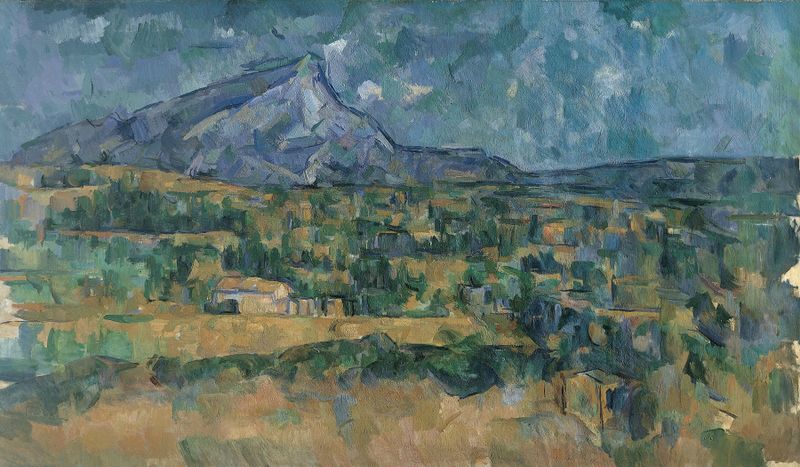
Mont Sainte-Victoire
Paul Cezanne
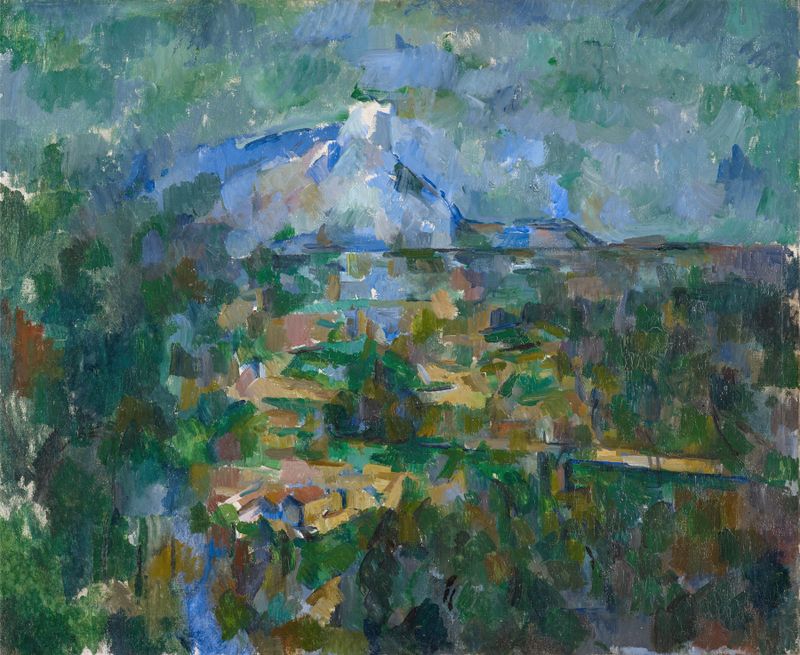
View of Mount Sainte-Victoire from Les Lauves
Paul Cezanne
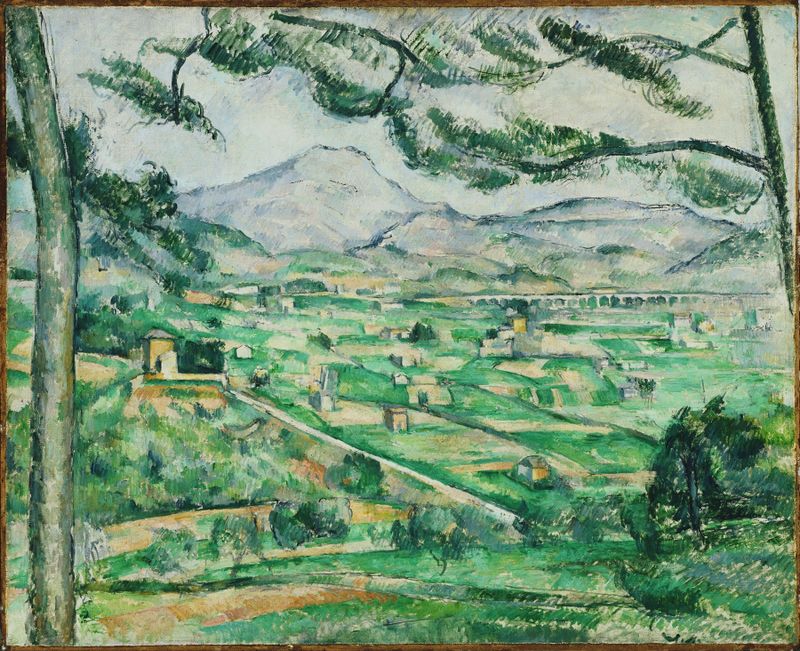
Mont Sainte-Victoire 2
Paul Cezanne

The Basket of Apples
Paul Cezanne

Mount Sainte-Victoire
Paul Cezanne
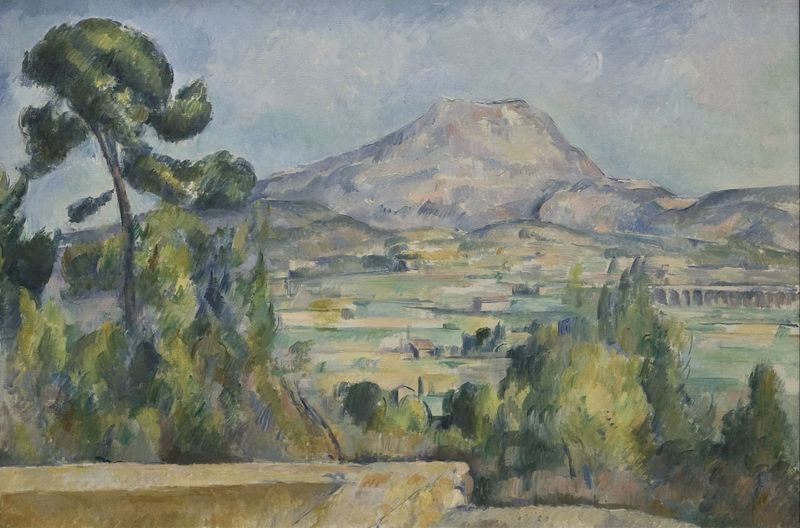
Montagne Saint-Victoire
Paul Cezanne





