
The Road Menders — History & Facts
In a world where the mundane meets transformative beauty, art becomes a vessel for ecstasy. The Road Menders captures a moment suspended in labor, where toil intertwines with the vibrancy of existence itself. Look closely at the middle ground, where two figures labor over the rugged earth, their bodies bent and engaged. Notice how the swirling brushstrokes create an almost rhythmic movement, lending a sense of urgency and life to the scene.
The colors are rich and emotive: deep ochres and vibrant greens contrast with the muted browns of the road, suggesting both hardship and hope. The dynamic interplay of light and shadow draws your gaze, inviting you to feel the intensity of the moment, as if you could hear the laborers’ breaths amid the stillness of the surrounding landscape. Diving deeper, consider the symbolism in their act of mending the road. This act transcends mere labor; it embodies the resilience of the human spirit, the relentless drive to improve and restore.
The figures, though grounded in reality, are almost ethereal, representing a harmony between man and nature—a fleeting ecstasy in their work. The background hints at an expansive horizon, echoing the notion of journeys yet to come, and the promise of renewal after toil. During the time when this piece was created, Van Gogh was living in Arles, France, wrestling with personal demons and grappling with the vibrant yet tumultuous art world of the late 19th century. His connection to the Impressionist movement was deepening, as he sought to fuse color and emotion, creating a legacy imbued with deeper meanings.
The Road Menders stands as a testament to Van Gogh’s exploration of human experience amidst the chaos of life.
More Artworks by Vincent van Gogh
Browse all →
Starry Night
Vincent van Gogh
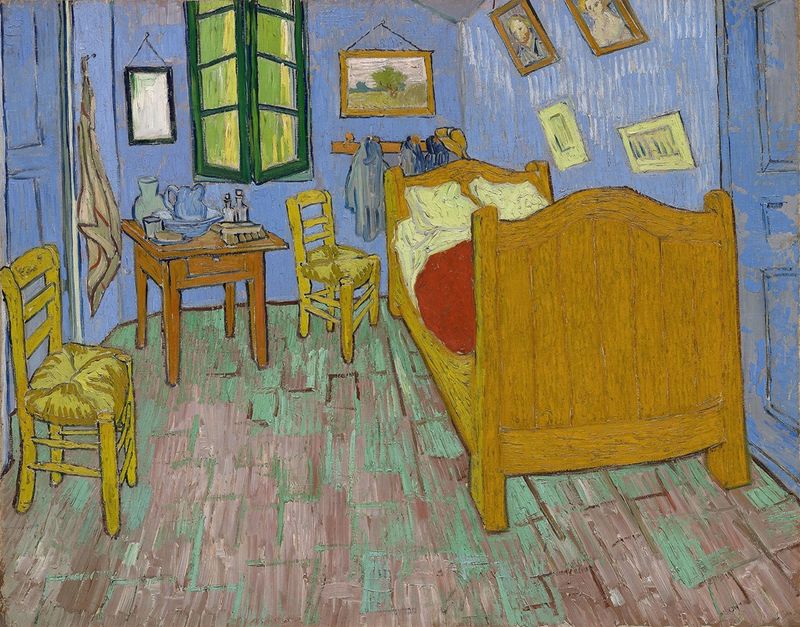
The Bedroom
Vincent van Gogh
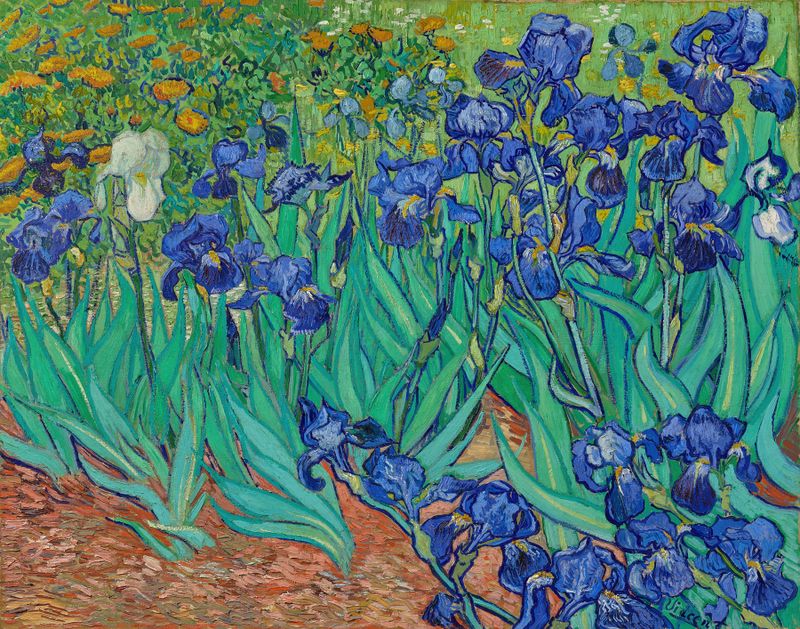
Irises
Vincent van Gogh
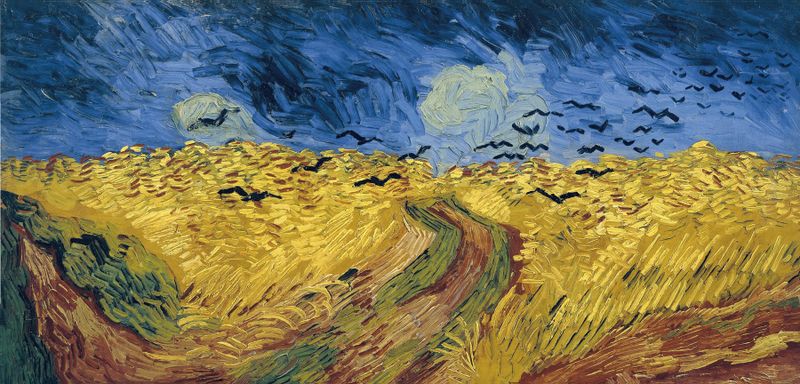
Wheatfield with Crows
Vincent van Gogh
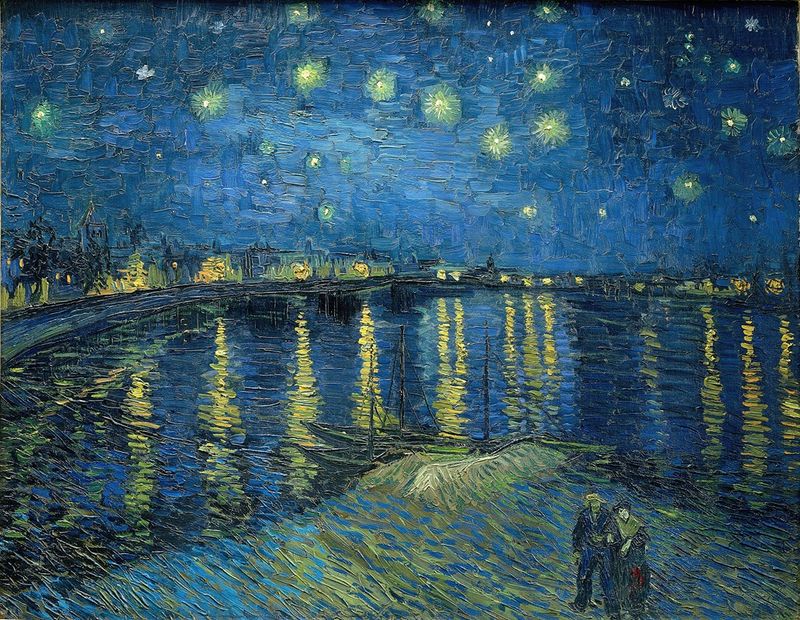
Starry Night over the Rhone
Vincent van Gogh

The yellow house
Vincent van Gogh
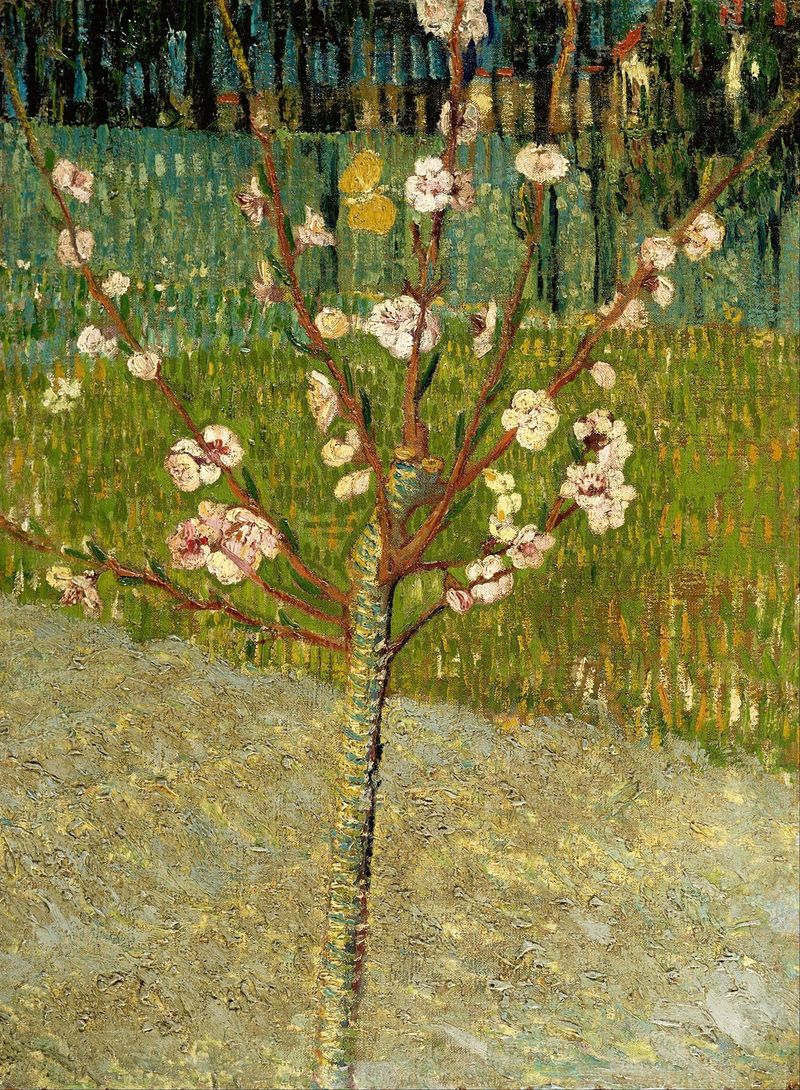
Almond tree in blossom
Vincent van Gogh

Portrait of Dr Gachet
Vincent van Gogh

The Church in Auvers-sur-Oise, View from the Chevet
Vincent van Gogh

Self-Portrait
Vincent van Gogh





