
The Sacrifices – The Worship of Man — History & Facts
In The Sacrifices – The Worship of Man, we see a dynamic scene filled with rich colors and intricate details. The figures are engaged in various acts of devotion, surrounded by a dramatic landscape. The artist uses a palette that includes deep reds, earthy browns, and vibrant greens, creating a sense of movement and energy.
The setting is both natural and symbolic, reflecting the complex relationship between humanity and the divine. This artwork is an etching, a medium that allows for fine lines and detailed textures. The composition is carefully arranged, with figures placed in a way that guides the viewer's eye through the scene. Callot's technique showcases his skill in capturing the nuances of light and shadow, enhancing the emotional impact of the piece.
The dimensions are approximately 30 x 40 cm, making it a relatively intimate work. Jacques Callot was a prominent French artist known for his prints and etchings during the Baroque period. The Sacrifices – The Worship of Man reflects his interest in human emotions and the complexities of faith. An interesting fact about this work is that it was created during a time of significant social and religious upheaval in Europe, which likely influenced its themes of devotion and sacrifice.
More Artworks by Jacques Callot

De verloren zoon als zwijnenhoeder
Jacques Callot
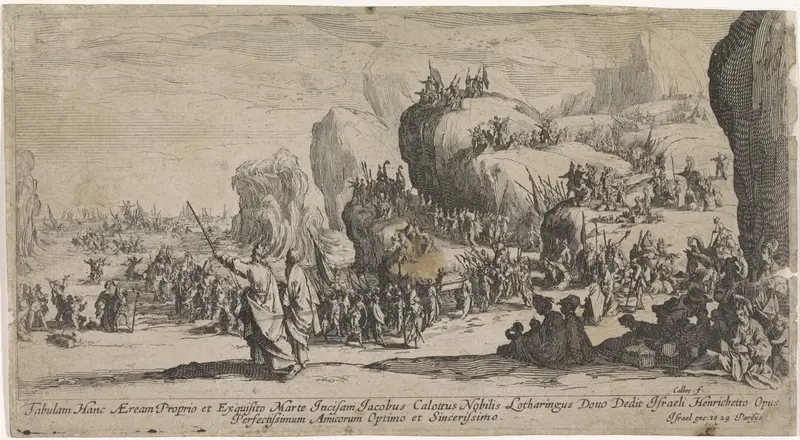
De doortocht door de Rode Zee
Jacques Callot

Kruisiging
Jacques Callot
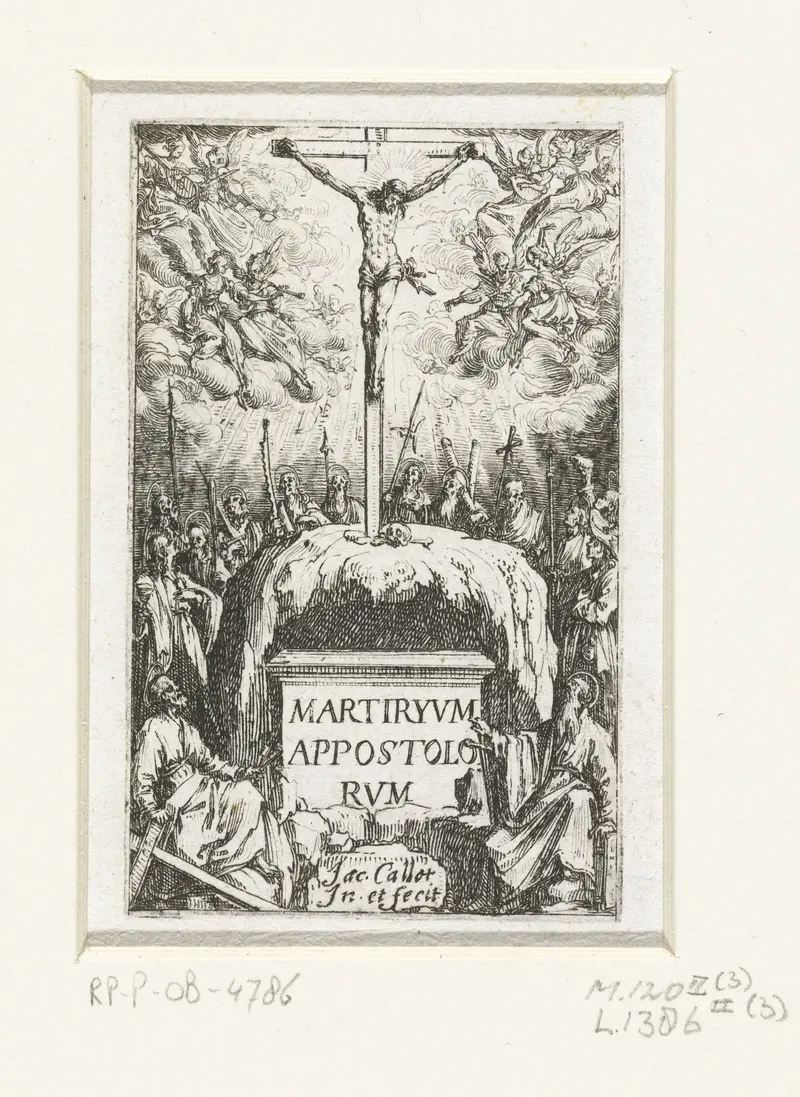
Titelprent voor de prentreeks 'De kleine apostelen' (Het martelaarschap van de apostelen)
Jacques Callot
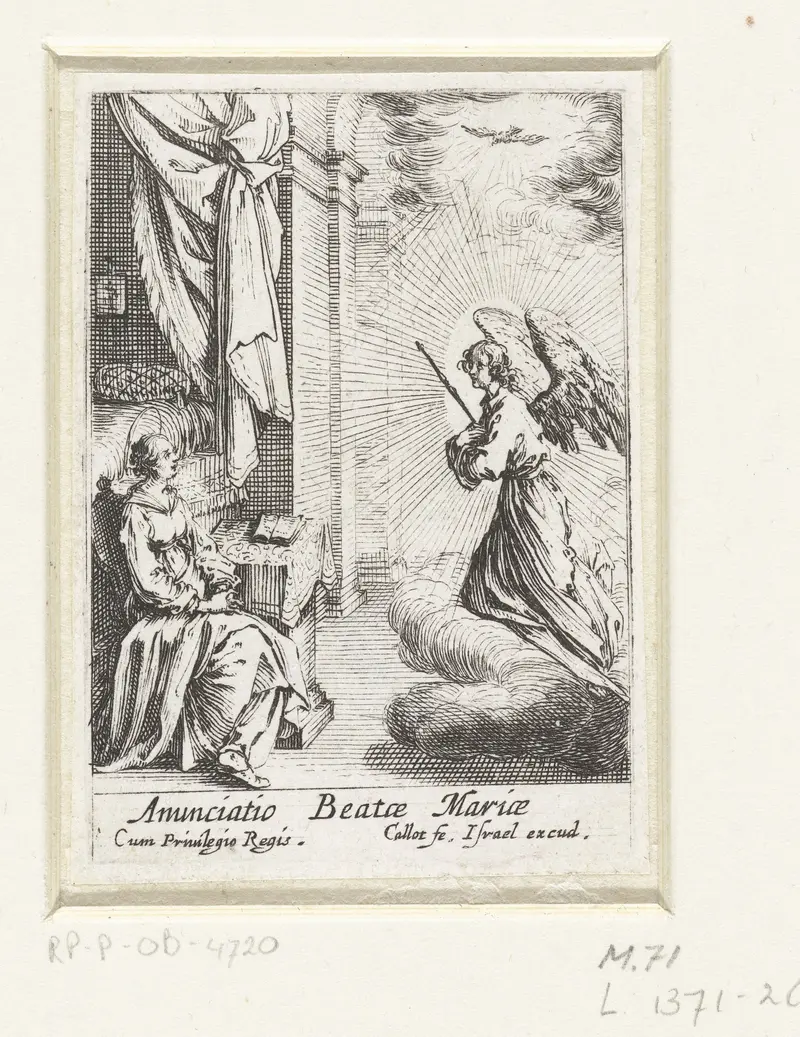
Annunciatie
Jacques Callot
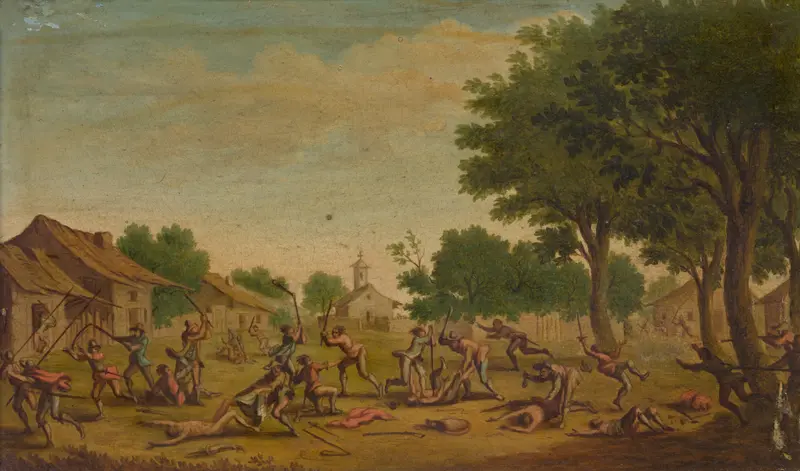
Village Fight
Jacques Callot
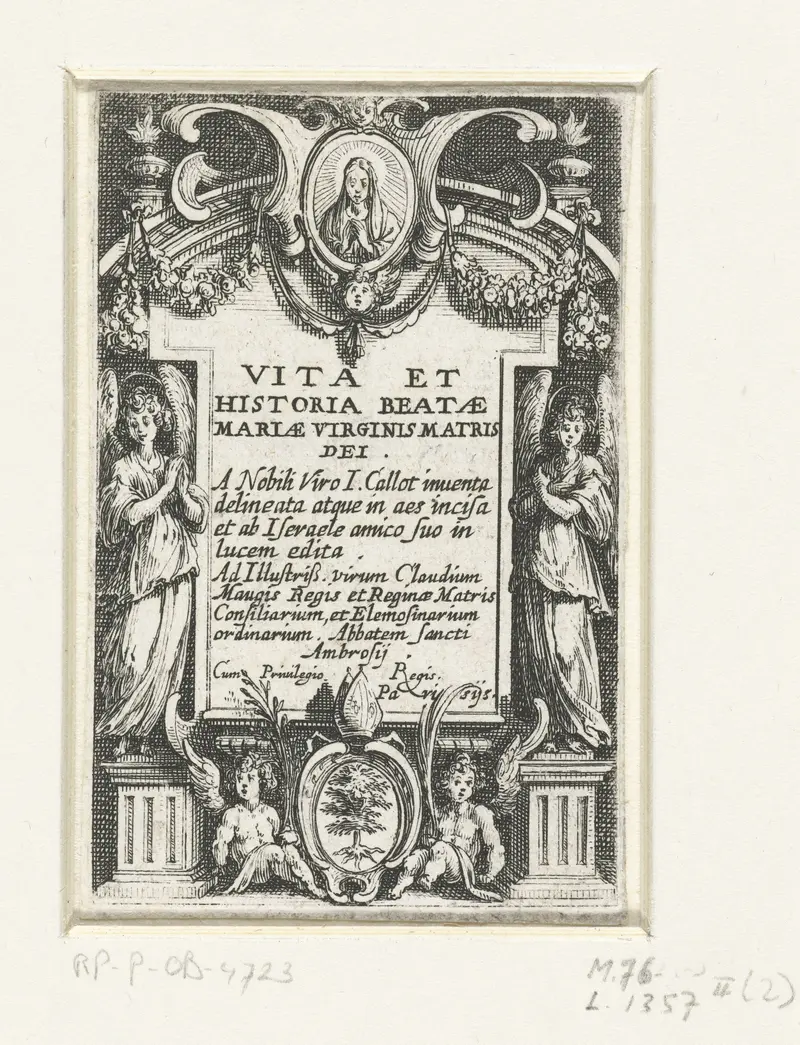
Titelprent voor prentreeks 'Het leven van Maria'
Jacques Callot
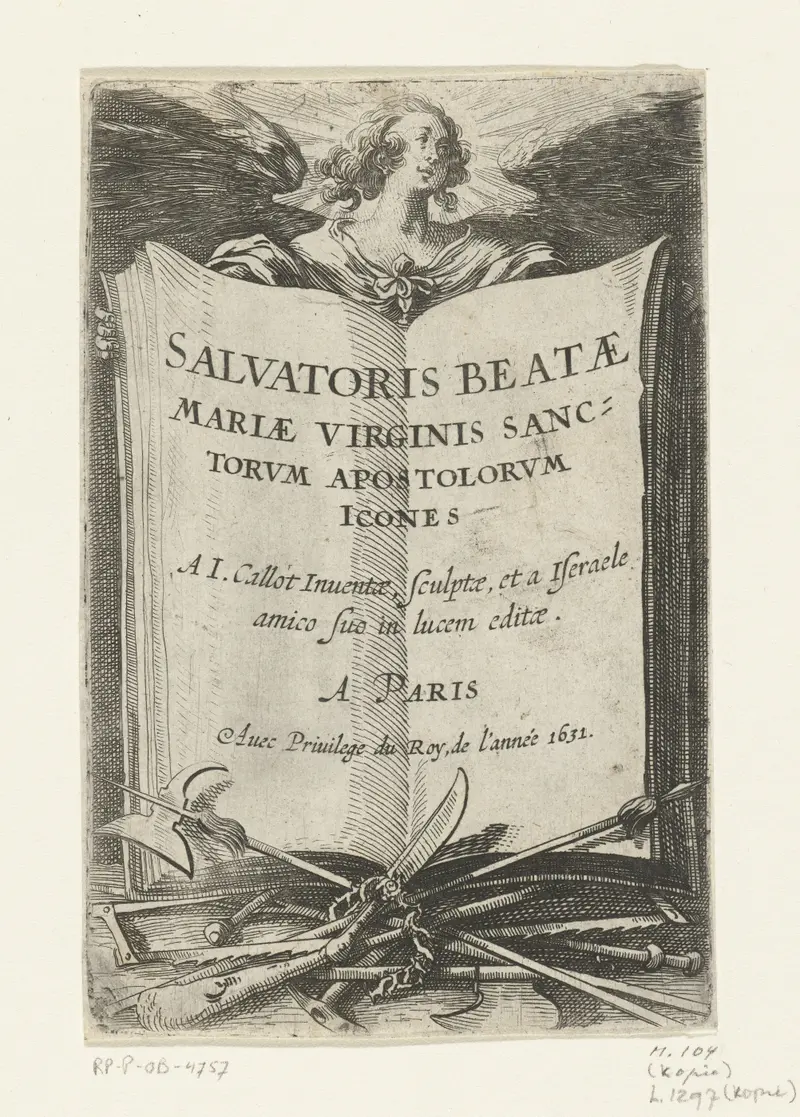
Titelprent voor de prentreeks 'De grote apostelen' (Christus, Maria en de apostelen)
Jacques Callot

Kruisoprichting
Jacques Callot
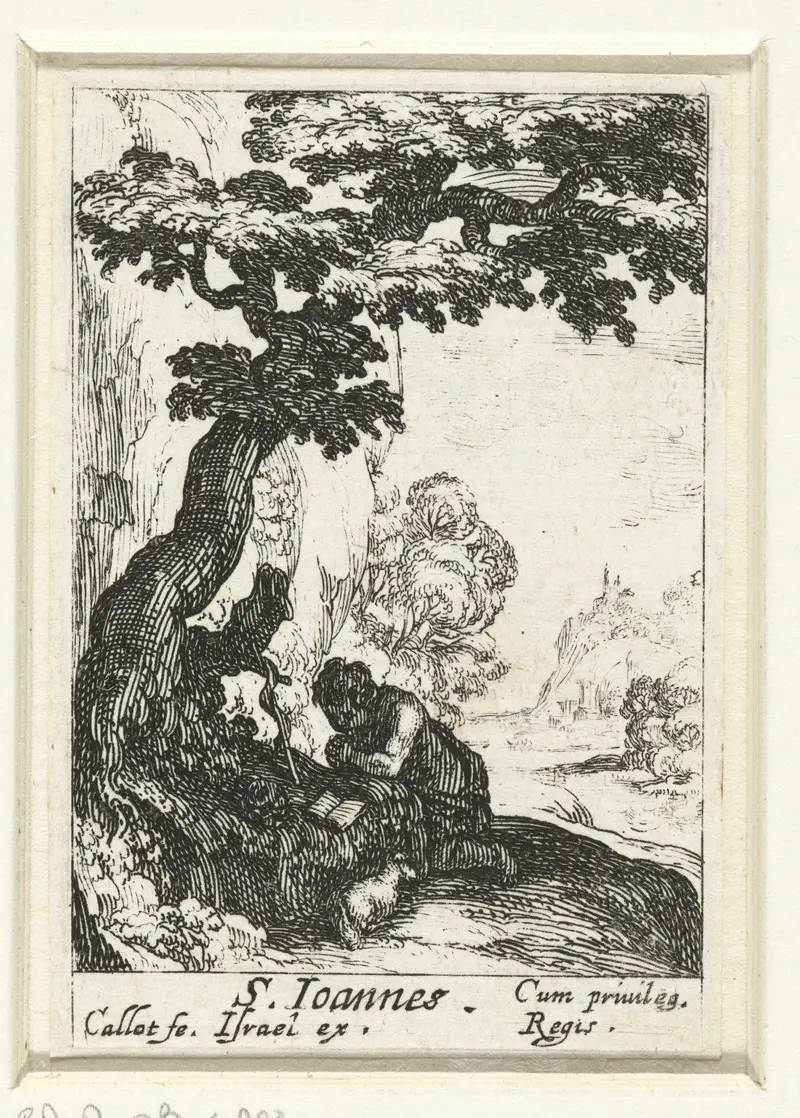
De boetvaardige Johannes de Doper
Jacques Callot





