
The Salmon Trap — History & Facts
In The Salmon Trap, the delicate interplay of tension and tranquility unfolds, embodying the intricate balance of nature and human endeavor. The composition invites us to reflect on the delicate tether that connects our existence to the wild. Focus first on the vivid blues and greens that dominate the canvas, drawing your gaze toward the flowing river. Notice how the artist’s technique brings the water to life, with swift, rhythmic strokes that mimic the movement of currents.
To the left, the subtle outlines of the land contrast against the shimmering surface, reinforcing the harmony between the environment and the figures engaged in their task. Depth is achieved through layering, creating an illusion of space that beckons viewers to look deeper. As you explore further, examine the figures standing at the edge—each is absorbed in their labor, poised yet harmonious with their surroundings. This juxtaposition of human activity against the natural scene reflects not only their pursuit of sustenance but also the transient nature of life.
The salmon trap itself, a simple yet powerful tool, symbolizes the struggle to maintain balance between survival and respect for the ecosystem—a metaphor for our own relationship with the world around us. David Cox painted this piece during a period of profound transformation in the 19th century, known for its shifting artistic paradigms. Working in Britain, where industrialization was reshaping landscapes and lives, he sought to capture the serene beauty of rural existence. His focus on natural themes was a response to the encroaching modern world, celebrating the tranquil moments that remain amidst the chaos of change.
More Artworks by David Cox
Browse all →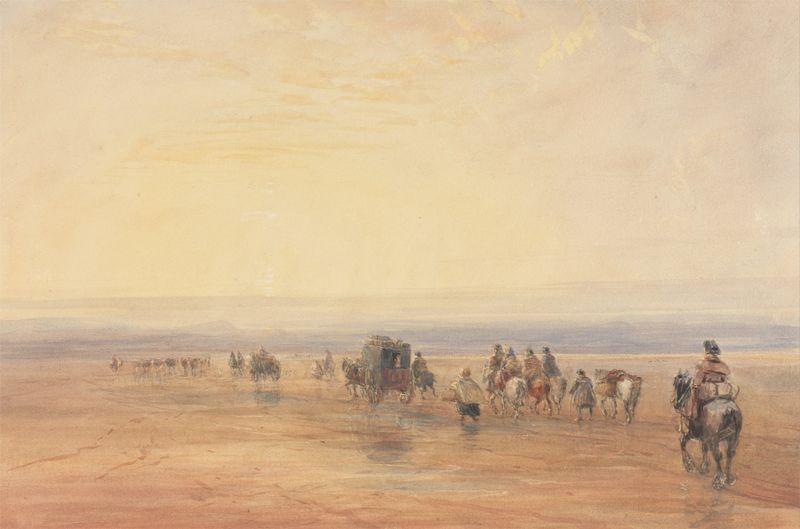
Crossing Lancaster Sands
David Cox
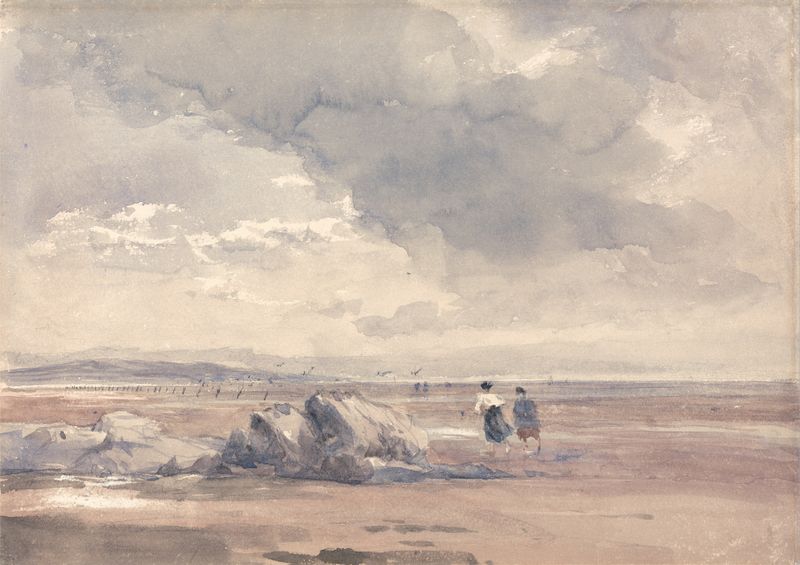
On Lancaster Sands, Low Tide
David Cox

Lincoln Cathedral from Brayford Pool
David Cox

View in Wales
David Cox
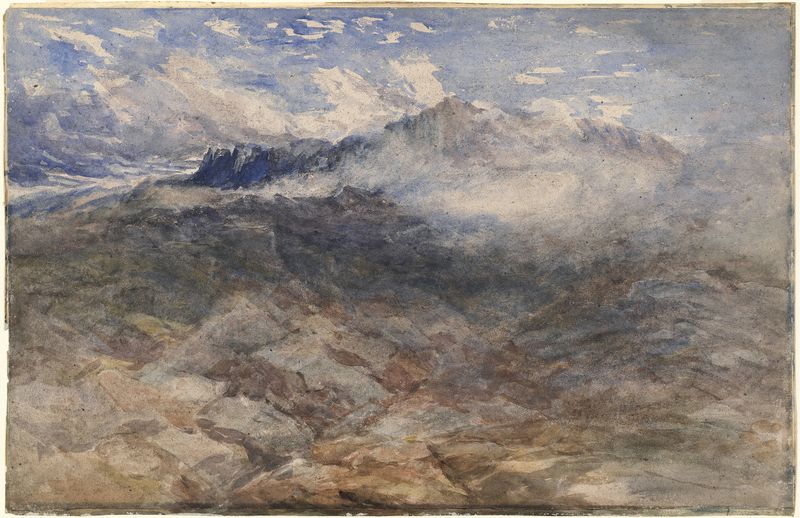
Mountain Heights, Cader Idris
David Cox

Bergen op Zoom
David Cox

Boating Before Lambeth Palace, London
David Cox
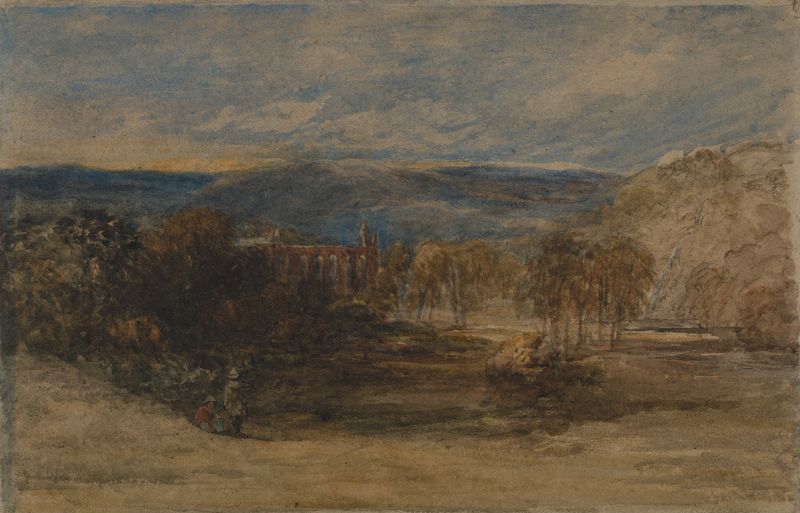
Bolton Abbey
David Cox

London Bridge
David Cox
Westminster from Lambeth
David Cox





