
The Scotch Widow — History & Facts
In The Scotch Widow, James Abbott McNeill Whistler presents a woman dressed in dark, flowing garments. The colors are predominantly muted, with deep blacks and rich browns, creating a somber atmosphere. The figure is set against a dark background, which emphasizes her presence.
Her expression is contemplative, inviting viewers to ponder her story. The painting is an oil on canvas, measuring approximately 76 x 63 cm. Whistler's technique showcases his skill in blending colors and creating depth through subtle brushwork. The use of light and shadow adds dimension to the figure, making her appear almost lifelike.
The composition is balanced, drawing the eye to the woman's face and attire. James Abbott McNeill Whistler was known for his innovative approach to portraiture, often focusing on the interplay of color and form. The Scotch Widow was painted around 1864, during a period when Whistler was exploring themes of identity and emotion. An interesting fact about this work is that it reflects the Victorian fascination with mourning and the complexities of female identity during that era.
This painting remains a significant example of Whistler's early style and his ability to capture the essence of his subjects.
More Artworks by James Abbott McNeill Whistler
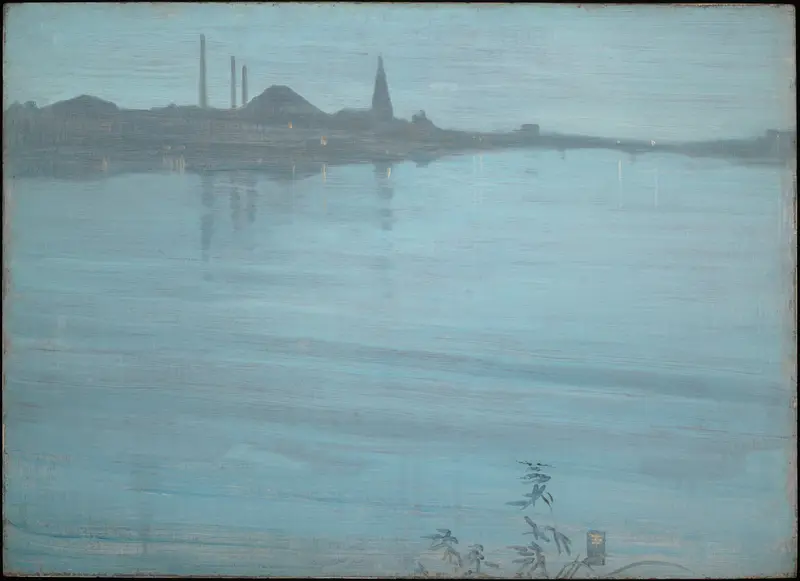
Nocturne in Blue and Silver
James Abbott McNeill Whistler

Nocturne
James Abbott McNeill Whistler
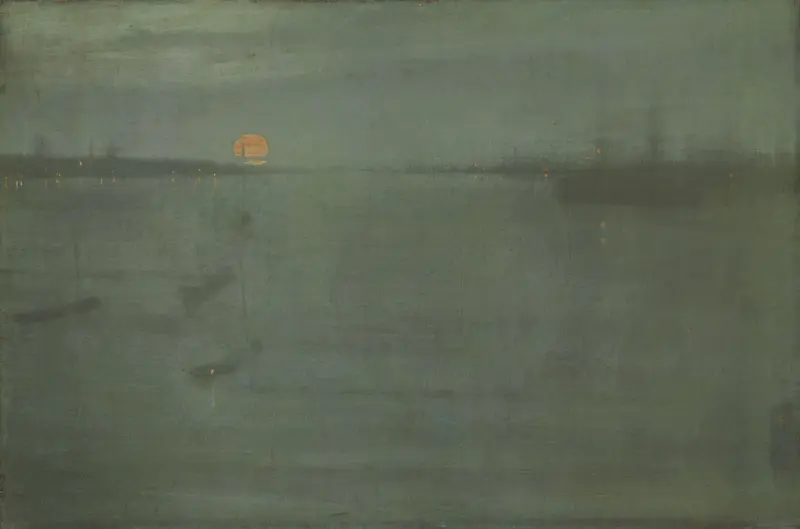
Nocturne: Blue and Gold–Southampton Water
James Abbott McNeill Whistler
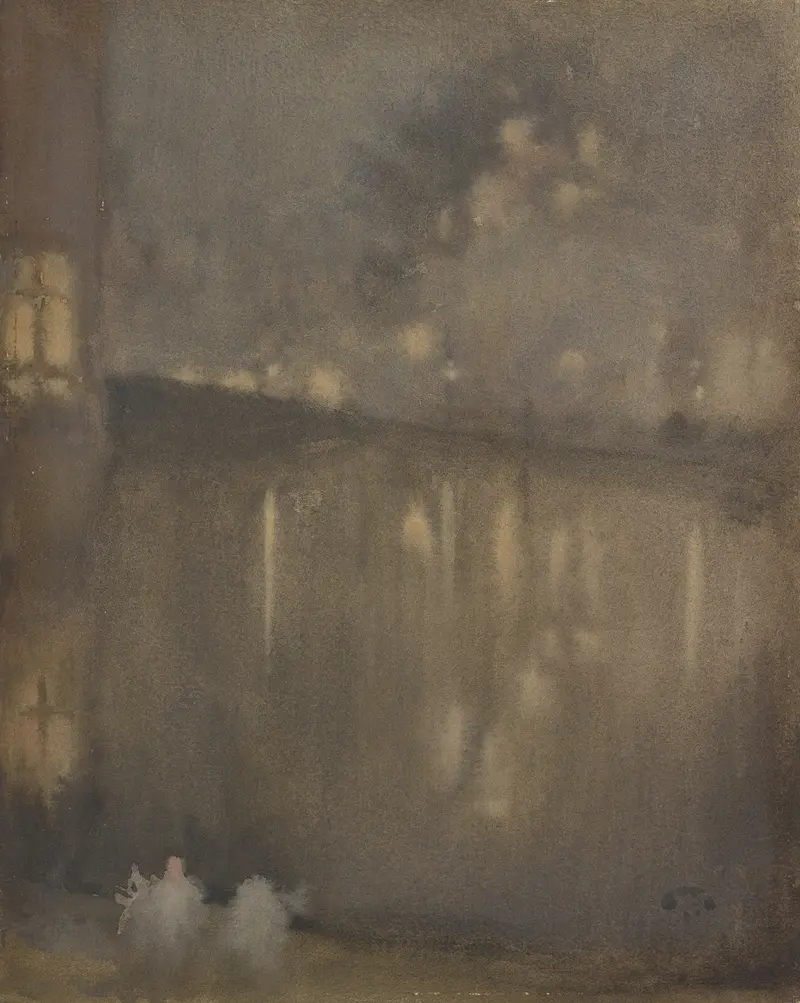
Nocturne: Grey and Gold–Canal, Holland
James Abbott McNeill Whistler
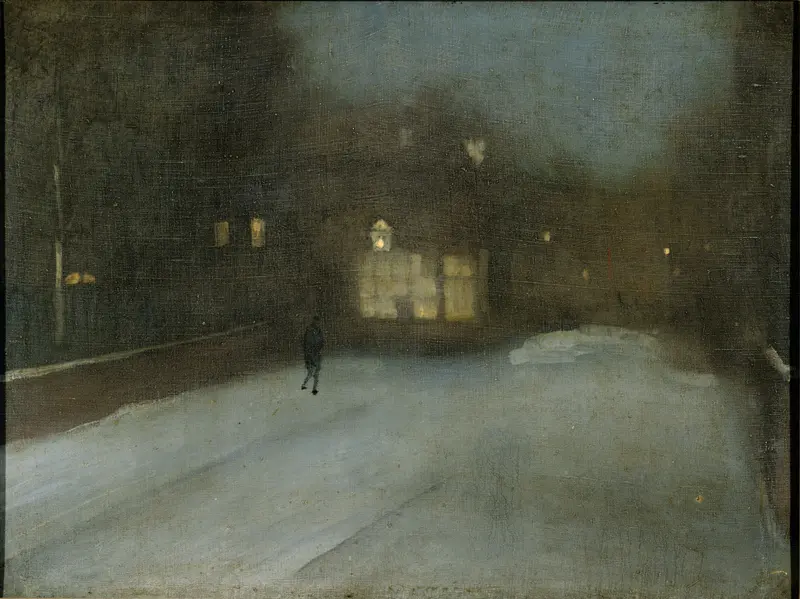
Nocturne in Grey and Gold: Chelsea Snow
James Abbott McNeill Whistler
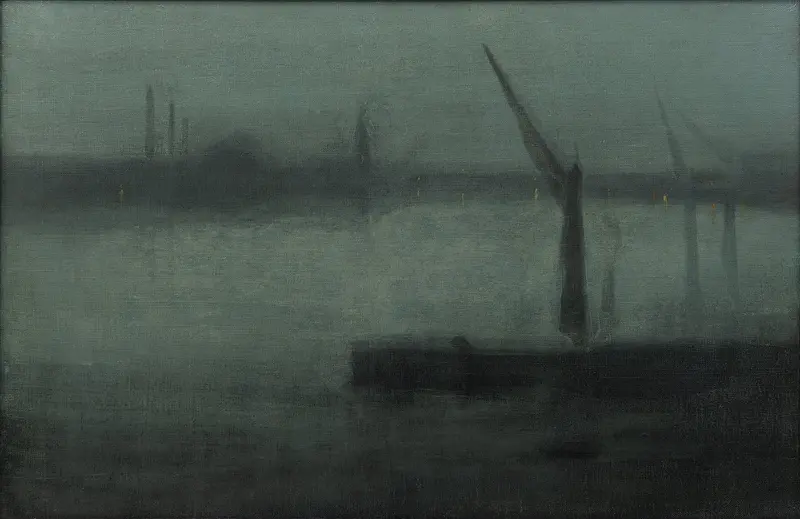
Nocturne: Blue and Silver–Battersea Reach
James Abbott McNeill Whistler
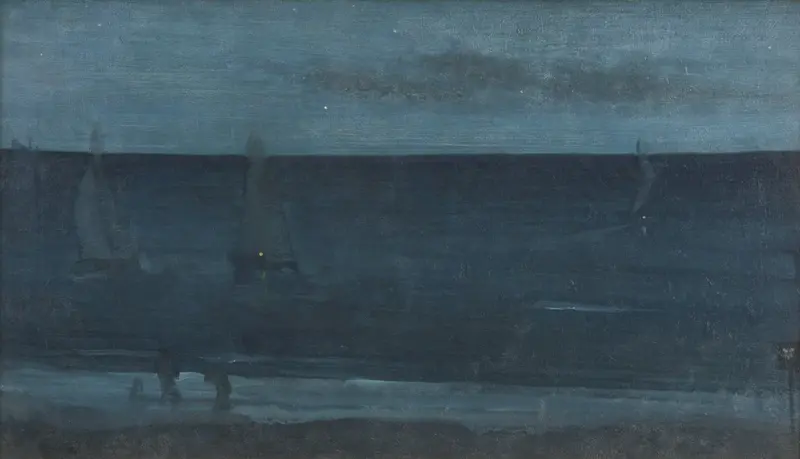
Nocturne: Blue and Silver–Bognor
James Abbott McNeill Whistler

Old Battersea Bridge
James Abbott McNeill Whistler
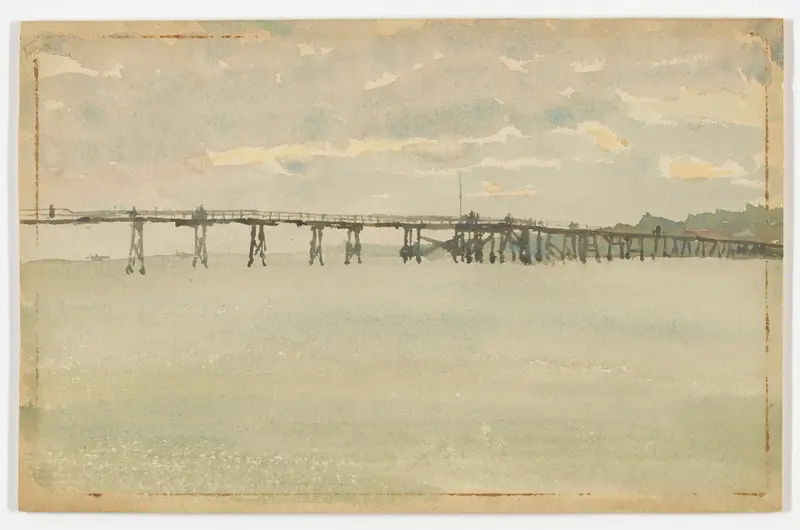
Grey and Silver–Pier, Southend
James Abbott McNeill Whistler
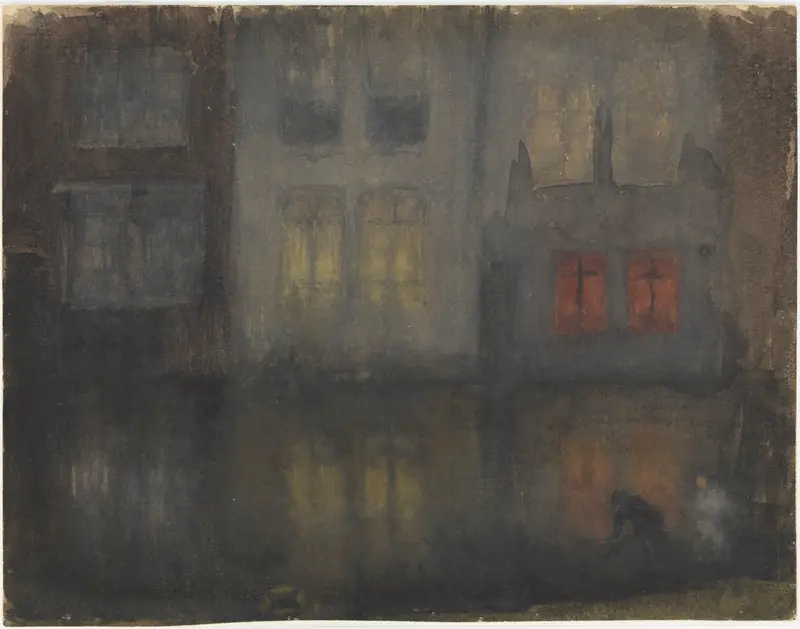
Nocturne: Black and Red—Back Canal, Holland
James Abbott McNeill Whistler





