
The Skylark — History & Facts
Can paint confess what words never could? In The Skylark, beauty takes flight, captured in a moment that transcends the confines of language. Look to the left at the delicate figure of the skylark, soaring against a pale, cloud-streaked sky. The artist employs a lush palette of soft blues and warm earth tones, creating a gentle contrast that invites the viewer’s gaze across the expansive landscape. Notice how the light dances upon the bird's feathers, lending a shimmering quality that seems almost ethereal.
The brushwork, both fluid and deliberate, brings to life the movement of the air, suggesting freedom and the joy of existence. Beneath this serene surface lies a tension between aspiration and the weight of the earth. The horizon is dotted with muted greens and browns, symbolizing the grounded reality from which the skylark escapes. Each stroke conveys a sense of longing, an innate desire to break free from the mundane.
The juxtaposition of the vibrant bird against the tranquil backdrop embodies the struggle between the ethereal and the earthly, inviting introspection on the nature of beauty and the pursuit of dreams. In 1848, David Cox was immersed in the English landscape tradition, painting from his studio in Wales. This period marked a personal upheaval as he faced the challenges of financial instability. Yet, amidst these trials, he gleaned inspiration from nature’s splendor.
Capturing the essence of fleeting moments, he contributed to the Romantic movement, embracing an emotional connection to the landscape that continues to resonate with viewers today.
More Artworks by David Cox
Browse all →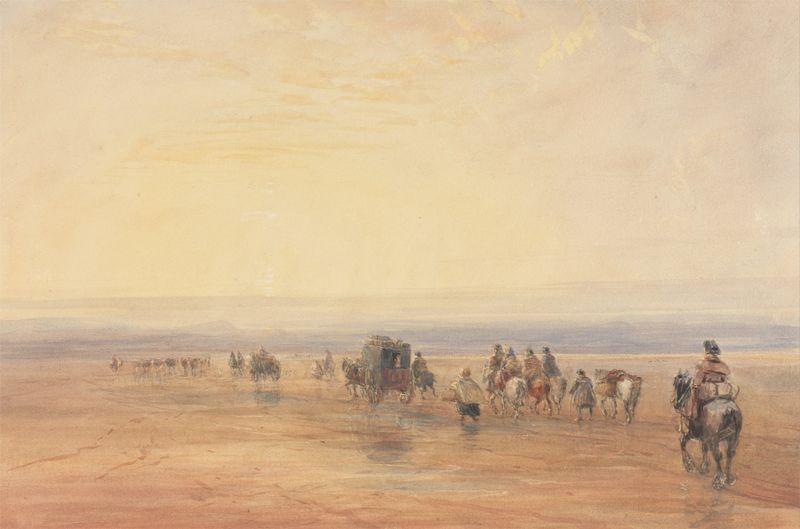
Crossing Lancaster Sands
David Cox
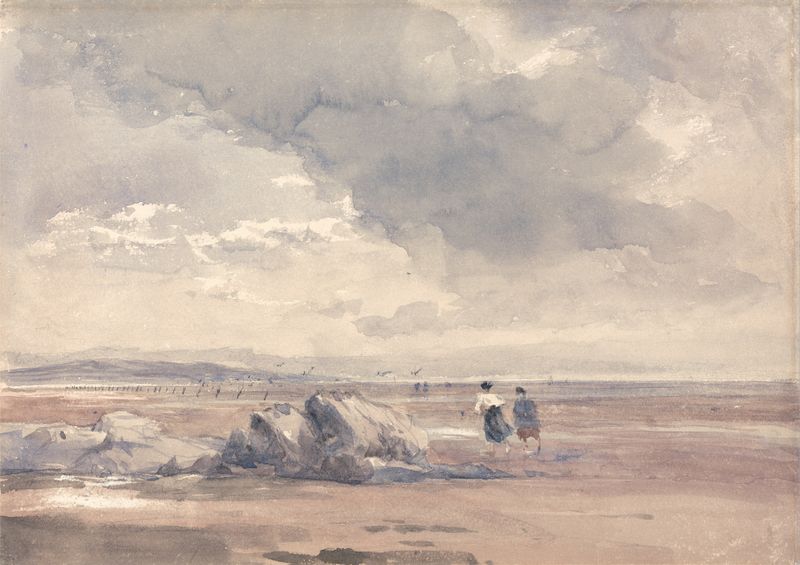
On Lancaster Sands, Low Tide
David Cox

Lincoln Cathedral from Brayford Pool
David Cox

View in Wales
David Cox
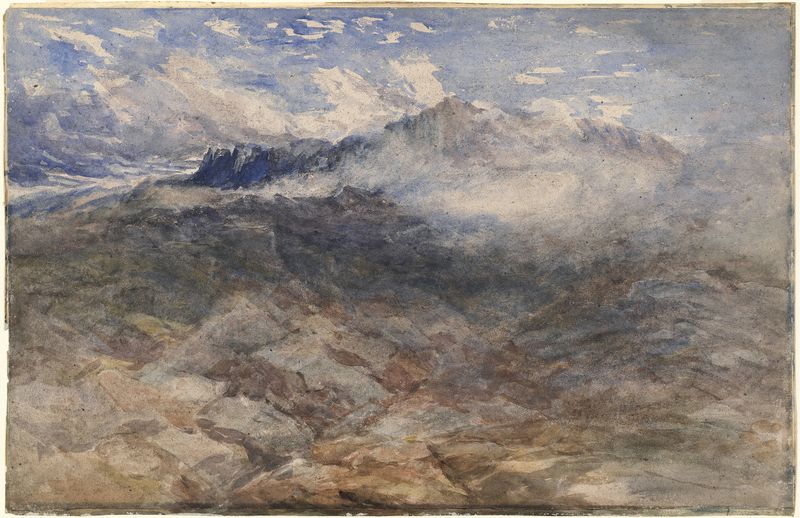
Mountain Heights, Cader Idris
David Cox

Bergen op Zoom
David Cox

Boating Before Lambeth Palace, London
David Cox
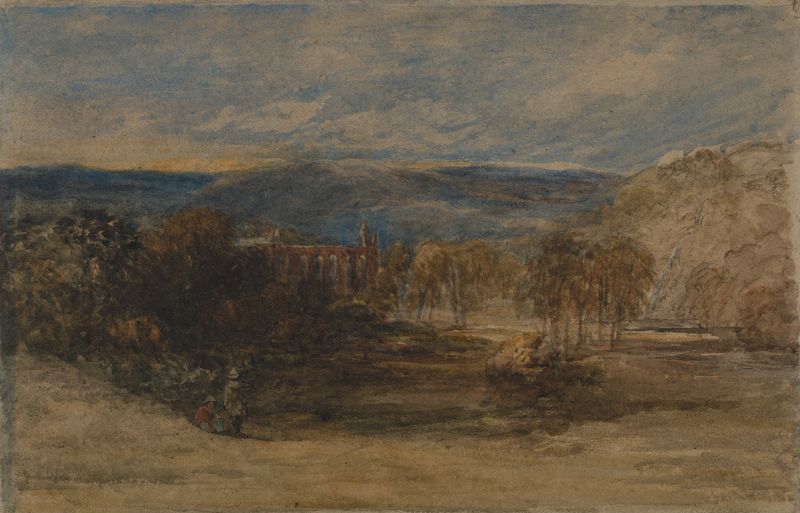
Bolton Abbey
David Cox

London Bridge
David Cox
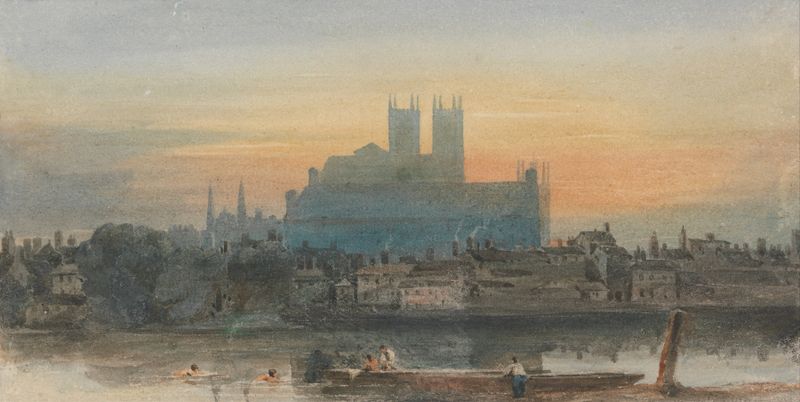
Westminster from Lambeth
David Cox





