
The Small Square of Siena — History & Facts
When did color learn to lie? This question lingers in the air as innocence dances upon the canvas, challenging our perceptions through vibrant hues and playful forms. As you examine the composition, look to the left where a jubilant crowd gathers, seemingly unaware of the tension building in their midst. Notice how the soft, warm colors of their garments contrast sharply with the cooler, shadowy tones surrounding them, hinting at the duality of joy and underlying turmoil. The artist’s meticulous attention to detail, from the expressions on the faces to the delicate rendering of the architecture, draws you in, inviting contemplation of the scene's deeper implications. Beneath the surface, the artwork whispers of fleeting moments and the fragility of happiness.
The juxtaposition between the lively figures and the stark emptiness of the square creates a poignant irony, amplifying the sense of transience that accompanies innocence. The play of light subtly emphasizes the innocence of youth, while the looming shadows remind us that darkness is ever-present, waiting just beyond the corners of this vibrant gathering. Jacques Callot painted this work in 1617 during a time of great artistic innovation in Europe. Living in Lorraine, he was influenced by the burgeoning Baroque movement as well as the sociopolitical shifts occurring around him.
As he explored themes of human experience, this piece encapsulated a moment of joy, contrasting the exuberance of life with the ever-looming specter of reality, a tension that resonates through the ages.
More Artworks by Jacques Callot
Browse all →
Titelprent voor de prentreeks 'De kleine apostelen' (Het martelaarschap van de apostelen)
Jacques Callot
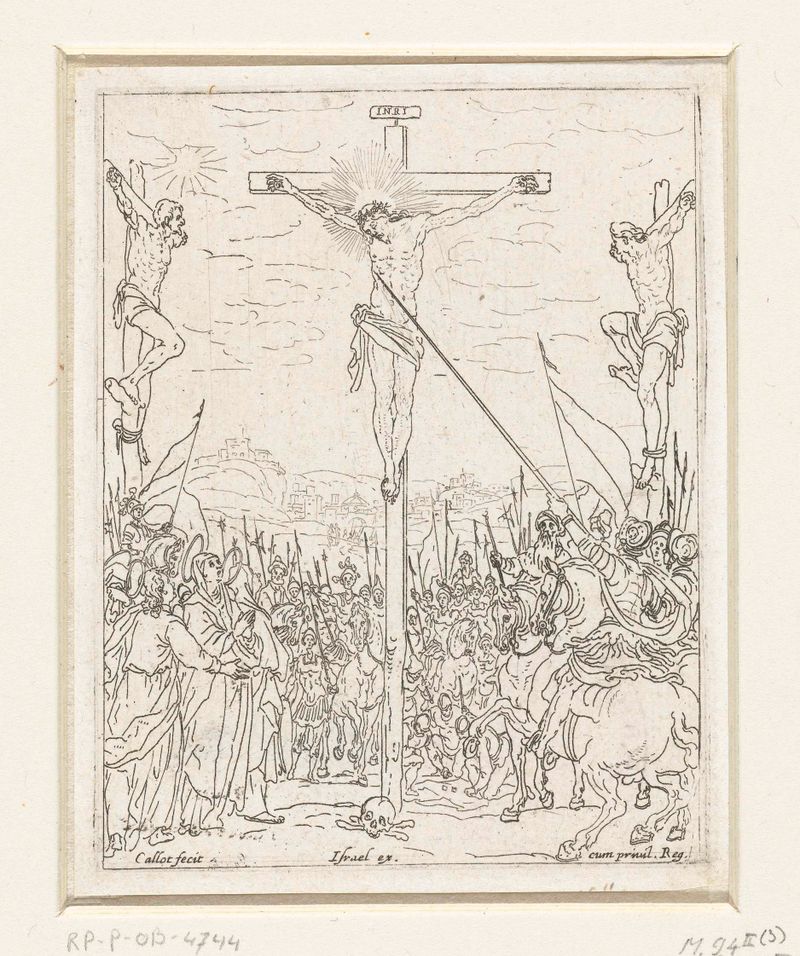
Kruisiging
Jacques Callot

De doortocht door de Rode Zee
Jacques Callot

De verloren zoon als zwijnenhoeder
Jacques Callot

Annunciatie
Jacques Callot
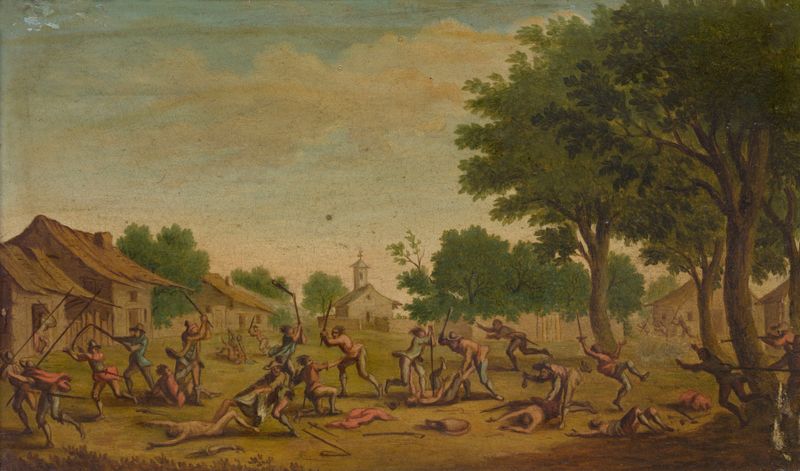
Village Fight
Jacques Callot

Titelprent voor prentreeks 'Het leven van Maria'
Jacques Callot
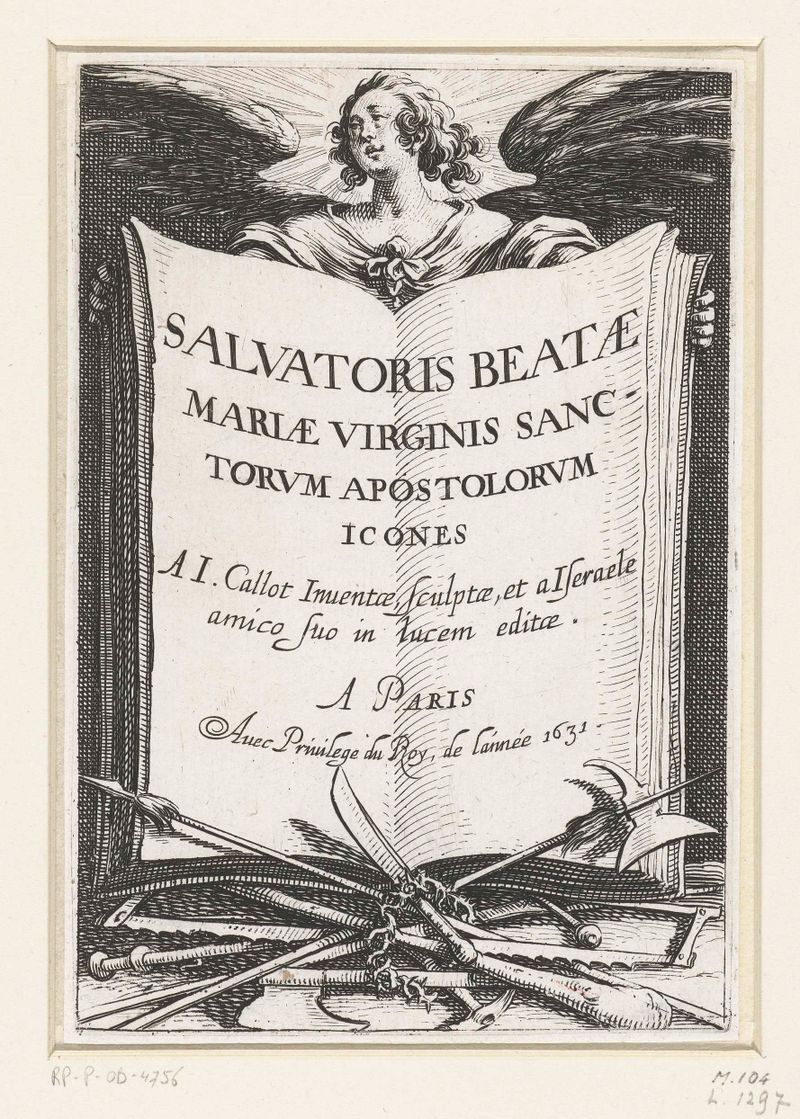
Titelprent voor de prentreeks 'De grote apostelen' (Christus, Maria en de apostelen)
Jacques Callot

Christus aan het volk getoond (Ecce homo)
Jacques Callot
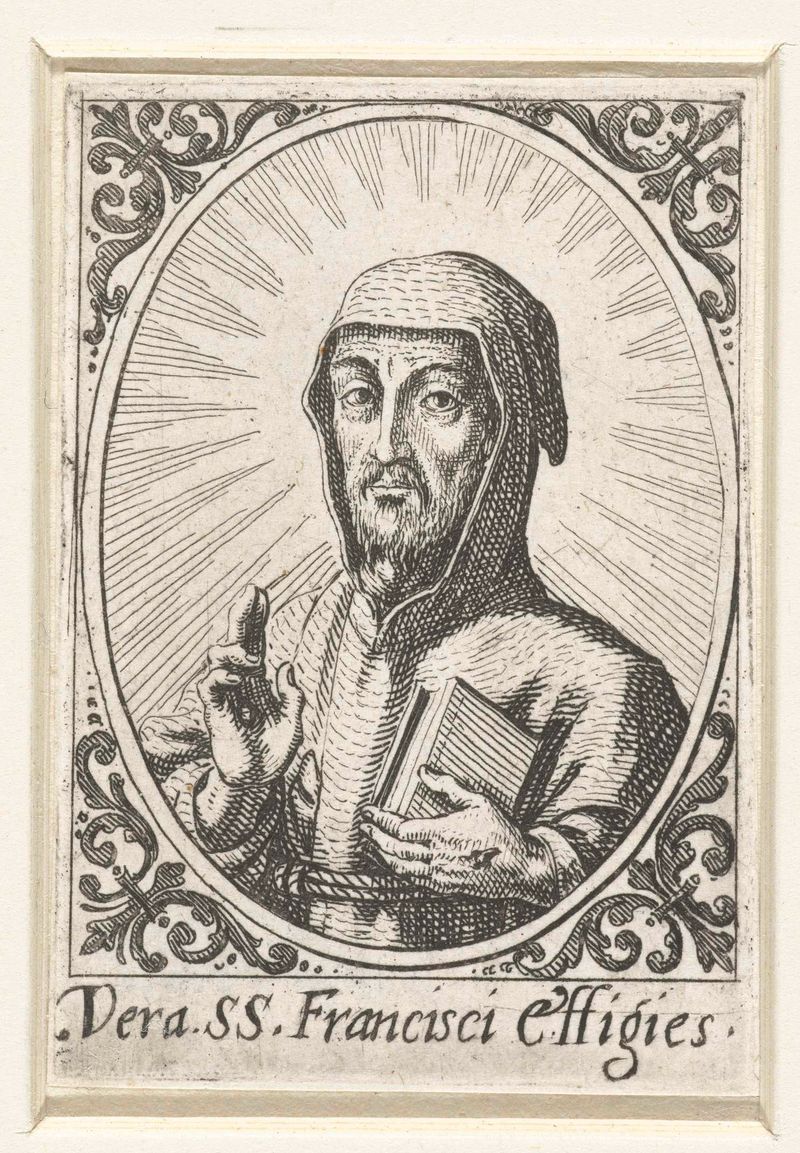
Portret van de Heilige Franciscus
Jacques Callot





