Discover insights about this artwork
The Sower — History & Facts
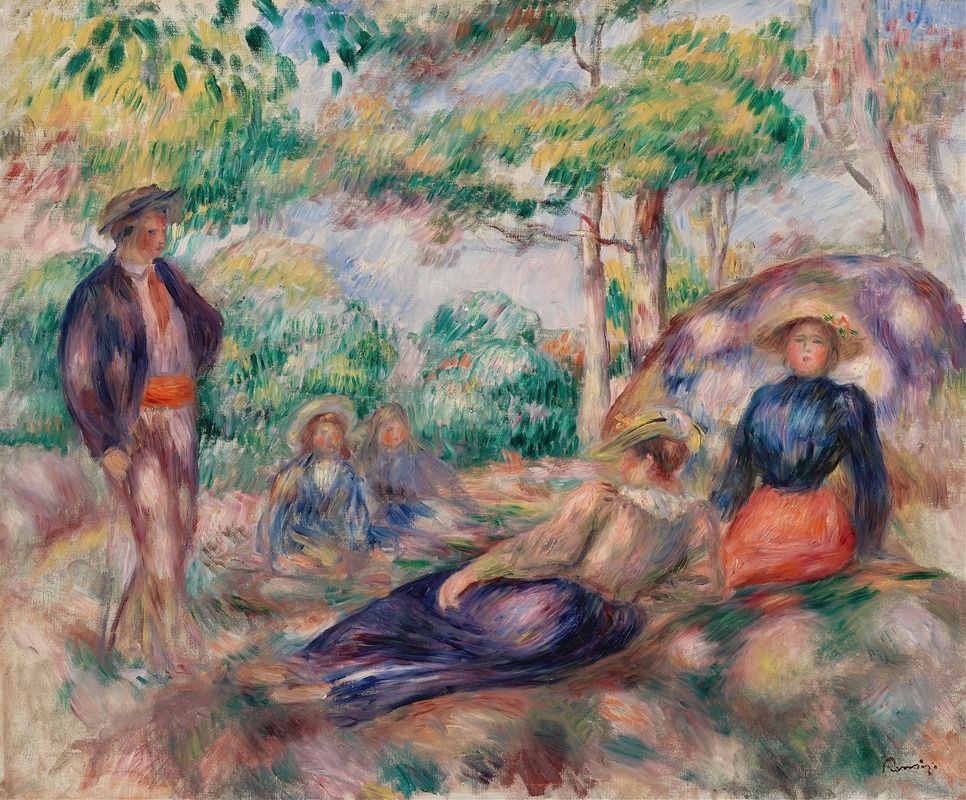
In The Sower, Jean-François Millet presents a solitary figure engaged in the act of sowing seeds. The colors are earthy, dominated by browns and greens, reflecting the agricultural setting. The farmer, bent over, is depicted with a sense of labor and dedication.
The background features a vast field, emphasizing the connection between man and nature. This painting is executed in oil on canvas, showcasing Millet's skill in capturing realistic details. The dimensions are approximately 73 x 92 cm, allowing for a significant portrayal of the figure and landscape. The brushwork is expressive yet controlled, highlighting the textures of the soil and the clothing of the sower.
The composition draws the viewer's eye towards the central figure, creating a sense of movement. Jean-François Millet was a key figure in the Realism movement, focusing on the lives of peasants and laborers. The Sower is one of his most famous works, created in the 1850s, and it reflects his belief in the dignity of agricultural labor. Interestingly, this painting was inspired by Millet's own experiences growing up in a rural environment.
It captures not just a moment of farming but also the broader themes of toil and connection to the land.
More Artworks by Jean-François Millet

Gleaners
Jean-François Millet

Starry Night
Jean-François Millet
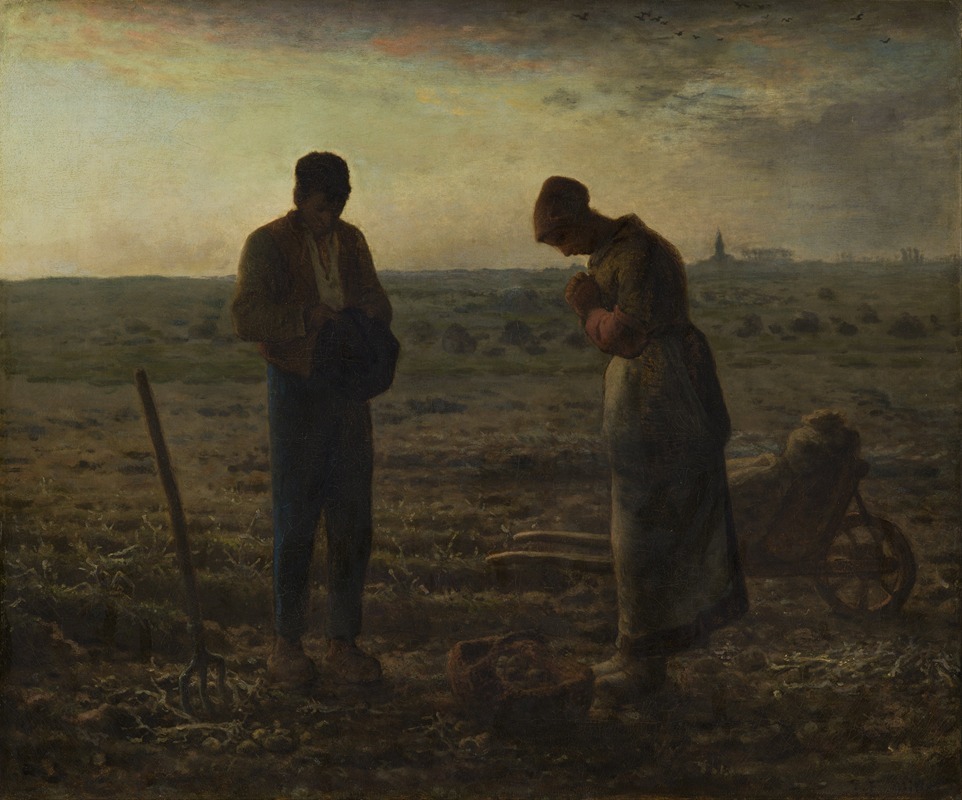
The Angelus
Jean-François Millet
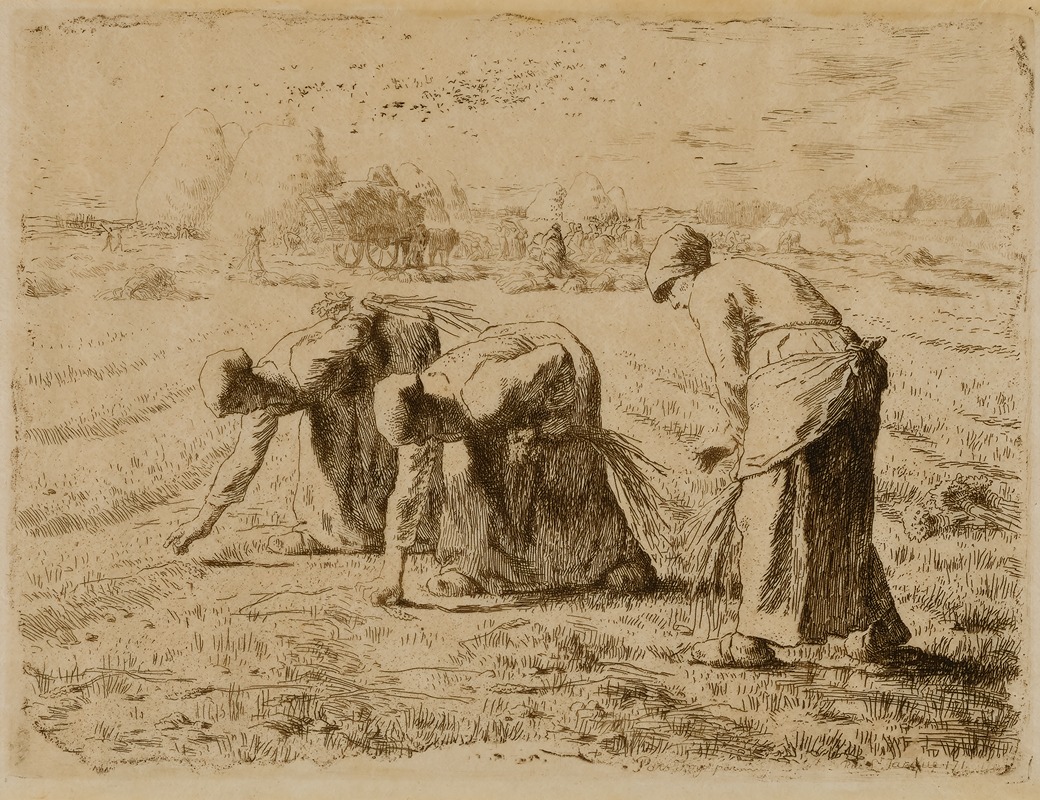
The Gleaners
Jean-François Millet
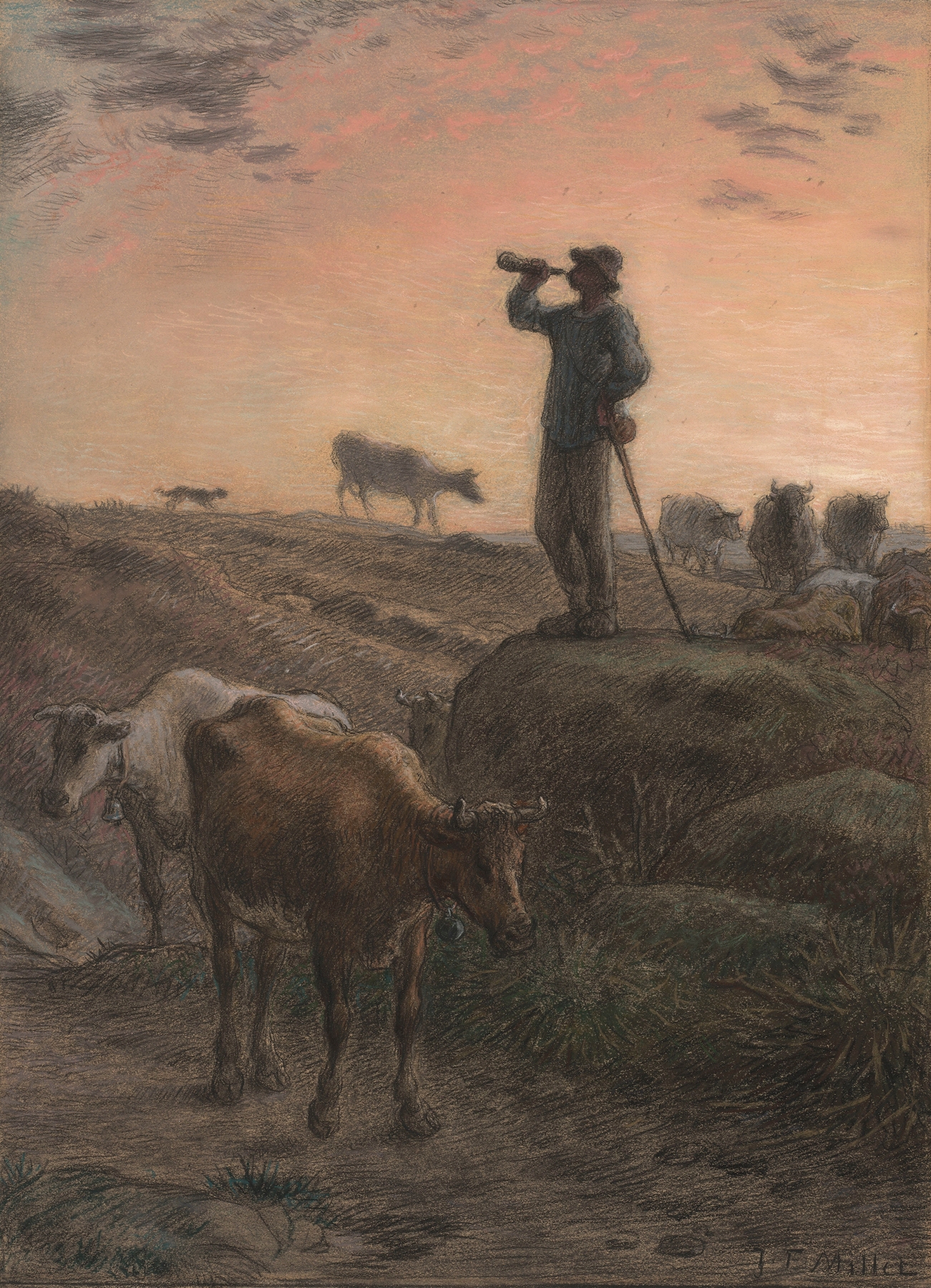
Calling Home the Cows
Jean-François Millet
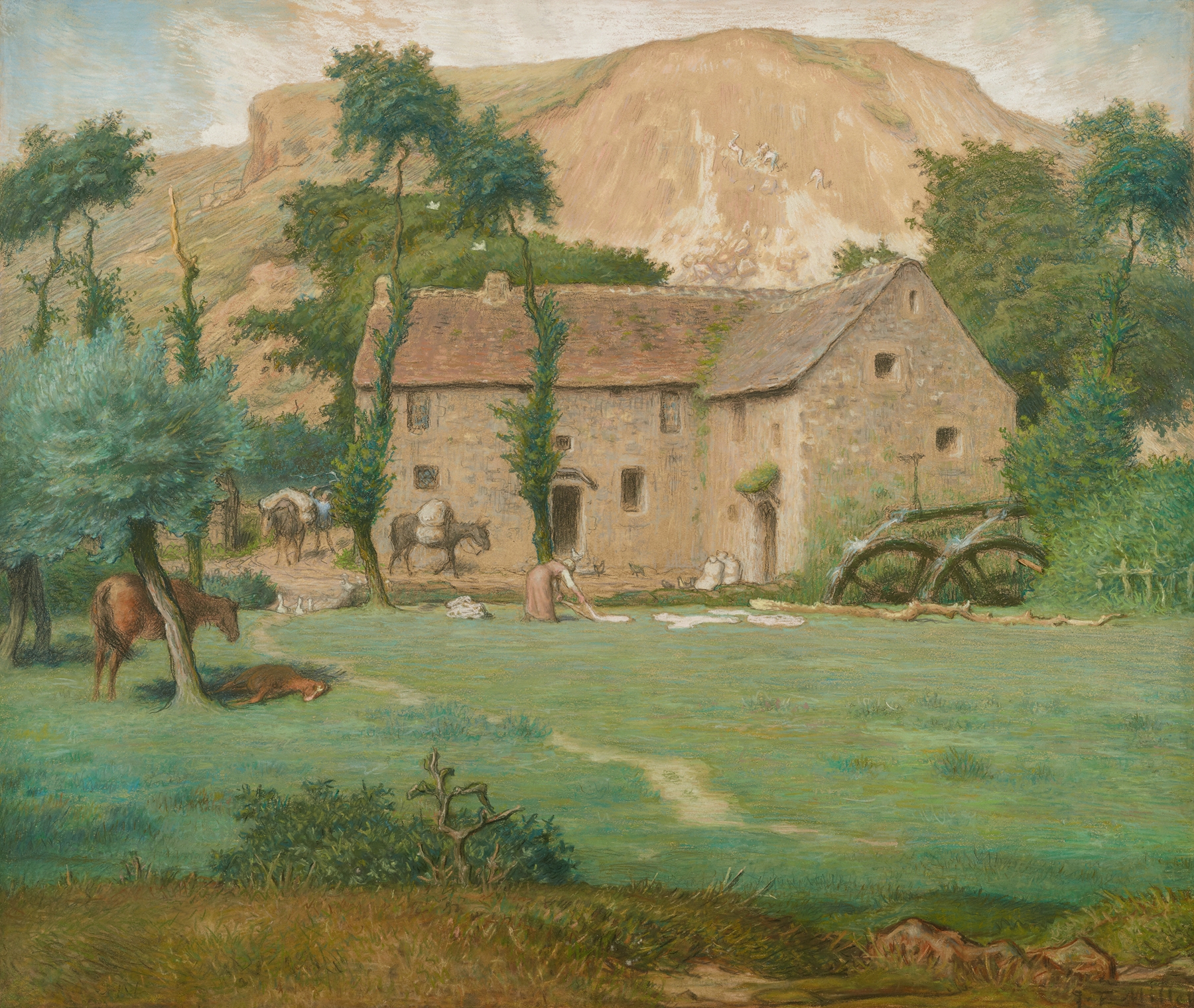
Watermill at the Foot of a Mountain, Allier
Jean-François Millet
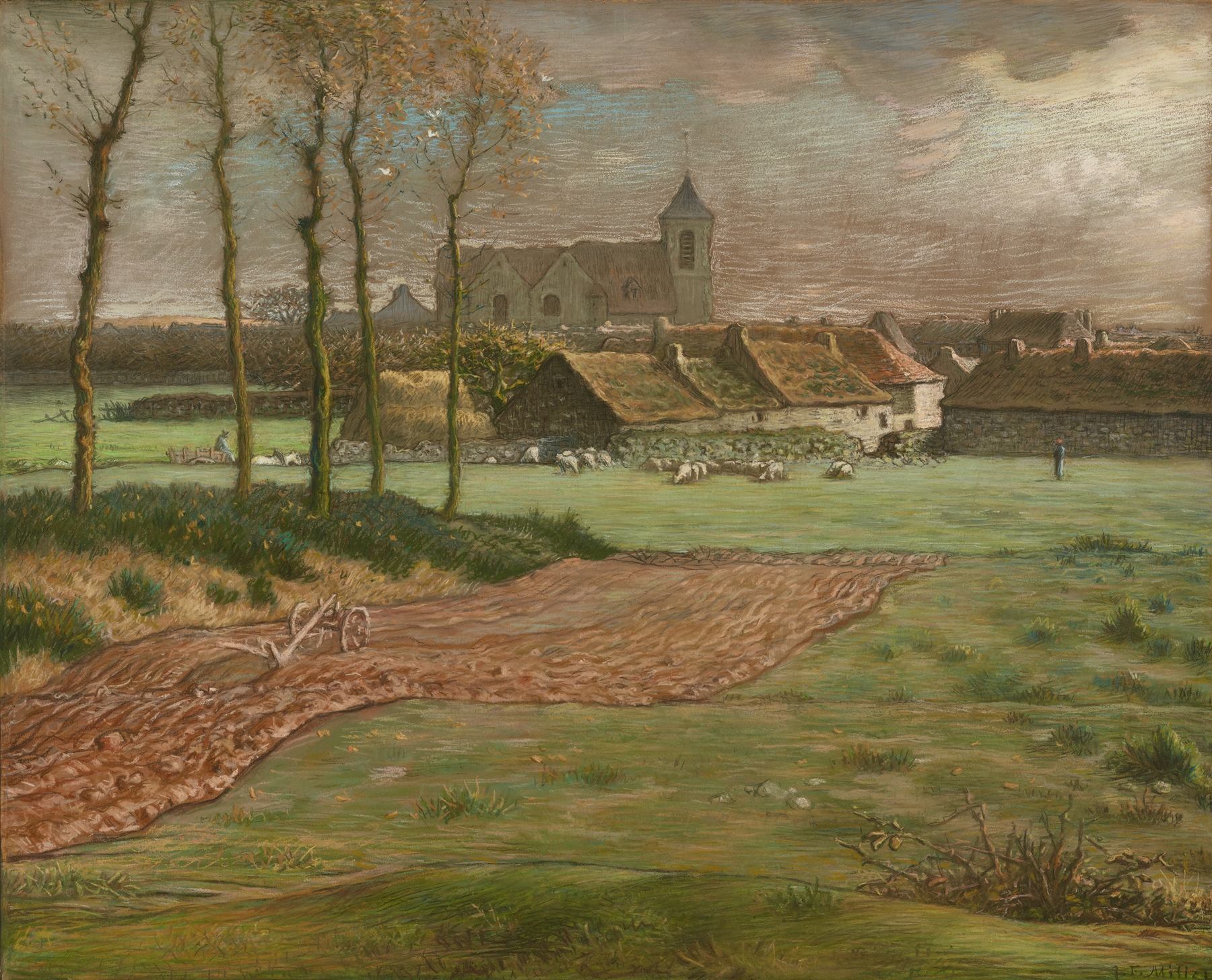
The Church at Chailly
Jean-François Millet
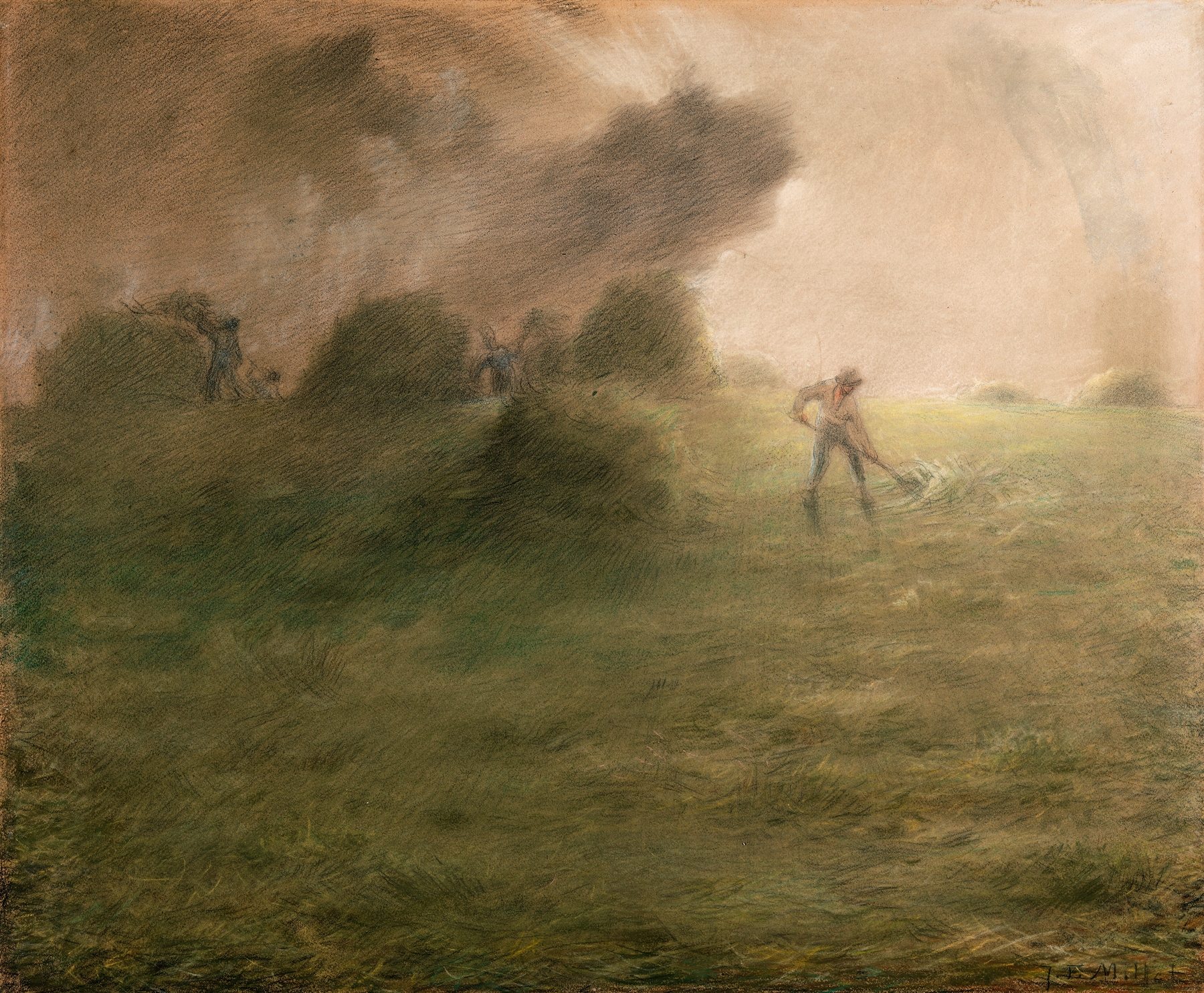
A Storm during Haymaking
Jean-François Millet
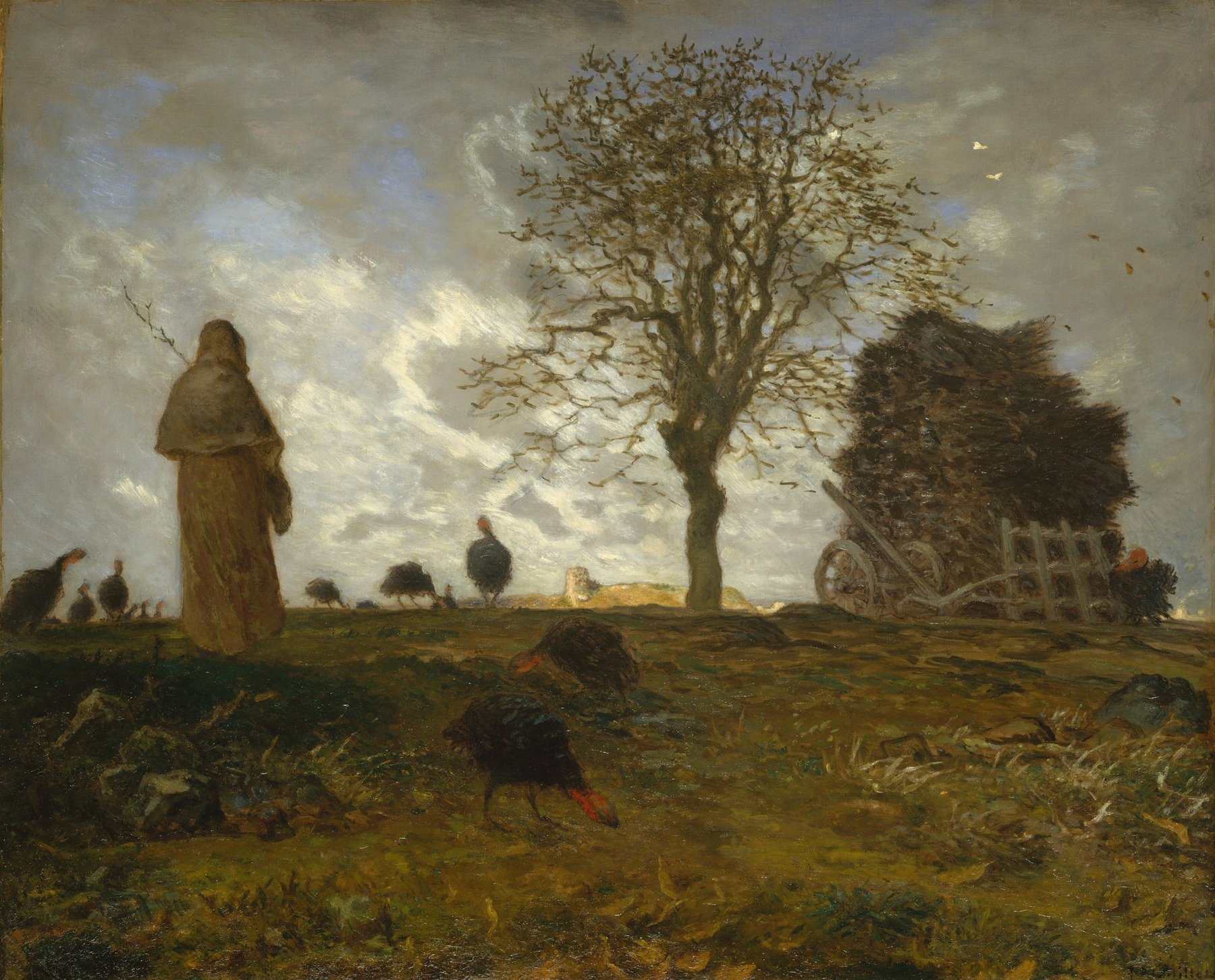
Autumn Landscape with a Flock of Turkeys
Jean-François Millet
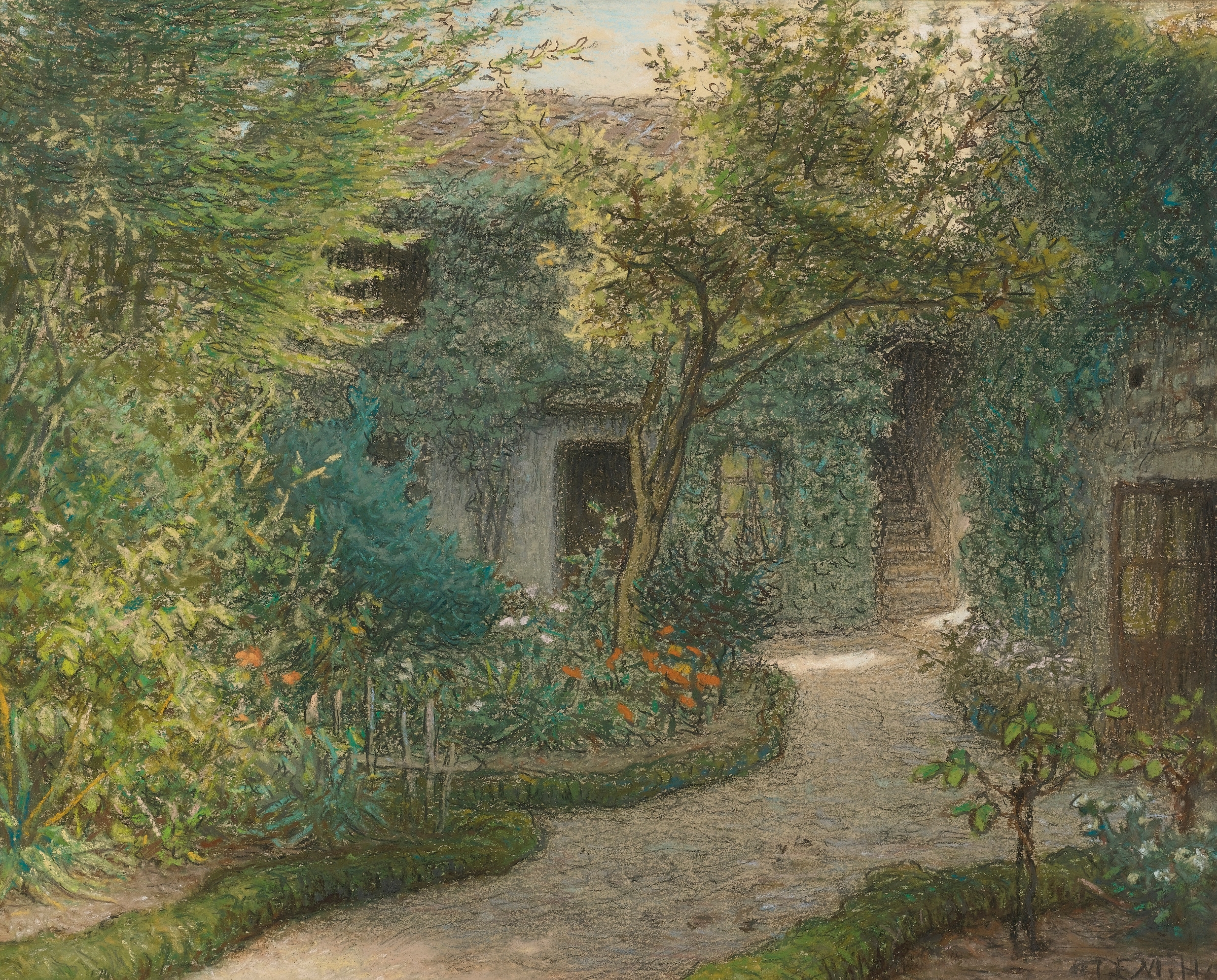
Théodore Rousseau’s House In Barbizon
Jean-François Millet