
The Storm — History & Facts
Hope emerges from the tempest; it insists upon our attention amidst the chaos. Look to the center of the canvas where the dark, swirling clouds loom ominously, their rich hues of grey and blue merging into one another. Notice how the artist skillfully employs dynamic brushstrokes to convey the wind’s ferocious energy, creating a palpable tension. Flashes of lighter colors peek through the darkness, casting an ephemeral light upon the landscape below, hinting at the promise of calm after the storm. The contrast between the turbulent sky and the serene earth invites contemplation.
The trees, bending yet unbroken, embody resilience, while the distant horizon, infused with soft pastels, speaks of renewal. This interplay between darkness and light echoes the eternal struggle between despair and hope, urging the viewer to consider the quiet strength that often lies beneath life’s stormy moments. In 1876, during a time when American art was evolving beyond European influences, George Inness painted this work in a period marked by personal turmoil and artistic exploration. He had recently embraced a more spiritual approach to nature, seeking to express emotional truths through landscapes.
The evolution of his style, infused with a deep appreciation for nature's power and beauty, is evident in The Storm, reflecting both the artist's inner journey and the broader transformative currents in the art world.
More Artworks by George Inness
Browse all →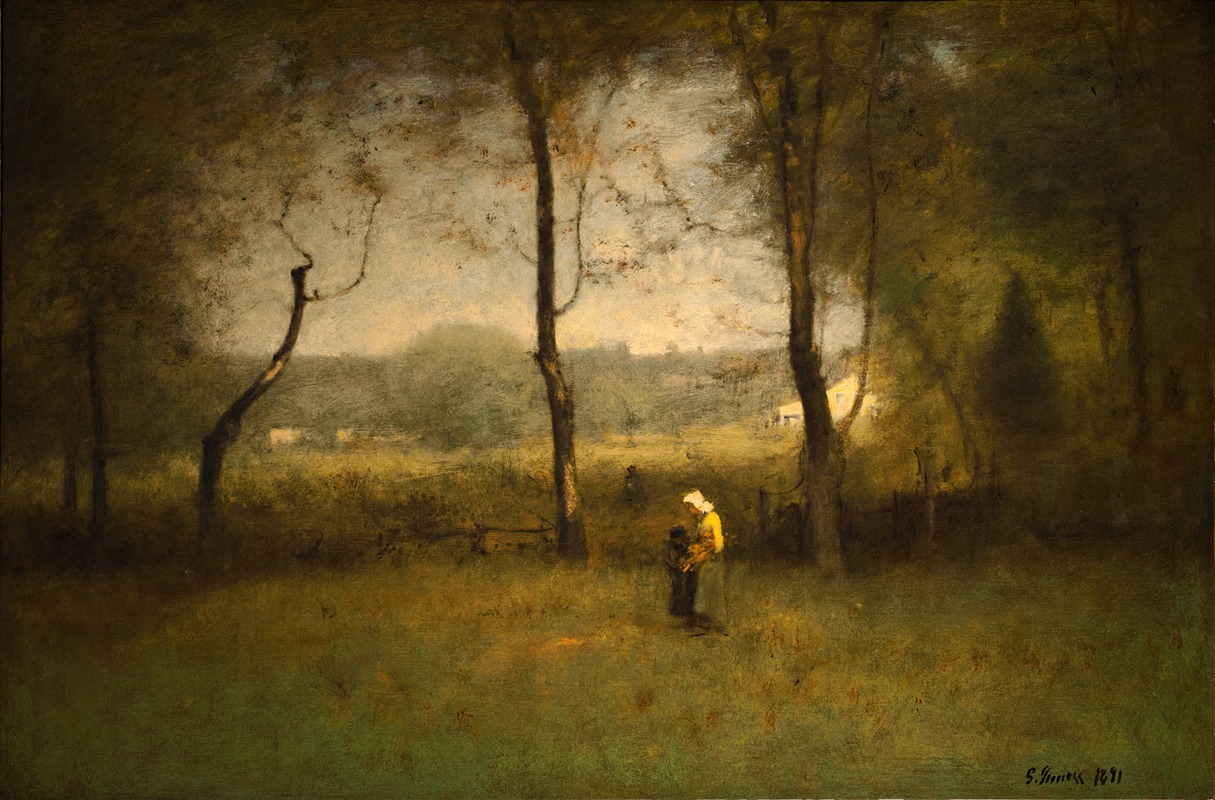
Autumn Woods
George Inness
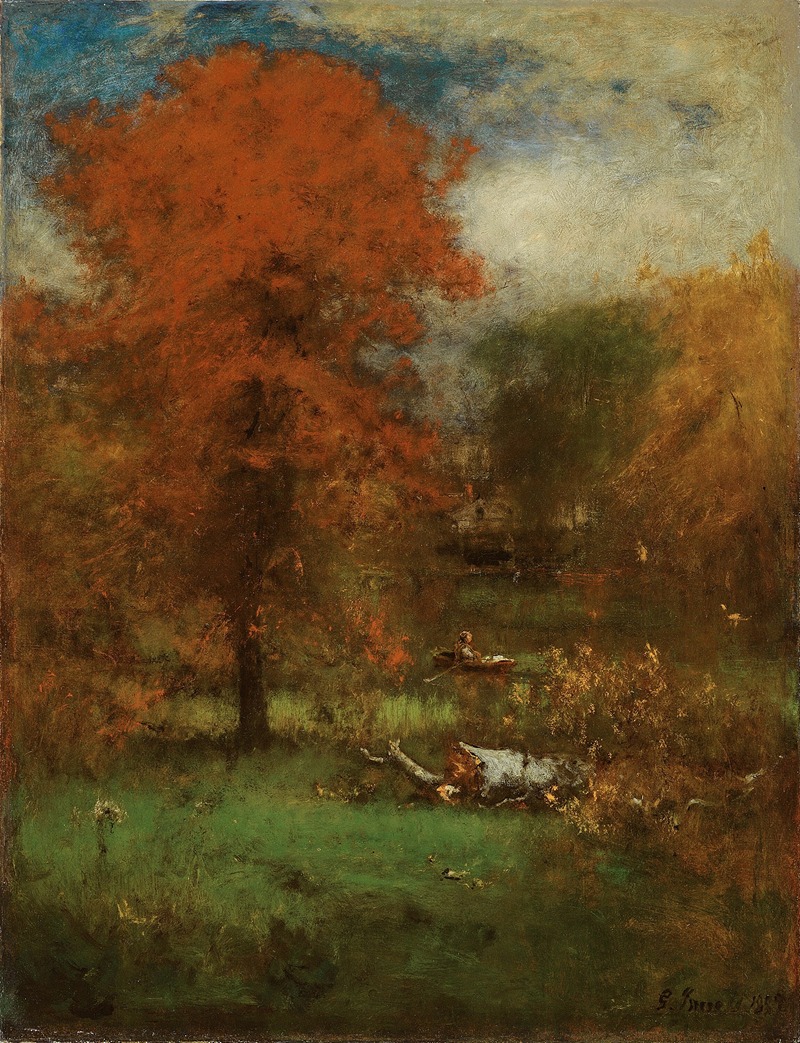
The Mill Pond
George Inness
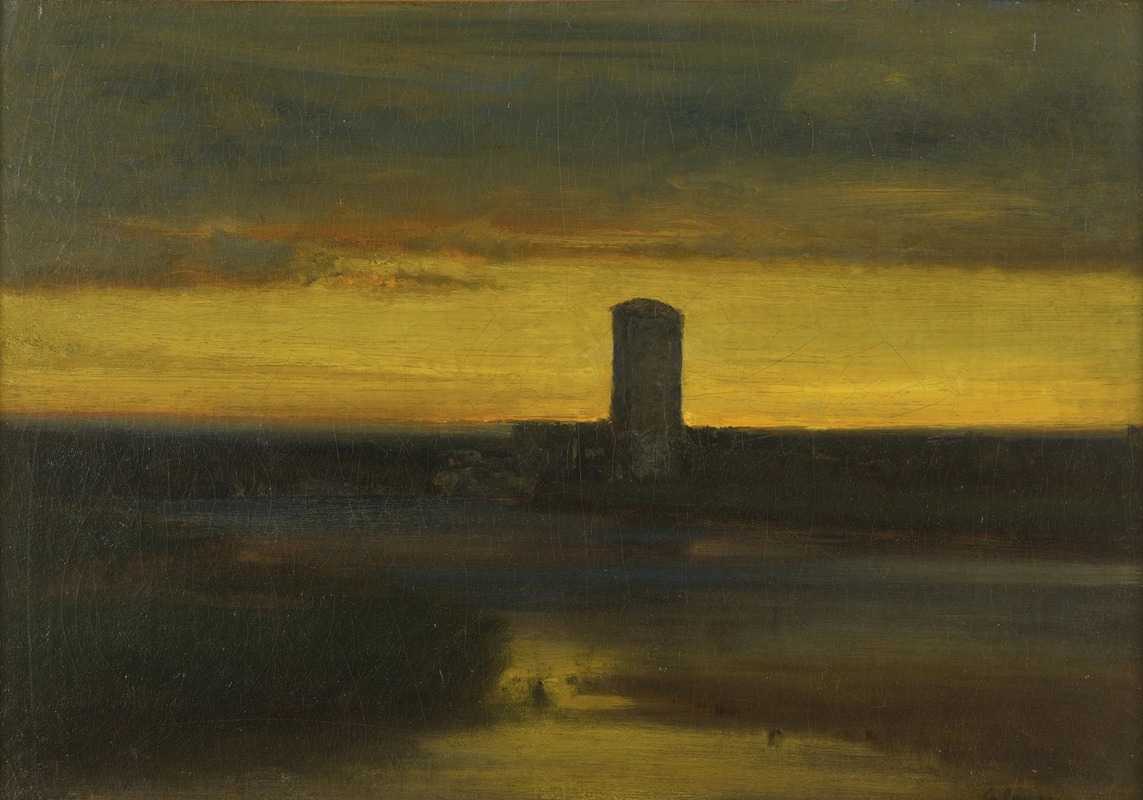
Afterglow
George Inness
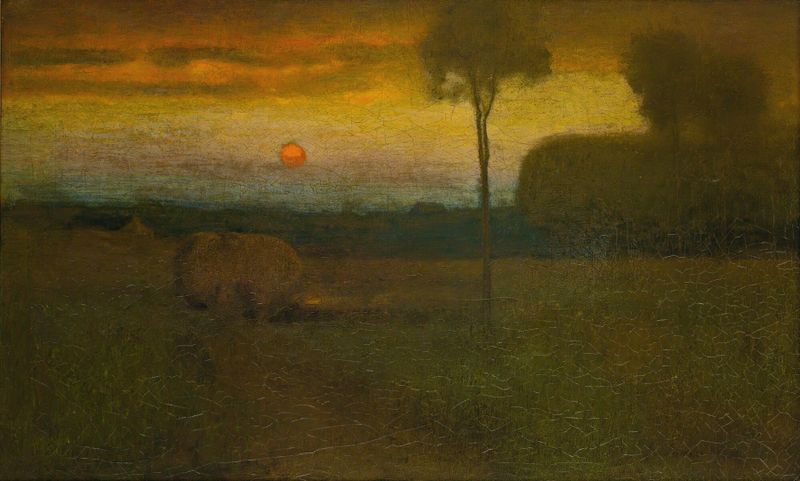
Landscape (Evening Landscape)
George Inness

Montclair
George Inness

View in Berkshire County, Massachusetts, Clearing Off after a September Storm
George Inness

October
George Inness
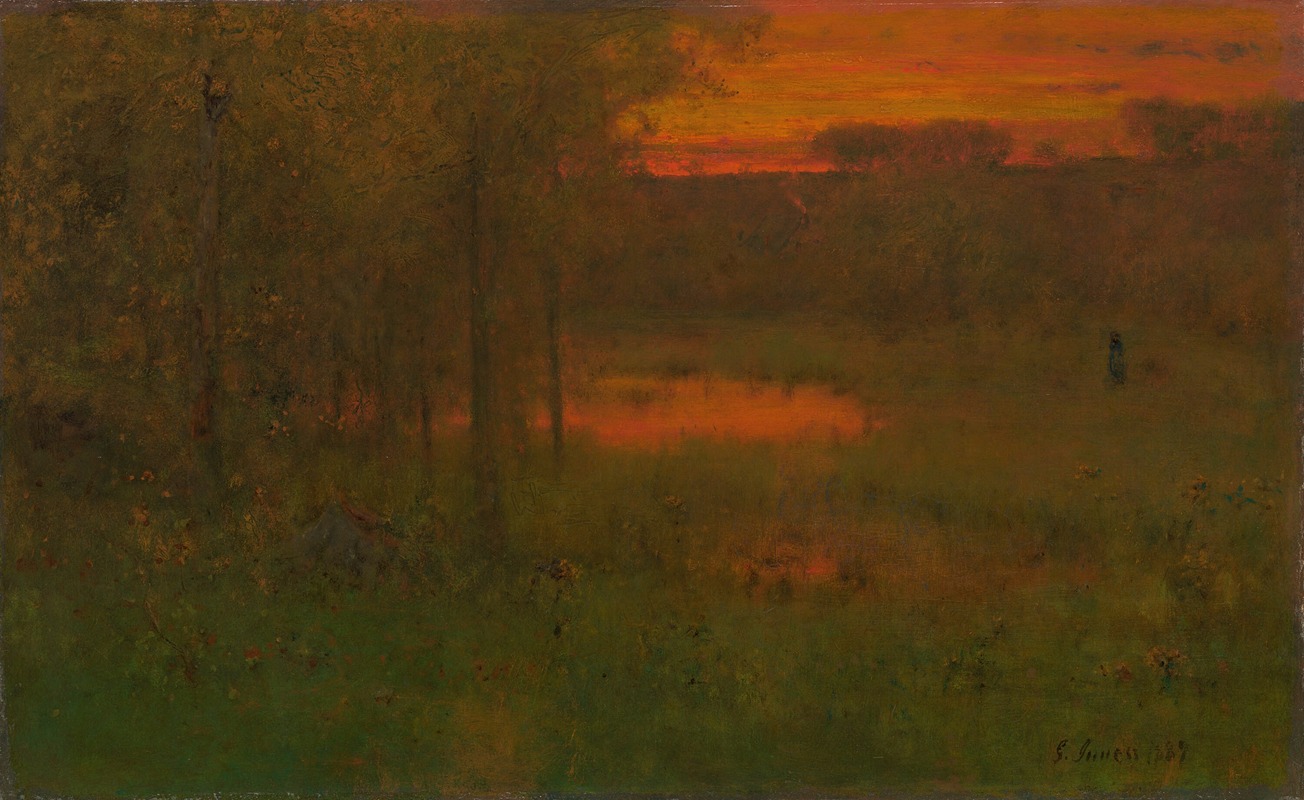
Landscape, Sunset
George Inness
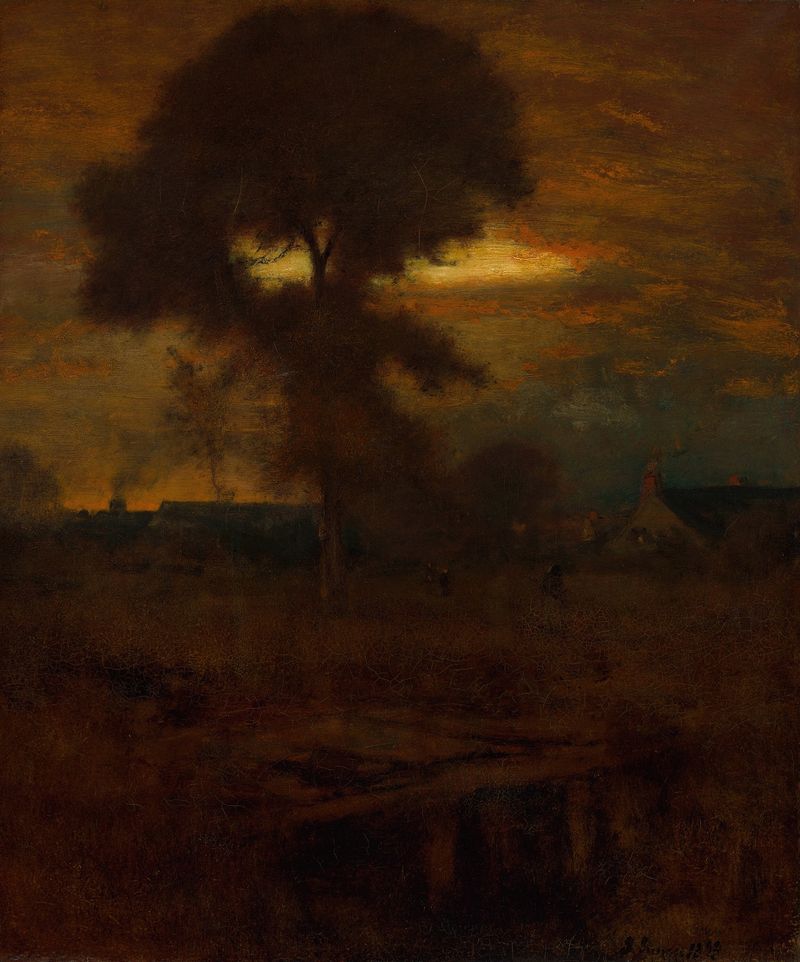
Afterglow
George Inness
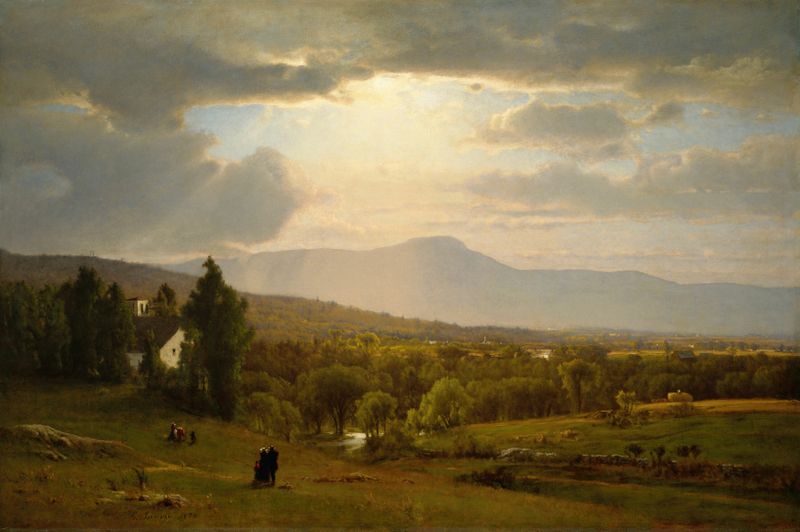
Catskill Mountains
George Inness





