
The Story of Virginia — History & Facts
In the early 1500s, the tragic tale of Virginia—a Roman maiden whose death sparked the revolt against the decaying Republic—was a touchstone for Florentine artists wrestling with questions of tyranny and civic virtue. Sandro Botticelli’s The Story of Virginia, painted around 1505, stands as one of the last great narrative works of his career, capturing a moment that, according to Livy’s Ab Urbe Condita, led directly to the overthrow of the corrupt decemvir Appius Claudius in 449 BCE. The painting’s subject, a father’s desperate act to save his daughter’s honor, resonated deeply in a Florence still haunted by the recent fall of the Republic and the shadow of Savonarola’s puritanical regime. Botticelli chooses the harrowing instant when Virginia’s father, Virginius, raises the knife to kill his daughter rather than surrender her to Appius Claudius’s lust.
The scene is crowded with figures—soldiers, pleading women, and the magistrate’s retinue—each face twisted in shock or grief. Virginia’s white dress and exposed neck draw the eye to her innocence and vulnerability, while the father’s anguished gesture and the gleaming blade make the moral stakes unmistakable. Botticelli’s use of architectural backgrounds and tightly packed drama recalls his earlier The Story of Lucretia, but here the emotional intensity is heightened, the violence more immediate.
Unlike Domenico Ghirlandaio’s more restrained approach to historical tragedy, Botticelli’s version is urgent, almost theatrical, pressing the viewer to witness the cost of justice. The original commission for The Story of Virginia is not firmly documented, but it likely formed part of a series of large narrative panels for a patrician residence, intended to inspire civic virtue through ancient exempla. The painting’s medium is uncertain, though tempera on panel was Botticelli’s usual choice at this stage. Over the centuries, the work has been separated from its companions and its provenance is patchy, with attributions shifting as Botticelli’s late style fell out of favor and then was rediscovered.
Today, the painting is recognized as a powerful statement from the artist’s final years, when his brush turned increasingly to stories of violence, sacrifice, and the fragility of virtue in a corrupt world.
More Artworks by Sandro Botticelli
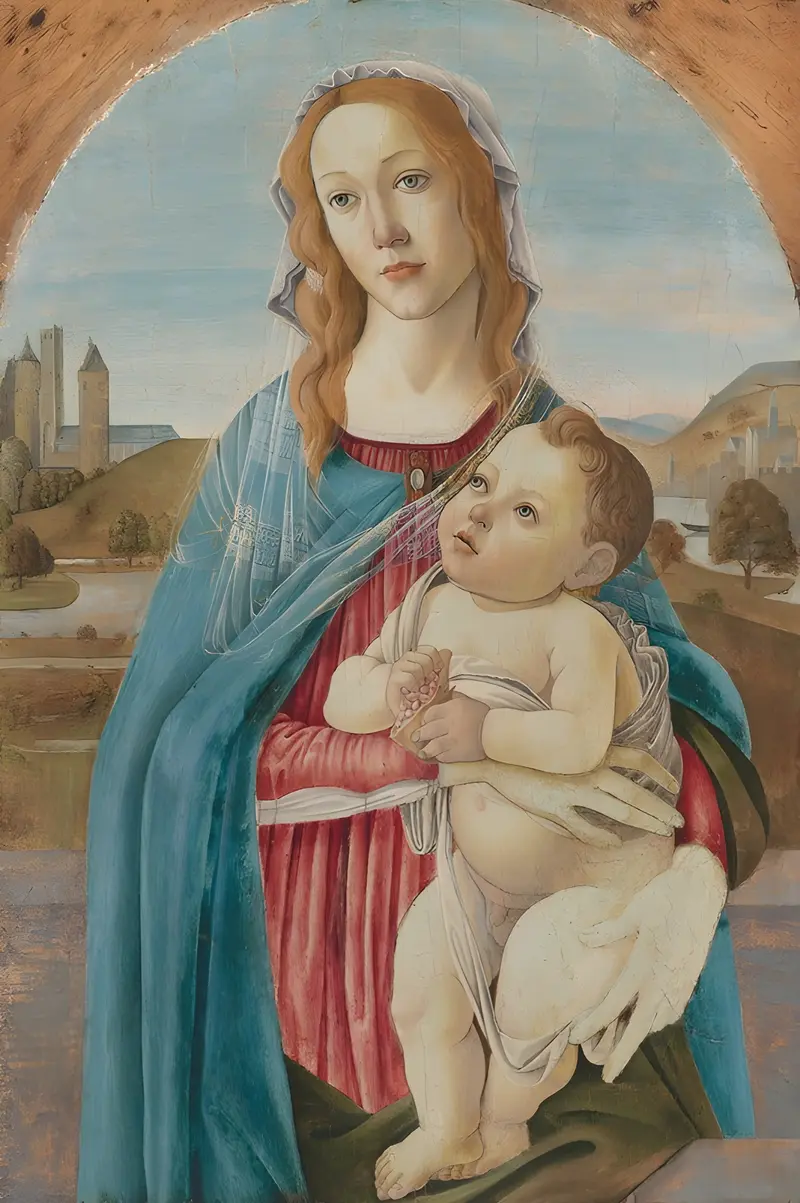
Virgin and Child
Sandro Botticelli
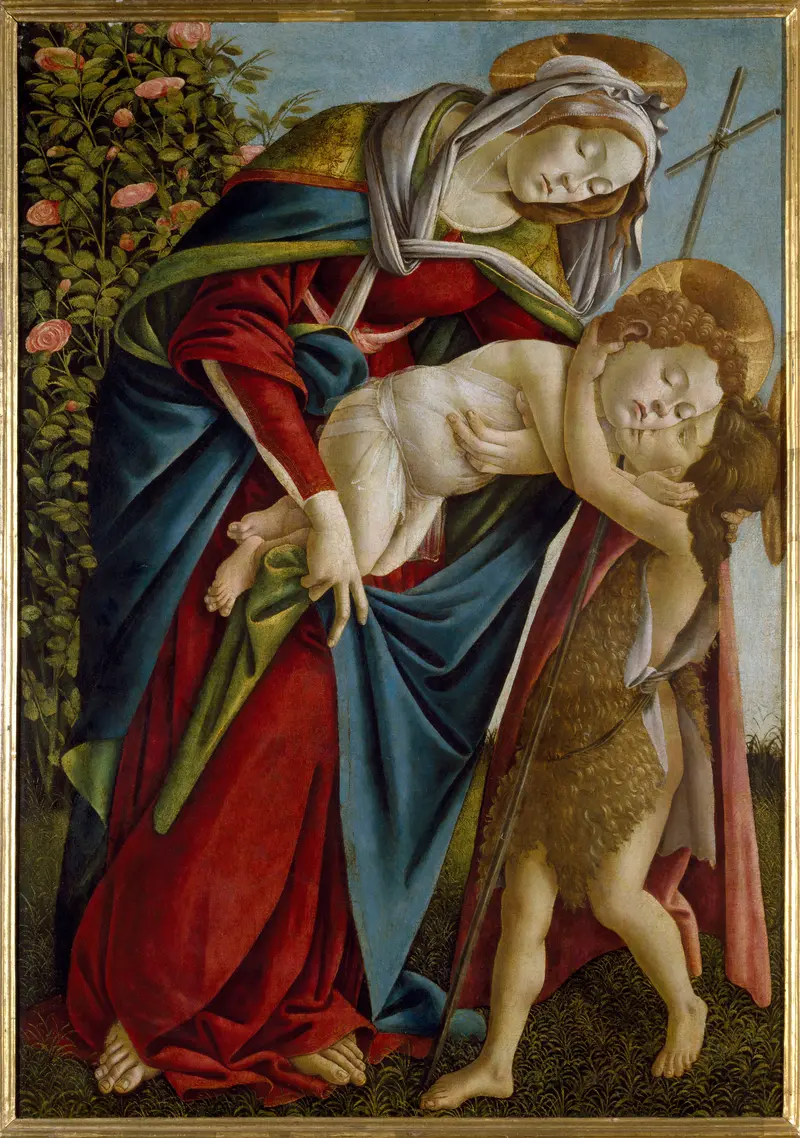
Madonna and Child and the Young St John the Baptist
Sandro Botticelli
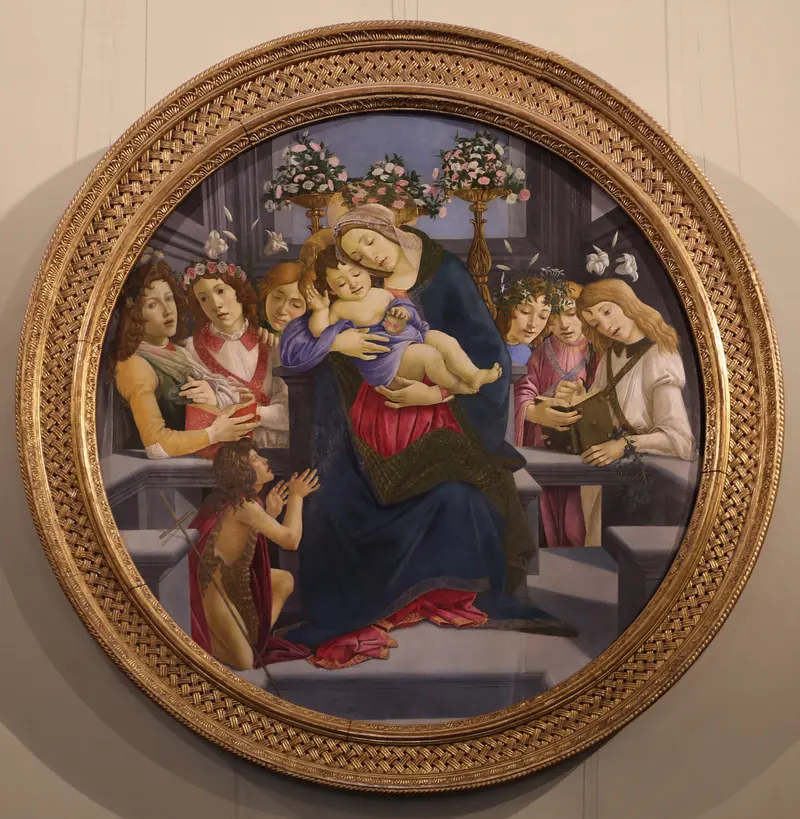
Madonna and Child with six angels and Saint John the Baptist as Child
Sandro Botticelli
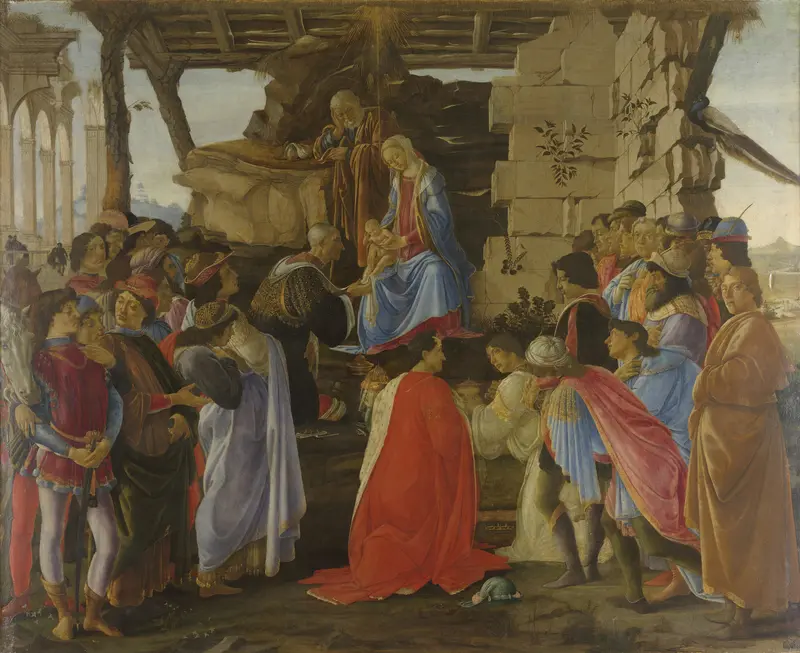
Adoration of the Magi
Sandro Botticelli

Virgin and Child with the Young Saint John the Baptist
Sandro Botticelli
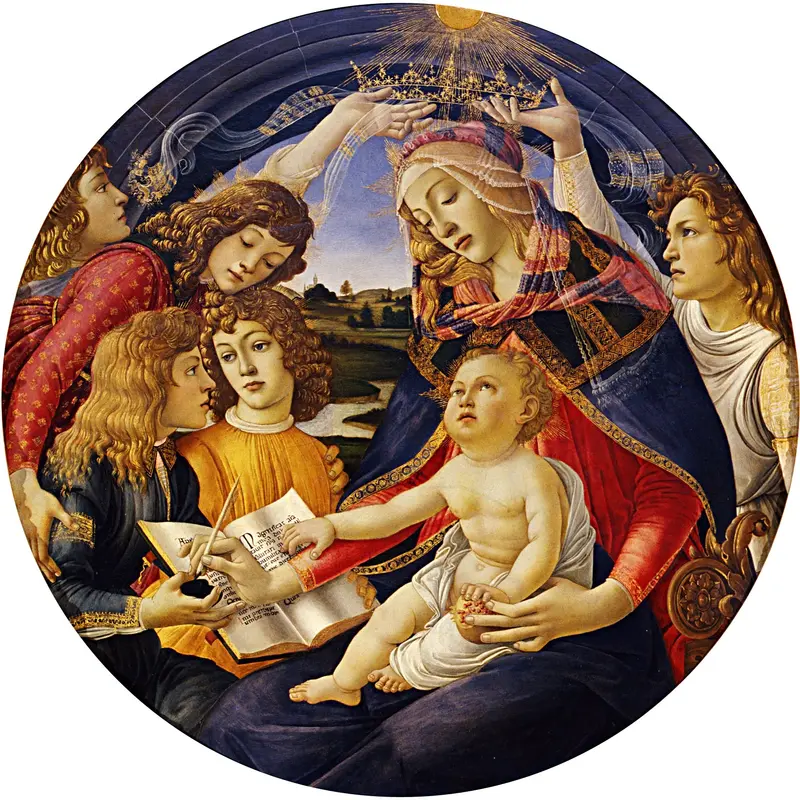
Madonna of the Magnificat
Sandro Botticelli
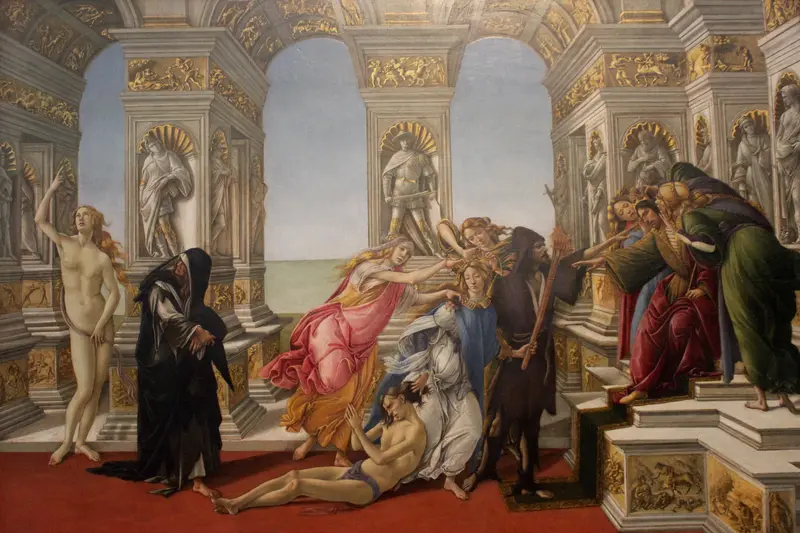
Calumny of Apelles
Sandro Botticelli
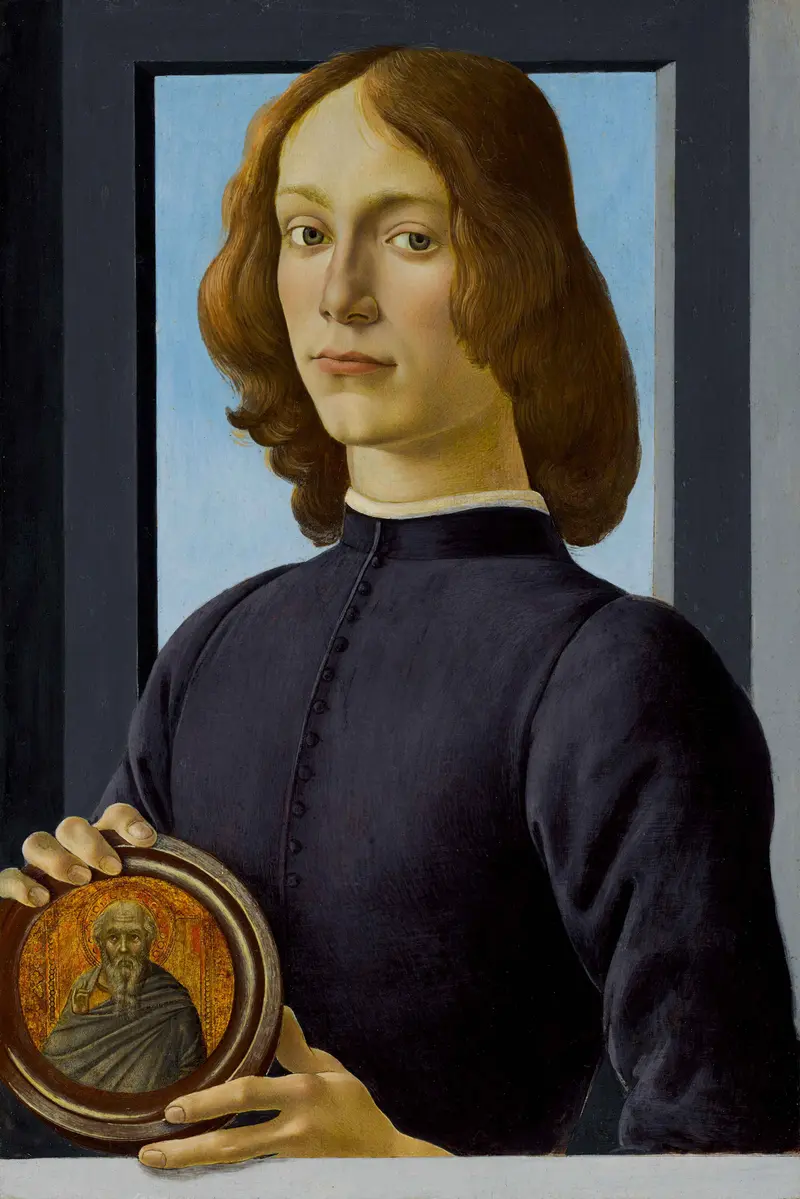
Portrait of a young man holding a roundel
Sandro Botticelli

The Trinity with Saint Mary Magdalene and Saint John the Baptist, the Archangel Raphael and Tobias
Sandro Botticelli
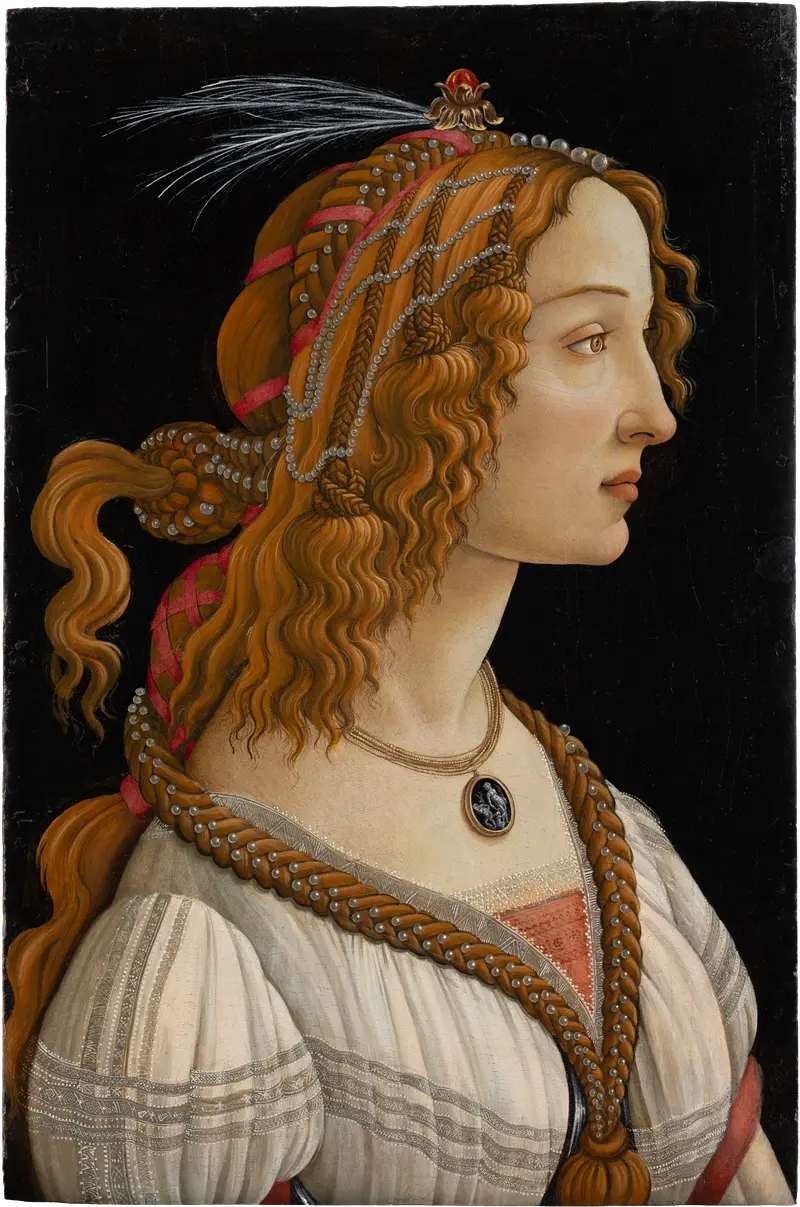
Idealized Portrait of a Lady (Portrait of Simonetta Vespucci as Nymph)
Sandro Botticelli





