
The Supper at Emmaus — History & Facts
In The Supper at Emmaus, Jacques Callot presents a vivid scene filled with rich colors and dramatic contrasts. The painting depicts Jesus at the center, surrounded by his two disciples, who are in various states of surprise and recognition. The warm tones of the table and the figures contrast with the cooler background, creating a sense of depth.
The setting is intimate, suggesting a moment of revelation and communion. The painting is executed in oil on canvas, a common medium for the Baroque period. Callot's brushwork is detailed, capturing the textures of the clothing and the expressions on the faces of the figures. The use of light and shadow enhances the three-dimensionality of the figures, drawing the viewer's eye to the central moment of recognition.
The dimensions are approximately 100 x 130 cm, making it a substantial work that commands attention. Jacques Callot was a French artist known for his prints and paintings, often depicting scenes of everyday life and religious themes. This work, created in the 1620s, reflects the Baroque style's emphasis on emotion and movement. Interestingly, Callot's approach to this biblical narrative combines realism with a dramatic flair, making the moment of revelation both relatable and profound.
Today, The Supper at Emmaus is housed in the Museo del Prado, a testament to its significance in art history.
More Artworks by Jacques Callot

De verloren zoon als zwijnenhoeder
Jacques Callot
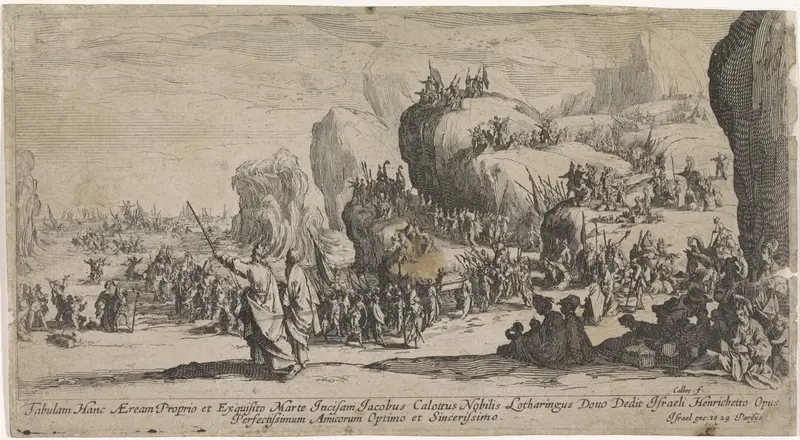
De doortocht door de Rode Zee
Jacques Callot

Kruisiging
Jacques Callot
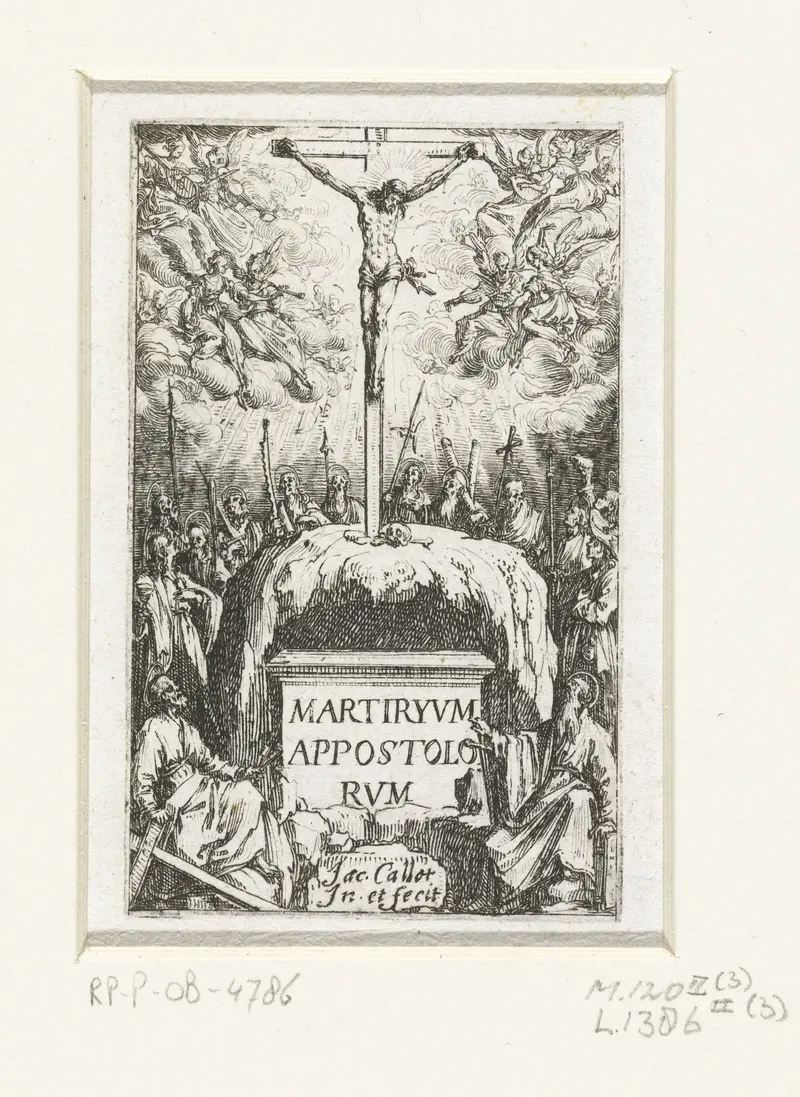
Titelprent voor de prentreeks 'De kleine apostelen' (Het martelaarschap van de apostelen)
Jacques Callot
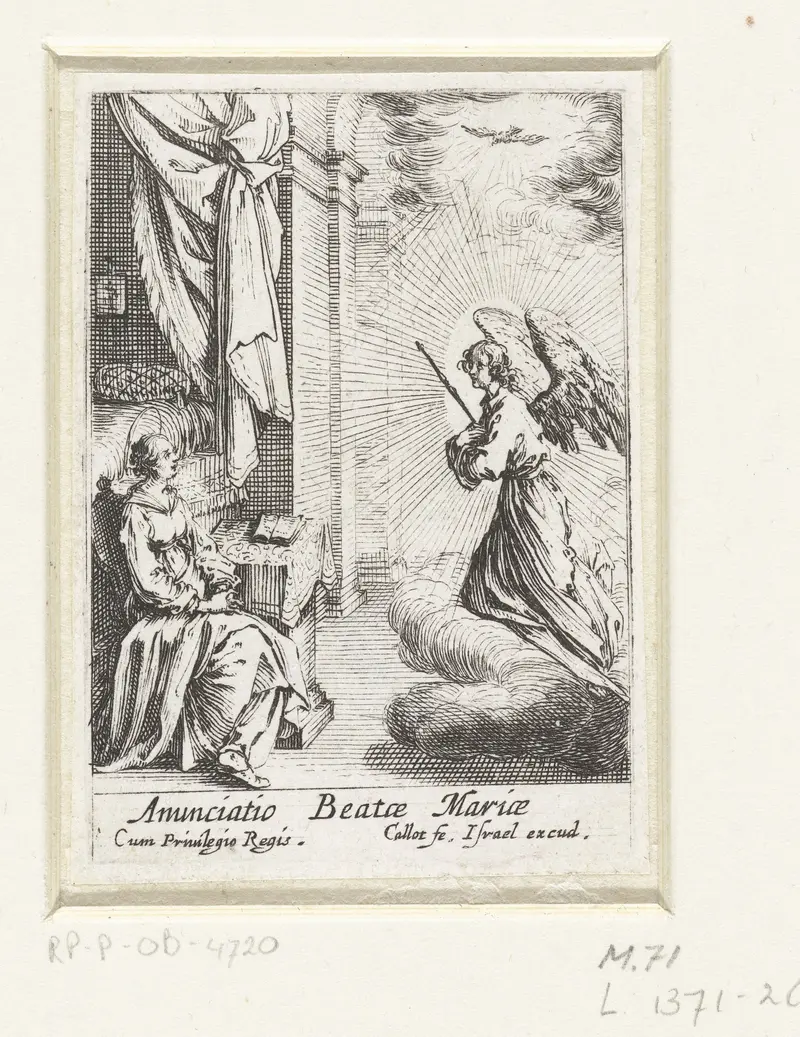
Annunciatie
Jacques Callot
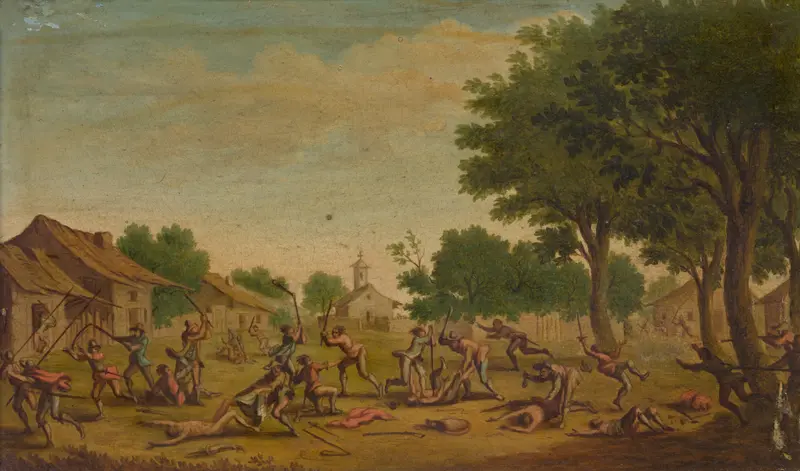
Village Fight
Jacques Callot
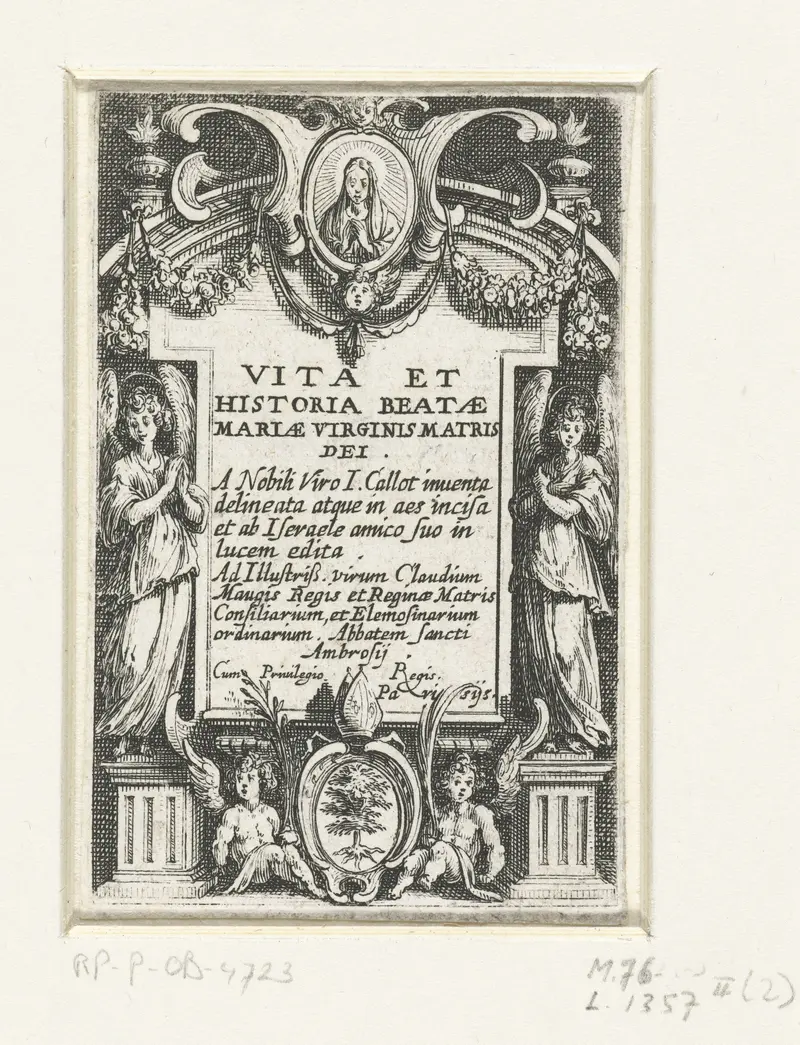
Titelprent voor prentreeks 'Het leven van Maria'
Jacques Callot
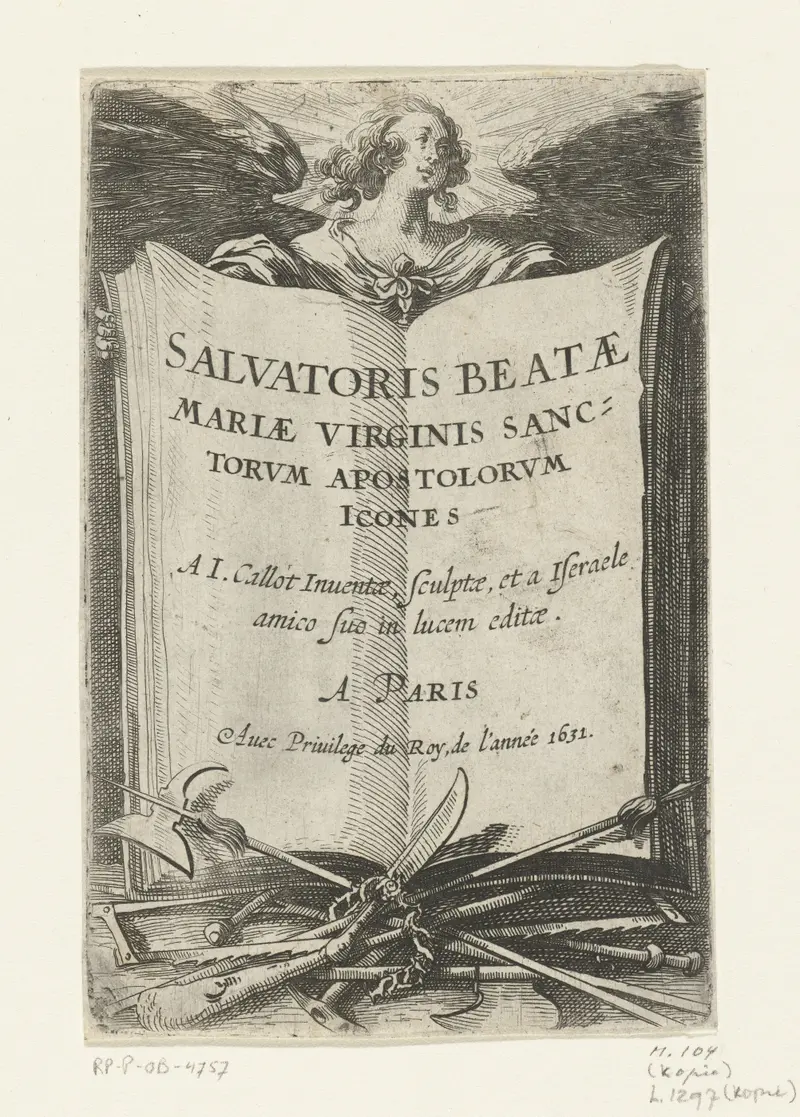
Titelprent voor de prentreeks 'De grote apostelen' (Christus, Maria en de apostelen)
Jacques Callot

Kruisoprichting
Jacques Callot
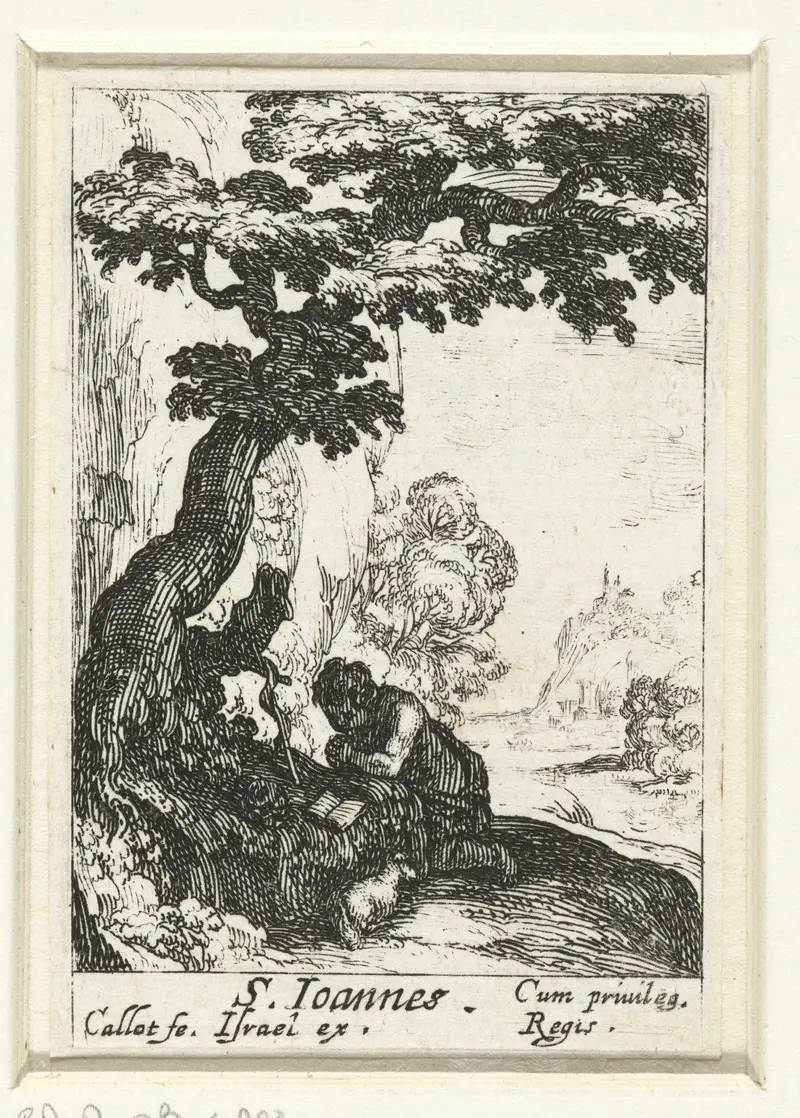
De boetvaardige Johannes de Doper
Jacques Callot





