
The Sycamores — History & Facts
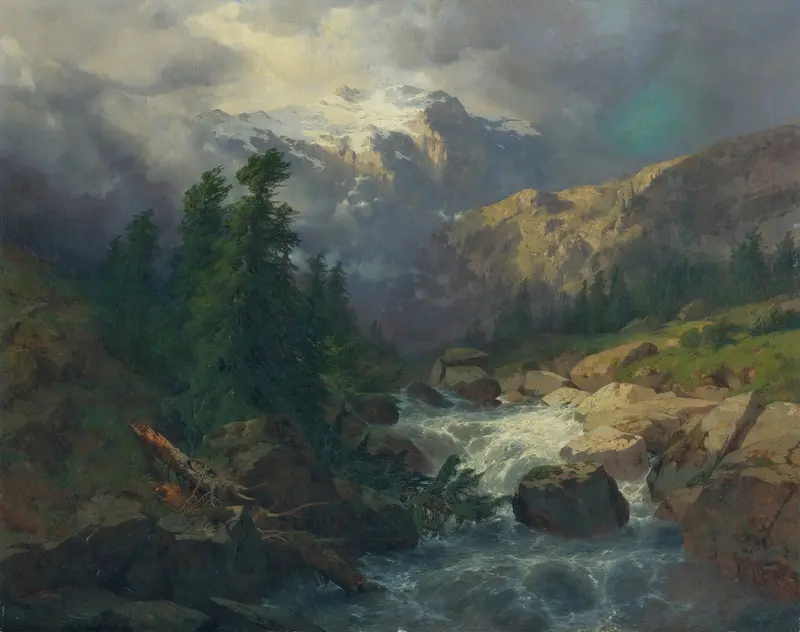
A torrent of white water bursts through the center of The Sycamores, its force and clarity drawing the eye straight into the heart of the painting. The rocks are not merely obstacles; they are sculpted by the current, their edges softened by the relentless passage of water. Above, a dense stand of wind-battered trees leans as if bracing against the storm that broods in the left-hand sky, while distant peaks catch a fleeting shaft of sunlight.
The palette is cool and restless, dominated by slate blues and mossy greens, with only the briefest touch of warmth where the sun brushes the mountain. Every detail—the angle of the trees, the swirl of foam—serves to heighten the sense of a world caught between violence and calm. Painted in 1848, this work stands firmly in the tradition of nineteenth-century landscape painting, when artists such as Alexandre Calame sought to capture the grandeur and unpredictability of nature. In an era when industrialization was remaking the European landscape, such scenes offered viewers both escape and warning: nature as both sanctuary and force.
The painting's presence in the Koller Auktionen collection today is a reminder of how tastes and markets have shifted, and how history has kept few traces of some works beyond their atmospheric power. Let your gaze linger on the meeting of water and stone, and consider what it meant to see the wild so closely observed in an age of rapid change.
More Artworks by Alexandre Calame

By the Lake of Thun
Alexandre Calame
Souvenir Handeck, Stormy Weather
Alexandre Calame
Alppikoski
Alexandre Calame

Fallen Tree
Alexandre Calame
The Lake of Thun
Alexandre Calame
The Weatherhorn
Alexandre Calame
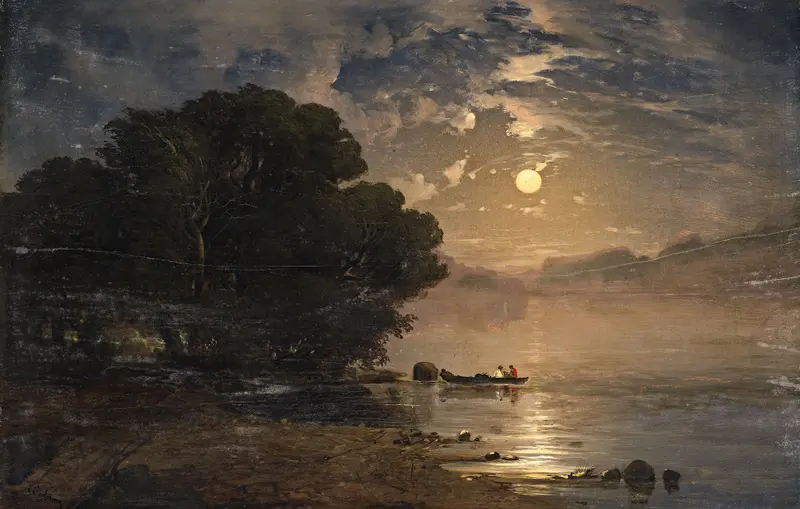
Evening Landscape with a Lake
Alexandre Calame
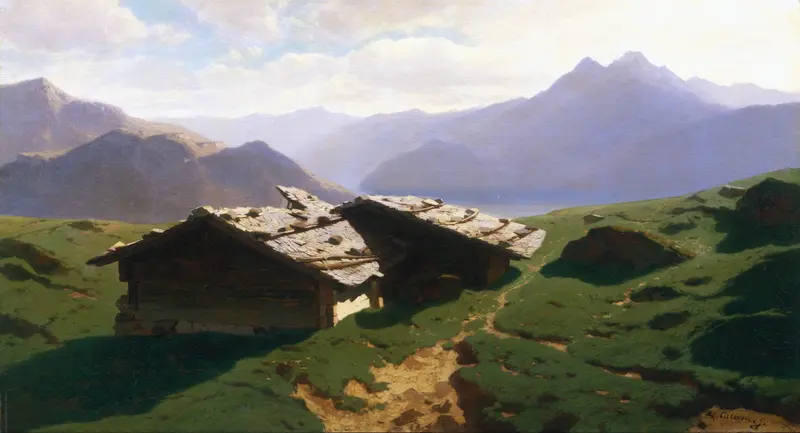
Chalets at Rigi
Alexandre Calame

View of the Wetterhorn and the Reichenbach from Meiringen
Alexandre Calame
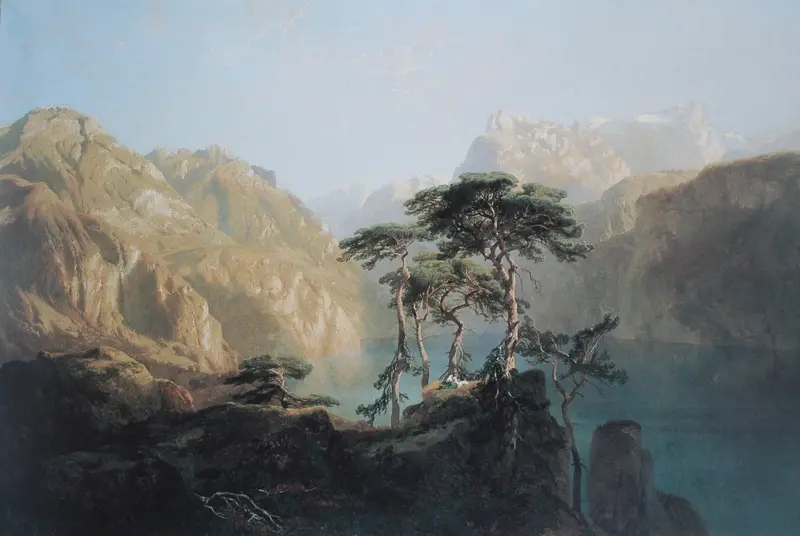
Calame Der Vierwaldstättersee
Alexandre Calame
More Landscape Art

The Starry Night
Vincent van Gogh

View of Delft
Johannes Vermeer

Water Lilies
Claude Monet

The Grand Canal, Venice, looking north-west from the Ca' Corner to the Ca' Contarini degli Scrigni, with the campanile of Santa Maria della Carità
Canaletto

Windsor Castle
Canaletto

The Grand Canal looking North-East from the Palazzo Dolfin-Manin to the Rialto Bridge
Canaletto