
The Tatras - view of Giewont. — History & Facts
A curtain of cloud hangs above the jagged silhouette of Giewont, the Tatras’ most storied peak, its dark form pressed against a sky that seems to shift and brood with the weather. The artist, Aleksander Kotsis, leads your gaze not to a sunlit summit but to a mountain shrouded in mystery, its presence both massive and elusive. The light breaks through in patches, glancing off distant snowfields and illuminating the crags just enough to suggest their scale.
Foreground trees and shadowed slopes anchor the scene, their greens and browns dissolving into the blue-black mass of the range. This is a landscape not of conquest, but of watchfulness—a place where the mountains keep their secrets. Painted in 1870, The Tatras - view of Giewont belongs to a moment when artists across Europe were turning their attention to the grandeur of their own native landscapes, often as acts of cultural affirmation. In Poland, the Tatras had become a symbol of endurance and national spirit, and painters like Kotsis captured them for an audience hungry for images of home.
Such works were rarely grand commissions; more often, they were painted for collectors, travelers, or simply for the artist’s own record. Today, this painting is held by the National Museum in Warsaw, a quiet testament to a time and a place when the mountains themselves were a kind of silent witness. Stand before it, and you may find yourself searching the clouds for a break in the weather, or for the stories that drift between the peaks.
More Artworks by Aleksander Kotsis

Trip in the Tatra Mountains
Aleksander Kotsis

Fair in Nowy Targ
Aleksander Kotsis
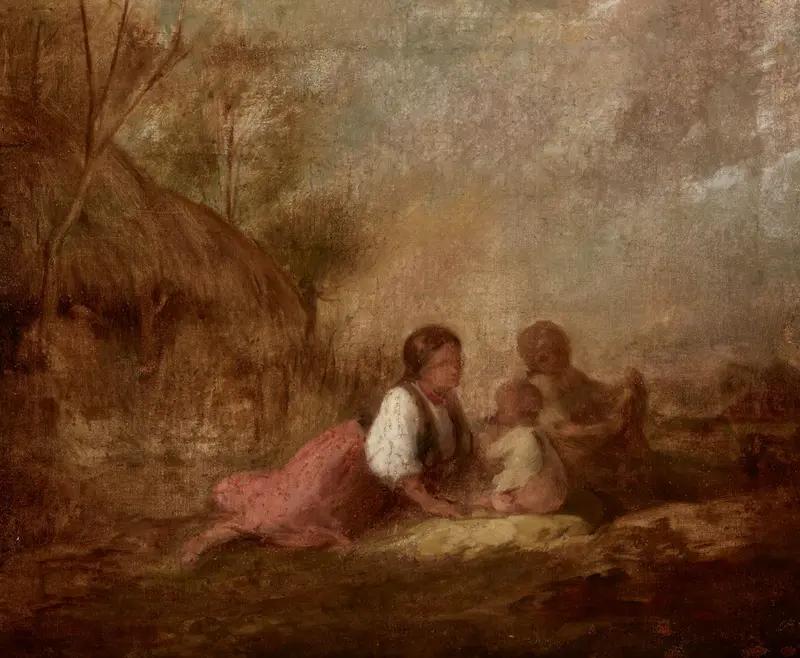
Pastoral Scene
Aleksander Kotsis
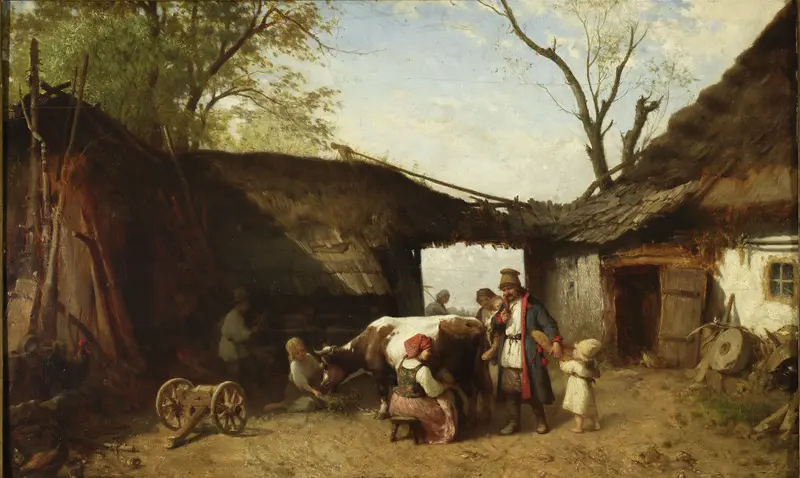
In the farmyard
Aleksander Kotsis
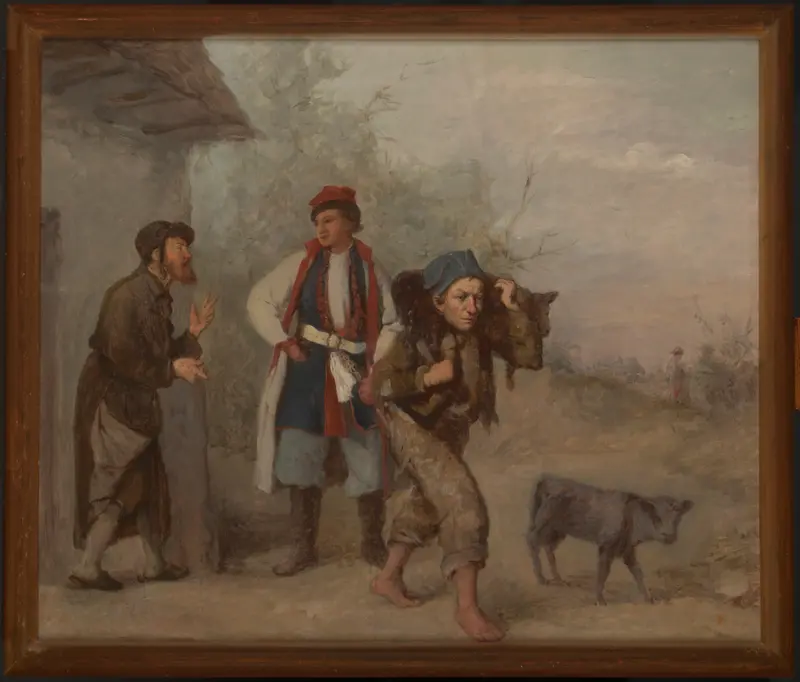
Haggling over a Calf
Aleksander Kotsis
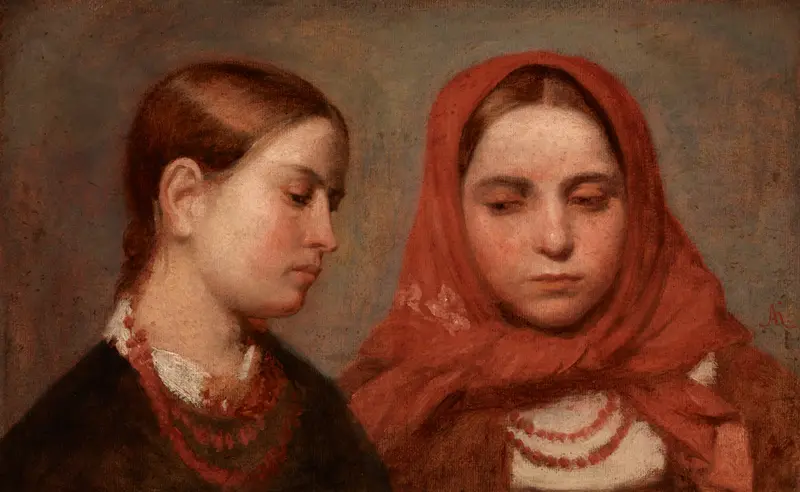
Heads of Two Young Girls
Aleksander Kotsis
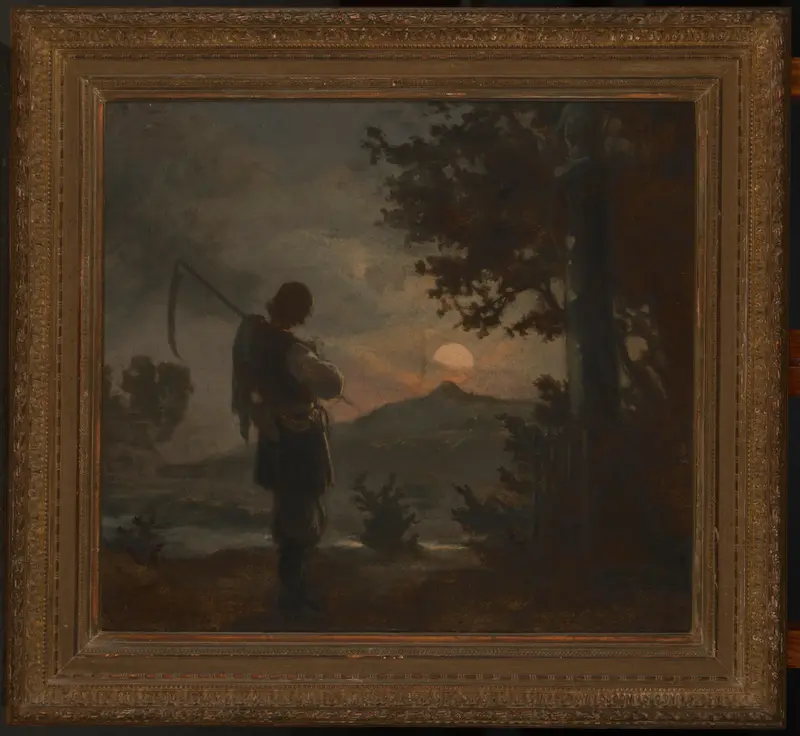
Haymaker
Aleksander Kotsis
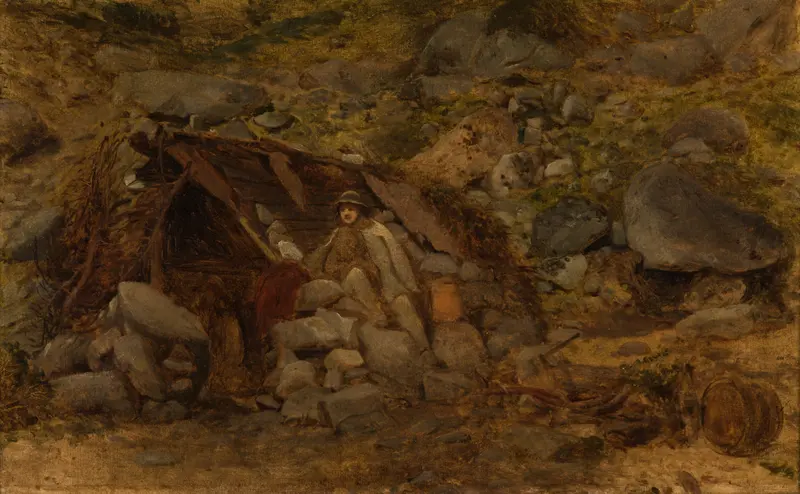
Highlander in Front of a Hut
Aleksander Kotsis
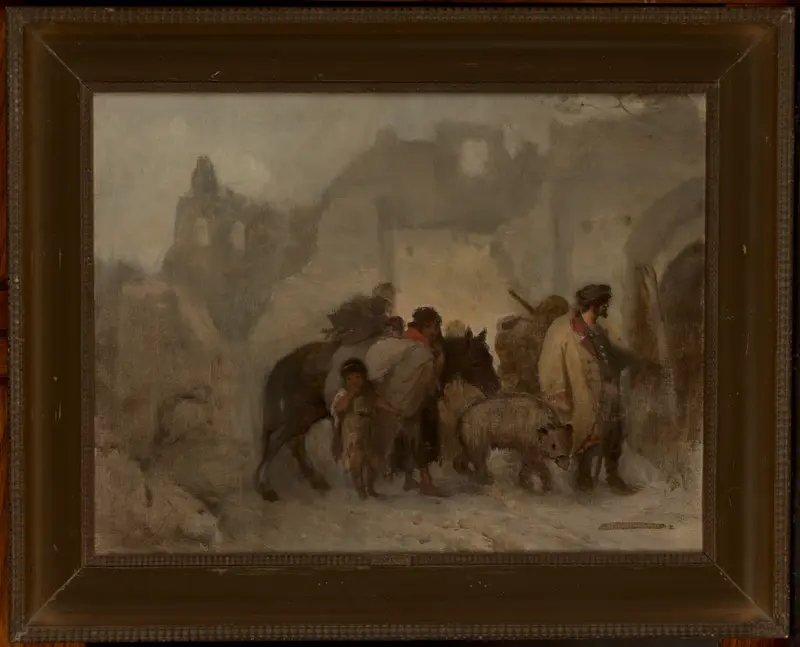
Gypsies
Aleksander Kotsis
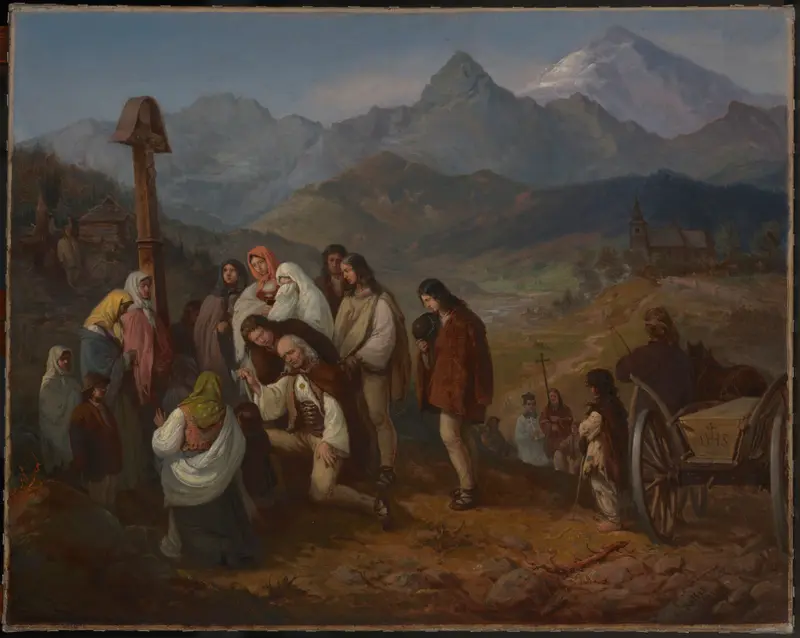
A Highlander's Funeral
Aleksander Kotsis
More Landscape Art

The Starry Night
Vincent van Gogh

View of Delft
Johannes Vermeer

Water Lilies
Claude Monet

The Grand Canal, Venice, looking north-west from the Ca' Corner to the Ca' Contarini degli Scrigni, with the campanile of Santa Maria della Carità
Canaletto

Windsor Castle
Canaletto

The Grand Canal looking North-East from the Palazzo Dolfin-Manin to the Rialto Bridge
Canaletto