
The Temptation of St. Antony — History & Facts
In The Temptation of St. Antony, Jacques Callot presents a vivid scene filled with dark colors and swirling figures. The painting features St.
Antony surrounded by a chaotic array of demonic figures and temptations. The figures are exaggerated and grotesque, enhancing the sense of struggle and conflict. The background is a tumultuous landscape that adds to the overall sense of turmoil. This artwork is an etching, a technique that allows for fine detail and intricate line work.
Callot's use of line creates a sense of movement and chaos, drawing the viewer's eye across the composition. The dimensions are approximately 30 x 40 cm, making it a relatively small piece that invites close inspection. The etching technique also allows for a range of textures that enhance the dramatic effect. Jacques Callot was a French artist known for his innovative etchings and depictions of the human condition.
This particular work, created in the 1620s, reflects the Baroque style's emphasis on emotion and drama. An interesting fact about this piece is that it captures the struggle between good and evil, a common theme in religious art of the time. Callot's ability to convey such intense emotion through his figures is a hallmark of his work.
More Artworks by Jacques Callot

De verloren zoon als zwijnenhoeder
Jacques Callot
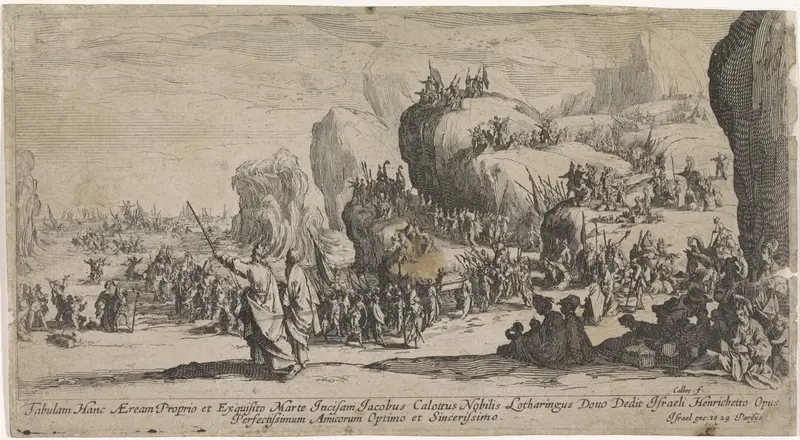
De doortocht door de Rode Zee
Jacques Callot

Kruisiging
Jacques Callot
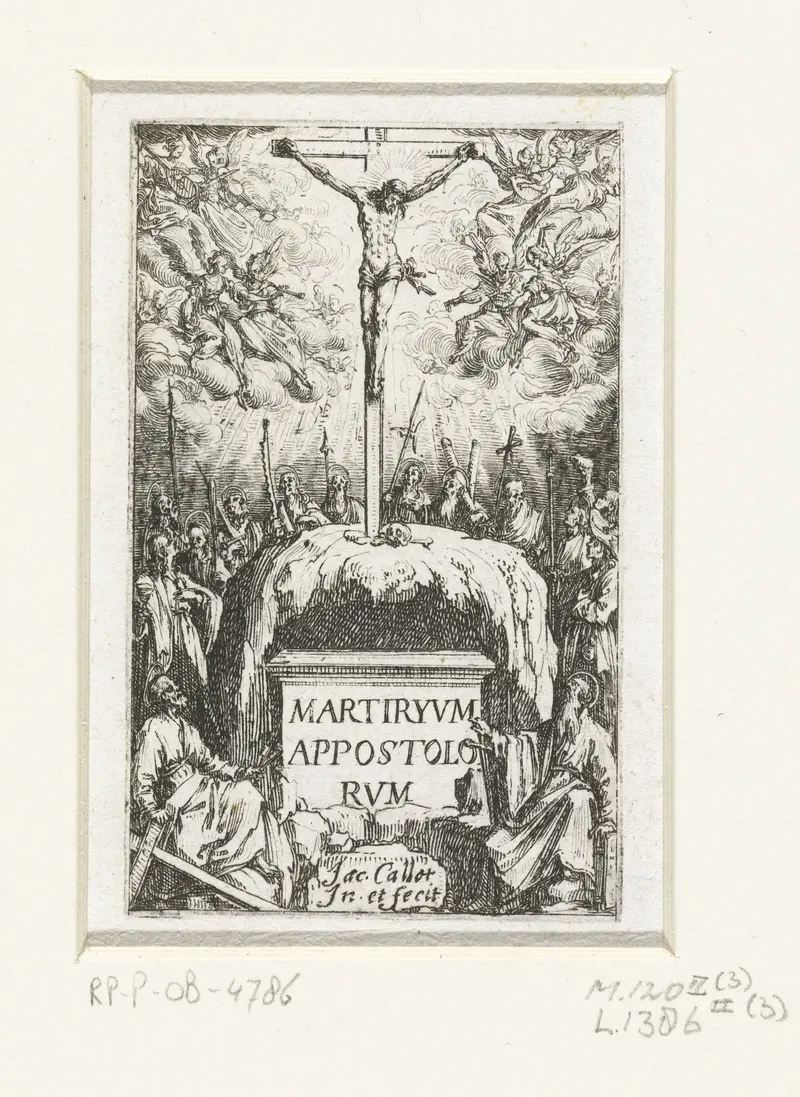
Titelprent voor de prentreeks 'De kleine apostelen' (Het martelaarschap van de apostelen)
Jacques Callot
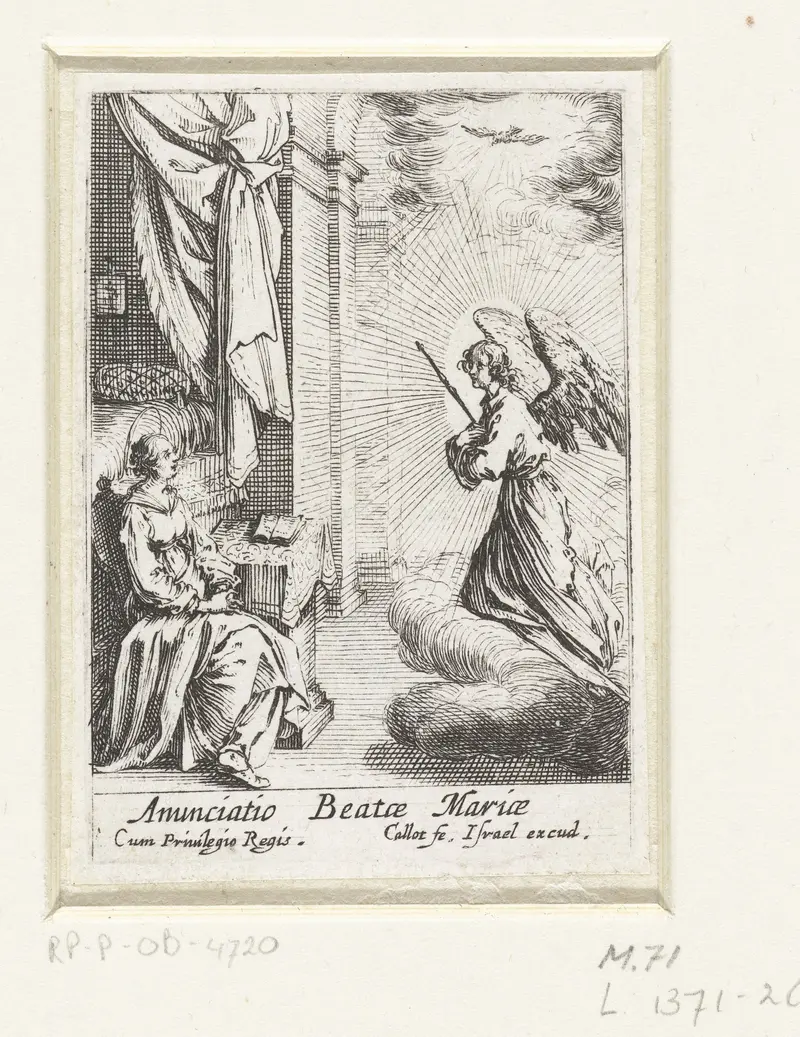
Annunciatie
Jacques Callot
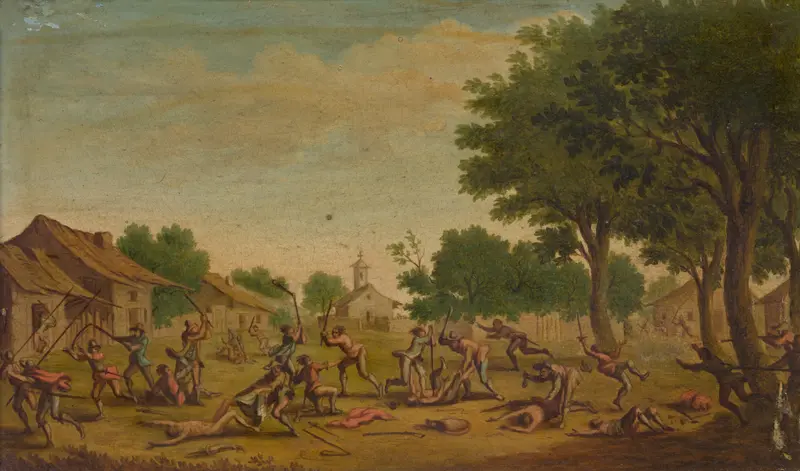
Village Fight
Jacques Callot
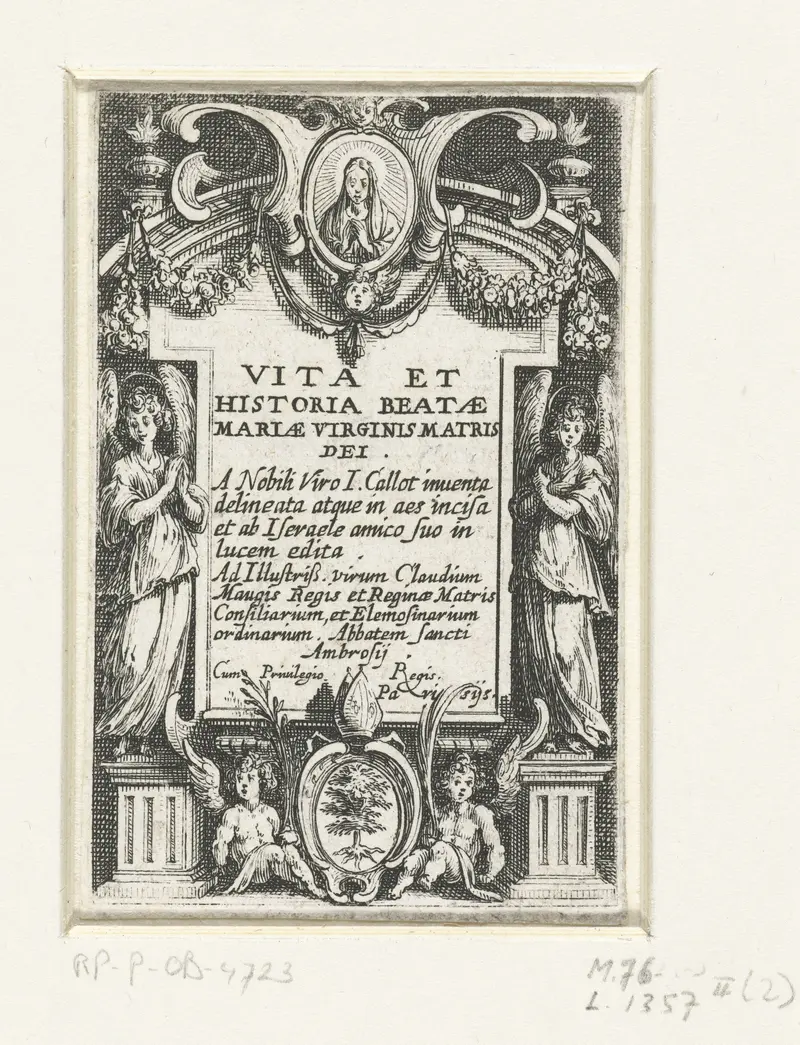
Titelprent voor prentreeks 'Het leven van Maria'
Jacques Callot
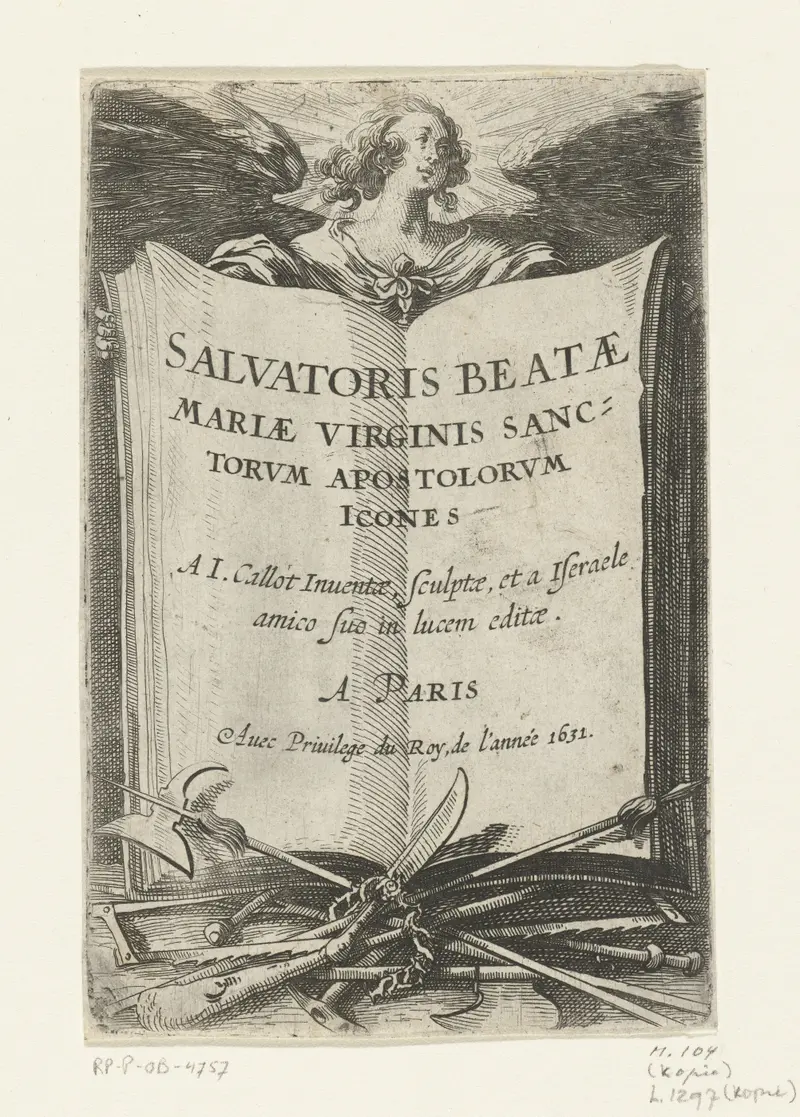
Titelprent voor de prentreeks 'De grote apostelen' (Christus, Maria en de apostelen)
Jacques Callot

Kruisoprichting
Jacques Callot
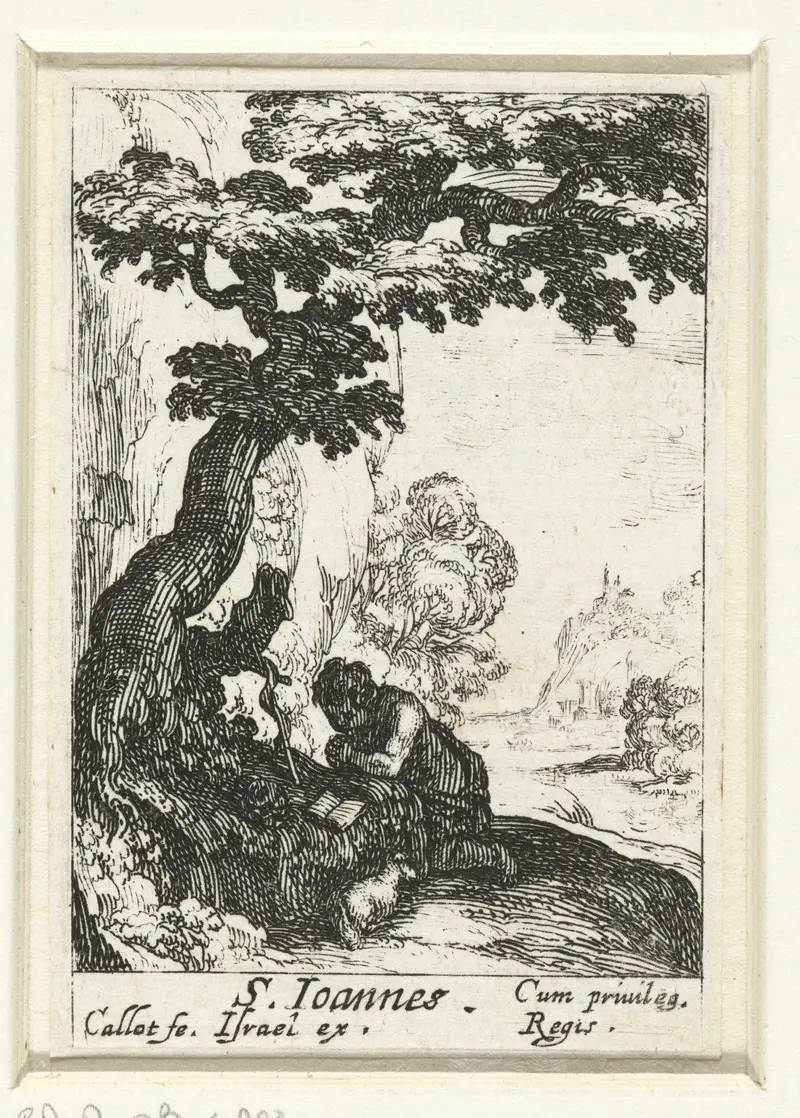
De boetvaardige Johannes de Doper
Jacques Callot





