
The Tree by the Bend — History & Facts
In the quiet embrace of nature, nostalgia whispers through the leaves, inviting the viewer to reflect on the passage of time and the beauty of memory. Focus on the vibrant greens and browns in the foreground, where a solitary tree stands resolute by the bend of a gentle stream. Notice how the brushstrokes become more textured and dynamic as they approach the tree’s trunk, creating a sense of movement that contrasts with the serene backdrop. The dappled light filters through the canopy, casting delicate shadows that play on the water’s surface, evoking a tranquil yet contemplative atmosphere. Within the composition lies a poignant tension; the tree represents both strength and solitude, anchoring the scene while simultaneously evoking a sense of longing.
The gentle curves of the water echo the soft lines of the landscape, suggesting the fluidity of time and memory. Each leaf appears to tell a story, inviting the viewer to engage with their own recollections and emotions, weaving a tapestry of personal experience into the fabric of nature. Cézanne painted this work during a period of introspection, likely in the late 19th century when he was working in southern France. This was a time of transition in the art world as he sought to move beyond Impressionism, striving to find a deeper connection with the essence of his subjects.
The contemplative nature of The Tree by the Bend reflects his desire to encapsulate not just the visual reality but the emotional resonance that these landscapes held for him.
More Artworks by Paul Cezanne
Browse all →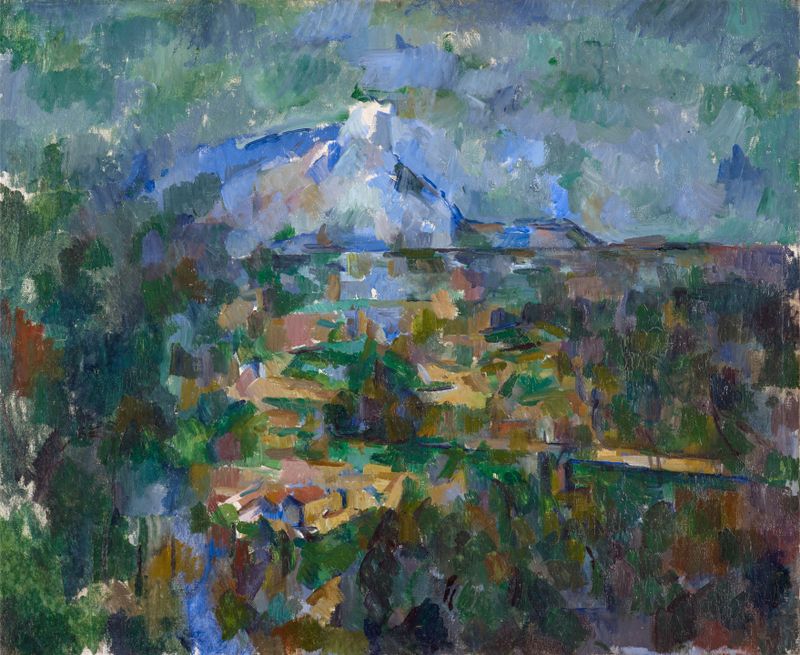
The Mont Sainte-Victoire Seen From Les Lauves
Paul Cezanne
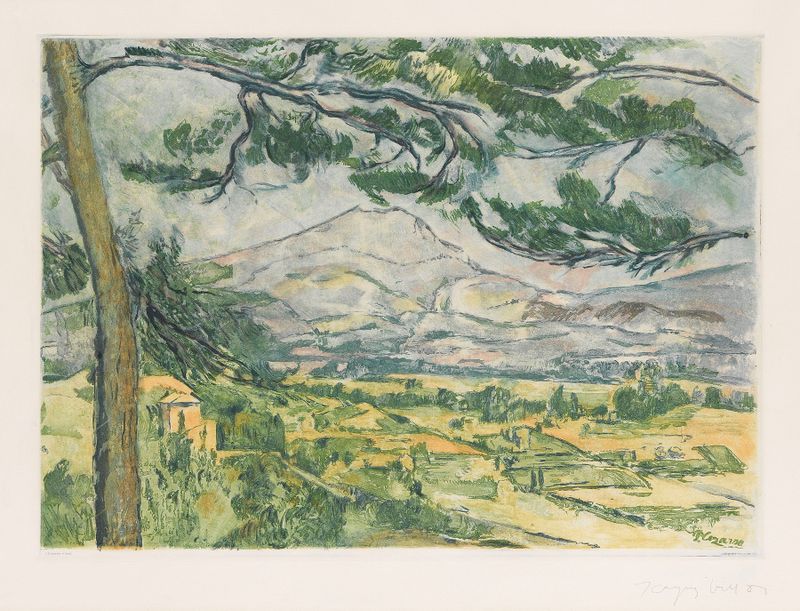
La Montagne Sainte-Victoire
Paul Cezanne
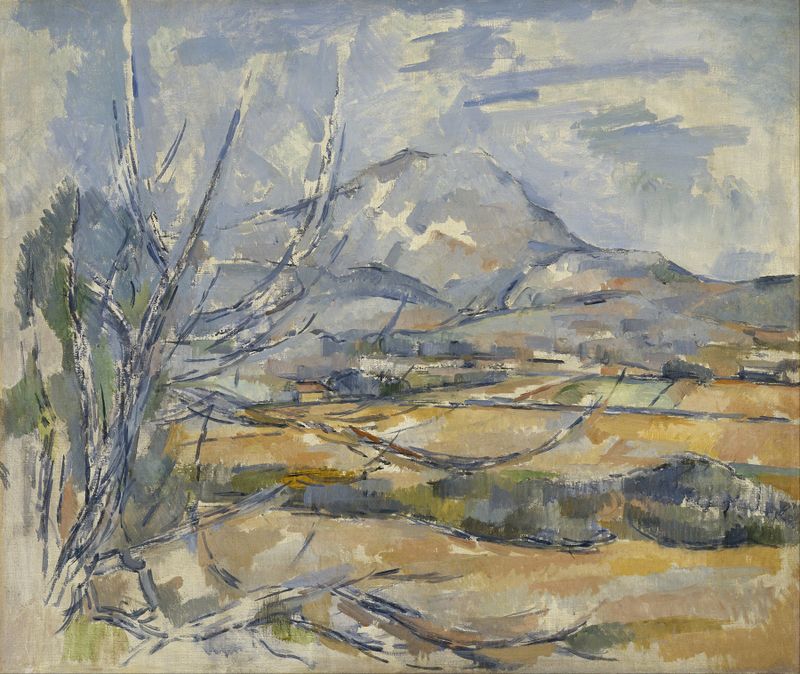
Montagne Sainte-Victoire
Paul Cezanne
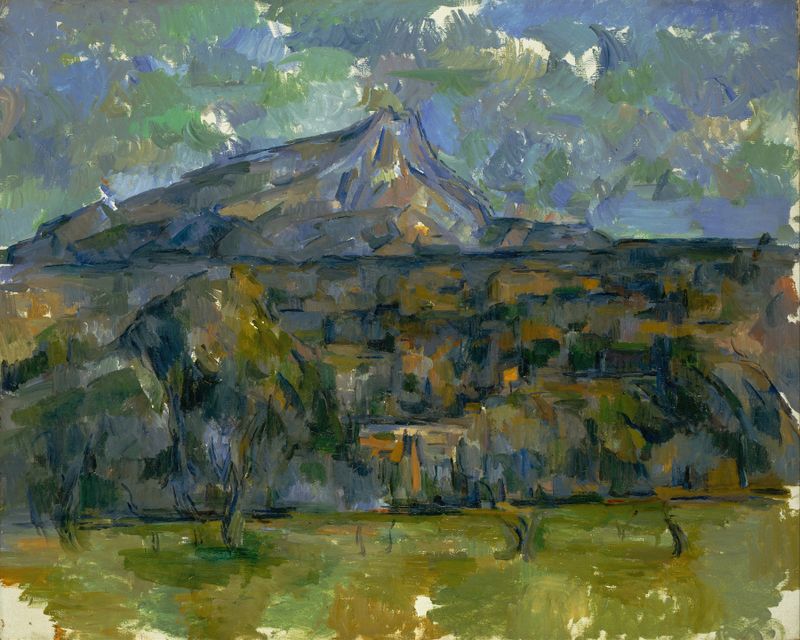
Mont Sainte-Victoire
Paul Cezanne
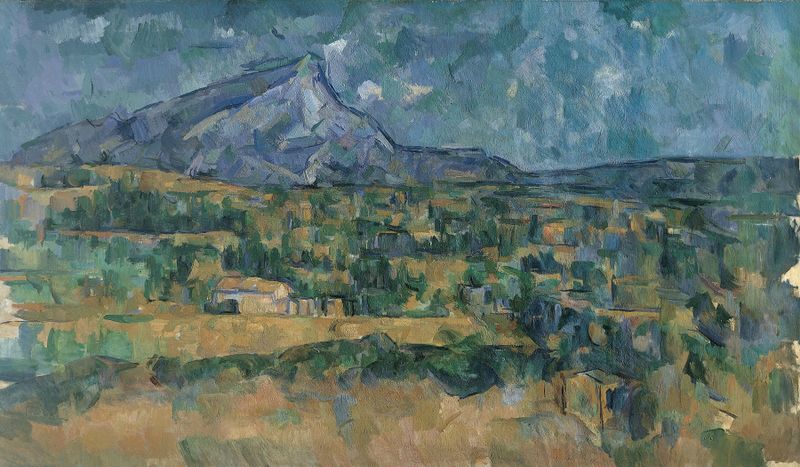
Mont Sainte-Victoire
Paul Cezanne
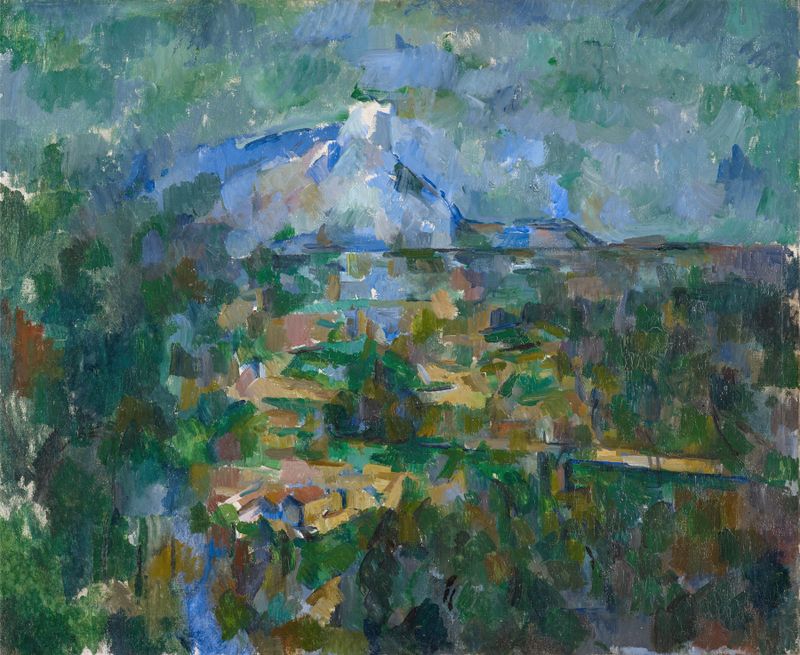
View of Mount Sainte-Victoire from Les Lauves
Paul Cezanne
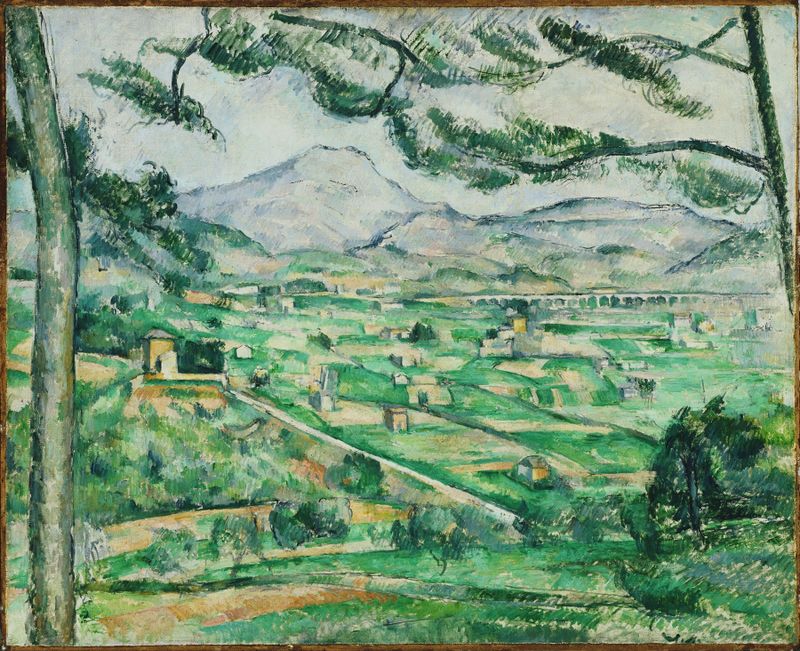
Mont Sainte-Victoire 2
Paul Cezanne

The Basket of Apples
Paul Cezanne

Mount Sainte-Victoire
Paul Cezanne
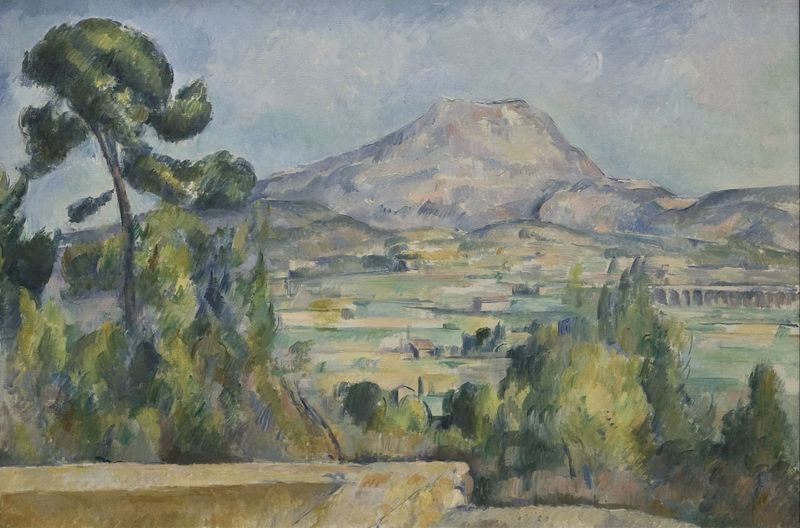
Montagne Saint-Victoire
Paul Cezanne





