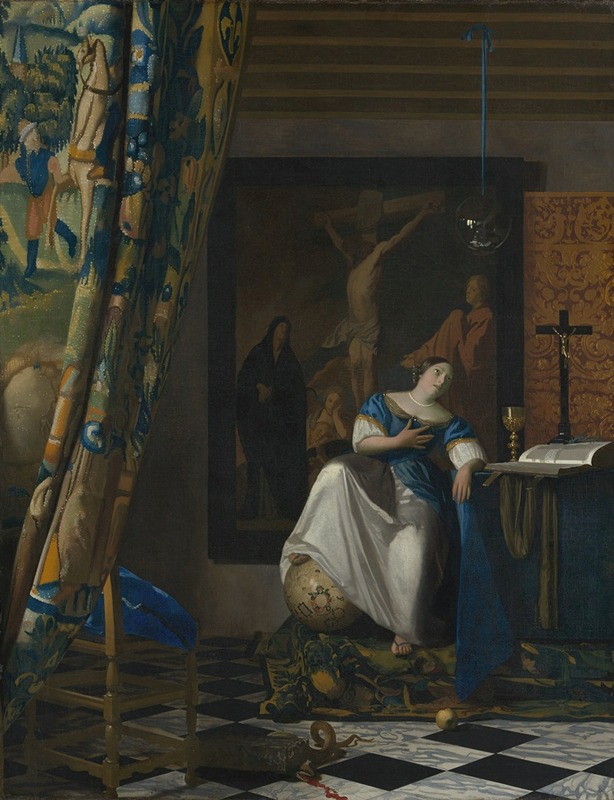
The Triumph of Eternity — History & Facts
A radiant dawn illuminates the canvas, where an ethereal procession unfolds. An array of figures, draped in flowing garments, appear to ascend toward an unseen heaven, embodying triumph over the ephemeral nature of life. The soft interplay of light and shadow casts a contemplative hush, inviting viewers to witness the delicate balance between existence and eternity. Look to the left at the central figure, a noble personage exuding a serene confidence.
The golden hues that envelop them suggest divinity, while the stark contrast of cooler tones in the background deepens the sense of depth and distance. Notice how the artist meticulously layers rich colors to depict the figures’ intricate details, from the embroidery on their robes to the expressions etched upon their faces. Each stroke draws you deeper into this harmonious celebration of life beyond death. Beneath the surface, the painting grapples with profound themes of mortality and transcendence.
The juxtaposition of the vibrant procession against the shadowy background serves as a reminder of the fleeting nature of human life. The figures embody a spectrum of emotions: joy, reverence, and a touch of melancholy as they navigate the space between earthly existence and eternal glory. This interplay invites viewers to reflect on their own journey and the legacy they wish to leave behind. In 1517, the artist created this work amidst a period of religious and artistic transformation in Northern Europe.
Vellert was influenced by the burgeoning Humanist movement, which encouraged a deeper exploration of individual experience and spirituality. The painting reflects a time when artists were beginning to move beyond mere representation, seeking to imbue their work with complex emotional and philosophical layers.
More Artworks by Dirck Vellert
Browse all →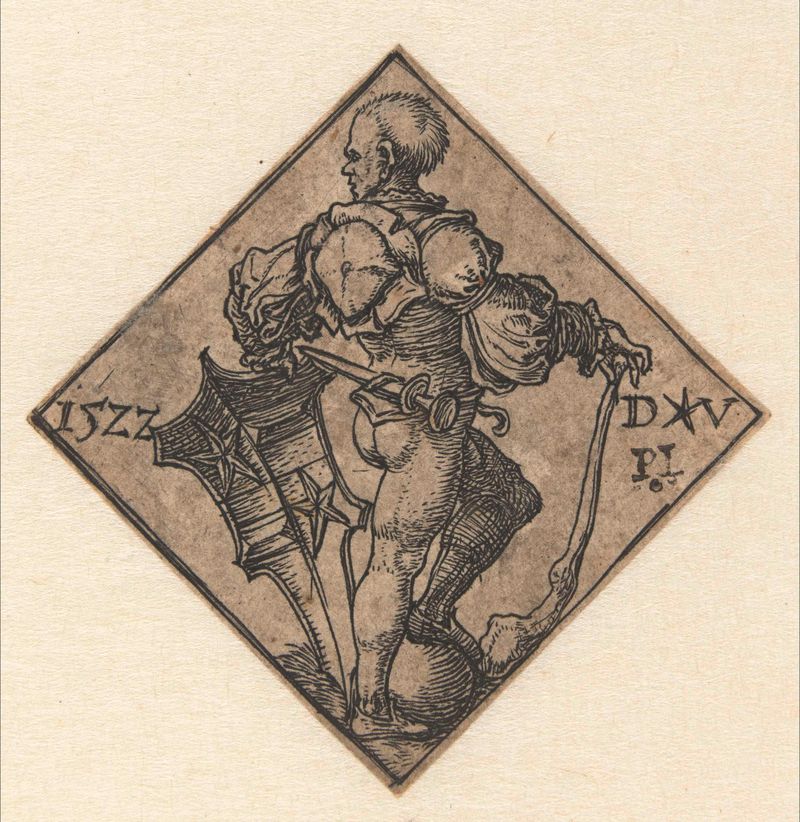
Soldaat met wapenschild
Dirck Vellert

Christus en de Samaritaanse vrouw
Dirck Vellert
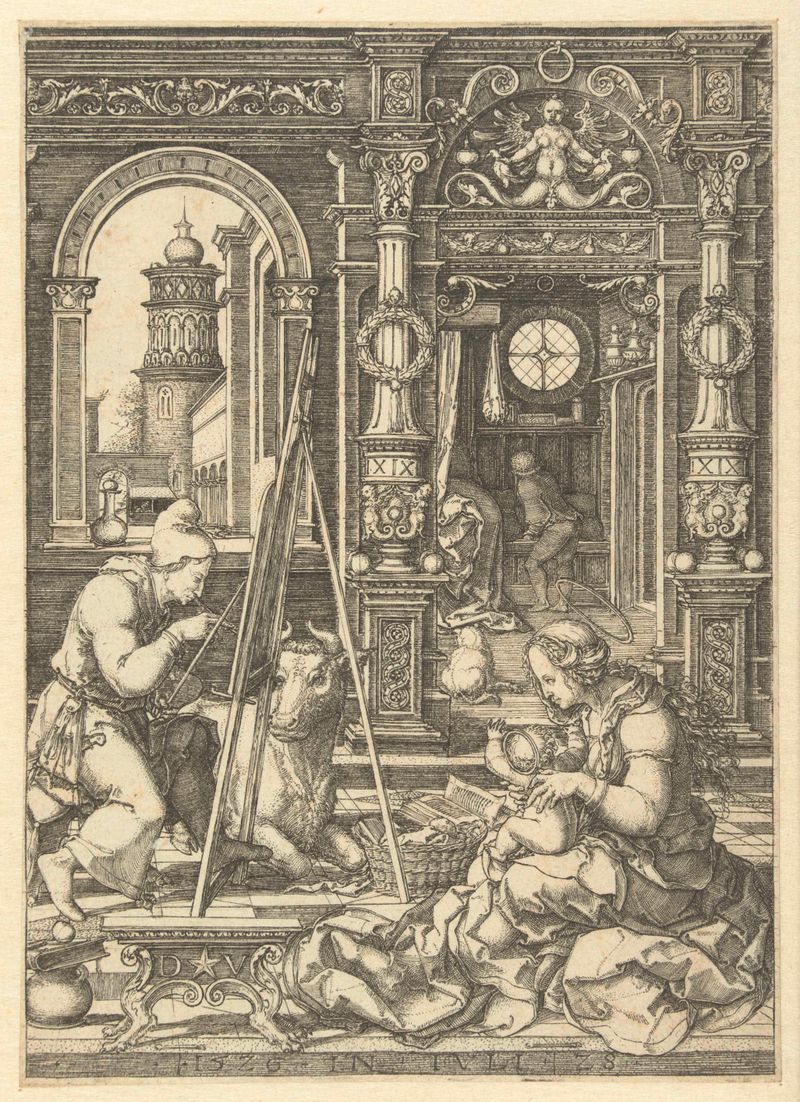
Heilige Lucas schildert Madonna met kind
Dirck Vellert

The Flight into Egypt
Dirck Vellert

Faun
Dirck Vellert
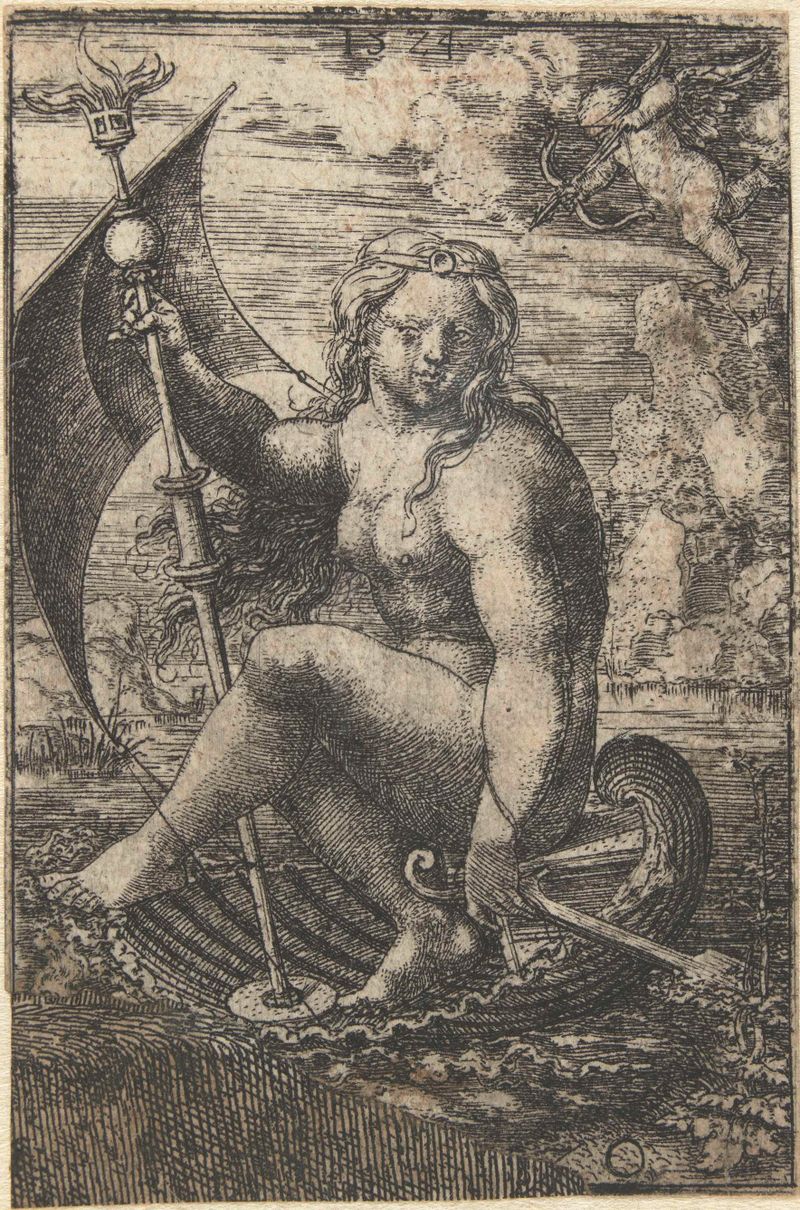
Venus zeilend in een schelp
Dirck Vellert
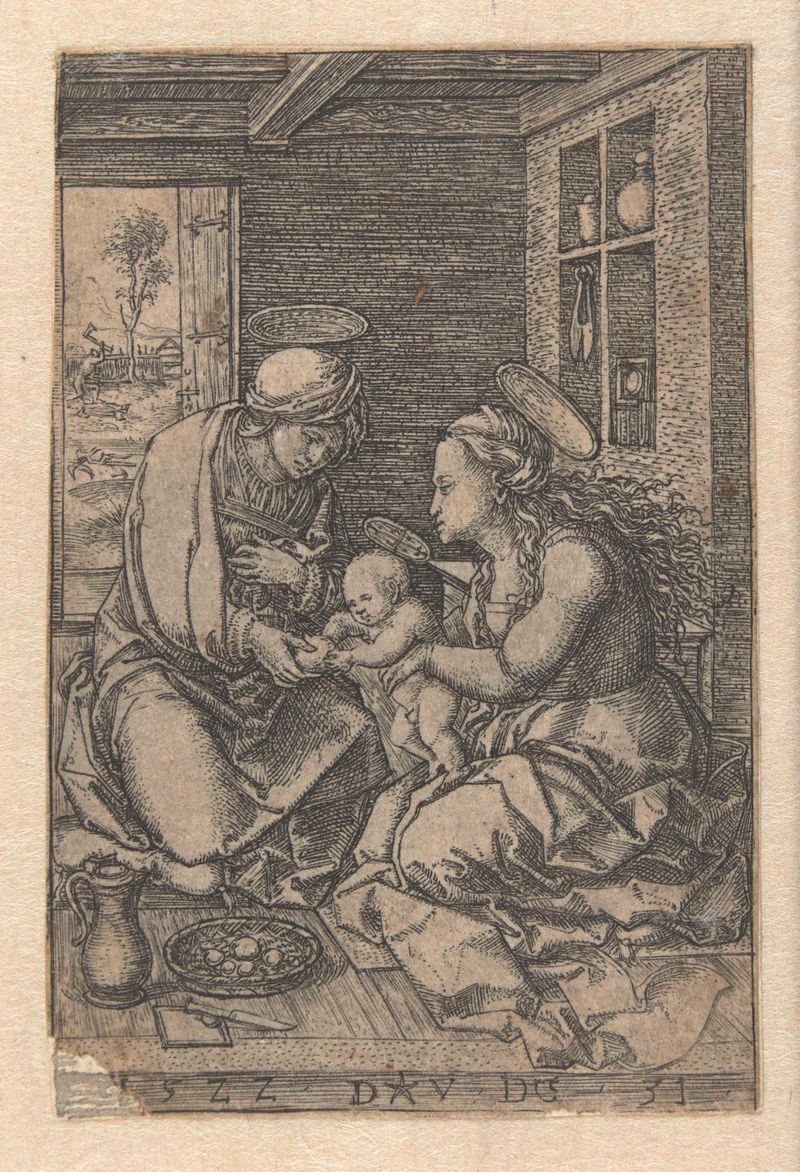
Maria met kind en heilige Anna
Dirck Vellert
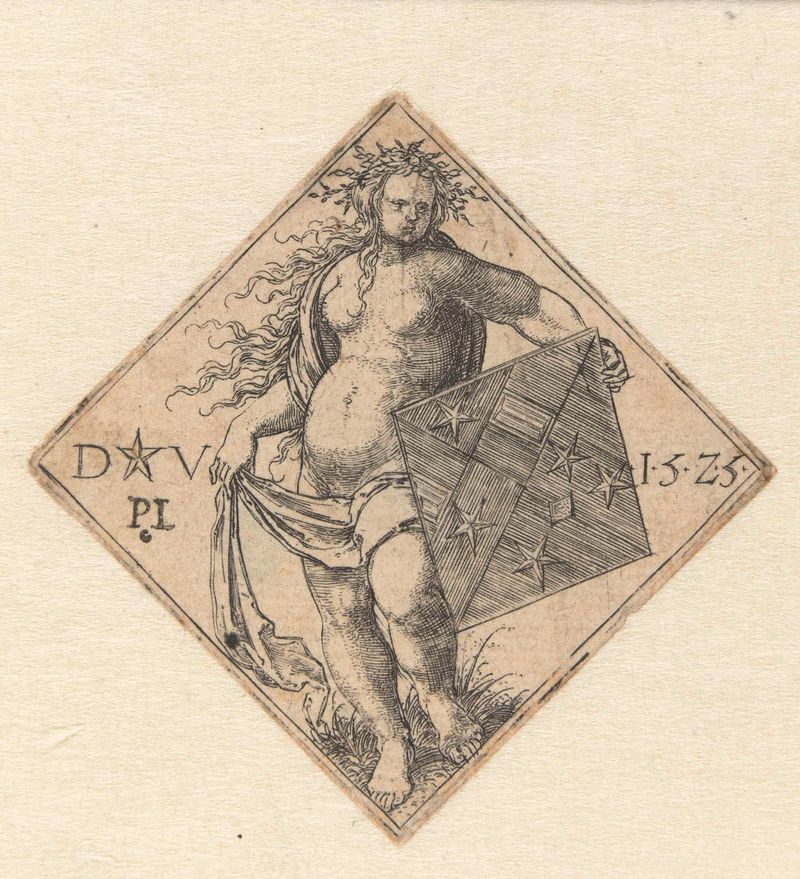
Naakte vrouw met wapenschild
Dirck Vellert
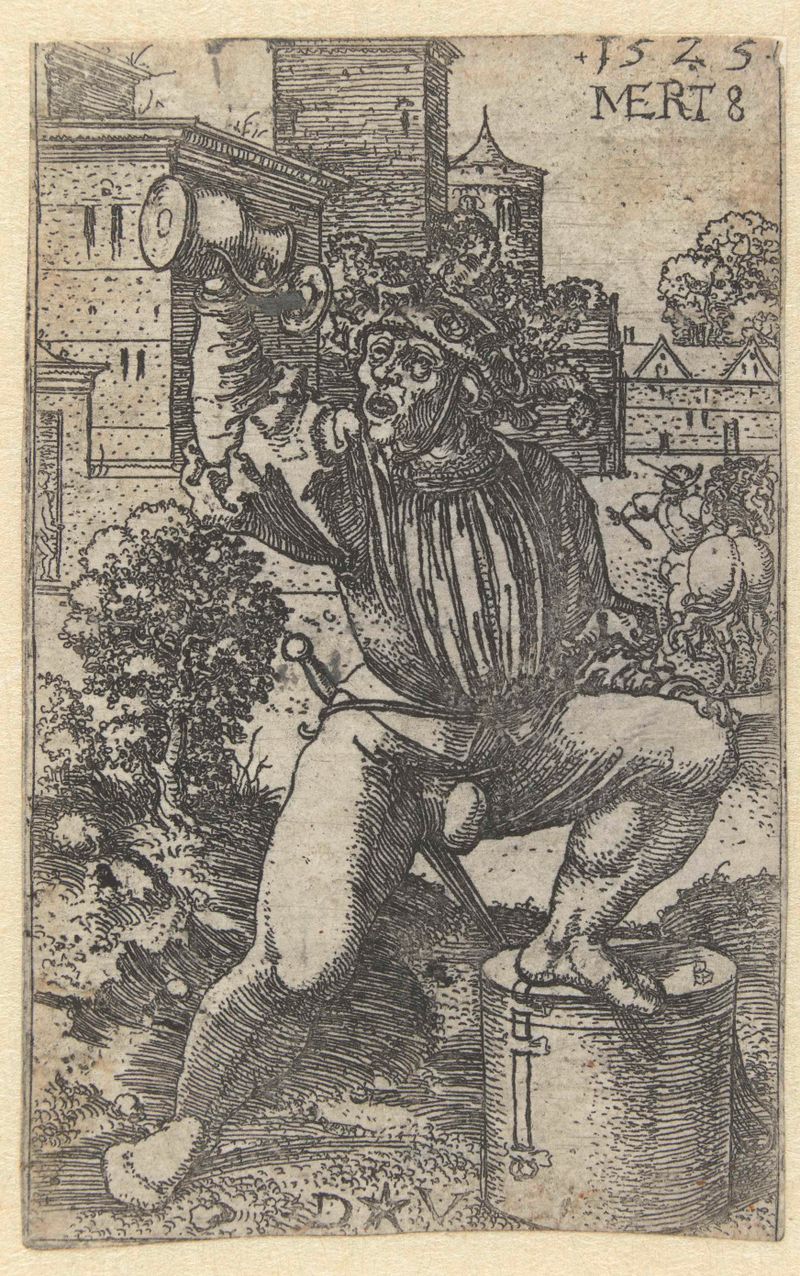
De dronken tamboer
Dirck Vellert

Eva en Kaïn
Dirck Vellert